Official game
Play White Creek
This game is hosted by Steam. Continue to the official page to play or download it.
Wishlist on SteamOverview
White Creek is a fixed-camera survival horror from Story Bird Studios, the studio behind PixelHeart's retro revivals, and it is the first new survival horror built for the Sega Dreamcast in over two decades. The Steam page carries the pitch plainly: a return to Dreamcast-era survival horror, where every encounter is a moral choice. Every camera angle is a narrative choice, every shadow an intention. The studio's own line is that you will not play White Creek on Dreamcast despite the console, you will play it because the game is made for that machine. Development targets Dreamcast-class design first and builds the modern versions around it.
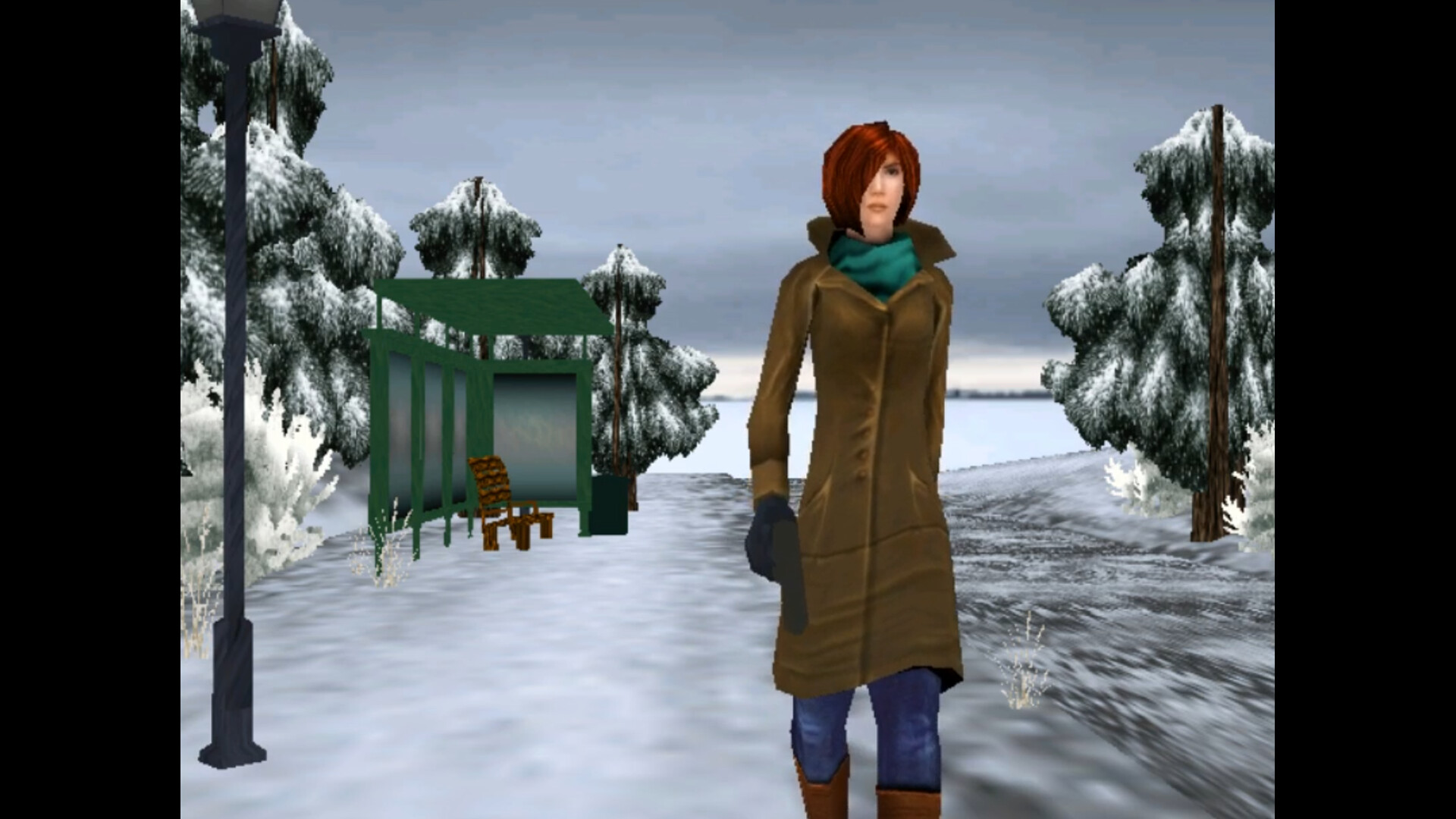
You play Alicia Morelli, a freelance exorcist drawn to the cursed town of White Creek. The possessed behave like classic zombies: hostile, corrupted, relentless. The twist sits at the center of every fight. You can shoot them dead, or you can risk exorcising them and saving their souls. The pacifist path is a full system, not a decoration. It costs resources, time, and nerve. Shoot or exorcise, the choice is yours, and the store page ends the question with a warning: but at what cost?
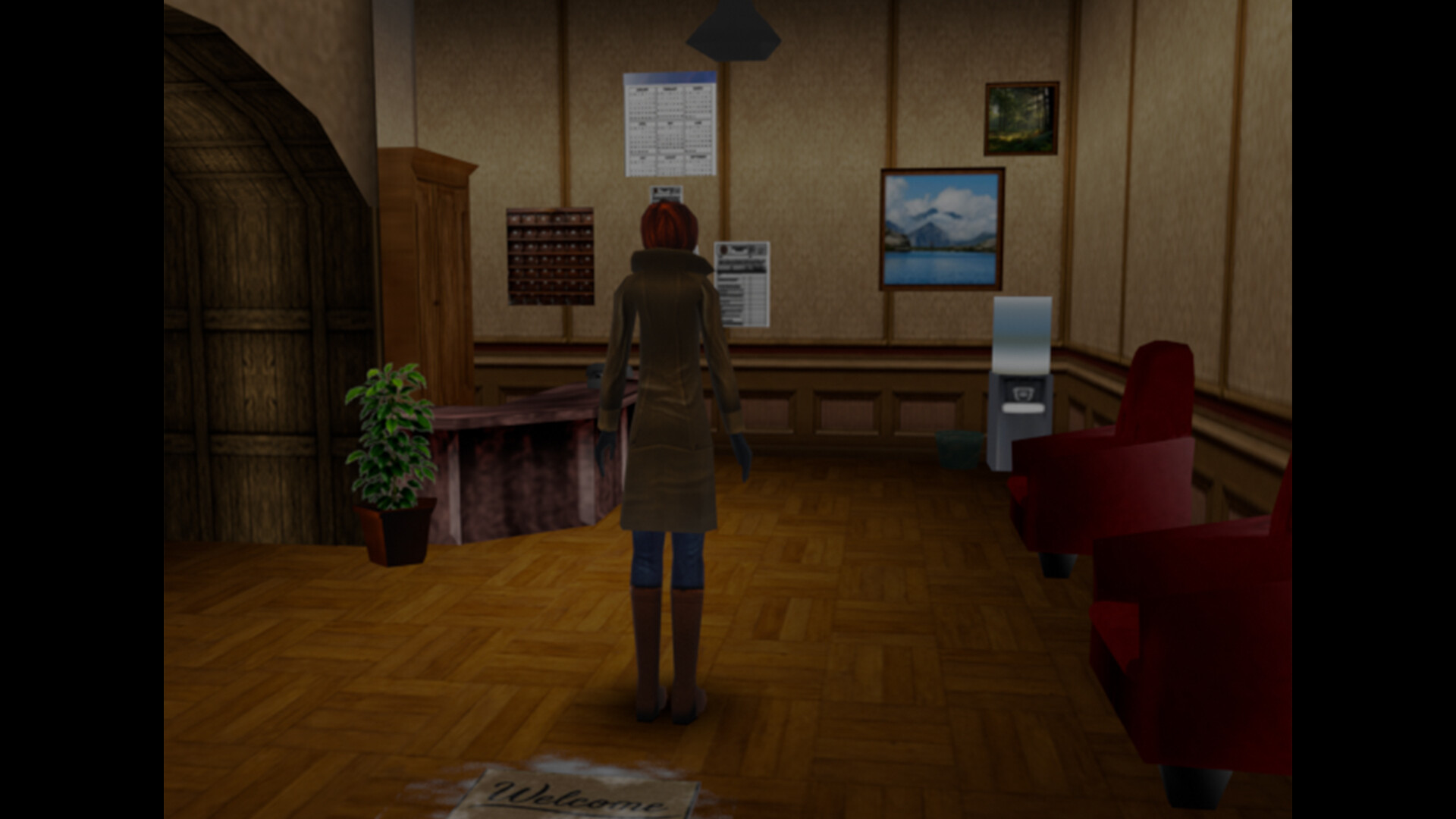
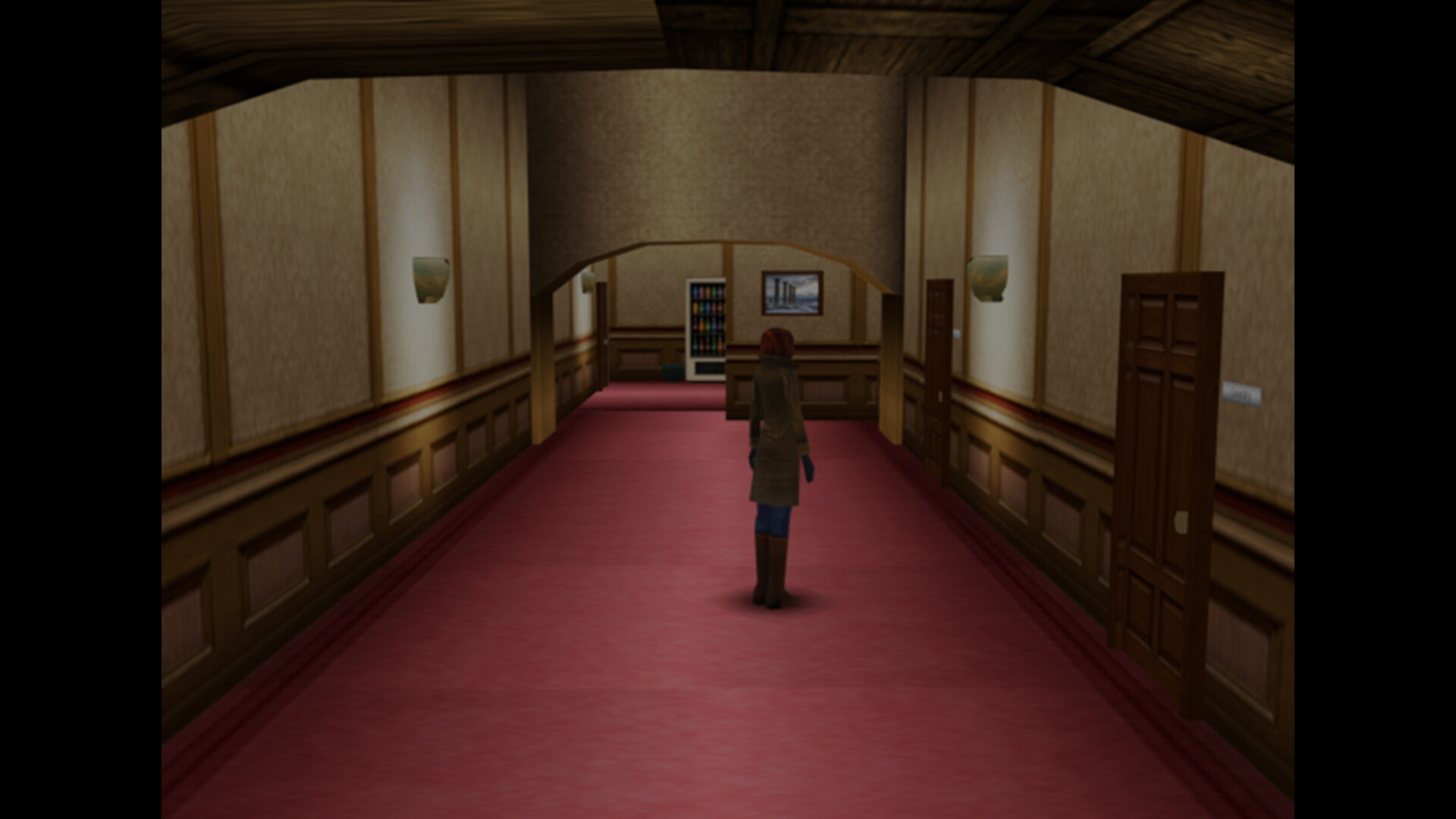
The toolkit blends classic survival horror with a psychic investigator's kit. Alicia carries several weapons plus psychic powers that detect spiritual anomalies inside the possessed or hidden in the environment. Her mobile phone captures and records those anomalies, and the recordings become evidence. When a soul is badly corrupted, the game shifts into Exorcism Overdrive: confrontational sequences where you speak to the soul, confront it with your gathered evidence, break through its illusions, and bring it peace. The first deep look at gameplay centered on Le Prestige Hotel, one of the locations at the heart of the town's nightmare.
Who it is for: classic survival horror fans, fixed-camera devotees, and players who want mercy backed by real mechanics instead of dialogue flags.
Who it is not for: action-horror sprinters and jump-scare arcade hunters. This game is deliberate, resource-tight, and moral.
| Fact | Detail |
|---|---|
| Developer | Story Bird Studios (PixelHeart family) |
| Genre | Dreamcast-era survival horror with exorcism systems |
| Platforms | Dreamcast, Windows (Steam), Xbox, PS4, PS5, Nintendo Switch |
| Release | To be announced; Steam wishlist live, Kickstarter funded campaign |
| Players | Single-player |
| Protagonist | Alicia Morelli, freelance exorcist |
| Named location | Le Prestige Hotel |
| Core choice | Kill the possessed or exorcise and save their souls |
| Signature system | Exorcism Overdrive evidence confrontations |
| Control | Controller-first; keyboard and mouse under consideration |
| Languages | English (full audio), English and French text |
| Min specs | i3-2100 / FX-4300, 4 GB RAM, GTX 650 / HD 7750, 2 GB storage |
Getting Started: The First 30 Minutes
Before You Launch
- Plug in a gamepad. The developers recommend playing with a controller, the Steam page ships with full Steam Input support for Xbox, DualSense, and DualShock pads, and the studio has said the game is being developed controller-first with keyboard and mouse only under consideration for later. Do not count on WASD at launch.
- Understand the two currencies. Ammo is the hard currency of survival. Evidence is the hard currency of mercy. Every possessed in front of you has a price tag in one or the other, and the game never lets you pay neither.
- Reset your camera expectations. Fixed angles in the Dreamcast style mean movement reads differently than modern horror. Your first minutes are for learning how the frame relates to the room, not for learning to aim.
- Headphones on. Fixed cameras hide threats visually, and audio leaks through the cuts. Sound is half your threat detection.
Your First 30 Minutes
- Walk the opening street slowly. The first area teaches the camera language and the town's layout. Note doors, windows, shadows, and dead ends. Retro survival horror maps are compact and they loop; these first rooms come back.
- Scan before you commit. Alicia's psychic sense is the cheapest reconnaissance in the game. Scan every room before you cross its midpoint. A threat flagged early is a threat you can price.
- Record every anomaly. The phone is free to use and its footage is the ammunition for Exorcism Overdrive. A clip that looks useless now may be the exact piece an act-three soul demands.
- Try one exorcism early. The first possessed encounter is the tutorial for the kill-or-exorcise system. Learn its rhythm while failure is cheap, then commit to your real approach.
- Count bullets like money. If you have fired more than a few rounds in your first ten minutes, you are fighting on the game's worst terms.
Beginner Mistakes
| Mistake | Why It Hurts | Fix |
|---|---|---|
| Shooting every possessed | Bullets scarce, story closes, Overdrives starve later | Exorcise the early souls while the cost of failure is low |
| Skipping psychic scans | Hidden anomalies ambush and block evidence | Scan every new room before moving through it |
| Forgetting to record | Overdrives run on banked evidence | If the scan flags it, film it |
| Hoarding healing forever | Dead players do not ration | Spend before major confrontations |
| Sprinting through camera cuts | The frame conceals until it is on you | Move at frame edges and re-scan after every cut |
| Waiting for keyboard and mouse | Controller-first launch | Bind a pad now, adjust bindings day one |
Core Mechanics Explained
The Kill-or-Exorcise Choice
The possessed are zombies in behavior and souls in substance. Killing is fast, reliable, and spends bullets. Exorcising is slower, riskier, spends evidence and nerve, and saves the person underneath. Every kill closes a story and cheapens your evidence loop; every exorcism deepens the investigation and opens the mercy branch. There is no free path, and the game's whole economy hangs on the question it asks in its own store copy: at what cost?
Psychic Powers and Anomaly Detection
Alicia's abilities detect spiritual anomalies in two places: inside the possessed, and hidden throughout the environment. Mechanically that is a detective tool. A scan converts the genre's fear of the unknown into an information game. The power does not remove danger; it prices it. Rooms scan safe or scan loud, and that reading decides whether you cross, clear, or leave.
The Phone as Evidence System
The mobile phone captures and records what the psychic sense surfaces, and the Steam description calls it crucial for exploration, investigation, and puzzle-solving. Recordings are how you bank proof. If a scan reveals an anomaly and you walk away without filming it, you can lock yourself out of an exorcism argument or a puzzle solution later. The phone is the game's memory, and yours.
Exorcism Overdrive
Face a heavily corrupted soul and the game shifts into Overdrive. Alicia meets the soul face to face and the sequence plays as conversation under pressure: you speak to it, confront it with evidence gathered across the investigation, break through its illusions, and try to bring it peace. Enough evidence and the right arguments free the soul. Thin evidence and the confrontation turns. The studio has said more about how Overdrive reshapes exploration and danger is still coming, so treat every revealed detail as load-bearing.
Resource Management and the Loop
Classic survival horror economics run underneath everything: limited ammo, limited healing, a town that forces rationing. The loop is manage resources, investigate haunted locations, choose each soul's fate. Exploration doubles as collection. Every fixed-camera room is a small tactical problem with a limited set of safe moves.
The Camera as a System
Fixed cameras are not only a visual identity. They are an information budget. The frame shows you what the game wants seen and hides what it wants to ambush you with. Reading sightlines, edge-of-frame movement, and off-screen audio is a survival skill on par with aiming, and it is the single biggest transferable skill from classic Resident Evil and Alone in the Dark.
Progression Strategy
No levels, no skill trees. Progression is your resource trajectory and your route mastery. Plan the campaign in three phases.
Phase 1: The Learning Loop
- Exorcise more than you shoot. Early encounters are cheap to fail and expensive to skip. Learn the Overdrive rhythm now.
- Scan liberally. The psychic sense costs nothing. Scan every room before looting it.
- Record everything. Build an evidence surplus before the game starts taxing it.
Phase 2: The Economy Phase
- Bullets become currency, not habit. Mid-game is where scarcity bites. Reserve rounds for swarms and failed Overdrives.
- Learn the town as one map. Locked doors in retro horror are timed shortcuts. Memorize the connective tissue between districts and you will cross the town in half the steps.
- Bank evidence for specific souls. When you identify a badly corrupted possessed, note which anomalies relate to them. Overdrives are won with prepared files, not improvisation.
Phase 3: The Overdrive Endgame
- Enter every major confrontation with surplus evidence. Over-record all game so the finale never meets an empty phone.
- Read your own ledger. Most souls saved keeps the mercy branch and its rewards open. Most souls killed simplifies your ammo economy and narrows the story. Both are valid runs; only one is a secret.
Resource Priority Table
| Resource | Priority | Notes |
|---|---|---|
| Recorded evidence | Highest | Wins Overdrives, opens puzzles, free to acquire |
| Psychic scans | Highest | Zero cost, prices every threat |
| Healing items | High | Small reserve, spent before confrontations |
| Bullets | Medium | Panic button and swarm answer, never the primary tool |
| Backtracking time | Medium | Revisits surface new anomalies after story beats |
| Keys and quest items | Always | They gate the map |
Toolkit Priority
The full arsenal is not public yet, so this tier list follows the confirmed design signals and classic fixed-camera logic. Revisit it against the final build.
| Tier | Tool | Role |
|---|---|---|
| S | Psychic powers | Threat detection and puzzle starts; use in every room |
| S | Mobile phone | Evidence banking, Overdrive ammunition, puzzle keys |
| A | Exorcism (Overdrive) | The pacifist weapon; wins the moral path |
| B | Sidearm | Emergencies and swarm breaks; budget its ammunition |
| C | Heavy weapons | Boss pressure; save for Overdrive failures |
The rule: your win condition is information, not damage. Tools that produce evidence outrank tools that produce damage until damage is the only answer left.
Step-by-Step Strategies
1. Scan, record, then act. Enter the room and hold at the frame edge. Psychic-scan the full space. Record every anomaly the scan surfaces. Decide the engagement: exorcise, kill, or bypass. Only then loot, puzzle, or advance. This habit turns the game's scariest rooms into its most profitable ones.
2. The pacifist first pass. Commit to exorcising your first three possessed encounters. Treat each as a tutorial run, not a score. Watch how Overdrive consumes evidence so you learn the exchange rate. Note which encounter types forgive mistakes and which punish them. After the third soul, choose your real path with full information.
3. Ammo as last resort. Set a budget before each area: two magazines maximum. Shoot only when a soul resists exorcism, a swarm is on you, or an Overdrive has failed. Track every shot. Exceeding budget means you are over-engaging, and over-engaging is how pacifist runs die.
4. The camera-aware approach. Position at the edge of the current frame before rounding any corner. Scan the unseen space before crossing into it. Assume something waits beyond every cut. Cross quickly, re-scan from the new frame, and use backtracking to learn which angles show what. Cameras are fixed and so are their blind spots; exploit the consistency.
5. Evidence banking. Record every anomaly the sense flags, even the ones that look like dressing. Keep a mental index: which soul, which room, which audio cue. When an Overdrive begins, match evidence to the soul's spoken history. Present the file that contradicts the current illusion, one at a time, and finish with the piece tied to the soul's personal life. Specific beats general in every confrontation.
6. The Le Prestige Hotel pattern. The hotel is the showcase location of the current gameplay reveal, and showcase locations in this genre are always mechanic teachers. Treat its first walkthrough as your exam: scan every corridor, film every anomaly, and learn its loop routes before pushing to the upper floors. Mastering the hotel's language transfers to everything the town hides later.
7. Doorway discipline. Classic fixed-camera horror resets enemy pressure at door transitions. If that behavior carries over from the era it honors, lingering in a doorway is a free re-orientation tool. Step through, let the frame change, scan, commit.
Advanced Tips
- Dreamcast-first design shows in the pacing. The game is built at Dreamcast-era speed, and sprinting through fixed cameras reads as panic and spends information. Move at the pace the frame offers.
- The environments are tuned, not generated. The studio has published before-and-after environment work: lighting, composition, camera framing, scene review inside Blender with the project director. Every room is authored to hide and reveal on purpose, which means visual oddities are usually deliberate hooks. Investigate them.
- Exorcism Overdrive details are still arriving. The studio has kept parts of the system under wraps and promised it changes how players explore, face danger, and make choices. Expect Overdrive-relevant exploration incentives; film accordingly.
- Revisit rooms after story beats. Fresh anomalies surface as the investigation deepens. A clean-scan room is not a clean room forever.
- Listen past the frame. Audio leaks through camera cuts. Movement off-frame is a scan prompt.
- Physical Dreamcast edition is separate from Steam. The physical version sells through the PixelHeart store, and the studio has said the Steam release is a standard PC version. Buying on Steam does not include a Dreamcast disc or ROM.
- Ten thousand wishlists and counting. The project crossed 300,000 trailer views and 10,000 Steam wishlists in its first month on the store. The community is active on the Steam forums, and the developer answers directly, which makes launch-window patch notes worth watching.
Platform and Performance Picture
| Platform | Status |
|---|---|
| Dreamcast | The native design target; physical edition via PixelHeart |
| Windows (Steam) | Confirmed, standard PC release, controller recommended |
| Xbox, PS4, PS5 | Announced in the reveal materials |
| Nintendo Switch | Announced in the reveal materials |
Minimum PC specs are modest by design: Windows 10 64-bit, Core i3-2100 or FX-4300, 4 GB RAM, GTX 650 or HD 7750, DirectX 11, and 2 GB of storage. A machine that runs the classics through emulation will run this natively. The mature content note is exactly what the studio says it is: classic survival horror content, violence and dread, nothing exotic.
FAQ: Common Mistakes and Quick Answers
When does White Creek release? No date yet. The Steam page lists it as upcoming, the wishlist is live, and the Kickstarter campaign through PixelHeart is the funding backbone. The studio posts development updates on the Steam forums.
Do I need a controller? Practically, yes at launch. The developers recommend a gamepad, the studio builds controller-first because the game targets Dreamcast design, and keyboard and mouse support is only under consideration. Expect full Steam Input remapping either way.
Is it multiplayer? No. Single-player only, and the studio confirmed it when asked directly.
Is buying on Steam the same as the Dreamcast version? No. Steam is a standard PC release. The Dreamcast physical edition is sold separately through the PixelHeart online store, and the studio has said a ROM is not bundled with the Steam purchase.
Do the possessed have to die? No, and that is the game. Kill them with weapons or risk exorcism with evidence and psychic powers. The pacifist path is a supported way to play, not an achievement hunt.
What is Exorcism Overdrive exactly? A confrontation phase where Alicia faces a corrupted soul directly: speak to it, present the evidence your investigation gathered, break its illusions, and try to bring it peace. The studio has confirmed more of the system is still unrevealed.
How does the phone work? Psychic scans surface anomalies; the phone records them. Recordings are evidence for Overdrive confrontations and puzzle solutions. Over-recording is never punished, and under-recording can lock you out of the game's best outcomes.
Is it like Resident Evil? In structure, yes: fixed cameras, scarce resources, deliberate pacing, loop-back map design. The exorcism evidence system is the part that belongs to White Creek alone.
What are the biggest day-one mistakes? Shooting the tutorial soul, skipping scans in rooms you have already visited, entering Overdrives with one or two recordings, sitting on healing items for a perfect moment, and waiting for a keyboard build that may not come.
One line version: what wins this game? Scan everything, film everything, spend bullets like they are someone else's money, and walk into every Overdrive holding more evidence than the soul can deny.
Screenshots