Official game
Play Sunken Realms
This game is hosted by Steam. Continue to the official page to play or download it.
Wishlist on SteamOverview
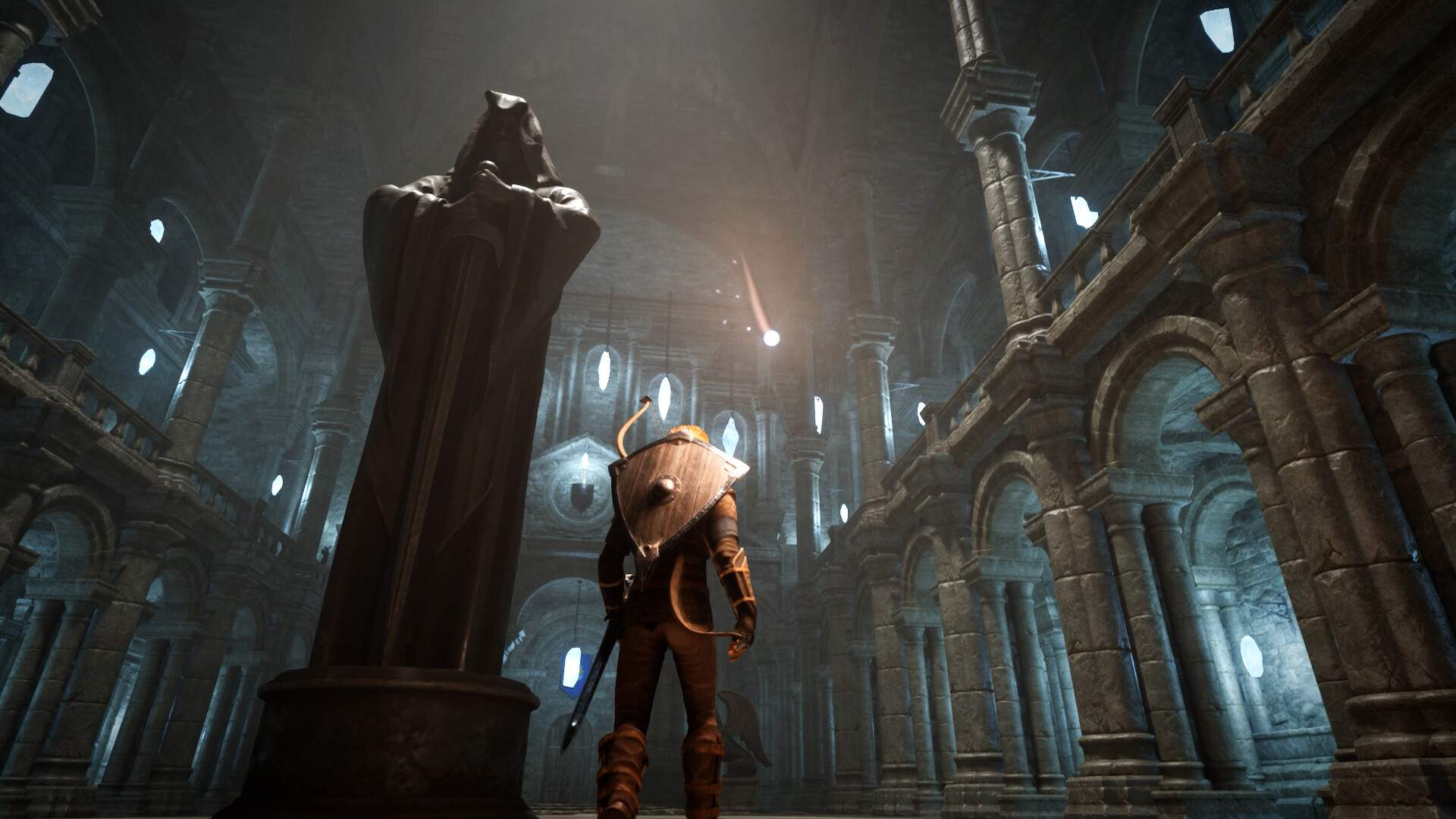
Sunken Realms is a third-person dungeon-crawling ARPG with rogue-lite structure, built by solo developer Brad Warren under the studio name Magic Puncher Games. It launched on Steam September 18, 2026 at $16.99 with a 10% launch discount, after six years of on-and-off development. You play Alric, a young man descending into Aedaria, the cursed underground city that swallowed his father years ago.
The game is now out, and the reception is a genuine "Very Positive" on Steam, which is rare territory for a solo project's launch month. The reviews also tell you exactly what you're getting into: a game with a loop so good that players are clearing it at 10, 15, even 26 hours, wrapped around launch-window bugs that the developer has been patching weekly. The v1.03 update cut dungeon load times from crash-prone marathons to an average of 7 seconds, and v1.04 increased enemy spawn rates across the board. If you played the demo or the shaky launch build, the current version is meaningfully better.
| Fact | Detail |
|---|---|
| Developer / Publisher | Magic Puncher Games (solo dev Brad Warren) |
| Genre | Third-person ARPG dungeon crawler, rogue-lite |
| Platform | Windows (Steam) |
| Release | September 18, 2026, $16.99 USD |
| Reception | Very Positive on Steam at launch |
| Structure | 6 dungeon sections, 109 handcrafted rooms, rearranged every run |
| Combat | Claymore, spear, bow, learnable spells, parry system |
| Camp systems | Weapon forging, cooking, potions, trading, Soul Forge upgrades |
| Death rule | Unbanked gold and items are lost on death |
| Audio | Original score by Matt Warren, dev-recorded voices |
| Playtime | Most players finish the story in 8–15 hours |
Who it's for: players who want a Hades-style camp loop with souls-lite melee pacing, fans of Gygax-era dungeon modules where you retreat, restock, and re-invade, and anyone who likes watching a solo dev ship weekly fixes.
Who it's not for: players who need polish on day one (though it's improving weekly), co-op fans, and anyone who wants an open world. This is one dungeon city, six sections, and a campfire.
Getting Started: Your First Descent
The first 30 minutes
- Talk to everyone at camp before your first descent. The campfire conversation system is where the story lives, and the tutorial integrates naturally into your first short run.
- Master the parry early. The parry is the combat system's spine. V1.04 added a specific reward: the Bone Golem is now stunned when you parry its attacks, and that design principle runs through the whole game. Parry timing beats armor stats.
- Do a short first run. Go one or two rooms deep, grab gold and materials, and return to camp voluntarily. The death rule punishes greed, and your first lesson should be learning to leave.
- Buy the spear early if you can. Between the claymore and the spear, the spear's reach and speed carries new players through crowded rooms far more safely. The claymore is better when you've learned enemy windups.
- Use the new Unstuck button if geometry eats you. Pause menu → Unstuck exists since v1.02. Falling through the floor was the launch version's most run-destroying bug; the button is your escape hatch.
- Rest at camp before quitting. Reviews identified that the game saves most reliably when you rest at camp before closing. This one habit prevents most lost-progress horror stories.
Beginner mistakes that cost runs
| Mistake | Why it hurts | Fix |
|---|---|---|
| Pushing one section too far | Death forfeits all unbanked gold and items | Return after every new room type or boss |
| Ignoring cooking | Food buffs are the cheapest survivability in the game | Cook before every descent, not after dying |
| Hoarding gold at the end of a run | The merchant's stock is limited per visit, not per game | Spend before you descend; gold in pocket is gold at risk |
| Fighting in doorways | Enemies clip through walls when knocked back; you fight better in open floors | Pull enemies to open ground |
| Skipping the map discipline | The map system doesn't show a live overlay and rooms rearrange | Navigate by section landmarks, not by memorized paths |
| Saving potions for the boss | Trash fights drain more health than bosses in later sections | Drink when you're at half health, not when you're desperate |
Core Mechanics Explained
The rearranged dungeon, and what v1.03 actually changed
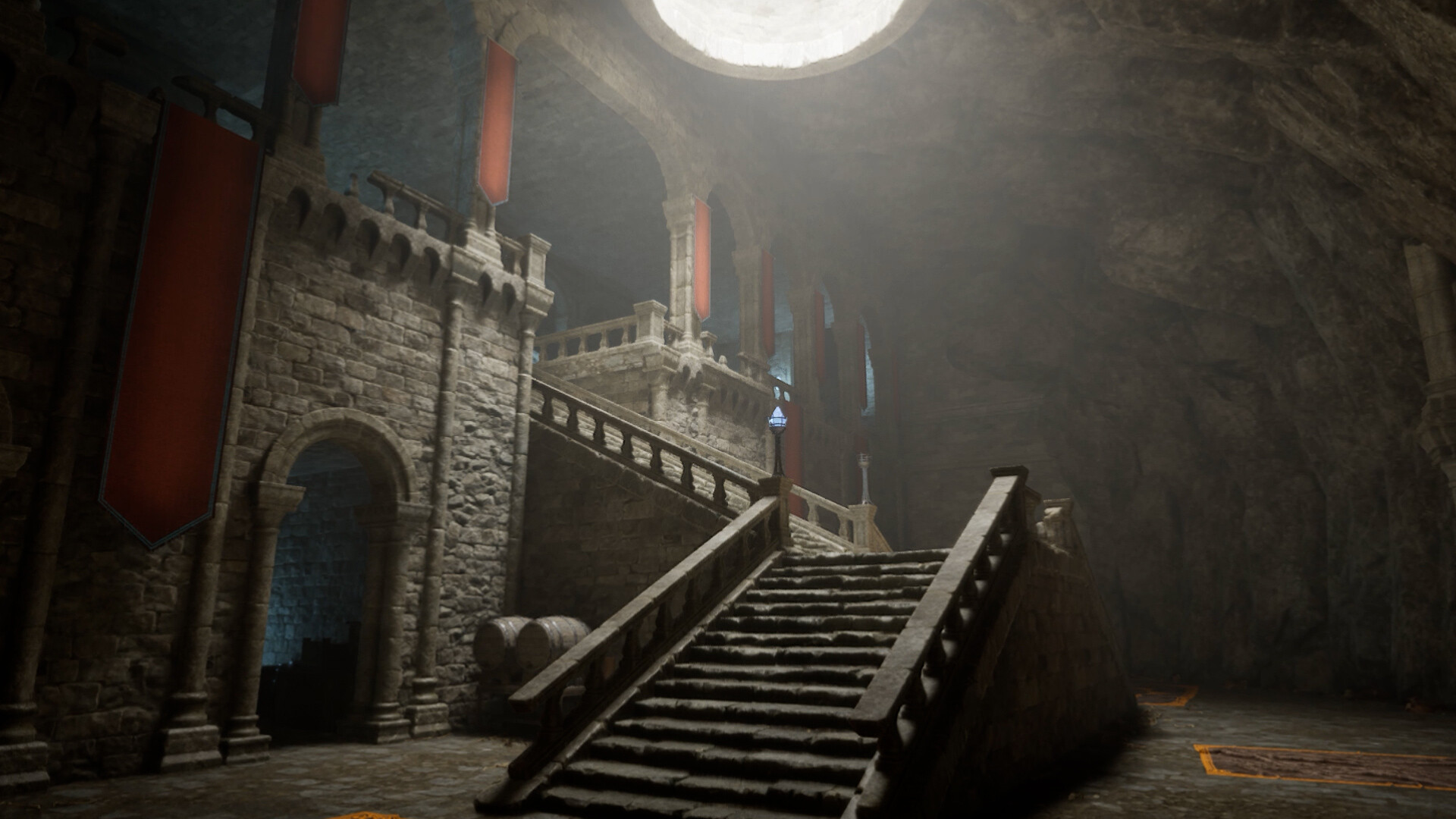
All 109 rooms are individually handcrafted across six sections, and the dungeon rearranges them each time you enter. The theory is the best of both worlds: handcrafted encounter design, procedural sequencing. In practice, launch load times pushed this system to its limit, which is why v1.03 matters so much: internal testing after the patch showed entries averaging 6.9 seconds, with the tradeoff that rooms can now occasionally repeat within a single descent. That's the right trade. Faster iteration means more runs, and more runs is what this genre lives on.
Death, and the banking economy
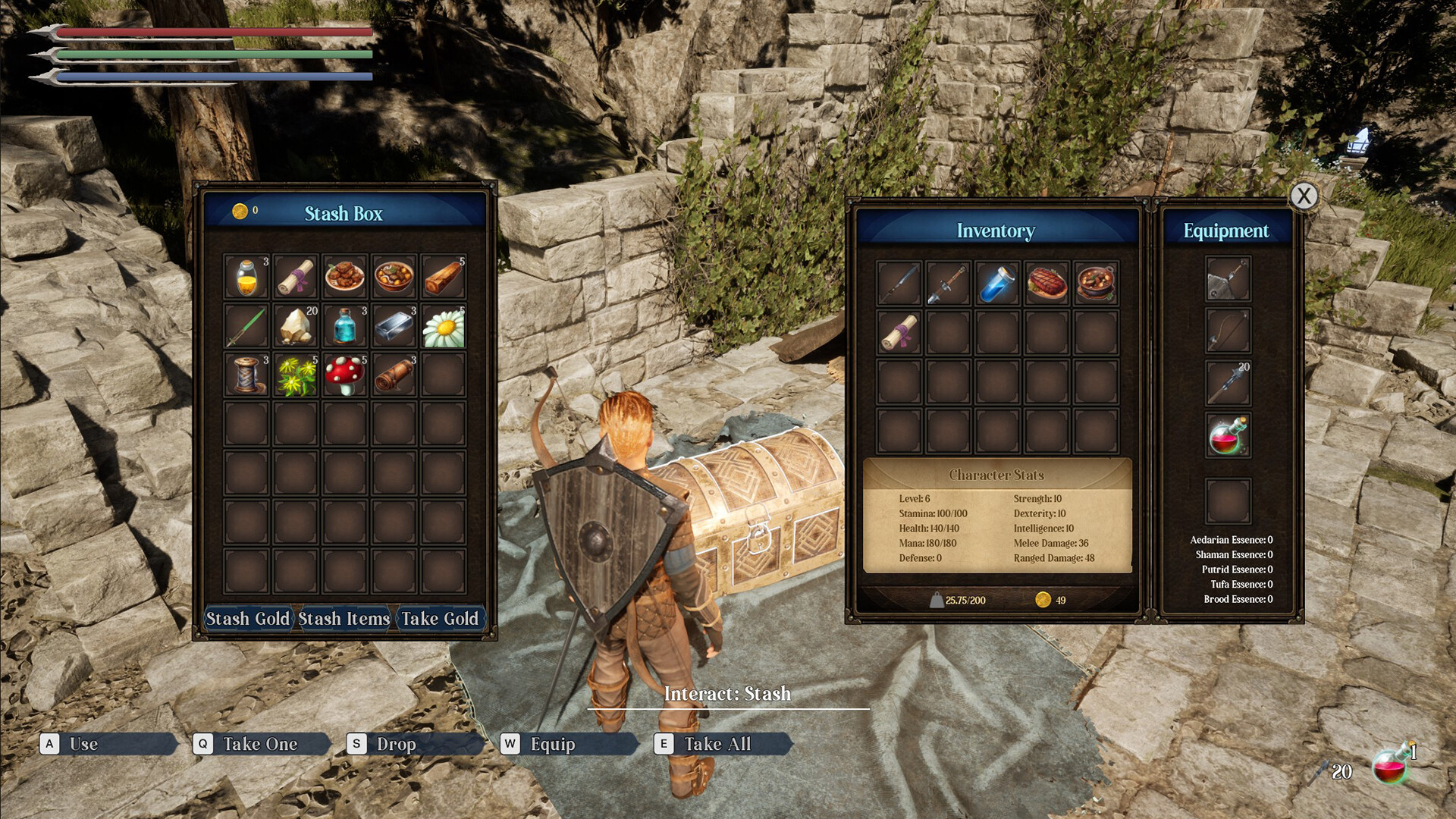
Here's the rule that shapes everything: die with unbanked gold or items in your inventory and they're gone. You keep your character progression, your Soul Forge levels, your crafted gear, and your stash. What you lose is the run's loose loot. This makes camp a strategic waypoint, not a chore. Players coming from Hades expect death to cost a run; here death costs the run's shopping trip, which is sharper. The stash exists (players wish it were bigger), so deposit valuables between sections if you're pushing deep.
Combat: the four tools
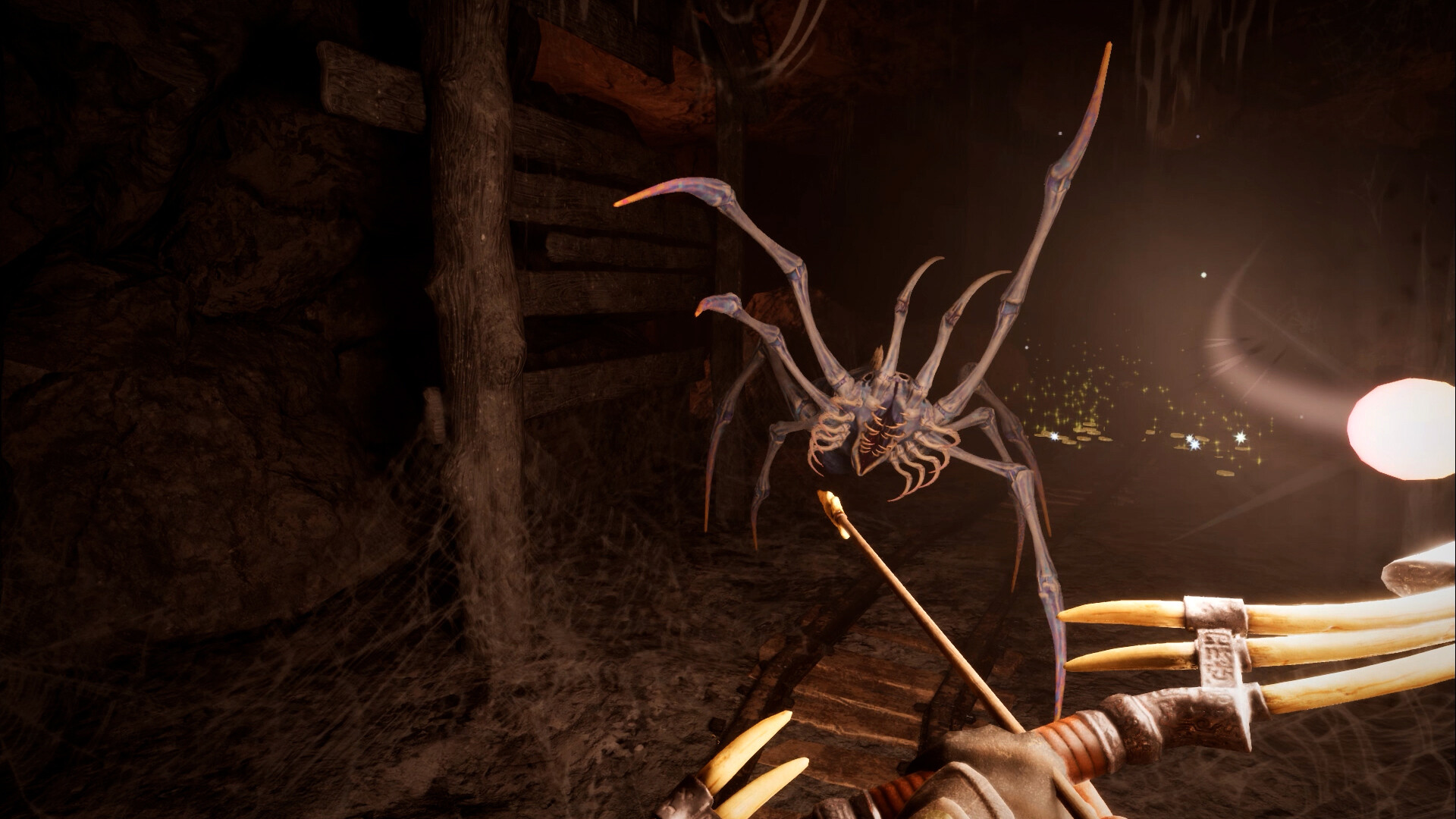
Melee is the backbone, and the two melee weapons play genuinely differently. The claymore trades speed for damage per swing and posture damage; the spear trades damage for range and speed, and is the safer tool against packs. The bow handles ranged enemies and lets you pull singles out of groups, which is worth more than raw bow damage. Spells are the third weapon class: you learn them in the dungeon, they cost mana, and mana potions have a known quirk where drinking from the inventory while enemies are near is risky since the game doesn't pause when your inventory is open.
The parry deserves its own paragraph. Well-timed parries stagger normal enemies, and post-v1.04 they stun Bone Golems outright. The attack animations were redone for claymore and spear in the final month of development, and the windups are readable once you've seen them a few times. Every enemy type in a section telegraphs similarly, which means learning six section rosters teaches you the whole game.
The camp loop
Camp is where runs turn into progress. Weapon forging converts materials into new gear tiers. Cooking produces food buffs that are your main survivability margin. Potion brewing covers health and mana. The merchant sells limited stock (players report wanting deeper inventory, like five flowers instead of one), so first-visit purchases matter. The Soul Forge is the permanent stat progression: spend there every time you return, focused on one weapon's stats rather than spreading. And the campfire story unfolds between two friends across the campaign, with facial animation that reviewers consistently flagged as better than the budget suggests. Warren recorded the voices himself, using AI only to modulate his own performances.
Difficulty tiers
Re-entering the dungeon lets you choose greater difficulty tiers with tougher fights and better loot. Once you've cleared the story, this is the game: tiered invasions of the same six sections with upgraded loadouts. The system rewards a specific rhythm covered in the strategies below.
Progression Strategy
The Two-Descent Plan
The single most effective pattern for the first half of the game:
Descent A (gather):  Lowest difficulty tier. Loot everything, kill nothing optional.
                     Return the moment your bags matter. Zero heroics.
Camp (spend):        Forge one weapon upgrade. Cook food. Brew potions.
                     Soul Forge dump into your main weapon's stats.
Descent B (push):    Same tier or one higher. Now your DPS matches the section's
                     HP bars. Push one new boss or section.
Players who alternate A and B descents progress twice as fast as players who grind one long run, because death in a long run costs more than the descent saved.
Soul Forge priorities
Spread builds feel weak at every checkpoint. Focus order for a first playthrough: damage stats for your chosen weapon, then stamina (dodge roll budget), then health. A claymore build wants damage and posture values; a spear build wants attack speed and stamina. By section four, a focused build out-damages a spread build by a visible margin, and the game's difficulty curve assumes that margin.
Weapon path
Spear until you know every section's enemy roster, then claymore for boss fights where single-target damage wins. The bow never becomes your main weapon but stays relevant forever as a pull tool. Craft the spear's upgrade tiers first; they're cheaper and the speed keeps you safe while you learn.
Spell discipline
Spells you don't practice are spells you don't have. Each new spell should be tested in two or three normal rooms before you take it into a boss. The strongest pattern is spell into melee punish: open with a stagger or zone spell, close while the enemy recovers. Save your highest-damage spell for crowded rooms, not bosses. A spell that hits three enemies at once out-values a spell that hits one boss for slightly more.
Step-by-Step Strategies
- The banking run. Enter at the lowest tier. Route through rooms you know, loot chests, kill only what blocks the path, and exit after 15 minutes or one new room type, whichever comes first. Sell, forge, cook, Soul Forge. This run type funds everything else in the game.
- The boss preparation sequence. Before any boss attempt: cook the best food available, fill both potion belts, deposit valuables in the stash, and confirm your weapon tier matches the section number. Enter the boss room at full health with the claymore equipped. If the first attempt reveals a mechanic you can't answer, leave without finishing, restock, and retry. The boss doesn't heal between your attempts; your potions do.
- The pack-breaker. When a room holds five or more enemies: retreat to the largest open floor in the room, use a bow pull to bring one or two enemies out of the group, and fight them at the edge of their return leash. Aoe spells exist for this exact moment; the crowd density that makes packs scary is what makes your splash damage valuable.
- The tier-climb ladder. After clearing the story, climb difficulty tiers one at a time. Tier N is farmable the moment your clear time at tier N-1 is under half your death-free average. Farming a tier you can clear confidently beats pushing a tier that kills you, because the death rule taxes failed runs harder than lower loot pays.
- The stuck-recovery protocol. Geometry bugs exist. If you clip into a wall: pause, Unstuck, and re-enter the room. If the game crashes on dungeon load, reload immediately; v1.03's faster loads mean the restart costs seconds now, not minutes. If a treasure chest screen glitches after a boss, you may need to force-quit; rest at camp immediately afterward to guarantee the save caught your progress.
- The story-completion sweep. Exhaust every campfire conversation after each run before descending again. The story beats unlock as you clear sections, and late-game conversations contain context that rewrites earlier scenes. It costs two minutes per run and it's the reason to finish the campaign.
Advanced Tips
- Spawn rates went up in v1.04. Veterans of the launch build will find rooms denser now. Pack-breaking strategy matters more than it did two weeks ago, and the bow pull is the safest way to thin a room before committing.
- The inventory doesn't pause the game. Drinking a mana potion through the inventory screen while enemies are active is a death wish. Bind potions to a hotkey, or drink from the pause-adjacent menus in a cleared room.
- Rest before every quit. The save system is the least polished subsystem. Resting at camp before closing the game is the difference between a saved 4,000-gold run and a review-board horror story.
- The map lies, landmarks don't. The map system lacks a live overlay and several players report it misrepresents room connections. Navigate by permanent landmarks inside sections: distinctive props, torch colors, room shapes. The six sections have distinct tilesets, and learning them is faster than trusting the map.
- Enemy knockback goes through walls. When you knock an enemy back near a wall, it can clip through and reset to full aggro from the other side. Fight in open floors, or position enemies with their backs to unclimbable geometry instead.
- The merchant's stock is per-visit. Consumables for sale don't refresh infinitely, so buying out useful stock when you see it is correct even if it drains gold. You can always farm more gold; the flower that brews your favorite potion has a supply cap.
- Ladder and mantle geometry is fragile. Most clip reports involve ladders and mantle-points. If a jump-mantle interaction feels off, walk around; v1.04 fixed the worst of it, but the geometry that remains is not worth trusting with an unbanked run.
- Controller support is functional now but keyboard is safer. Launch-month players reported controller issues in menus. If you're on controller and the menu misbehaves, keyboard navigation still works, and patches have been steadily improving support.
- The demo saves nothing into the full game. The Next Fest demo was a standalone build. Don't wait to finish it before buying; there's no carryover.
FAQ
How long is Sunken Realms?
Most players clear the story in 8–15 hours. The difficulty tiers and build variety stretch the tail out to 20+ for players who enjoy the loop itself. Reviews at 26 hours are from players farming tiers, not stuck.
Is it true you lose everything when you die?
Unbanked gold and carried items are forfeit on death. Character levels, Soul Forge upgrades, crafted gear, and your stash persist. This is the game's central tension and the reason the Two-Descent Plan exists.
What was fixed since launch?
v1.02 added the Unstuck button and fixed treasure-room locks. v1.03 cut dungeon load times to an average of 6.9 seconds (the tradeoff is occasional room repeats). v1.04 increased enemy spawn rates, sped up claymore and spear animations, fixed a mantle-clip bug, and made Bone Golems stunnable via parry. The patch cadence has been roughly weekly.
Is the AI controversy real?
Warren recorded all voice lines himself and used AI voice modulation to create distinct characters. There is no generated dialogue, art, or music. The score is by Matt Warren. Players who care about this distinction have documented it in detail.
Does it support controllers?
Yes, with full controller support listed. Launch-month reports flagged menu navigation issues on controller; keyboard remains the safer interface if you hit problems, and patches continue to improve it.
What are the system requirements?
Minimum is Windows 7 or newer on paper, but reviews mention Unreal Engine 5 crashes on older rigs. A mid-range system handles it comfortably post-v1.03.
Is there a map overlay?
There's a map, but no translucent live overlay, and several players report the map misrepresenting connections. Navigate by landmarks within sections instead. This is the most requested quality-of-life addition.
Is there co-op or New Game Plus?
No co-op. No formal NG+ is announced, but the tiered difficulty system re-entering sections at higher difficulty serves a similar role for gear progression.
Should I play the demo first?
The demo is still up (it was scheduled through September 21) and represents the same opening loop. Nothing transfers to the full game. If the loop hooks you in 20 minutes, buy it; the first three sections are the demo's ceiling and the game gets better from section four.
How does it compare to Hades or Dark Souls?
The camp loop and between-run storytelling are Hades-style. The melee pacing, parry discipline, and death-sting are souls-lite. The structure, retreat-restock-reinvade, is pure Gygax-era dungeon module. It's shallower than all three, and it knows it. The charm is the loop, not the depth.
Final Verdict
Sunken Realms is a focused dungeon crawler with one great idea, the rearranged handcrafted dungeon, and one great discipline, the banking economy, wrapped in a launch that was buggier than ideal and patched faster than most studios manage. At $16.99 with a Very Positive score, the value is real today and the trajectory is up. If you want a two-week dungeon romance with a story that earns its ending, buy it. If you need polish before commitment, wishlist it and check the patch notes in a month; the developer has earned that patience.
Last reviewed by Game How To Editorial. We play each game, verify mechanics against official sources and patch notes, and update guides when the game changes.
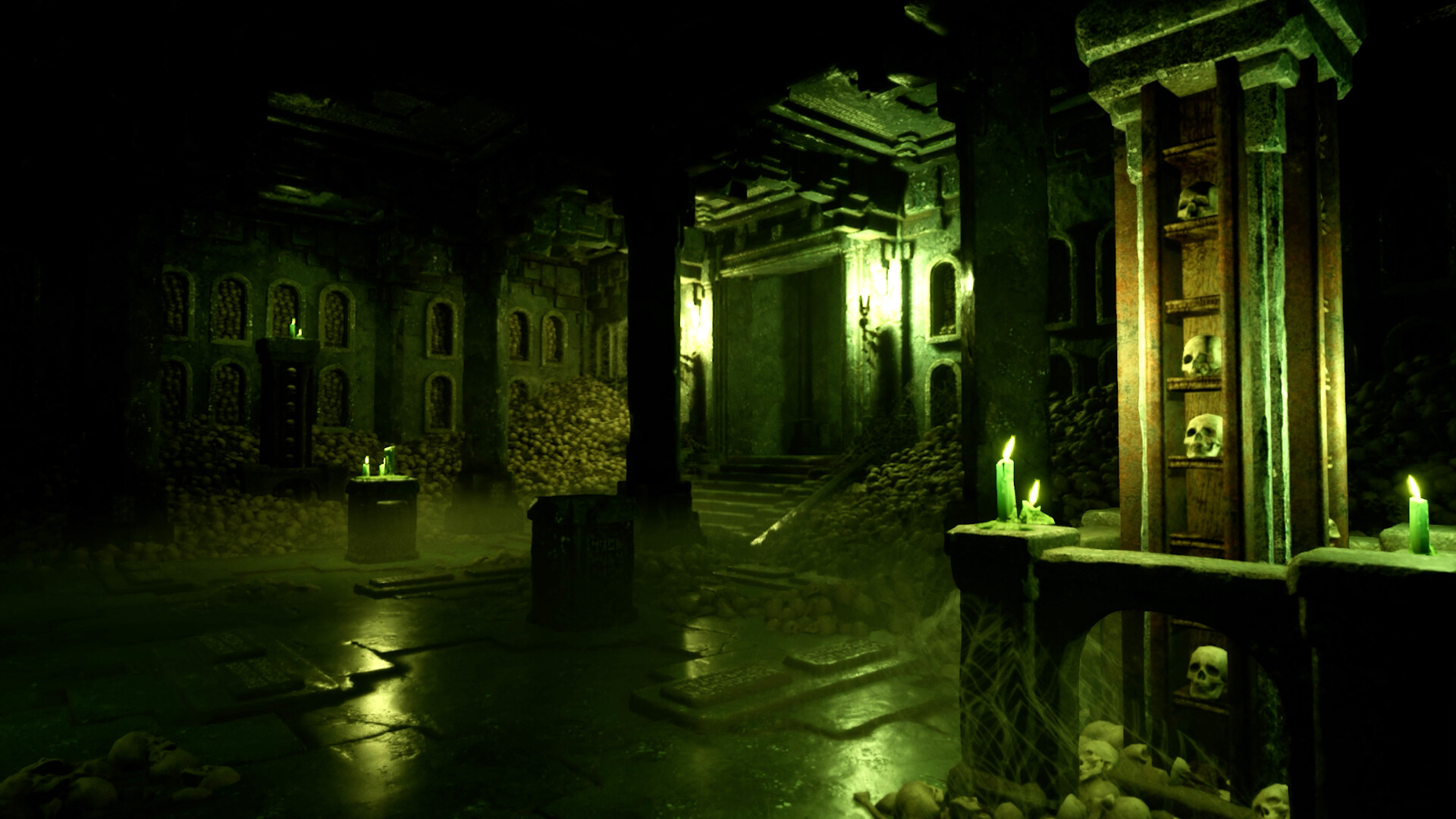
Screenshots