Official game
Play Lie of Caelum: Spirit
This game is hosted by Steam. Continue to the official page to play or download it.
Wishlist on SteamOverview
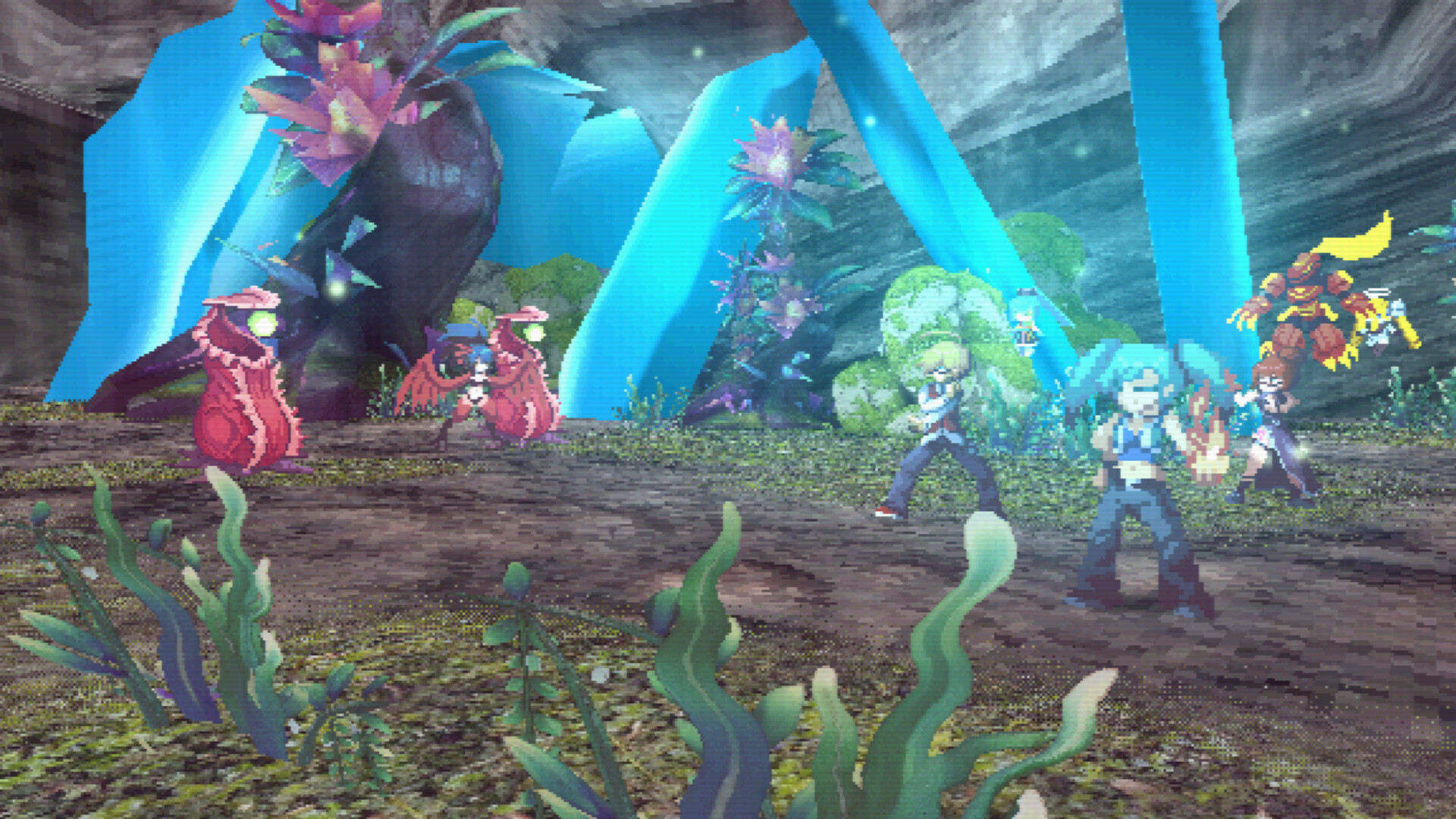
Lie of Caelum: Spirit is a turn-based JRPG from solo studio Classi5ed, built as a love letter to the PSX era and openly inspired by Xenogears and Phantasy Star. The team's own words about the first game apply here too: it was made in RPG Maker MZ, and the engine matters less than the ambition. This is a full-scale JRPG with conspiracy plotting, mech-adjacent transformation beats, a card minigame, a racing minigame, and a combat system engineered to kill the static menu feel of old-school turn-based fights.
It is the follow-up to Lie of Caelum (2022), a free sci-fi JRPG about Flow Energy and an institute called Kazuri. Spirit shares the world, not the systems. The story: a volatile squad of social opposites gets forced together to solve a world crisis, and the mission rots from the inside as they settle it. History does not add up. The records do not match. The tagline tells you everything about the tone: in Caelum, the truth is already dead.
| Field | Detail |
|---|---|
| Genre | Turn-based JRPG |
| Developer / Publisher | Classi5ed |
| Platform | Windows |
| Price | TBA (paid title) |
| Players | Single-player |
| Release | Unannounced; Kickstarter funded 200%+ in its first week |
| Engine | RPG Maker MZ |
| Combat | Kinetic turn-based with Input Combo System |
| Controls | Full controller, gamepad recommended |
| Languages | English, Japanese (English full audio) |
| Companions | Link Catalysts (sentient support robots) |
| Minigames | BURST TCG, Zero Frame Racing |
| Exploration | Platforming + light metroidvania |
Development news matters for your expectations. The Kickstarter launched in late August 2026 and blew past double its funding goal in under a week. A demo is confirmed and expanding: the Gamescom build circulates quietly, and the public demo will add the Zero Frame Racing minigame plus a challenging boss. Studio head Mr. Stark has said the demo's main hub anchors both minigames. None of this changes the combat math below, but it does mean the systems described here are playable right now rather than theoretical.
Who This Game Is For
This targets players who grew up on PS1 JRPGs and still chase that specific feeling: polygonal towns, turn-based fights with mechanical depth, and a story that never hands you the truth on a plate. The Xenogears DNA is not decorative. Veterans of the original noticed it immediately, with one 27-hour player calling it Xenogears in premise and gameplay with a battle-school anime coat of paint, and a 40-hour player comparing it to Xenosaga. If you wanted Xenogears' mech-and-philosophy energy in a modern indie package, this is aimed at you.
It also suits the RPG Maker-curious crowd who want to see what the engine can do when pushed. The developer has been public about the tooling, and part of the game's appeal is watching that ceiling get tested.
It is not for players who want action combat, open worlds, or a light story. The combat is menu-adjacent but input-timed, the world is contained, and the narrative is conspiracy-heavy. The original earned a Mostly Positive rating with real criticism aimed at pacing and writing stiffness; players who bounced off LoC1's flaws should expect improvement, not a different game.
Getting Started: First 30 Minutes
The opening hours set your combat habits. Build them deliberately.
-
Do not mash inputs. The Input Combo System rewards deliberate chains, not speed. Spend the first fights learning each character's combo rhythm, because the tutorial window is short and bosses expect mastery. LoC1 players learned this the hard way; mashing tripled fight times.
-
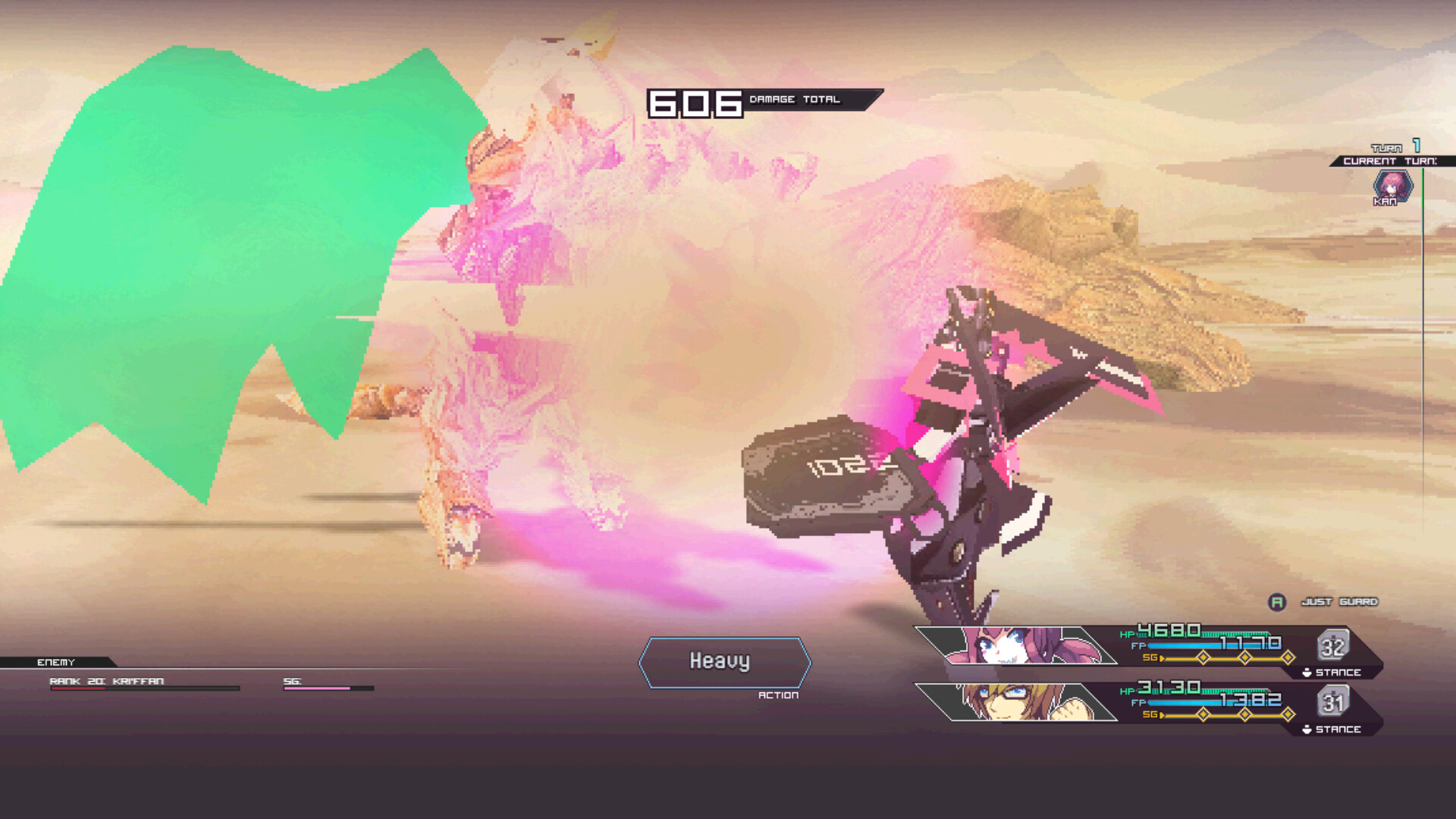
Watch for perfect-guard prompts. Surviving heavy hits depends on timed guards. The window is forgiving early and tightens later. Treat the first trash packs as guard practice, not just damage practice.
-
Read gear before equipping it. Playstyle-altering items exist from the start. A single piece can shift a character's role, so read descriptions the moment items drop instead of hoarding blind.
-
Talk to everyone in town segments. The world is "never meant to be questioned," which is exactly why you should question it. Side quests, minigames, and conspiracy cracks live in NPC dialogue. In LoC1 the side content carried some of the best world-building; Spirit's expanded universe promises more of the same.
-
Meet your Link Catalyst early. The floating robots fight alongside you, gather items on the map, and hold the keys to a transformation. Ignoring catalyst prompts costs you a second action economy.
-
Try both minigames when they appear. BURST TCG is a resource loop, not a distraction. Zero Frame Racing anchors the demo's hub and presumably the full game's. Both feed the campaign.
-
Save before story gates. The framing of irreversible mistakes plus full save control means manual saves before major decisions are free insurance.
Beginner Mistakes to Avoid
| Mistake | Why It Hurts | Fix |
|---|---|---|
| Mashing attack inputs | Combos fail on imprecise timing, wasting turns | Chain deliberate inputs; learn each character's rhythm |
| Ignoring perfect guards | Punishing blows land at full strength | Practice guard timing on trash packs before bosses |
| Selling "weird" gear | Role-altering items are the build system | Read every item; keep pieces that change roles |
| Skipping NPC dialogue | Side quests and lore live in static corners | Talk to everyone between story beats |
| Leaving the Catalyst idle | You lose combat support, item pickup, and transformation progress | Keep catalysts active in every loadout |
| Treating BURST TCG as filler | You miss a steady resource loop | Play the card game between story arcs |
| Grinding levels instead of building synergy | Bosses test role coverage, not stats | Build a squad covering guard, damage, and support |
Core Mechanics Deep Dive
Kinetic Turn-Based Combat
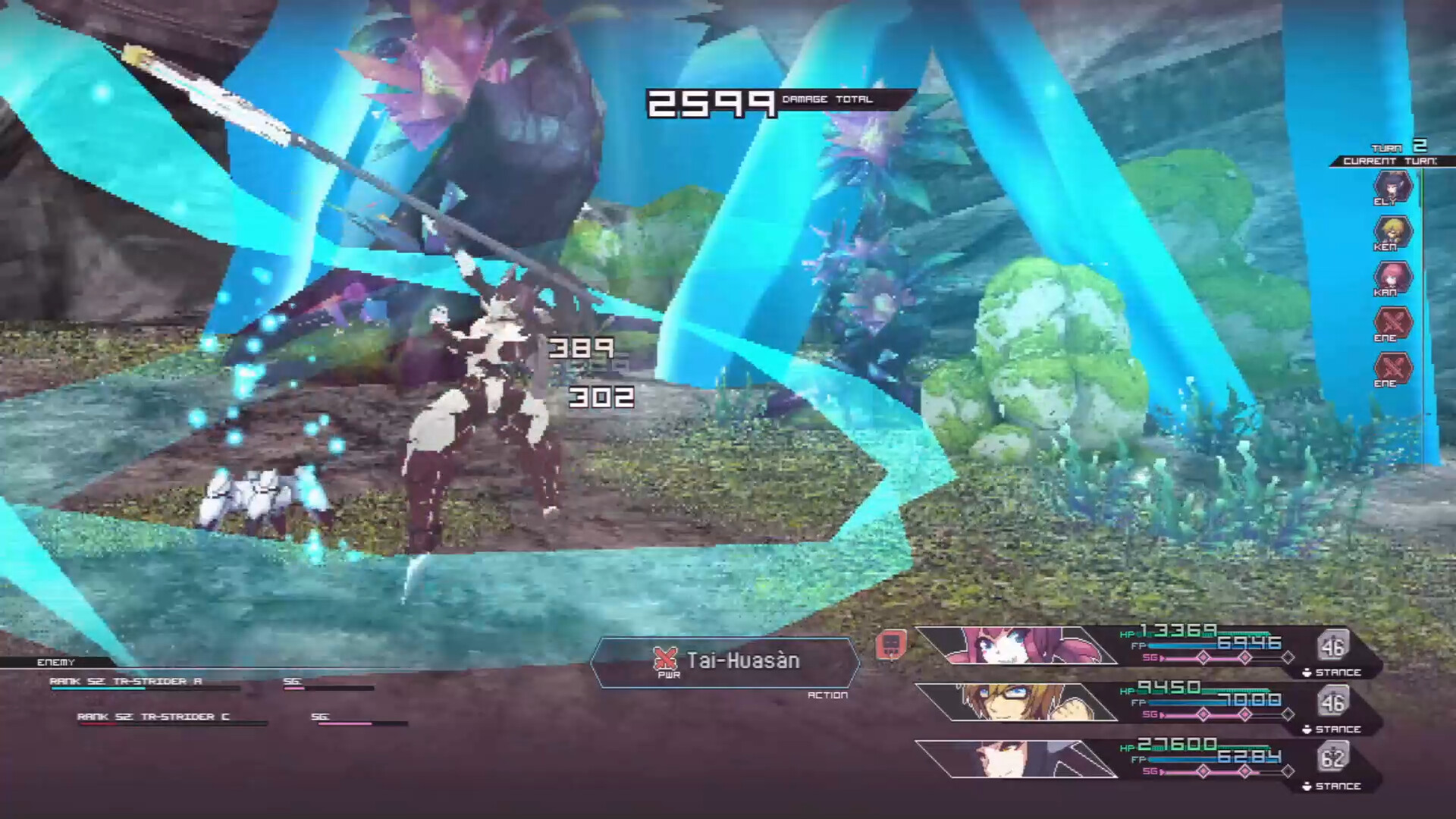
The headline system is the Input Combo System. Static menus are out. You chain specific inputs in sequence, timing decides power, correct timing forces criticals, and perfect guards decide whether heavy blows land. Every turn is a small execution check layered on top of tactical choice.
The rhythm lesson from LoC1 carries over: deliberate input beats fast input. Players who slowed their chains down until the timing locked in cleared fights three times faster than mashers. Speed is a byproduct of muscle memory, not a starting point.
Each character kit is an input philosophy. One character chains fast light inputs for combo momentum. Another leans on heavy, perfectly-timed strikes. A third is built around guard counters. The roster is a set of rhythms to learn, not a set of stat blocks to equip.
Role-Based Strategy
Boss fights demand role mastery, not grinding. The intended loop: identify the boss pattern, assign a guard specialist to absorb the punish, let the damage dealer chain combos during openings, keep support rotating buffs and heals. Treat every fight as attack-until-dead and the bosses will expose the gap.
Roles live in kits and gear rather than locked job trees. That flexibility is the strategic middle layer: the same squad can be re-speced between bosses by swapping equipment, which matters because the roster is small and every character will see fights.
Playstyle-Altering Gear
Equipment goes beyond stat sticks. Rare items fundamentally change character roles or reinforce playstyles, and this is the build engine. A fast striker becomes a tank with the right item, or pushes deeper into pure offense.
LoC1's version of this earned specific praise: items were loadout-locked before battle, which made every equipment choice strategic instead of a mid-fight healing-item spam. Spirit keeps the philosophy. When a rare drops, the question is not "is this better?" but "which role does this unlock or redefine?"
Link Catalysts
Link Catalysts are tiny sentient floating robots with three jobs: combat support, map utility (attacking enemies and gathering items during exploration), and transformation. The transformation is the mid-game power spike, keyed to catalyst investment, and it changes how fights play out rather than just inflating numbers.
Think of catalysts as your second action economy. Characters handle combo chains; catalysts layer support effects on top. Investing early unlocks the transformation while it can still flip your hardest fights. Late investment means paying for power you no longer need.
Secrets in the Static
Exploration mixes platforming with light metroidvania gating. Treasures and secrets hide in corners of a world that "was never meant to be questioned," and the expanded universe adds meaningful sidequests and subplots alongside BURST TCG and Zero Frame Racing. The exploration loop rewards interrogation: poke the walls, talk to the NPCs, play the minigames.
Progression Strategy
| Priority | Investment | Payoff |
|---|---|---|
| 1 | Master two characters' combo rhythms | Reliable damage without rare-gear dependence |
| 2 | Build a guard specialist early | Bosses stop being walls |
| 3 | Invest catalyst points from the start | Transformation arrives while it still matters |
| 4 | Farm BURST TCG between arcs | Currency and gear without killing story momentum |
| 5 | Re-roll roles with rare gear per boss | Squad flexibility for late-game checks |
Start with kit mastery over gear chasing. The input system is the consistent damage source; gear amplifies it. A player who chains two kits cleanly outperforms a player with rare gear and sloppy timing. Gear re-rolling becomes the priority once your execution holds under boss pressure.
Step-by-Step Strategy
1. The Read-Before-Combat Method
Before a boss, read its tells. Identify the heavy attack, assign the guard specialist to that lane, and hold offense until the opening. The rhythm is guard the punish, punish the opening. Fights fall apart when every turn is offense and the heavy blow lands on an unguarded rotation.
2. The Combo Economy Tactic
Chain inputs designed for the situation, not the biggest number. Fast chains build momentum against adds; heavy timed chains burst bosses. The iron rule: the combo you can execute under pressure beats the combo that whiffs on execution. Practice one backup chain per character for when your hands tighten.
3. The Catalyst Support Rotation
Keep a catalyst on the field whose support effect covers your squad's weakness. Fragile damage dealer means a shield catalyst. Self-healing boss means a debuff catalyst. Re-roll catalyst focus between zones, not within a fight, and feed every spare point into catalyst progression until the transformation unlocks.
4. The Gear Re-Role Discipline
When a rare item drops, evaluate role impact before equipping. Ask which character the item transforms and whether that transformation helps the next boss. The correct play is often shifting a role for one fight and shifting back. Keep a mental shelf: this item makes X a tank, this one makes Y a critical machine.
5. The Static-Mining Loop
Between story gates, clear side quests and play the minigames. The lore and resource rewards compound, and town sections are resource phases, not rest phases. The conspiracy beats hide in the world's corners; the resource loop hides in the card table.
6. The Transformation Timing
When the catalyst transformation becomes available, time the unlock for a major boss rather than a random encounter. The power spike is largest when it flips a fight you were stuck on. Wasting it on trash turns the spike down and costs you a resource layer in the fight that matters.
Advanced Tips
The Anti-Mash Discipline. Slow your inputs until the chain lands, then speed up only the sections you have internalized. Muscle memory beats reaction speed. This single habit is the difference between LoC1's haters and its finishers.
The Two-Kit Minimum. Be proficient with at least two characters: a guard-capable kit and a damage kit. Bosses that demand role synergy break a single-character main, and the small roster means your third character will eventually see required fights.
The Loadout Mindset. Equipment is loadout, not progression. Label role-changing items by function and swap per boss. Hoarding them unused is the most common late-game regret.
The Catalyst Debt Strategy. Invest catalysts early even when the payoff looks distant. The transformation is a mid-game spike; late investment misses its strongest window and forces you through the hardest checks without it.
The Static Auditor Routine. At each new town, audit NPC dialogue, side quests, and minigame vendors before advancing the plot. Story gates lock out some content. The game hides its best systems in the static, and the auditor finds them.
The Guard-First Boss Template. For any boss that one-shots your squishies: first attempt is 100% guard practice, zero damage ambition. Learn every tell. Second attempt adds punishes. Third attempt adds the damage rotation. Attempts one and two are not failures; they are data collection.
FAQ
When does Lie of Caelum: Spirit release? No date yet. The Kickstarter funded at double its goal within a week of its late-August 2026 launch, and the expanding demo is the best indicator of development pace.
What platforms is it on? Windows. No macOS or Linux builds are listed on Steam.
Is it a sequel to Lie of Caelum? It shares the world and conspiracy themes but runs on rebuilt combat systems. The 2022 original is free on Steam, and playing it first adds context for returning characters and Flow Energy lore.
Does it have controller support? Yes, full controller support with gamepad recommended. The input-combo combat works well on a pad; the original's keyboard-only prompts were a known friction point that Spirit addresses.
What languages are supported? English and Japanese, with English full audio.
What engine is it made in? RPG Maker MZ, publicly confirmed. The combat system is the argument that the engine's ceiling is higher than people think.
How much will it cost? Not announced. It is a paid title, unlike the free first game.
Is there a demo? Yes. A quiet Gamescom build circulated first; the public Steam demo is expanding to include Zero Frame Racing and a challenging boss.
What is BURST TCG? A collectible card game nested inside the JRPG, continuing the series' minigame tradition. It doubles as a resource loop for the main campaign.
Do I need to play the first game? No, but it helps. The first game is free, runs about 20-40 hours, and establishes Flow Energy, Kazuri, and the world's political factions. Spirit newcomers can start clean; returning players catch more references.
Is there difficulty selection? The first game shipped Astral (easier) and True (intended) modes that affected story, enemy behavior, and combat mechanics. Spirit has not detailed its options, but the series precedent points toward something similar.
Is the content graphic? The original drew an adults-only audience with dark themes and violence. Spirit continues the series' tone; parents should research before gifting.
Final Verdict
Lie of Caelum: Spirit is one of the more ambitious RPG Maker projects in the indie pipeline, and its funding speed proves an audience is hungry for exactly this: PSX-era JRPG structure with combat that respects your hands. The Input Combo System transforms turn-based fights into execution checks, the catalysts add a genuine second layer to battles, and the conspiracy story has a world worth interrogating.
Wishlist it if Xenogears nostalgia and timed-combat JRPGs sound like your lane. Try the demo first if the first game's pacing or writing put you off, since the sequel's budget and development pace suggest measurable growth. For JRPG faithful, this is a 2027 release worth tracking from demo day.
Last reviewed by Game How To Editorial. We track official sources and update guides when game mechanics change.
Screenshots