Official game
Play The Lantern of the Laughless Saint
This game is hosted by Steam. Continue to the official page to play or download it.
Wishlist on SteamOverview
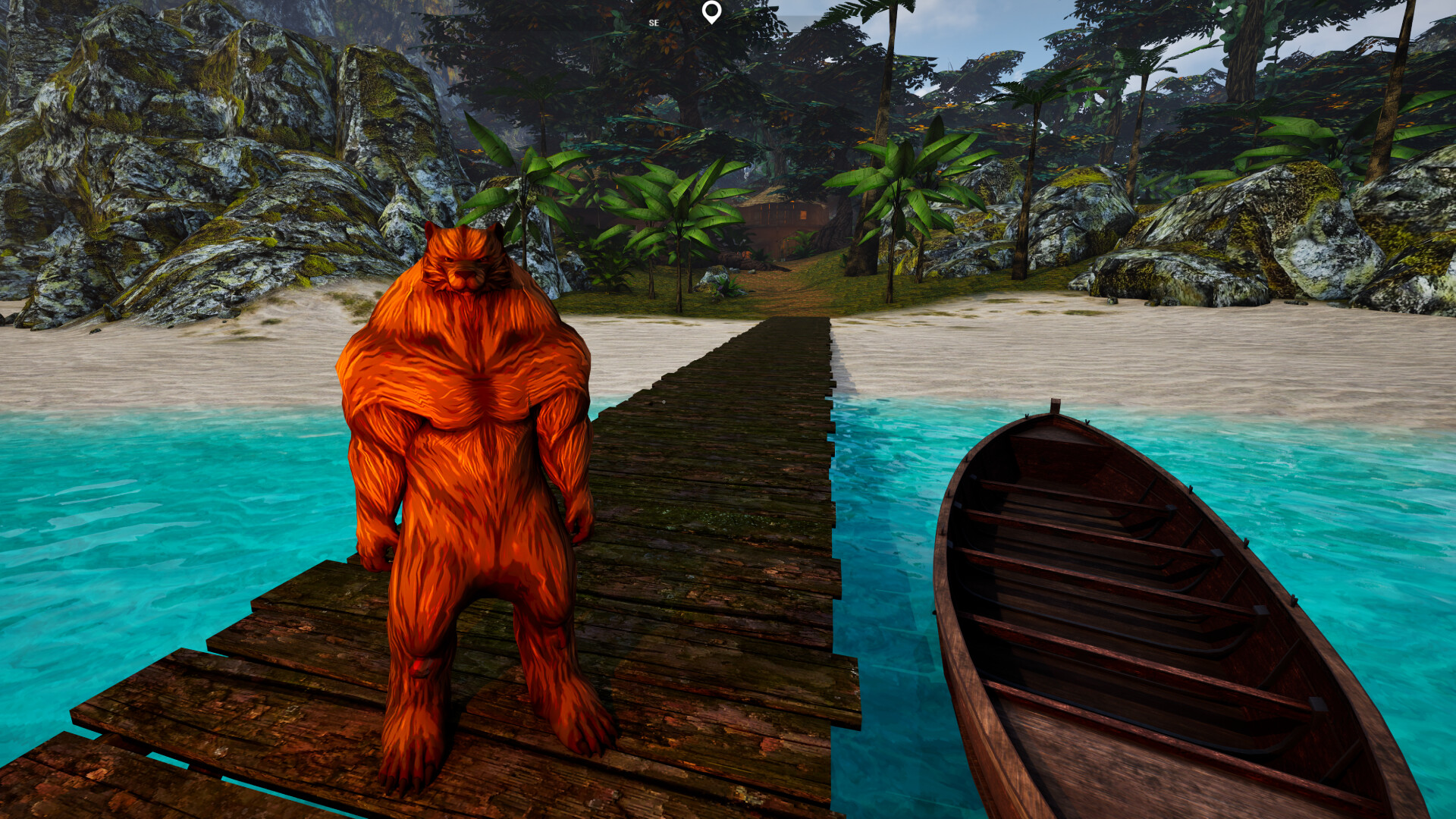
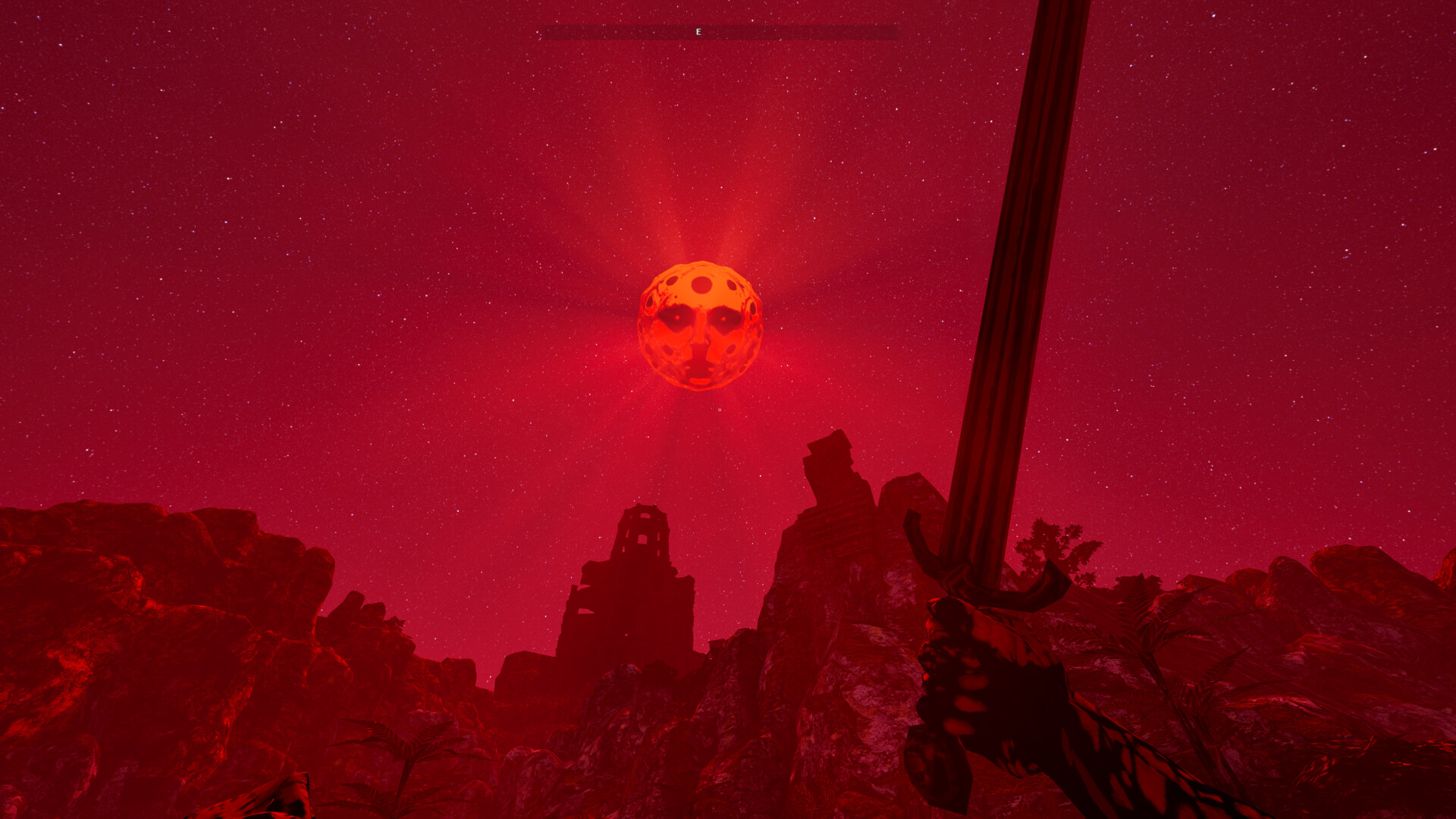
The Lantern of the Laughless Saint is an open world action RPG from NerveLabs, in Early Access since August 17, 2026 at €20.49. You play one of the madmen drawn to a remote island by a shared nightmare. Nobody remembers the journey. A silent Tower crowns the island, something glows beneath it, and an empty theater in the depths is waiting for an audience.
The comparison everyone reaches for is Morrowind, and it holds. There are no quest markers, no compass, no hand-holding. You learn the island by walking it, following rumors, and reading scraps of burned history. But the game also borrows Oblivion's perk ladders and Gothic II's no-nonsense attitude toward player freedom: you can walk into any danger the moment you spawn, and the island will not adjust for you.
It is fully playable in online co-op from start to finish, which almost no game in this genre attempts. Expect 30-40 hours for a thorough single playthrough. The combat is challenging and real, but exploration and choice carry the game.
| Field | Value |
|---|---|
| Genre | Open World Action RPG |
| Developer/Publisher | NerveLabs |
| Price | €20.49 (Early Access) |
| Players | Single-player + full online co-op |
| Release | August 17, 2026 (Early Access) |
| Length | 30-40 hours |
| Steam Rating | Very Positive (90% of 1,500+ reviews) |
| Engine | Unreal Engine 5 |
Who this is for: players who want to be lost in a world again, who read every book in Skyrim, who enjoyed figuring out Morrowind without a wiki. Who should skip it: players who need quest markers, tight performance out of Early Access, or a combat system on par with dedicated action games.
Getting Started: The First 30 Minutes
- Pick a race for its passive, not its looks. Character creation offers wide race and skin options, each with unique stat spreads, strengths, weaknesses, and its own lore angle on the island. There is no wrong pick, but a melee-focused race makes the first five hours noticeably gentler.
- Walk the shoreline before going inland. The island has no fast travel network at the start. A coastal loop gives you landmarks to navigate by, and landmarks are how this game saves you time.
- Talk to everyone, twice. NPCs repeat dialogue after major events. A giant toad learning to read, an ancient skeleton who wants to swim — these are real leads, not jokes. The game's best quests hide behind claims that sound like nonsense.
- Loot bodies and containers as you go. The Update 18 quickloot (hover and transfer) makes this painless now. Early gold funds your first weapon upgrades, and a better weapon matters more than any level in this game.
- Save often, on separate slots. Update 18 lets you rename saves and groups them by character. Use it. Co-op sync issues and Early Access bugs make a recent manual save the difference between losing ten minutes and losing an evening.
- Decide who leads before co-op choices. Quest progress stays with the host; consequences are shared. Two players making conflicting story choices creates genuine headaches.
Beginner Mistakes to Avoid
| Mistake | Why It Hurts | Fix |
|---|---|---|
| Beelining the main quest | It hits a collection grind mid-way that drains momentum | Mix in side stories; they fill the Amphitheater and level you |
| Ignoring your stamina bar | Low stamina wrecks attack timing and traversal | Upgrade stamina early; watch for the low-stamina tutorial hint |
| Fighting everything at spawn | The island does not scale to you | Retreat from red flags; come back stronger |
| Sprinting past lore scraps | Burned history explains the Saint, the Tower, the ending | Read them; several quests are unsolvable without context |
| Playing co-op on Wi-Fi | Sync issues are the game's roughest edge | Wired connection, and the host should have the best rig |
| Maxing Lumen settings on midrange hardware | UE5 dynamic lighting tanks the framerate | See the Performance section below |
Core Mechanics Explained
Skill-by-Use Progression
Skills improve by doing, Morrowind-style. Swim to raise swimming, sneak to raise sneaking, swing to raise your weapon skill. The twist: skills feed your core stats. Health and stamina grow out of the skill system rather than a separate level-up menu, so how you play literally shapes what your body becomes. A character who sprints, jumps, and climbs everywhere develops very different base stats from one who sneaks and casts.
The Perk System
Update 15 overhauled perks: over 60 new perks plus 30+ reworks, and every skill now has a full perk ladder running from early to late game. The perk menu tabs show owned perks, unowned perks, and remaining points. Perks are where builds come from; skill points from use only unlock the gates.
Notable branches players lean on:
- Traversal perks — improved jumping, sprint while sneaking (Update 15+), swimming upgrades. Traversal is combat in this game; verticality wins fights.
- Weapon ladders — each weapon family has early perks that fix stamina cost and late perks that add commitment-heavy heavy attacks.
- Magic perks — reduce cast cost and expand what you can craft into spells.
Magic, Crafting, and the Hotbar
Magic is learned, crafted, and equipped like a weapon. Update 17 added the modern control scheme: press R (keyboard) or B (gamepad) to toggle between your equipped weapon and a spell, with number keys 1-8 as hotkeys on PC. This one change transformed the combat loop — a common loadout is a melee weapon for fodder and a crafted spell for big targets. Levitation spells exist, and they break the intended route into the Tower in the best way. Experiment early; the game rewards it.
Combat Fundamentals
Combat is deliberate and punishing rather than flashy. Enemies commit to real windups, and after Update 17's rebalance they are much more accurate, so dodge timing matters. Limited invincibility frames mean rolling through an attack needs genuine positioning, not panic. Stamina governs everything: attacking, blocking, dodging, climbing. The single biggest combat skill is knowing when to disengage.
Two combat truths veterans learn fast:
- Height is armor. Enemies struggle with verticality. Attacking from a ledge, a rooftop, or mid-parkour route trivializes groups that would shred you on flat ground.
- Potions are a build, not a backup. Alchemy is strong. Fortify Acrobatics before a big climb or a tower descent; the game's physics are honest about fall damage, in both hilarious and lethal ways.
The Amphitheater
The signature system. Beneath the Tower waits a theater with an empty stage. As you resolve the islanders' stories — repairing or ruining their lives — the phantoms they leave behind take seats in the audience. The fuller the House, the more the island listens, and the grander the applause for your final act. Your ending is literally performed for the phantoms you created. Every quest's resolution (mercy, violence, compromise, deceit) seats someone different.
Full Co-op With Persistent Characters
The entire game is co-op. Since Update 16, guests bring their own single-player character into a friend's world — appearance, equipment, gold, skills, and perks travel with you, and progress saves back to your own slot every 30 seconds. Quests and quest items stay with the host. Before Update 16 this was the community's biggest request; it works now, though sync hiccups under heavy action remain the game's most reported rough edge.
Progression Strategy
The First Ten Hours
- Shoreline loop, NPC sweep, collect every rumor.
- Do the starting settlement's quests fully — they teach the Amphitheater system with low stakes.
- Buy or craft one solid weapon upgrade before touching anything dangerous inland.
- Raise stamina through movement skills; take traversal perks first. Mobility beats raw damage for the entire first act.
- Find at least one Tower shortcut before following the main quest inland.
Mid Game: The 25 Spirits Grind
The main quest eventually asks you to gather 25 spirits, and this is where most players stall. The review consensus is blunt: the collection stretch is tedious. Two strategies blunt it:
- Overlap it with the Amphitheater. Nearly every spirit-relevant location sits near an NPC story. Never travel for a spirit without also carrying an open rumor — one trip, two objectives.
- Do it co-op. The grind halves in feel when someone is talking to you. Split the island geographically.
What to Unlock First
Priority order that consistently works:
- Traversal perks (sprint-jump, sneak-sprint, swim)
- One weapon ladder to tier two
- A crafted damage spell + the weapon/spell toggle
- Alchemy perks (potions carry the hard fights)
- Carry weight, then everything else
Builds
Three reliable archetypes, all viable into the late game:
| Build | Core Skills | Key Perks | Playstyle |
|---|---|---|---|
| Rat (stealth) | Sneaking, Lockpicking, Alchemy | Sprint-while-sneak, sneak attack chain | Avoid fights, backstab elites, potion economy |
| Sky Wolf (mobility) | Acrobatics, Athletics, one weapon | Jump chain, low-fall-damage, stamina regen | Vertical attacks, parkour escapes, tower descents |
| Stormcaller (magic) | Casting, Crafting, one fallback weapon | Cast cost reduction, spell-toggle synergy | Nuke packs, levitation route-breaking, keep a sword for when mana runs dry |
The Rat is the safest first run — the island's danger is mostly optional, and stealth lets you opt out while you learn enemy placements. The Sky Wolf is the most fun and the most on-theme with the parkour design.
Step-by-Step Strategies
- The Rumor Queue. Keep three active rumors at all times. When you finish one, replace it immediately. Wandering without a rumor wastes the game's core resource: your own curiosity. Treat every absurd claim (the toad, the swimming skeleton) as a quest marker your character writes in their own head.
- The Shortcut Campaign. Before pushing the main quest each session, spend 30 minutes hunting Tower approaches. Edges, cliffs, cave systems, and vertical paths frequently open alternate entrances. Every shortcut found early converts hours of later backtracking into a short walk.
- The Two-Pass Loot Sweep. On entering any new ruin: pass one, fight and survive; pass two, loot everything with quickloot, read every scrap. Mixing combat and inventory management is how players die in this game. Separate the activities.
- The Audience Portfolio. Deliberately vary your quest resolutions — mercy once, brutality once, a swindle, a sacrifice. A balanced House unlocks the richest final performance. A run of pure kindness leaves the stage half-empty.
- The Co-op Split Party. In two-player sessions, split up deliberately: one raids the tower for artifacts while the other clears the nearby cave. Report findings by voice. The island rewards map knowledge, and two mental maps beat one. Just sync up before any story choice — shared consequences mean shared regret.
- The Pre-Tower Checklist. Before your final descent: two full potion belts (health plus stamina), your best weapon at top tier, a damage spell hotkeyed, levitation available, and every shortcut mapped. The depths do not forgive an underprepared inventory.
Advanced Tips
- Turn shadows down or off in dense forest. Several players report the visibility gain beats any graphical setting. The low-poly style hides nothing important at medium.
- If framerate tanks, blame Lumen, not your PC. The game runs UE5's dynamic GI and Nanite on scenes that don't need them. Dropping global illumination and VSM settings recovers most performance.
- Waiting now advances timed effects in in-game hours (Update 18 change from real time). Use rest to burn potion effects or quest timers safely.
- Assists grant Fame. After a brief patch that mistakenly credited only killing blows, takedown Fame is back to shared credit. Let your whole roster finish fights.
- Vendors restock daily and purge crafted potions to keep inventories sane (Update 14). Check back each in-game day; craft-sold potions vanish, so sell rare potions fast.
- You can kill anyone. The game lets you, the world absorbs it, and phantoms seat themselves accordingly. Save first if you're attached to a merchant.
- Fortify Acrobatics + high places = the game's best content. Players have launched themselves 5,000 feet. The fall damage is real. The stories are worth it.
- Early Access patch cadence is fast — 18 updates by late October, including a Fishing update teased as the first major content drop. Rare bugs may already be fixed; verify before tolerating one.
FAQ / Common Mistakes
Is it just Morrowind again? It's Morrowind's no-compass exploration plus Oblivion-style perk ladders, on UE5, with full co-op. The Amphitheater system is unlike anything in Elder Scrolls.
Is the co-op stable? Good enough to finish the game together, with occasional sync hiccups during heavy action. Update 16's persistent guest characters fixed the biggest complaint. Wired connections and a capable host machine smooth most of it.
How hard is combat? Challenging. Enemies have real reach and accuracy after Update 17, i-frames are limited, and stamina management decides most fights. It's a step above Skyrim, well below a soulslike.
Is it worth buying in Early Access? If exploration drives you: yes, there are 30-40 hours here already and updates land weekly. If you need polished performance and a complete main quest arc: wait. The 25-spirit stretch especially reads as placeholder pacing.
Performance on midrange PCs? Rough at default settings. Drop Lumen/global illumination first, shadows second. The art style survives aggressive cuts.
Can I keep my character between updates? Yes. Saves are grouped by character name and survive patches, though Early Access always carries some save risk — keep manual backups.
Biggest single mistake new players make? Rushing the main quest. The island's side stories are the actual game: they level you, fill the Amphitheater, and explain the ending. The main path alone is a chore chart.
Guide covers the game as of Update 18 (October 2026). We play each game and update guides when patches change mechanics.
Screenshots