Official game
Play Hell Is Other People: Prologue
This game is hosted by Steam. Continue to the official page to play or download it.
Play on SteamWhat Is Hell Is Other People: Prologue?
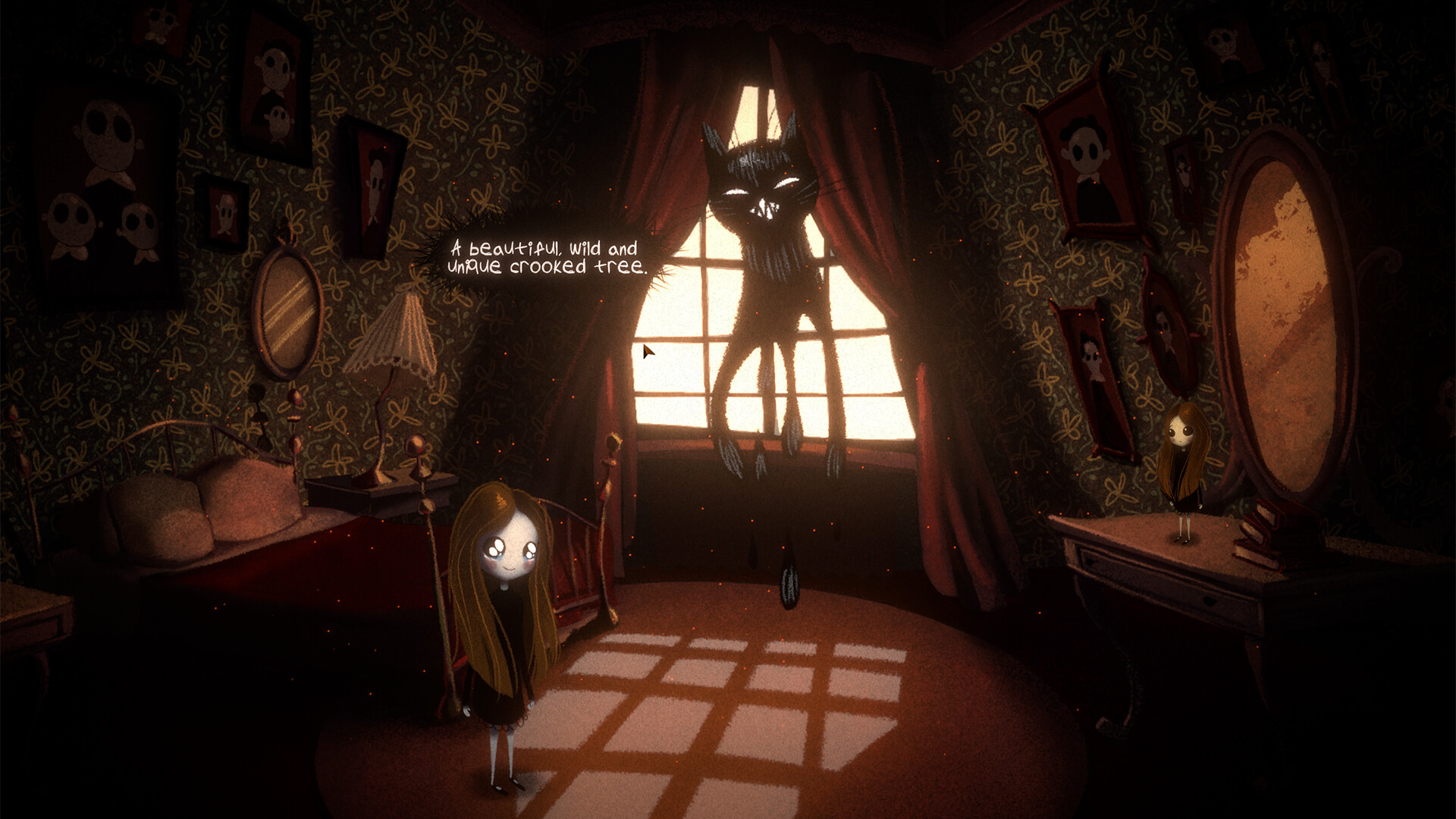
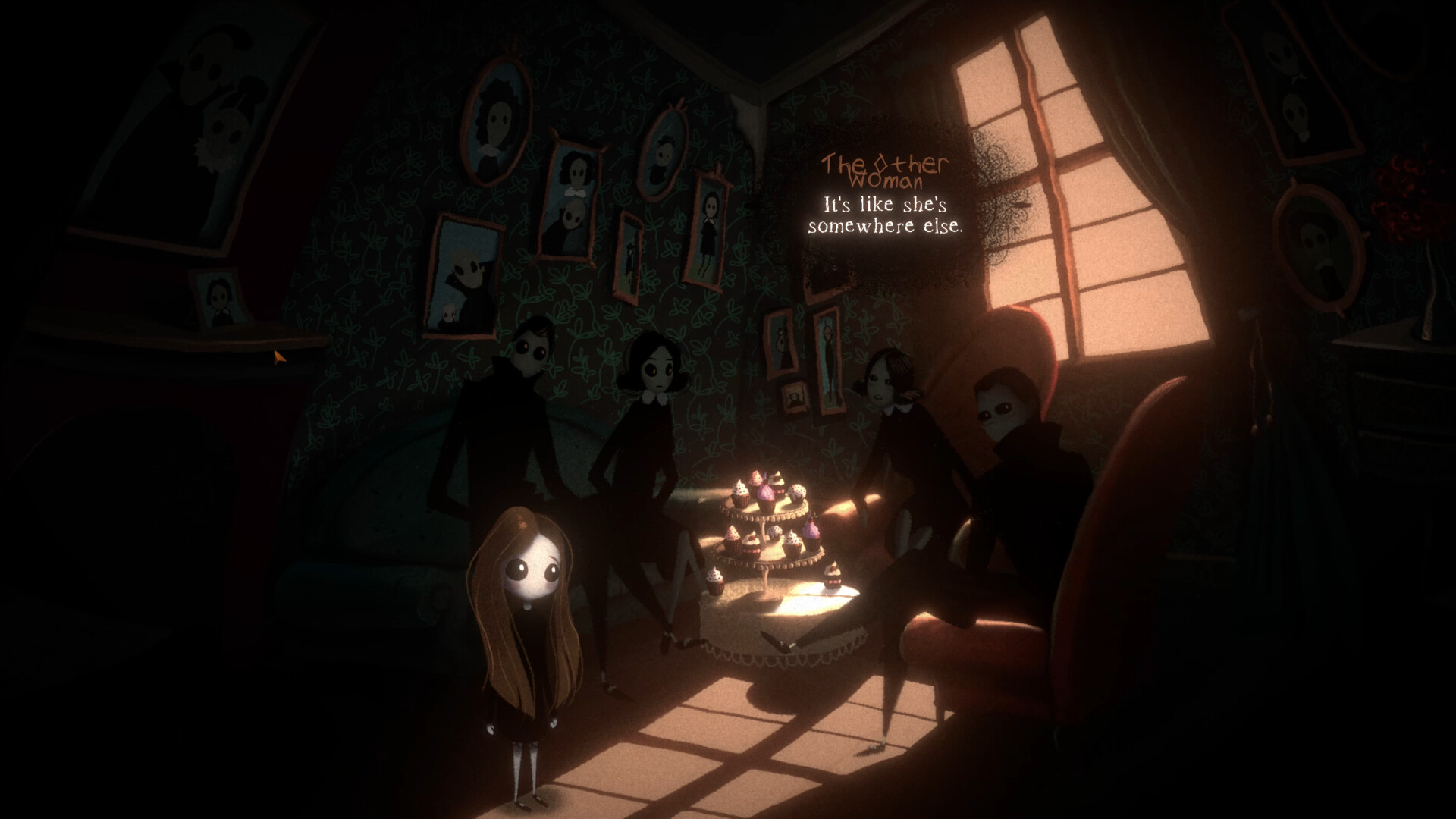
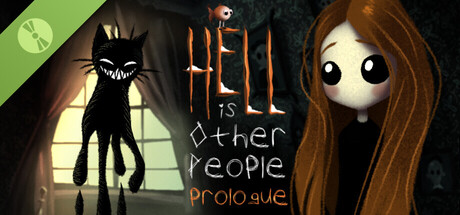
Hell Is Other People: Prologue is a free, standalone first chapter of Hell Is Other People, a psychological horror game about social anxiety by solo developer Miss Self Destruct. You play a young girl learning how to be human while the boundary between the real world and her own mind breaks apart. The title riffs on Sartre's line "Hell is other people," and the horror here is not monsters in corridors: it is conversations, perception, and the voice in your head that will not shut up.
The Steam page tags it Psychological Horror, Story Rich, Dark Fantasy, and Free to Play. Aesthetically it aims for "cute & disturbing": soft, storybook visuals wrapped around dread. Mechanically it replaces the usual item-based adventure inventory with something stranger. Your mind is your inventory. You collect ideas and Social Skills instead of keys and rope, and what you carry changes which interactions are available.
The prologue ships with Chapter 1 of the story, the core perception mechanics, and a promise that matters for series players: your choices and save data carry over into the full game when it launches. The full Hell Is Other People is listed separately on Steam ahead of release.
The developer has been posting the project publicly, with communities on Discord, Bluesky, Instagram, TikTok, and X (@MissSelfDstrct), plus a YouTube channel (@miss-self-destruct). The prologue's demo release announcement went up September 4, 2026, and unlocks September 18, 2026.
Hell Is Other People: Prologue Details
| Detail | Info |
|---|---|
| Genre | Psychological horror adventure, story-rich |
| Developer / Publisher | Miss Self Destruct (solo studio) |
| Platform | Windows (mac and Linux files also listed) |
| Price | Free |
| Players | Single-player |
| Release | September 18, 2026 (about 9 days from this guide's update) |
| Length | One chapter (prologue scope) |
| Languages | English (interface + subtitles) |
| Steam features | Game demo listing, Single-player |
| Content note | Themes of anxiety, isolation, and mental health struggles (developer-flagged) |
Minimum specs are friendly to almost any machine: Windows 10, 2.5 GHz dual-core i3-class CPU, 4 GB RAM, and Intel HD Graphics 3000, with 500 MB of storage. Recommended is the same CPU with 8 GB RAM and a GTX 1050. This runs on laptops and office machines without breaking a sweat.
How to Play Hell Is Other People: Prologue
There is no combat and no fail state in the traditional sense. The prologue plays as an exploration-and-dialogue adventure where your three internal meters are the real enemy. Here is the loop, based on what the Steam page documents.
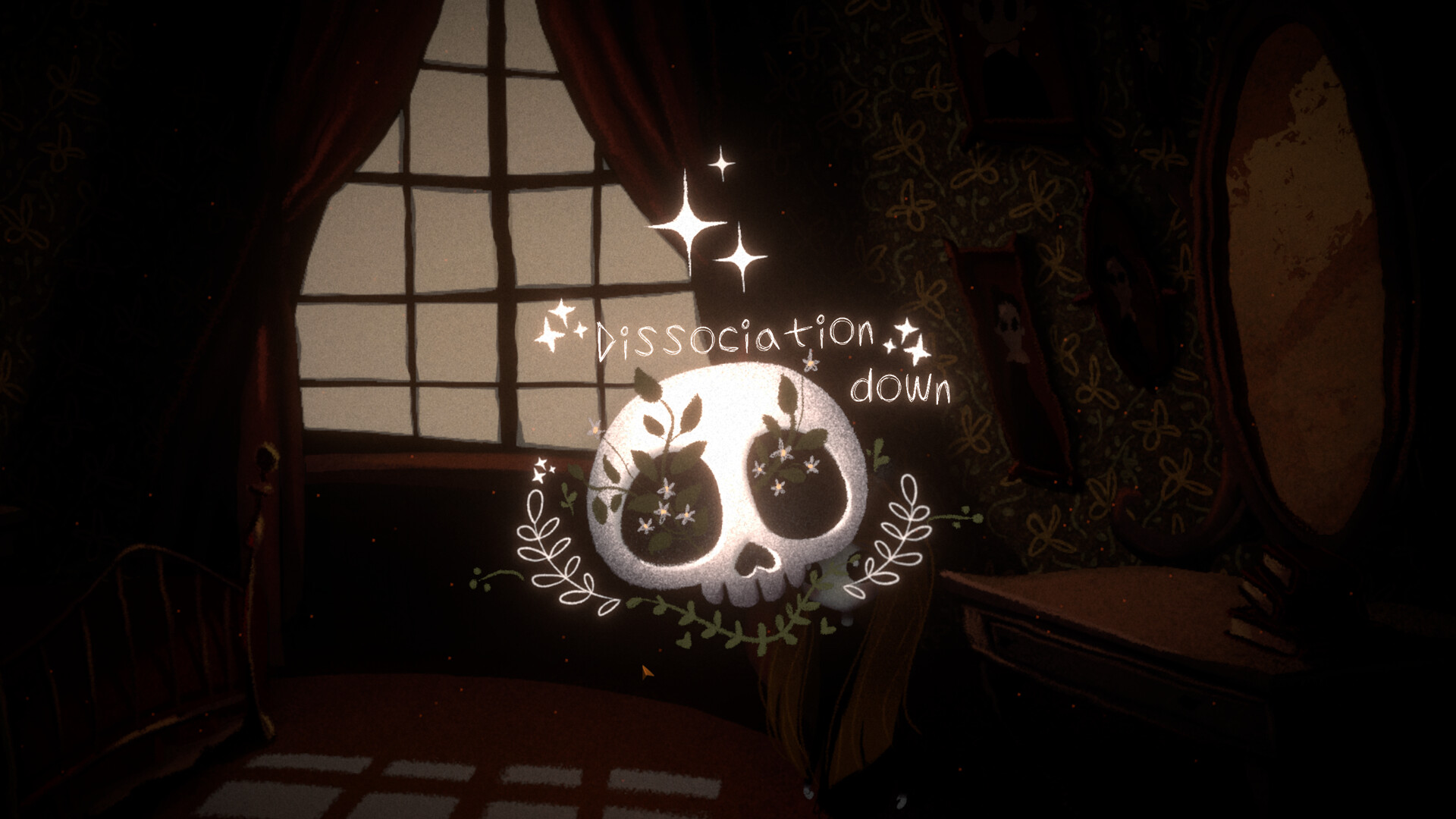
Manage the three meters: Overwhelm, Paranoia, and Dissociation. These are the game's stress stats, and the page is explicit that balancing them is "the core gameplay loop." Each one alters your perception differently. High Overwhelm crowds scenes with noise and distraction. High Paranoia changes how characters and objects read to you, and possibly what options you are shown. High Dissociation pulls the world away from you. The horror is tuned by your own state, which means managing the meters is also managing the game's difficulty and its tone.
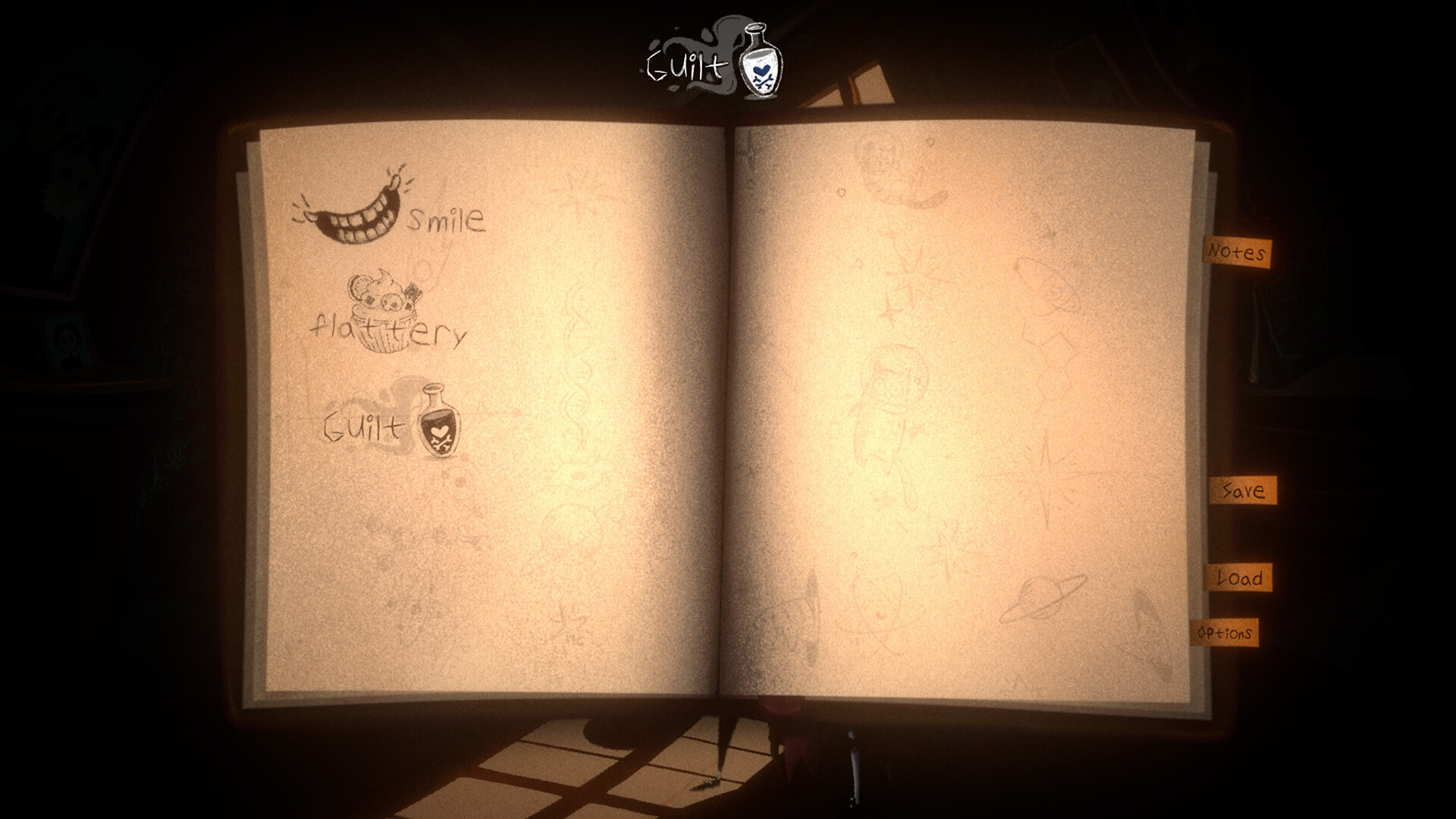
Collect Social Skills instead of items. The "Your Mind is your Inventory" mechanic replaces physical objects with ideas. You gather concepts and coping tools, then spend them in conversations and encounters. A Social Skill might unlock a dialogue path or let you reframe a scene. Since your inventory is mental, the question is never "what do I have" but "what do I know how to handle."
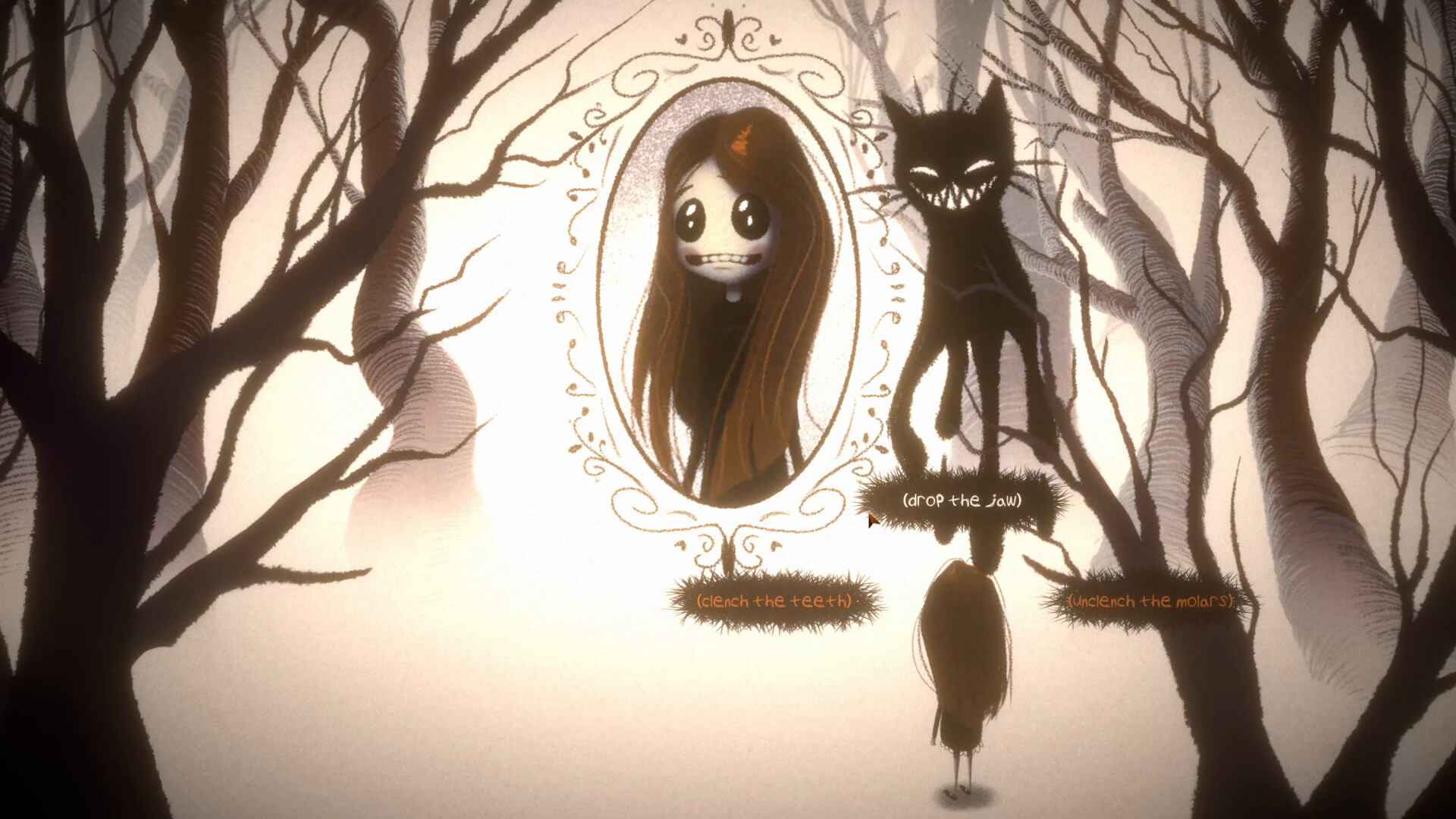
Confront the Alter-Ego. The prologue introduces an unreliable voice inside your head, your Alter-Ego, and the interactions with it are the story's spine. It comments, undermines, and occasionally helps. Dialogue with the Alter-Ego is where the game's choices concentrate, and the developer's trailer frames it as the nightmare's face.
Let choices accumulate. The prologue ends by carrying your save into the full game. Choices you make in Chapter 1 are not just credits-scene flavor: they transfer. If you plan to play the full release, treat the prologue as the opening save file, not a throwaway demo.
Controls
Miss Self Destruct has not published a formal control list, but the demo is a single-player adventure with no action inputs. The expected scheme:
| Action | Input |
|---|---|
| Move | WASD or arrow keys |
| Interact / examine | E or Left Click |
| Open Social Skills inventory | Tab or I |
| Dialogue choice | Mouse click |
| Pause | Esc |
Perception is the mechanic that makes clicking interesting: as meters climb, what you can interact with, and what things even look like, shifts. Clicking the same object at Paranoia 2 and Paranoia 8 may not be the same conversation.
Getting Started: Before September 18
The prologue unlocks September 18, 2026, as a free download. Three things worth doing first.
Wishlist the full game, not just the prologue. The page structure makes the prologue a demo listing and Hell Is Other People (the full game, launch date pending) the main wishlist target. Wishlisting the full game is what gets you the release notification, and the developer's announcement leans on wishlists as the main signal.
Plan a quiet first session. The developer flags the content up front: the game explores anxiety, isolation, and mental health struggles. It is a horror game about being a person around other people. If that territory is heavy for you, the free price means you can try one scene and stop without any sunk cost.
Clear 500 MB and use headphones. The install is tiny, and like all psychological horror, the audio design carries half the dread. The Alter-Ego's voice work lives in the mix.
Tips and Tricks for the Prologue
These map to the mechanics the Steam page confirms, written for a first playthrough.
Watch what changes, not just what appears. Perception games telegraph state shifts through details: a picture hanging differently, a crowd that wasn't there, a dialogue option that vanished. When a scene feels wrong, compare it to the last time you saw it. The differences are the story.
Spend Social Skills early and often. Mental inventories have a way of hoarding. The prologue is the tutorial for the full game's language, so testing every Skill you find teaches you the grammar: what works on the Alter-Ego, what works on crowds, what backfires.
Do not fight every meter to zero. Balancing Overwhelm, Paranoia, and Dissociation is the loop, and the game is built to let them spike for effect. Some scenes may require being overwhelmed to see what the game wants you to see. Calm is not always correct.
Talk to the Alter-Ego twice. When the voice offers a comment, pressing the conversation past the first reply is usually where the writing earns its keep. It is the one character with nothing to lose by being honest.
Save often, and keep the save. Your prologue save carries into the full game with your choices. Before major decisions, make a manual save. Before finishing the prologue, confirm you know where that save lives, because it is the file you will import later.
Take the themes seriously. The developer flagged mental health content plainly. The game rewards playing it straight: the mechanics are metaphors, and treating the meters as mechanics-only misses the point the writing is making.
Why This Prologue Is Worth Two Hours
The pitch sounds small: one chapter, one character, no combat. What makes it interesting is that the three systems it teaches are the whole game's foundation. Social Skills as inventory means the full game's progression is knowledge, not loot. Perception stats mean horror pacing is personal, generated by your own play rather than scripted jump scares. And save carryover means the prologue is functionally the first act of the full release, free.
For players of Sally Face, Scarlet Hollow, or The Coffin of Andy and Leyley (the Steam page's own "more like this" neighbors), this sits squarely in that lane: character-led, dialogue-heavy, disturbing rather than gory. The difference is the subject. Most psychological horror is about fear of death. This one is about fear of other people, which is a rarer and more universally felt monster.
FAQ
When does Hell Is Other People: Prologue release? September 18, 2026. The announcement went up September 4, 2026, and the page counts down to that date.
Is the prologue free? Yes. It is listed as a free standalone prologue and tagged Free to Play on Steam.
Do my choices carry over to the full game? Yes. The Steam page states your choices and save data from the prologue carry into the full version of Hell Is Other People upon release.
What platforms does it run on? Windows is the confirmed platform, with mac and Linux files listed in the store backend. It is a PC release, no consoles announced.
Who made it? Miss Self Destruct, a solo developer, who also self-publishes. The developer is active on X (@MissSelfDstrct), Discord, Bluesky, Instagram, TikTok, and YouTube.
Is it scary or gory? It is psychological horror, tagged cute but disturbing. The developer's content note covers anxiety, isolation, and mental health themes. Expect dread and unease rather than gore.
What are the system requirements? Minimum: Windows 10, 2.5 GHz dual-core CPU, 4 GB RAM, Intel HD Graphics 3000, 500 MB storage. Recommended: same CPU, 8 GB RAM, GTX 1050. Almost any PC from the last decade handles it.
Screenshots