Official game
Play Cinderline
This game is hosted by Steam. Continue to the official page to play or download it.
Wishlist on SteamOverview
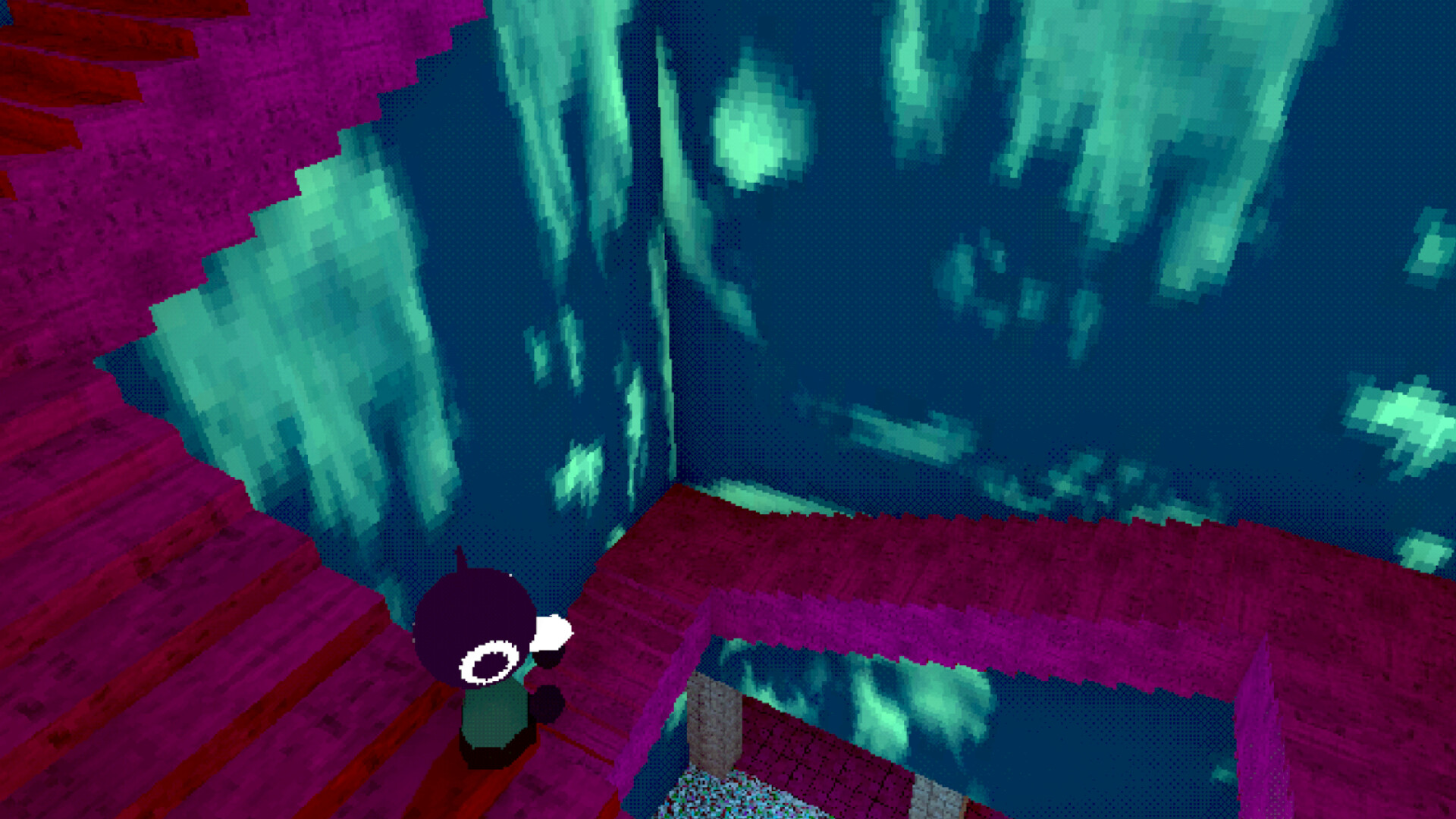
Cinderline is a surreal train adventure about an aging world and the last S'MORE in existence. You play an anthropomorphic bird who drives a train called the Cinderline through strange underground towns. The system that contains everything is getting old. Ash falls from an unseen sky, nothing is quite what it used to be, and the only cure anyone knows is a childish one: find every ingredient of the last S'MORE, assemble it, and bring its youthful delight to the Heart that keeps the system alive.
The premise is small and strange, and that is the point. You are not saving a kingdom or slaying a god. You are a newborn courier on a worn railway, running errands for weird residents, gathering ingredients, and heading toward the increasingly surreal center of the world. The game opens at the exact moment your bird hatches. No preamble, no tutorial lecture. You wake up, you find a train, and the world starts asking things of you. The closer you get to the Heart, the stranger the towns become. Each station is hand-made and unique, and the residents are shaped by the system that surrounds them.
Cinderline comes from developers Luke Kim and Zenon Ortiz, published by Luke Kim. The team hit 2,000 wishlists before the demo reached Steam, and the free demo landed on August 28, 2026 after seven months of development. The soundtrack comes from Marcus Maldonado of The Line, with one small piece by the streamer inmyidolera. The game is a cozy, atmospheric adventure rather than a challenge: there is no combat, no fail state pressure, and no twitch timing. The pleasure comes from poking through odd towns, learning the residents' little deeds, and watching the world get stranger as the tracks run deeper.
Target audience: players who enjoyed A Short Hike's gentle exploration, Kentucky Route Zero's weird Americana, or the cozy loop of Spiritfarer. Anyone who likes trains as a narrative device, surreal small-town stories, or quests built around favors rather than combat will find something here. Reviewers have compared the grungy, off-kilter art direction to ENA and even a touch of Angel's Egg. Players who need action, mechanical depth, or a strong fail state to feel engaged should skip it.
Difficulty: none to speak of. The game is exploration and conversation. The only pressure is the increasing strangeness of the towns and the question of what awaits at the last station.
| Fact | Detail |
|---|---|
| Developer | Luke Kim & Zenon Ortiz |
| Publisher | Luke Kim |
| Genre | Surreal adventure, train exploration |
| Platform | Windows (Steam) |
| Release | To be announced, demo out now |
| Price | To be announced, free demo on Steam |
| Players | Single-player |
| Core quest | Create the last S'MORE and feed it to the Heart |
| Movement | Drive the train, explore each station on foot |
| Controller | Full controller support, D-pad support added in patches |
| Wishlists | 2,000+ before demo launch |
| Demo | Free on Steam, released August 28, 2026 |
| Demo length | Under an hour, designed for one sitting |
| Save support | None in the demo; expected for the full game |
| Soundtrack | Marcus Maldonado (The Line), plus a piece by inmyidolera |
| Atmosphere | Cozy, whimsical, increasingly surreal |
| Min specs | Windows 11, i5/Ryzen 5, 4 GB RAM, integrated GPU, 4 GB storage |
Getting Started: Your First Ride
The demo opens the way the full game will: you hatch, you find the Cinderline, ash drifts through a red sky, and the next station waits down the track. The first ride is gentle by design, so use it to learn the rhythm of the loop.
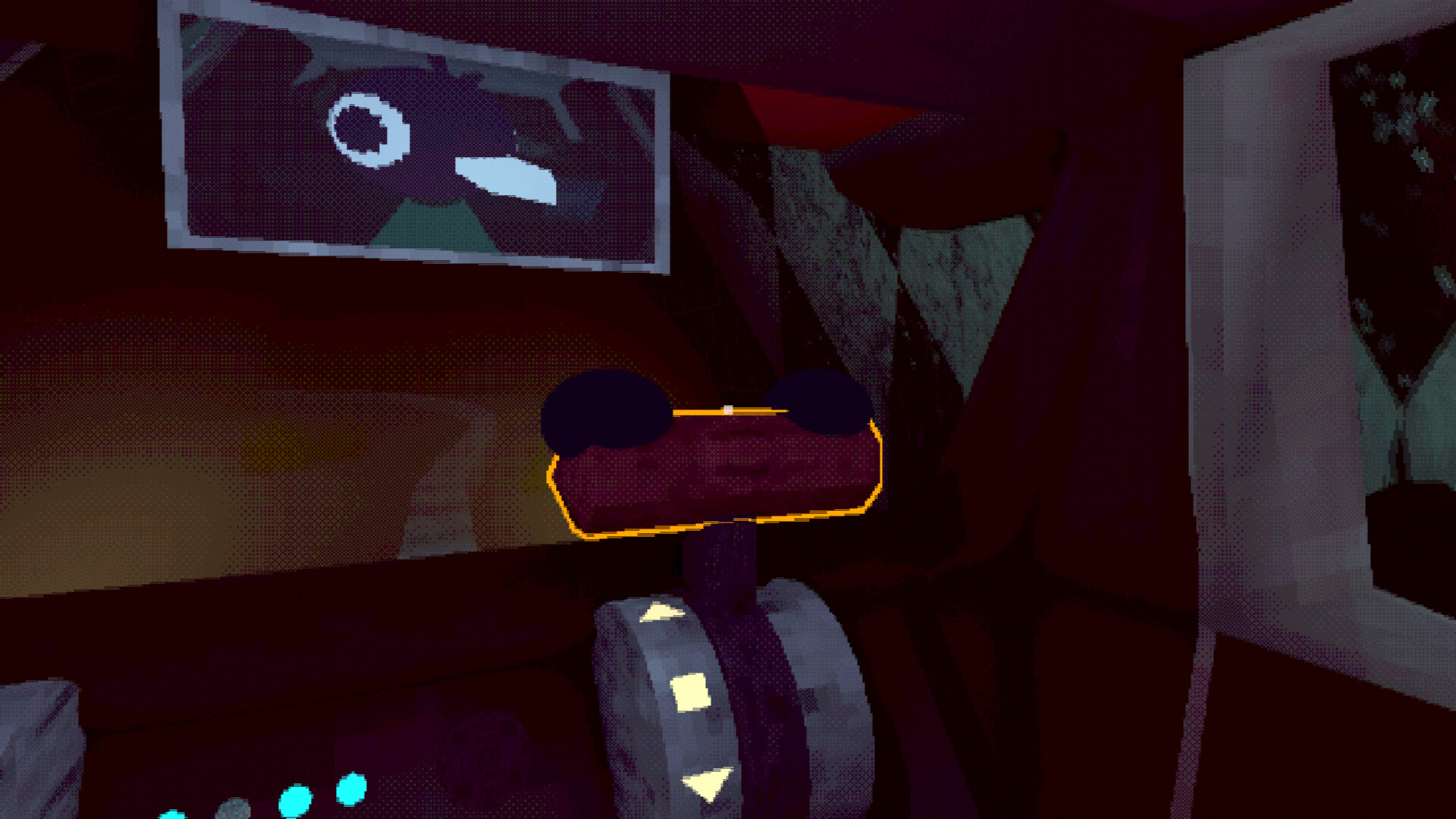
- Learn the cab controls in the first station. The train has two physical levers. One selects forward or reverse, the other sets speed. You grip a lever and then move the camera up or down to throw it. There is no automation and no button-mashing; the friction is the point. Practice until starting, braking, and stepping off feel natural.
- Walk every part of the first town. Wallerton, the demo's setting, is a walled-up town slowly being swallowed by ash. The game hides its ingredients and its lore in corners. Residents, objects, and shortcuts are easy to miss if you rush from marker to marker.
- Talk to everyone twice. Some residents give you a task the first time you speak and a hint the second. Dialogue refreshes as you complete deeds, so a resident who had nothing to say may open up after you help their neighbor.
- Collect everything that looks like food. The last S'MORE has hidden ingredients in each town, and the game does not always label them clearly. In the demo, the first ingredient comes from an absurd chain of favors, not from a glowing quest chest.
- Pick up and poke everything. Objects like sofas and books can be grabbed and thrown, and secret interactions reward the curious. The bird is silent but the world answers back.
- Read the strange details. The aging system is the story. Falling ash, worn machinery, and residents who talk about the way things used to be all explain what the Heart needs and why.
- Do not rush the stops. The more you venture toward the Heart, the more surreal things become. The early towns are the calm baseline, and the game wants you to notice that contrast.
The Core Loop
- Board the Cinderline and drive to the next station.
- Explore the town and meet the residents shaped by the system.
- Take on their little deeds and search for hidden ingredients.
- Return to the train and push deeper toward the Heart.
- Watch the stations grow stranger as the aging system bends.
Core Mechanics Explained
Driving the Cinderline
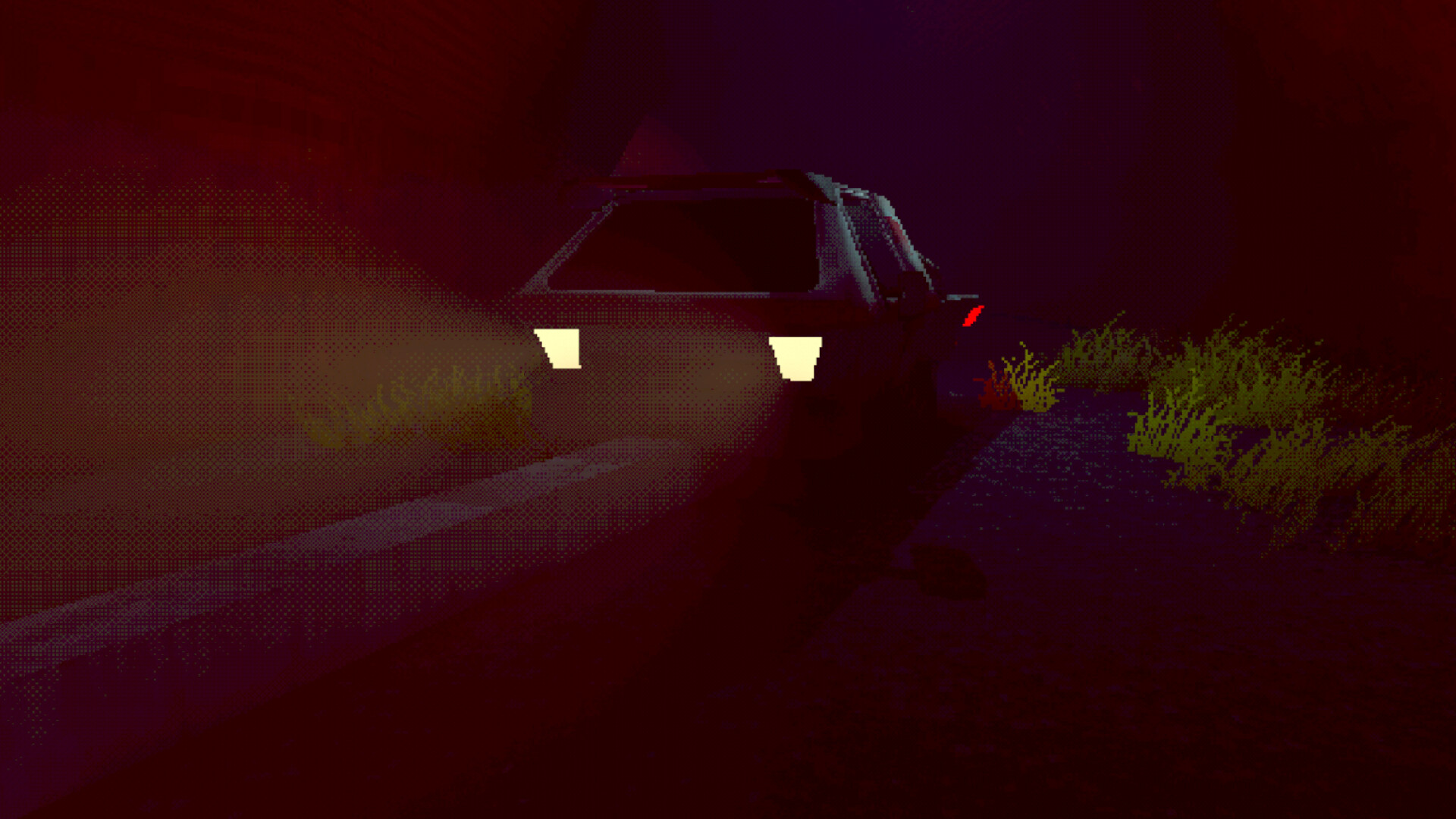
The train is your home, your hub, and your vehicle all at once. You control the cab directly through two levers: direction and throttle. Grabbing a lever with the interact button and dragging the camera up or down moves it, which sounds fussy but gives the train a satisfying physical weight. Brake early. The stations are short and overshooting a platform means walking back along the tracks. You can leave the train to explore on foot, and the bird's small hop gives the exploration a light platformer feel. The drive between stations is where the atmosphere does its work: the ash, the dim light, and the sense that the tracks are taking you somewhere the system does not want you to go.
The Aging System and the Ash
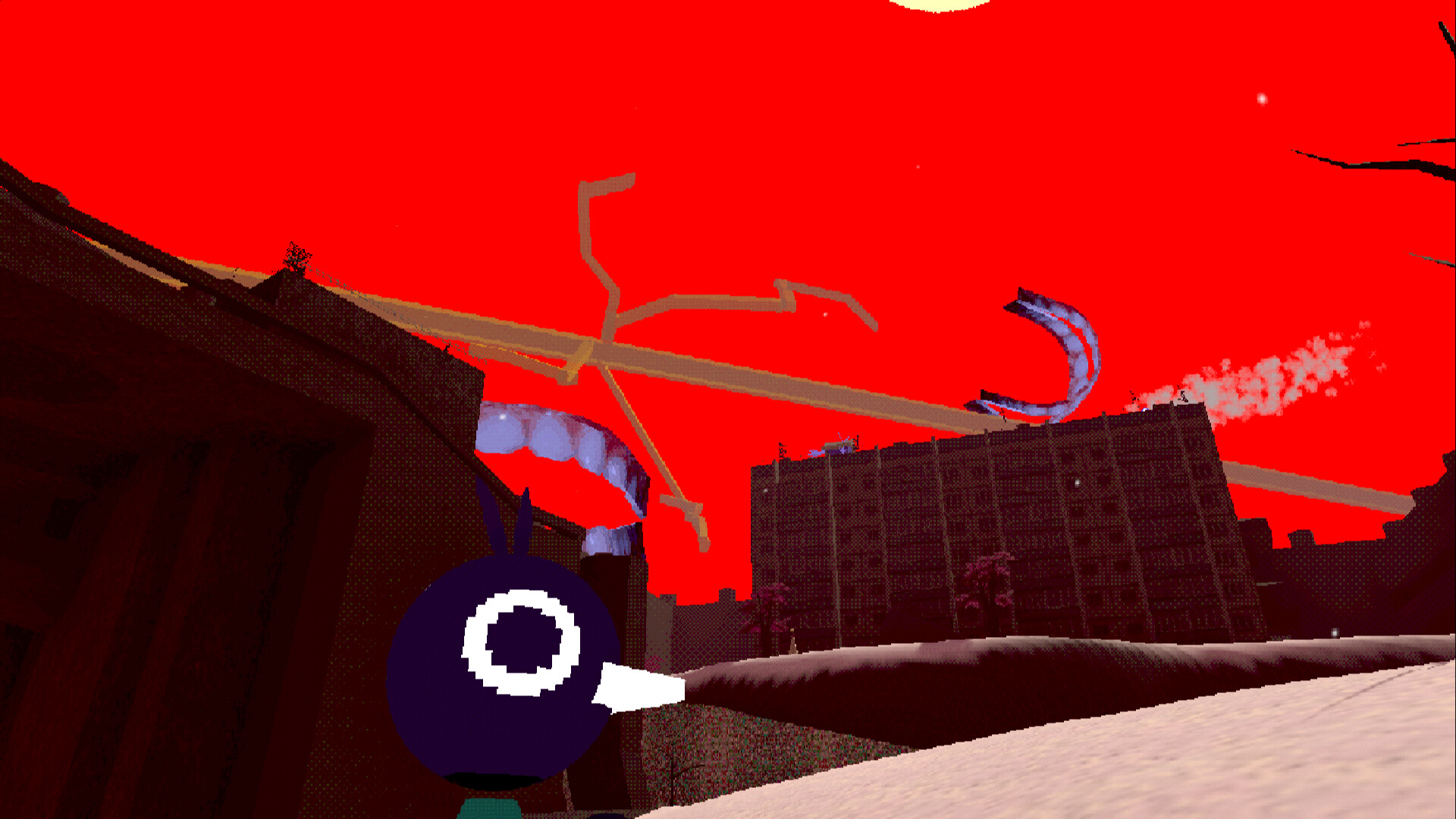
The world is old and visibly decaying. Ash falls constantly from the red sky, and Wallerton is literally being buried by it. This is not just color. The aging system explains the residents, the quests, and the destination. Everyone in these towns is shaped by the decay, and the Heart that keeps the system alive is running out of time. The gravity of the quest rests on this quiet desolation, and the game earns its comedy by stacking silly characters on top of it.
Strange Towns and Residents
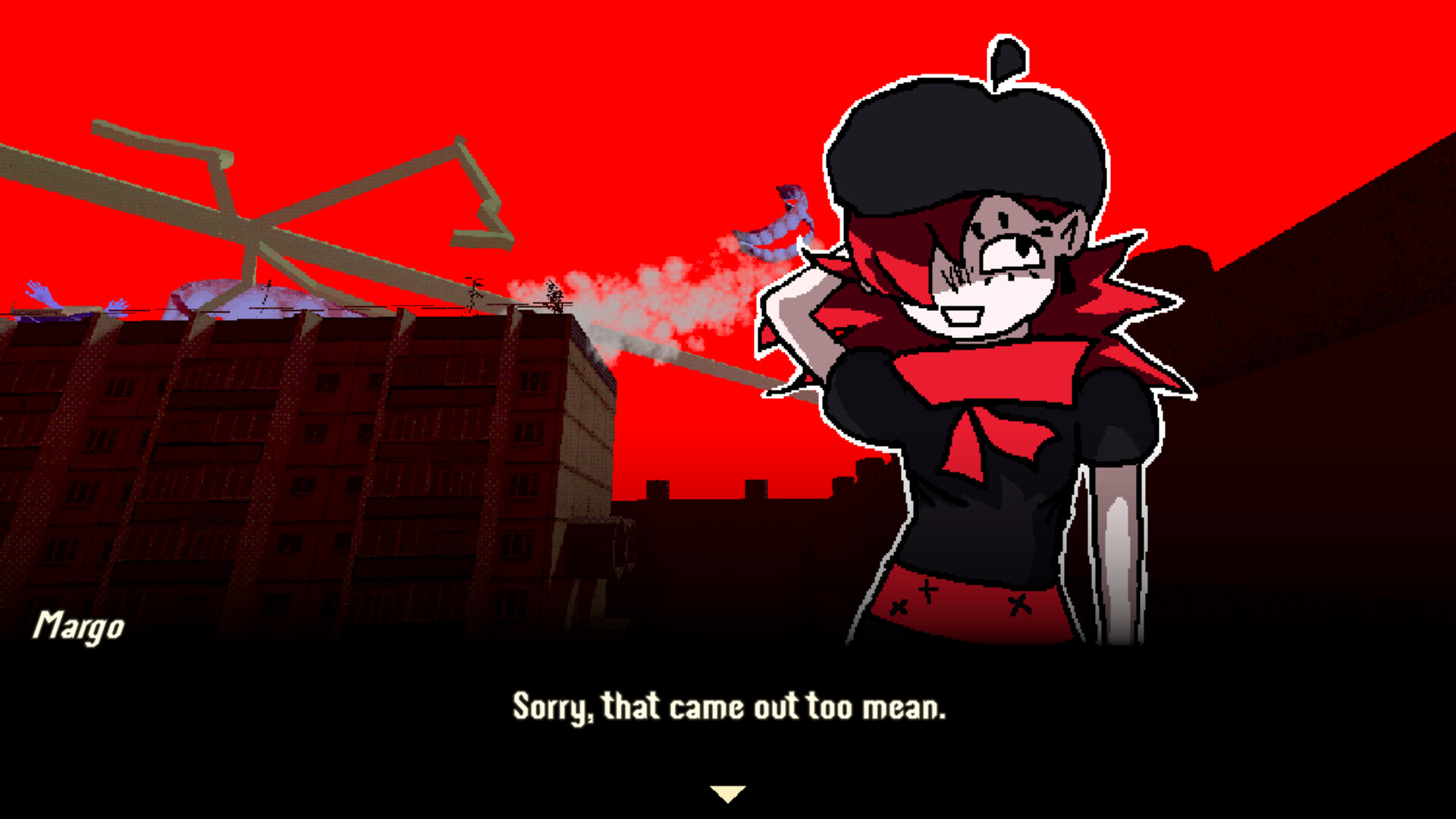
Each station is a unique town populated by weird, system-shaped people. The demo's cast gives you a taste of the writing: a jittery toaster frightened by your sudden appearance, a shady man in a black trench coat who trades a pickaxe for a crumb of toast, and a cigar-smoking balloon whose fate delivers the stick you need. Some residents help you. Some mock you. The deeds they ask for are small favors, but completing them is how you earn help and uncover the location of ingredients. Pay attention to what each person actually needs, because their requests tell you where to look and what the town values.
The Last S'MORE Quest
The entire journey funnels into one quest: find the hidden ingredients, assemble the last S'MORE, and deliver it to the Heart at the deepest station. Ingredients are hidden in each town, which gives the exploration a clear purpose. The S'MORE represents youthful delight, the exact thing an aging system has lost. The demo delivers only the first ingredient, and its tone is deliberately unsettling: the moment you collect the stick, every strange person you met has vanished. Whether the S'MORE saves the world or empties it is the question the full game will answer.
Physics, Jank, and Secrets
The game runs on real physics for its grabbed objects, and the developers openly lean into it. Reviewers have called the physics "raw and unfiltered," and the demo hides extra dialogue and events behind interactions most players will walk past. Grab the ducky and carry it around. Throw the sofa. The game rewards playfulness with reactions, and the current patches keep expanding what counts.
What the Game Is Not
Cinderline is not a combat game, not a puzzle gauntlet, and not a management sim. There is no fighting, no resource economy to balance, and no time limit pressing on the player. The demo and trailers position it as a pure adventure: drive, explore, talk, collect, and watch the world get stranger. Players looking for mechanical depth should set expectations accordingly; the depth here is emotional and atmospheric.
Walkthrough: The Wallerton Demo, Step by Step
The demo takes under an hour and covers the hatch opening, the first drive, and the first ingredient. Here is the full sequence with the details that trip people up.
- Hatch and learn to walk. The game starts at your bird's birth. Move, hop, and get used to the camera before approaching the train. Nothing can hurt you here.
- Board the Cinderline. Interact with the cab. Grip the direction lever, drag the camera to set it, then work the throttle lever the same way. The train lurches if you yank the throttle, so ease it up.
- Drive to Wallerton station. Watch for the platform and brake early. The underground station has been adjusted in patches to improve lighting, so follow the lit platform rather than guessing.
- Meet the toaster. A panicked toaster reacts to your appearance and asks you to fetch its toast. Accept. This is your first deed and it chains into everything else.
- Retrieve the toast and trade a crumb. The toast leads you to a man in a black trench coat who wants a crumb in exchange for a pickaxe. Hand it over. The pickaxe is a tool for the next step, not an ingredient.
- Use the pickaxe where the ground looks breakable. The tool opens the way to the balloon scene. If you are stuck, look for terrain that reacts to a swing rather than a flat wall.
- Witness the balloon scene and claim the stick. A cigar-smoking balloon gets eaten by a giant pair of gnashers and leaves behind a stick, the first S'MORE ingredient. The moment you take it, the town empties out. Every resident you met is gone.
- Poke around the emptied town before leaving. The voided-ceiling building confused early players; the developers added carpets through it to point the way. Look for the staircase-like bookshelves in the library area, a spot that soft-locked people before a patch fixed it.
- Carry the stick back to the train. Interact with the cab and set your direction. The demo ends with the first ingredient secured and the Heart still waiting below.
Total playtime: 40 to 60 minutes, depending on how thoroughly you poke at physics objects and secret text.
Beginner Mistakes to Avoid
| Mistake | Why It Hurts | The Fix |
|---|---|---|
| Rushing from quest marker to quest marker | The towns hold hidden ingredients and lore in unmarked corners | Walk every street and alley before leaving a station |
| Leaving a town without re-checking residents | Some deeds reveal a hint or an ingredient location only after you talk to a resident again | Do a second pass of dialogue before you board the train |
| Yanking the throttle lever | The train lurches and you overshoot the platform | Drag the camera slowly; ease into full speed |
| Ignoring grabbable objects | Secrets, extra dialogue, and patch-noted Easter eggs hide in physics props | Pick up and throw anything that glows or looks odd |
| Ignoring the atmosphere | The aging system and the ash are the story; skipping them makes the S'MORE quest feel random | Read the world like a mystery, not a backdrop |
| Assuming every resident is helpful | The game says plainly that some residents mock you | Filter their words for clues instead of taking everything at face value |
| Treating the train as fast travel | The drive between stations is part of the experience and pacing | Enjoy the ride; the surreal transition matters |
Advanced Tips
The Two-Pass Town
Every station earns two visits: one on the way in, one before you leave. The first pass finds the obvious deeds and dialog. The second pass, after you have explored the whole town and picked up the context, catches hidden ingredients and residents who only open up once you have seen the full picture. Two passes also let you check for new dialogue after a deed is complete, since residents react to your progress.
The Deed Chain
Residents form chains: the toaster needs its toast, the toast buys you a pickaxe, the pickaxe reaches the balloon, and the balloon leaves the stick. The deeds are the map of the town. When you are stuck on an ingredient, stop searching and start asking. Find the resident whose need matches what you just collected, and the chain will open the path forward. The demo's entire quest is one clean chain, and the full game will run on the same logic at a larger scale.
Follow the Ash
The surrealism escalates the closer you get to the Heart. If a town feels wrong or the lighting shifts, that is a signal, not a mood. The game uses the increasing strangeness as navigation: when the world starts to bend, you are on the right track. Let the atmosphere be your compass.
Talk After Every Deed
Dialogue is stateful. Completing a favor changes what people say, and the demo's residents each hold several lines most players never hear. The people who loved this demo played it the way the developers hoped: talking to every NPC repeatedly and squeezing out every reaction. If a resident gave you a deed, come back the moment it is done, then come back again before leaving town.
Embrace Props
The physics objects are not decoration. Players found the ducky, the sofa throws, and other props that trigger secret text or events. When a patch fixed "players can fall through the map using sofa and other various objects," that was a compliment to the community's curiosity. If an object can be grabbed, try carrying it somewhere it does not belong.
Save the S'MORE Ingredients for Last
Collecting is not consuming. Once you have an ingredient, you do not need to spend it early, and assembling the S'MORE is a final-step act. Keep the pouch stocked and verify you have every hidden ingredient from a town before you commit to the final assembly. The delivery to the Heart is the finish line, and the game saves the surreal payoff for the deepest station.
Known Issues and Patch History
The demo launched without save support and with a handful of rough edges, and the developers have been patching weekly toward Steam Next Fest. What they have fixed so far:
| Issue | Status | What Changed |
|---|---|---|
| Crim Jim gave players extra crumbs | Fixed | The toast-crumb economy now pays out correctly |
| Soft lock on the rock and certain camera angles | Fixed | Camera handling around breakable terrain no longer traps the bird |
| Soft lock on the bookshelf | Fixed | The library's staircase-like shelves no longer trap you |
| Falling through the map with grabbed objects | Fixed | Sofa throws and similar physics exploits no longer drop you out of the world |
| Voided-ceiling building confusion | Improved | Carpets now guide you through the room |
| Dark underground Wallerton station | Improved | Lighting adjusted for visibility |
| UI text bleeding off-screen at odd resolutions | Improved | Full UI rework for scaling; a resolution-scaling option is planned |
| Slider settings unresponsive | Workaround | Click around the slider handle rather than on it |
| No D-pad support | Fixed | D-pad input added in an early patch |
| No saving in the demo | By design | The demo is built for one sitting; expect saves in the full game |
If you bounced off the demo during its first days, the current build is meaningfully smoother. The remaining friction is mostly the lever-based driving, which is intentional design rather than a bug.
Performance and Settings
The spec list is light: Windows 11, an Intel i5 or Ryzen 5, 4 GB of RAM, an integrated GPU, and 4 GB of storage. Any laptop from the last several years clears it. Two settings notes from the demo's launch window:
- UI scaling: early builds let text bleed off-screen at unusual resolutions. The current build rebalances the whole interface, and the developers plan an explicit scaling option. If text looks wrong, switch to a standard 16:9 resolution before tweaking anything else.
- FOV: reviewers asked for a field-of-view slider for players who find the default camera too tight. It is not in the demo yet. If the camera feels close, try a higher resolution window before waiting on the option.
FAQ
When does Cinderline release? The full release date is to be announced. The free demo launched on Steam on August 28, 2026, the developers passed 2,000 wishlists before the demo arrived, and more content is planned for Steam Next Fest.
Is there a demo? Yes. The Cinderline Demo is free on Steam and includes the driving loop, the town of Wallerton, and the first stretch of the S'MORE quest.
What is Cinderline about? You drive a train as an anthropomorphic bird through strange towns in an aging system. You gather ingredients for the last S'MORE and deliver it to the Heart that keeps the system alive, hoping to make it young again.
Is Cinderline a combat game? No. There is no combat. The gameplay is driving, exploring towns, talking to residents, and completing their deeds.
Does Cinderline support controllers? Yes, full controller support is listed on the Steam page, and D-pad support arrived in an early patch. Keyboard and mouse work as well.
What are the system requirements? Windows 11, an Intel i5 or Ryzen 5 processor, 4 GB RAM, an integrated GPU or better, and 4 GB of storage. The spec sheet is light enough for most laptops.
Is Cinderline single-player only? Yes, single-player only, with Steam Achievements and Family Sharing support.
How long is the demo? Under an hour for most players, and it is designed for one sitting. There is no save system in the demo.
Does progress carry from the demo to the full game? The developers have not confirmed save transfer between the demo and the full release. Treat demo progress as a preview run.
Is there any combat or fail state? No. Nothing attacks you and nothing kills you. The tension is tonal, not mechanical.
How many towns will the full game have? The count is not announced. The roadmap describes a journey toward the Heart through stations that grow more surreal, with Wallerton as the first.
Will there be more languages? The Steam page does not yet list the localization set. The demo ships in English with full audio, and the developers have not announced additional languages.
Quick Reference Card
| Topic | Answer |
|---|---|
| First ingredient | Toast deed → crumb trade → pickaxe → balloon scene → stick |
| Train controls | Two levers: direction and throttle, both moved by gripping and dragging the camera |
| Braking tip | Brake early; platforms are short |
| Stuck in the library | The bookshelves are staircase-shaped; climb them |
| Secret hunting | Grab and carry physics props; check secret text on odd objects |
| When residents vanish | That is the script, not a bug; it happens when you claim the stick |
| Demo length | 40 to 60 minutes, no saves, one sitting |
| Patch cadence | Weekly, leading into Steam Next Fest |
| Wishlist target | Wishlist on Steam to catch the full release |
Final Tips
Treat Cinderline as a walking game with a train attached. The residents, the ash, and the strange towns are the content, and the S'MORE quest is the reason to keep moving. Talk to everyone, visit every town twice, and let the surrealism build.
The demo is a warm, strange little ride with a clear artistic voice. The weekly patches show a small team that answers its community, and the tonal gamble, a silly world hiding something ominous under the ash, lands. If the trailers appeal to you, the wishlist is an easy call. 4/5 based on the demo, with the full game's pacing still to be judged at release.
Last reviewed by Game How To Editorial. We play each game, verify controls against official sources, and update guides when game mechanics change.
Screenshots