Official game
Play Archetype Blue
This game is hosted by Steam. Continue to the official page to play or download it.
Add to Wishlist on SteamOverview
Archetype Blue is a pixel-art dark fantasy deckbuilding roguelite developed and published by indie studio Codename Bom. The game puts you in the role of Lancelot of the Order of the Lake, a legendary hero who must form an expedition party, explore a collapsing fantasy world, and unravel the truth behind strange incidents and mysterious monsters.
At its heart, Archetype Blue inverts the typical deckbuilding formula: the companions you grow close to become your deck. Instead of collecting abstract cards, you recruit and bond with over 50 unique allies — each with their own personality, backstory, and combat style — and your relationships with them literally become the cards you play in battle. The deeper the bond, the more powerful the card.
The game blends turn-based card combat, roguelite expedition loops, relationship management, camp crafting, and branching narrative choices into a single cohesive experience. A free demo is available on Steam (App ID 2605480), and the full game is scheduled for release in 2026.
2. Details Table
| Attribute | Value |
|---|---|
| Title | ARCHETYPE BLUE |
| Developer / Publisher | Codename Bom |
| Steam App ID | 2541560 |
| Demo App ID | 2605480 |
| Release Date | 2026 (not yet set) |
| Platform | Windows PC (Steam) |
| Price Model | Paid (price TBA) |
| Genres | Action, Indie, RPG, Simulation, Strategy |
| Categories | Single-player, Partial Controller Support, Family Sharing |
| Languages | English, Japanese, Korean, Simplified Chinese, Traditional Chinese |
| Min. OS | Windows 7 (SP1) / 8 / 8.1 |
| Min. CPU | 2.6 GHz Intel Core i5-750 or 3.2 GHz AMD Phenom II X4 955 |
| Min. GPU | NVIDIA GeForce GTX 460 or AMD Radeon HD5850 (1 GB VRAM) |
| Rec. OS | Windows 10 |
| Rec. CPU | 3.3 GHz Intel Core i5-6600 or 4.0 GHz AMD FX-8350 |
| Rec. GPU | NVIDIA GeForce GTX 960 or AMD Radeon HD 7970 (2 GB VRAM) |
| Developer Contact | [email protected] / @codenamebom on X (Twitter) |
| Copyright | (c)2026 Codename Bom All rights reserved. |
3. Target Audience
Archetype Blue will appeal to:
- Deckbuilding roguelite veterans — fans of Slay the Spire, Monster Train, or Across the Obelisk will feel at home with the card-based combat, but the companion-bond system adds a fresh twist.
- JRPG and relationship-sim fans — if you enjoy bonding with characters (think Persona social links or Fire Emblem support conversations), the companion system is the core progression driver.
- Pixel-art enthusiasts — Codename Bom delivers a gorgeous dark fantasy pixel-art world with detailed character sprites and atmospheric environments.
- Roguelite explorers — each expedition brings random events, different ally recruitment opportunities, and branching paths that reward replayability.
- Narrative-driven players — the story of Lancelot and the truth behind the world's collapse unfolds through choices, companion quests, and camp conversations.
- Casual strategy fans — the turn-based combat and camp management are approachable but offer depth through synergies and deck optimization.
This game is not for those who dislike relationship-gated progression, roguelike runs (starting over on failure), or pixel-art aesthetics.
Getting Started
Step 1: Download the Demo
Head to the Archetype Blue Steam page and download the free demo (App ID 2605480). The demo gives you a substantial first expedition to learn mechanics and recruit your first companions.
Step 2: Understand Your Role
You play as Lancelot of the Order of the Lake. Your mission: form an expedition party, explore fantastical regions, and uncover why the world is collapsing. Your success depends on the allies you recruit and the bonds you build.
Step 3: Recruit Your First Companions
The starting area will introduce 3-4 potential companions. Talk to everyone. Companions are found at camps, towns, crossroads events, and hidden locations. Accept their initial quests immediately — completing these is the fastest way to unlock their basic card forms.
Step 4: Learn the Bond System
Each companion has a Bond Level (starts at 1). Bond increases by:
- Making dialogue choices that match their personality (e.g., a brave warrior likes bold answers; a thoughtful scholar prefers measured responses).
- Completing their personal quests (biggest bond gains).
- Resting at camp and choosing to speak with them.
- Fighting alongside them successfully in battles.
Check bond progress in the Companion Menu (press C in camp).
Step 5: Build Your Deck Through Bonds
Your deck is your party. Each companion occupies one slot in your hand. At bond level 1, you get their basic card. As bond increases, you unlock upgraded versions and additional ability cards tied to that companion. You cannot add random cards — every card in your deck represents a relationship.
Step 6: Survive Your First Expedition
Your first run will be short. Focus on:
- Playing one or two damage-focused companions to clear early enemies.
- Using a defensive/support companion to keep health up.
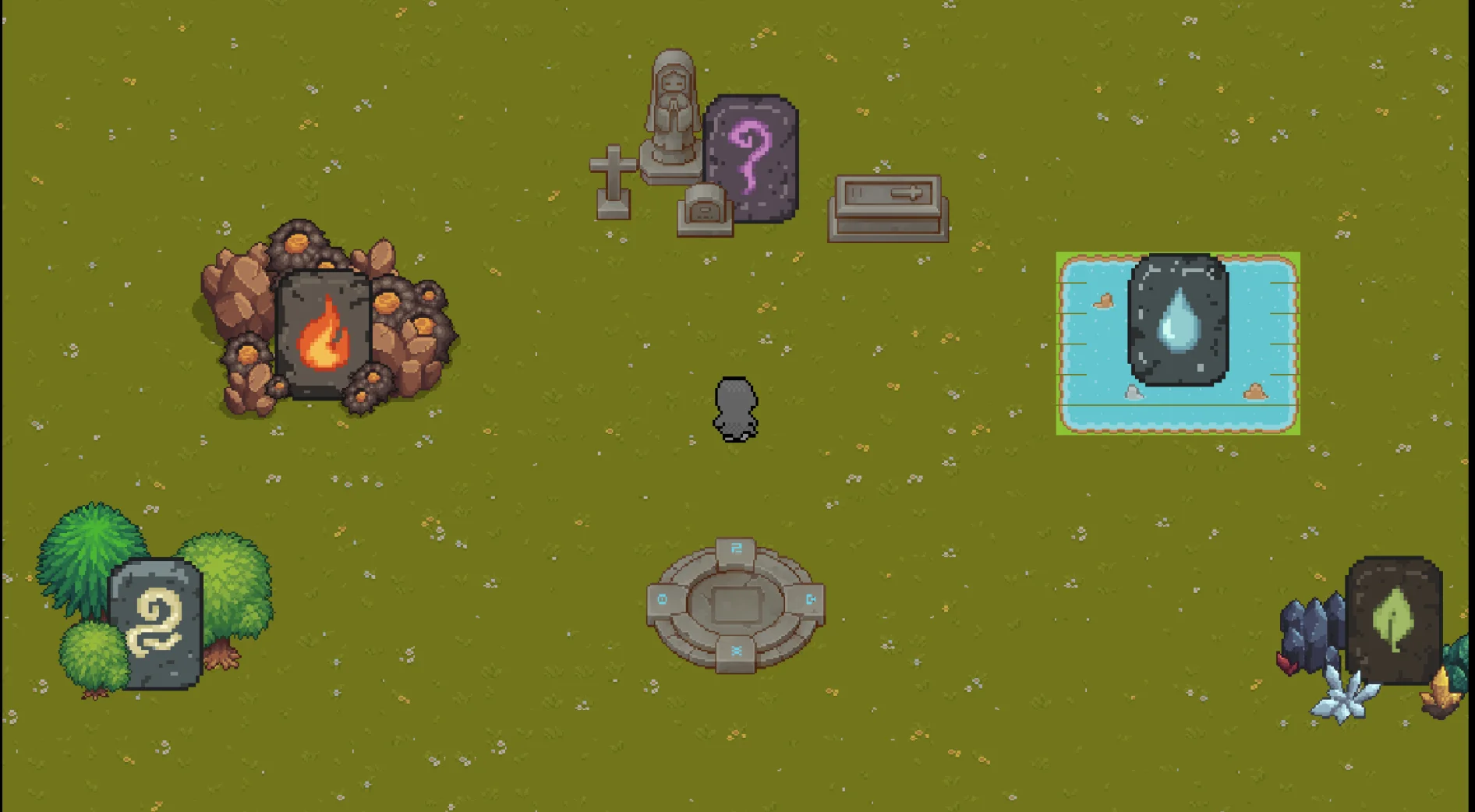
- Visiting every ? node (random events) for items, new allies, or upgrades.
- Avoiding overly risky choices until you understand encounter difficulty.
Step 7: Return to Camp Often
Camp is not just a rest stop — it is where bonds deepen fastest. Always camp before a major encounter. During camp:
- Rest — heal your party.
- Converse — talk to specific companions to boost their bond.
- Craft — turn gathered resources into potions, gear tokens, or camp upgrades.
- Prepare — adjust your deck lineup for the next leg.
Step 8: Experiment with Party Composition
After 2-3 runs, you will have a roster of 8-10 unlocked companions. Try different 4-5 companion teams. Note which synergies emerge (e.g., a fire mage + wind mage = firestorm combo). Settle on a core team and focus bond-building on them.
Advanced Tips
| Mistake | Why It Hurts | What To Do Instead |
|---|---|---|
| Spreading bonds too thin | No companion reaches high bond levels, so you lack upgraded cards. | Pick 5-6 companions as a core team and focus dialogue/camp talks on them. |
| Ignoring companion personalities | Dialogue choices that clash with a companion's values give minimal bond gain. | Read companion bios; match your tone to their traits (brave, wise, cautious, etc.). |
| Skipping camp | Miss the biggest bond-building opportunities and cannot heal or craft. | Camp before every boss or major story encounter. |
| Building all-offense decks | No heals or shields means you die to attrition and boss burst damage. | Maintain at least 1 support/healer and 1 tank/defender in every party. |
| Hoarding resources | Unused crafting materials and items expire at the end of a run. | Use camp to craft potions and gear before embarking. Spend resources freely. |
| Neglecting companion quests | These are the single fastest bond source and gatekeep powerful upgraded card forms. | Prioritize companion quests over map exploration when both are available. |
| Refusing to adapt mid-run | Sticking to one strategy when the RNG gives you different companion options leads to weak decks. | Be flexible — if you find a rare companion with great synergy, pivot your build. |
| Skipping random event nodes | Some of the best companions, items, and permanent upgrades come from ? tiles. | Visit every ? node on the map, even if it means a tougher path. |
| Not using the full hand | Ending turns with unplayed cards wastes potential damage, healing, or setup. | Try to play as many cards as possible each turn unless saving for a specific combo. |
| Ignoring enemy intents | Some enemies telegraph their next attack — blocking or killing the right target can save runs. | Hover over enemies to see their intended action; prioritize dangerous targets. |
6. Core Mechanics
6.1 Bond System (Relationships as Cards)
This is Archetype Blue's signature mechanic. Every card in your deck is tied to a specific companion you have recruited. The system works on three levels:
- Recruitment: You find companions through story progression, random events, side quests, or exploration. Each has a unique name, design, personality archetype, and starting card.
- Bond Level: Ranges from 1 upward. Higher bond levels:
- Upgrade the companion's base card (more damage, better effects, lower cost).
- Unlock additional ability cards associated with that companion.
- Trigger unique camp conversations and story beats.
- Sometimes unlock passive bonuses that apply even when the companion is not in your active party.
- Bond Decay: There is no bond decay in the demo — bonds persist across runs in the full game (a roguelite meta-progression element). The full game may feature bond-related consequences for certain narrative choices.
Strategies for fast bond growth: Focus dialogue perfectly, complete personal quests immediately, camp and converse every opportunity, fight with the companion in your party.
6.2 Turn-Based Card Combat
Combat in Archetype Blue is turn-based with the following structure:
- Hand Size: You draw a hand of cards from your companion roster at the start of each turn (typically 5 cards, modifiable through upgrades).
- Energy System: Each card costs energy to play. You start with 3 energy per turn, which can be increased through specific companions, items, or camp upgrades.
- Card Types:
- Attack Cards — Deal damage to a single enemy or all enemies.
- Skill Cards — Apply buffs, debuffs, shields, or utility effects.
- Defense Cards — Grant block/shields to Lancelot or allies.
- Combo Cards — Only activate when specific companion cards are played in sequence.
- Ultimate Cards — Unlocked at high bond levels; very powerful but expensive.
- Enemy Intents: Enemies display their next action (attack, buff, debuff, or special). You can plan your turn around blocking predicted damage or interrupting dangerous charging attacks.
- Turn End: End your turn by pressing Space, Right Click, or the End Turn button. Unspent energy is lost (no carry-over between turns).
6.3 Expedition Structure
Each run in Archetype Blue is called an Expedition. Expeditions follow a branching map structure:
- Start Point — Recruit initial companions, receive first quest.
- Region Path — A node-based map with branches. Nodes include:
- (sword) Battle — Combat encounter (rewards: gold, items, bond XP).
- (tent) Camp — Rest, converse, craft.
- (question) Event — Random narrative choice (can yield new allies, resources, or hazards).
- (book) Story — Main story progression node.
- (gem) Treasure — Free loot.
- Boss Encounter — At the end of each region.
- Region Transition — Move to the next area with different themes and enemy types.
If your party is defeated, the expedition ends. You keep any companions recruited (bond levels persist) and meta-progression unlocks carry forward.
6.4 Camp & Crafting
The camp is a hub screen accessible between battles. It offers:
- Rest — Restore HP to all party members (scales with camp upgrades).
- Conversation — Select a companion to chat with. Dialogue choices here significantly impact bond growth.
- Crafting Bench — Use materials gathered from battles and events to create:
- Healing potions (consumable mid-battle heals).
- Gear tokens (temporary stat boosts for the next encounter).
- Camp upgrades (permanent improvements for future camps in this run).
- Deck Management — Review your current companion cards, see bond progress, and reorder your party lineup.
- Storage — Deposit or withdraw items.
7. Advanced Strategies
7.1 "The Core Five" — Early Team Optimization
In your first 3-5 runs, your goal is to identify a core team of 5 companions that covers all combat roles:
- 1 Frontline Tank — High defense, taunt, or ally-shielding abilities.
- 2 Damage Dealers — One single-target nuker and one AoE attacker.
- 1 Support/Healer — Restores HP, removes debuffs.
- 1 Flex — A utility companion that applies buffs, debuffs, or enables combos.
Once identified, focus 80% of your bond-building resources (dialogue choices, camp talks, quests) on these 5. Do not recruit new companions unless they directly replace a weaker member of your core.
Pro tip: The companions found earliest (first 2-3 nodes) are often generalists with balanced stats — great for filling gaps. Rarer companions found deeper in a run tend to be specialists with powerful but narrow abilities.
7.2 "Combo Chaining" — Synergy Discovery
Archetype Blue rewards experimentation with hidden companion synergies. These combos are not explicitly spelled out — you discover them by playing certain card combinations in sequence.
Known synergy archetypes (from demo data):
| Archetype | Mechanic | Example Companions |
|---|---|---|
| Elemental Fuse | Two elemental attackers combine for bonus damage + status effect | Fire mage + Wind mage → Firestorm (burns all enemies) |
| Guardian Bond | Tank + Healer produce an extra shield every 2 turns | Shieldbearer + Cleric → Aegis Ward |
| Shadow Strike | Two agile attackers get bonus damage vs. debuffed enemies | Rogue + Ranger → Execute (3x damage if target below 50% HP) |
| Arcane Overload | Two mages lower each other's energy costs | Any 2 mages → each mage's cards cost -1 energy |
| Vanguard Rush | Aggressive frontliners generate extra energy on kill | Berserker + Paladin → kills refund 1 energy |
How to discover combos: Try different pairings in battle. When a combo triggers, a visual effect (golden border, special animation, unique sound) will indicate it. Make note of which companions triggered it and build around those pairs.
7.3 "Bond-First Routing" — Expedition Path Planning
Not all map paths are equal. When you see the expedition map, optimize your route based on these priorities:
- Companion quest markers (if visible) — Always take the path that leads to quest objectives. These are the highest-value nodes in any expedition.
- Camp nodes — Prioritize paths with more camp nodes if you have companions whose bonds you want to grow.
- Event (?) nodes — Next priority; they offer new companions, unique items, and run-shaping choices.
- Battle nodes — Necessary for resources but lower priority than quests, camps, and events.
- Treasure nodes — Lowest priority unless you desperately need resources.
Rule of thumb: In the first half of an expedition, focus on building bond depth. In the second half, focus on combat preparation (camp, crafting, gear).
7.4 "Resource Efficiency" — Material & Gold Management
Resources in Archetype Blue are scarce per-run. Maximize them with these rules:
- Don't craft until you need it. Camp before the boss, then craft potions and gear. Resources spent early might be wasted if you recruit better companions later.
- Sell duplicate items. If you find two of the same consumable, sell one at camp for gold. Gold can be used at certain event nodes for premium options.
- Prioritize camp upgrades. If a camp node offers an upgrade (better rest healing, extra conversation option, crafting discount), take it. These compound across the run.
- Don't hoard bond items. Some items boost bond growth — use them immediately on your core team members. Hoarding them until "the perfect moment" means they never get used.
7.5 "Adaptive Pivot" — When Your Run Goes Off-Plan
Even the best-laid plans fail when RNG does not cooperate. Know when to pivot:
- You get offered a legendary companion early: Drop your weakest core member and build around the newcomer. Legendary companions (indicated by unique card frames and higher starting bond levels) often define entire strategies.
- Your damage dealer dies: If a key companion is lost (some events can remove companions temporarily), shift to a defensive/sustain strategy until you can recruit a replacement.
- You find a synergy you did not plan for: If two random companions unexpectedly combo well together, adjust your bond focus mid-run to capitalize. A discovered synergy in the moment beats a planned synergy that has not materialized.
- Boss counters your build: If you enter a boss fight and realize its mechanics hard-counter your composition (e.g., all single-target vs. a boss that spawns adds), focus on survival and look for ways to pivot gear/consumables to patch the weakness.
FAQ
Q1: When will Archetype Blue be fully released? A: The game is listed as upcoming on Steam, targeted for 2026. No exact date has been announced.
Q2: Is there a demo? A: Yes! A free demo is available on Steam (App ID 2605480). It includes the opening expedition, several companions, and a boss encounter.
Q3: Will there be Early Access? A: Codename Bom has not confirmed whether the game will launch in Early Access or as a full 1.0 release. Follow @codenamebom on X for updates.
Q4: What platforms is Archetype Blue on? A: Currently confirmed for Windows PC via Steam. No announcements for Mac, Linux, or console versions at this time.
Q5: How many companions are in the full game? A: Over 50 unique companions, each with their own personality, backstory, visual design, card abilities, and personal questline.
Q6: Is there replayability? A: Yes. The roguelite structure means each expedition is procedurally generated (map layout, events, rewards). Different companion choices, bond paths, discovered synergies, and story branch choices make each playthrough unique.
Q7: Do bonds carry over between runs? A: Yes — bond levels are meta-progression that persists across expeditions. Companion recruitment also carries over (once recruited, they stay in your roster permanently).
Q8: Can I lose companions permanently? A: Some narrative events may temporarily separate you from companions or lock them out for the remainder of a run. In the demo, there is no permanent companion death. The full game may introduce higher-stakes consequences.
Q9: What happens if my party is defeated? A: The expedition ends. You keep all meta-progression (bond levels, unlocked companions, any permanent upgrades). You restart from the beginning with a fresh expedition.
Q10: Is there a New Game+ or harder difficulty? A: Not confirmed yet. Given the roguelite genre conventions, higher difficulties or challenge modes are likely post-launch additions.
Q11: Does the game support controllers? A: Yes — Steam lists "Partial Controller Support." The game can be played with a controller, but some UI interactions may require mouse input.
Q12: Who is the developer, and how do I contact them? A: Archetype Blue is developed by Codename Bom, a small indie studio. Contact them at [email protected] or follow @codenamebom on X (Twitter) for news and updates.
9. Final Tip & Verdict
Final Tip: The single most impactful thing you can do in Archetype Blue is to learn each companion's personality and speak their language. This is not a game where every dialogue choice leads to the same outcome. A warrior named Valerius who values courage will reward bold, reckless answers. A scholarly Mira will appreciate thoughtful, curious responses. A cautious Edric prefers safe, measured replies. Matching your tone to their values can double or triple your bond growth per interaction. Take the time to read companion bios and pay attention to what they say in camp — the game gives you all the clues you need.
Verdict: Archetype Blue is a promising entry in the deckbuilding roguelite genre that offers a genuinely fresh twist on card collection. The "bonds become cards" mechanic creates a satisfying loop: you care about your companions because they are both narrative characters and combat resources simultaneously. The pixel art is gorgeous, the combat has strategic depth with synergy discovery, and the camp/relationship layer adds meaningful downtime between battles. If the full game delivers on the promise of 50+ distinct companions with unique questlines and meaningful bond progression, Codename Bom could have a standout indie hit on their hands. The demo is absolutely worth your time.
Difficulty Rating: Medium. Approachable for deckbuilding newcomers but with enough depth for genre veterans to explore.
Time to Complete (Demo): 1-2 hours per run; 5-10 hours to see most demo content.
Estimated Full Game Length: 20-40 hours (estimated based on genre conventions).
Guide written by gamehowto.com. All game details sourced from the official Steam store page and demo gameplay. Archetype Blue is developed by Codename Bom. (c)2026 Codename Bom. All rights reserved.