Official game
Play Beastfolk Barber
This game is hosted by Steam. Continue to the official page to play or download it.
Add to Wishlist on SteamOverview / Game Introduction
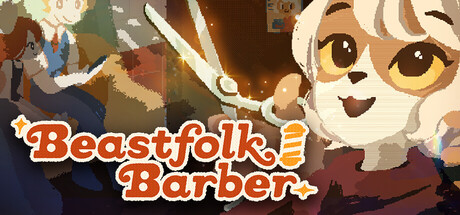
Beastfolk Barber (formerly Project Salon) is a narrative-driven cozy barber sim set in a vibrant fantasy city of anthropomorphic beastfolk — wolves, deer, cats, bears, lions, rabbits, birds, and more. Developed by Safe Flight Games with publishing support from SIGONO and originally incubated by GameWorks Ventures, it was unveiled at Wholesome Direct 2026 and quickly captivated audiences with its wholesome premise and hand-drawn art.
Yes, you style fur, trim manes, dye horns, and shape antlers — but beneath the relaxing surface lies a surprisingly rich narrative. Each customer brings more than a grooming request; they bring worries, dreams, and struggles with identity, prejudice, and belonging. The barber's chair becomes a confessional.
The core hook: A mysterious demon appears and offers to grant one wish in exchange for the perfect haircut. Fulfilling this bargain requires building skills, earning trust, gathering resources, and figuring out how to cut a demon's hair — drawing you closer to a past you've never faced.
| Detail | Info |
|---|---|
| Genre | Casual / Indie / Simulation / Story-Rich |
| Developer | Safe Flight Games |
| Publisher | SIGONO (with GameWorks Ventures) |
| Platform | Windows PC (Steam) |
| Price | $9.99 USD |
| Players | Single-player |
| Release Date | TBA (wishlist on Steam) |
| Difficulty | Relaxing — no fail states, no timers |
| Session Length | ~10–15 hours per playthrough |
Target audience: Fans of story-rich cozy games like Coffee Talk, Spiritfarer, or A Short Hike — anyone who values meaningful conversations and creative expression without time pressure.
Getting Started — First 30 Minutes
Welcome to the Shop
You start in a modest barbershop in the heart of a beastfolk city. A single chair sits in the center beside your workbench, mirror, shelves, and waiting area. Your first customer — a friendly wolf — introduces the core loop without a single pop-up instruction. The game trusts you to experiment.
Step-by-Step Flow
- Greet the customer. Your response (2–3 choices) sets the tone — warm vs. efficient affects their initial mood.
- Listen to their request. Some know exactly what they want ("Clean up the sides, keep the top long"). Others are vague ("I want something different…"). Reading between the lines is key.
- Select your tools. Scissors, clippers, brushes, combs, dye — each maps to the customer's fur type and anatomy.
- Make the cut. Click and drag to trim, shape, or dye. There's no "right answer" grid — just your sense of style and what feels right.
- Chat while you work. Topics range from light (weekend plans) to deeply personal (identity, prejudice, family). Your conversational choices matter.
- Finish and review. The customer reacts — joy, quiet appreciation, or disappointment. Their reaction affects your tip, reputation, and ongoing story.
- End of day. Close the shop, review feedback, count tips, and scroll through local news. Events in the city hint at what tomorrow brings.
The Demon's Premise
Within your first few in-game days, the demon appears — elegant, enigmatic, unsettlingly calm. Their offer: one wish, granted, for a haircut that satisfies them. This kicks off the main story, giving every subsequent haircut narrative weight.
Advanced Tips
New barbers often fall into these traps. Here's what to watch out for:
| Mistake | Why It Hurts | How to Avoid It |
|---|---|---|
| Cutting too fast | The game has no timers, but rushing makes you miss conversational cues and body language. A customer who flinches when you approach their ears needs gentler handling. | Work slowly. Let each snip breathe. Watch the customer's expression between cuts. |
| Ignoring conversational hints | A customer who says "I've been feeling invisible lately" isn't asking for a subtle trim — they want a bold, noticeable change. Missing this costs you rapport and story progression. | Treat every line of dialogue as a clue. The style they need often mirrors how they feel. |
| Using the wrong tool | Scissors on a lion's coarse mane? Clippers on a bird's delicate crest feathers? Each species needs the right approach. Wrong tools reduce quality and upset customers. | Observe the customer's fur/hair type before picking a tool. The game gives visual cues — coarse, fine, curly, straight — that map to tool choices. |
| Over-cutting | You can always trim more, but you can't reattach fur. A snip-happy approach leads to uneven cuts and unhappy customers. | Take small passes. Step back and assess frequently. Less is more, especially with first-time customers. |
| Neglecting the Demon's Mirror | The Demon's Mirror lets you preview a style before cutting. New players often forget to use it, and previews are limited — wasting them hurts. | Use the mirror on customers who seem uncertain or who give vague requests. Save your previews for the toughest cases. |
| Prioritizing tips over relationships | Chasing big tips from one-off customers feels rewarding early, but repeat customers who trust you pay more over time and unlock special story content. | Focus on doing great work at fair prices. Regulars are your real income and story engine. |
| Skipping the end-of-day news | The local newspaper, festival calendar, and social feed contain clues about upcoming customers and story beats. Ignore them and you'll miss context. | Spend 2–3 minutes every evening scrolling the news. It's both cozy world-building and practical intel. |
Core Mechanics
1. The Art of the Cut — Styling System
The styling system is deceptively deep. You wield a set of tools mapped to mouse movements:
- Scissors — For bulk reduction and shaping. Slow, deliberate cuts produce cleaner lines.
- Clippers — For crisp edges, fades, and clean outlines. Best on short fur and mane edges.
- Brushes — For smoothing, adding volume, and texture. Essential for polished finishes.
- Combs — For parting and sectioning before cutting. Leads to more controlled, professional results.
- Dye — Applied in strokes. Layering creates custom shades tied to customer stories.
Anatomy matters. A wolf's thick winter coat behaves differently from a cat's sleek fur or a deer's antler velvet. The game teaches species-specific techniques through practice — there are no written manuals, just feel and observation.
The Demon's Mirror is your most powerful tool. It projects a preview of any style you imagine onto the customer before you cut. But previews consume a limited resource (the mirror's "charge"), so use them strategically. The mirror also seems to reflect more than hair as the story progresses — paying attention to what else appears in the mirror is part of the mystery.
2. Conversations & Relationships — The Narrative Engine
Beastfolk Barber is, at its heart, a game about listening. Every customer has a mood (visible through subtle expressions and body language), a personality (shy, brash, melancholic, anxious, cheerful), and a story arc that unfolds over multiple visits.
Conversation system mechanics:
- Response choices appear at key moments during a haircut. Your tone (empathetic, direct, playful, reserved) shapes how the customer feels about the interaction.
- Trust levels build over time. Repeat customers reveal deeper layers — a wolf who first asked for "just a trim" might, on their fifth visit, open up about their struggles with fitting into beastfolk society.
- Consequences are organic. There's no morality meter or good/bad binary. A customer who feels misunderstood might stop coming. A customer who feels seen might bring you a gift, refer a friend, or reveal a key story clue.
- Branching narratives: How well you cut affects story outcomes. A great cut can unlock a character's side story. A poor cut might close off certain narrative branches permanently — but the game frames this not as failure, but as "different ways life can unfold."
3. The Demon's Bargain — Main Story Progression
The demon's arrival transforms the game from a cozy sandbox into a narrative-driven experience with real stakes.
- The wish: The demon promises to grant one wish — but won't reveal what it costs until you've earned it. They return periodically to check your progress.
- Gathering resources: The demon requires you to collect specific "essences" — earned by forming deep connections with customers and creating truly exceptional styles. This gives every interaction long-term purpose.
- The perfect haircut: Eventually, you must cut the demon's hair — an entity that has never let anyone touch them before. This sequence is the game's climax and requires everything you've learned.
- The past: The demon's bargain forces you to confront memories of your own — a past the protagonist has been running from. The game interweaves present-day barbershop life with flashback vignettes that gradually reveal your backstory.
4. Shop Management & Progression
Between customers, you manage your shop as a cozy side-loop:
- Earnings & Tips: Base price per haircut plus optional tips based on customer satisfaction. Tips are the main source of income early on.
- Upgrades: Spend money on better tools (sharper scissors, finer clippers), new dye colors, salon decorations, and expanded facilities. Tools affect cut quality; decorations affect customer mood and the types of customers who visit.
- Unlockable styles: As you befriend customers and progress the story, you unlock new styling techniques, hairstyles, and customization options. These aren't purchased — they're earned through relationships.
- Shop expansion: Eventually you can renovate the shop — add a second chair, a waiting area with magazines, a beverage station. These affect customer volume and satisfaction.
5. City Events & World-Building
The beastfolk city is alive. Each day brings:
- Local news — Stories about city politics, festivals, weather, and social issues that sometimes tie directly to a customer's concerns.
- Festivals — Seasonal events (Spring Equinox Fur Festival, Midyear Mane Competition, Winter Wool Fair) that bring special customers, limited-time requests, and unique rewards.
- Customer updates — Regular customers' lives progress even when they're not in your chair. The news might mention a promotion, a breakup, or an achievement of someone you know.
This systemic world-building makes the city feel real. A throwaway news article about "increased tensions in the northern district" gains weight when a deer customer later mentions they're afraid to walk home alone.
Advanced Strategies
Master the Mirror Economy
The Demon's Mirror has a limited number of uses per day (starts at 3, can be upgraded). Don't waste previews on simple trims. Reserve them for:
- Vague customers — Anyone who says "surprise me" or "something different" needs a preview to avoid disaster.
- High-stakes customers — Story-critical characters whose outcome affects major branches.
- New species — The first time you cut a species you've never styled before, use the mirror to learn their anatomy without risking a bad cut.
- Experimenting with dye — Preview bold color combinations before committing.
Build a Regular Rotation
Serve each returning customer at least once every 3–5 in-game days. Longer gaps cause relationship decay. Use the customer log (accessible from your shop phone) to track recent visits. If a regular hasn't appeared lately, check the local news — they might be dealing with an event that makes them reluctant to come in.
Dye Layering for Unique Shades
The dye system lets you layer colors. Base coat + highlights + lowlights creates depth. Experiment on willing customers (those who say "do whatever you want") to unlock custom color recipes in your style book. These custom shades become permanent options for future customers.
Notable combos discovered during previews:
- Autumn Ember — Orange base + crimson highlights + gold tips (popular with foxes and birds)
- Midnight River — Deep blue base + silver highlights + teal lowlights (beloved by deer and cats)
- Sunlit Bark — Brown base + amber highlights + cream tips (wolf favorite)
- Crystal Frost — White base + pale blue highlights + lavender lowlights (special request from the demon)
Optimize Your Tool Investment
Upgrade order matters. The recommended path:
- Scissors (mid-grade) — Your most-used tool. Better scissors mean cleaner cuts and fewer passes.
- Demon's Mirror (capacity +1) — More previews = more confidence on tricky customers.
- Dye kit (expanded palette) — Unlocking more base colors early opens more creative options.
- Clippers (mid-grade) — Important once you start getting customers who want fades and clean lines.
- Shop decoration (mood boost x2) — Happy customers tip better. A well-decorated shop pays for itself.
- Scissors (premium) — The endgame tool for the demon's haircut.
Reading the Unspoken
Advanced players learn to read what customers don't say:
- Ear position — Flattened ears = nervous. Relaxed ears = comfortable. Perked ears = curious/interested.
- Tail movement — Wagging = happy. Tucked = anxious. Still = guarded.
- Eye contact — Avoiding the mirror = insecurity. Staring at their reflection = self-critical. Glancing at you = seeking approval.
- Grooming habits — A character who keeps touching their own fur while talking is self-conscious about it.
These cues aren't explained anywhere. They're part of the game's commitment to showing, not telling. Paying attention to them separates a good barber from a legendary one.
The Demon's Haircut — Preparation
The final confrontation with the demon's hair is the game's hardest styling challenge. Prepare by:
- Having all premium tools unlocked
- Knowing at least 3 advanced grooming techniques (learned from max-trust customers of different species)
- Having a full Demon's Mirror charge (8+ uses)
- Stocking every dye color (some are only available from specific festival events)
- Completing at least 5 customer story arcs (this unlocks special "essence" styles needed for the demon)
The demon's hair is not fur — it's something otherworldly that shifts texture and color as you work. The game doesn't tell you what to do. Trust your instincts and everything you've learned.
FAQ
Q: Is Beastfolk Barber released yet? A: Not yet. Revealed at Wholesome Direct 2026. Planned for 2026 — wishlist on Steam.
Q: What platforms? A: Windows PC via Steam. Console ports not yet announced.
Q: What will it cost? A: Listed at $9.99 USD (may change before launch).
Q: Is it stressful? A: No timers, no fail states, no way to lose. Entirely relaxing, play at your own pace.
Q: How long is it? A: ~10–15 hours per playthrough. Multiple story branches for replay value.
Q: Do I need artistic skill? A: No. The system is intuitive and expressive. The game rewards intention, not drawing ability.
Q: What's SIGONO's involvement? A: SIGONO (known for OPUS: Echo of Starsong) is the publishing partner — strong narrative pedigree.
Q: Can I pet the cat customers? A: Yes. Several screenshots show reaching out for chin scratches during conversations.
Final Tip / Verdict
"The best haircut you'll ever give isn't the one that follows a trend — it's the one that makes someone see themselves differently in the mirror."
Beastfolk Barber is shaping up to be something special: a cozy game with genuine emotional depth, a narrative sim that respects your intelligence, and a barber shop simulation that's really about the people (and beastfolk) who walk through your door. It understands that sometimes the most radical act of care is simply paying attention — and that a fresh cut can change more than just someone's appearance.
Pro tip to carry with you: When you're unsure what a customer needs, don't reach for the mirror or the scissors first. Just ask them how their day is going. The answer will tell you more than any tool can.
Wishlist it on Steam, support indie cozy games with soul, and get ready to cry happy tears over a really well-executed wolf fade.
Guide by GameHowTo.com — Last updated July 2026
Screenshots