Official game
Play Abyss Drifter
This game is hosted by Steam. Continue to the official page to play or download it.
Wishlist on SteamWhat Is Abyss Drifter?
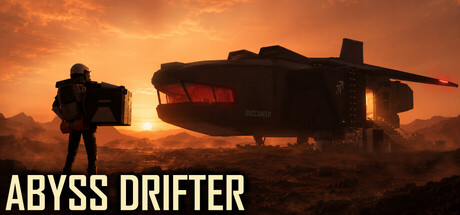
Abyss Drifter is a first-person space courier sim by solo developer VetusCorvum, built around one idea: in space, nobody is coming to help. The setting is a colonized frontier cut off from Earth after humanity banned advanced AI following a catastrophic war. Long-haul spaceflight regressed to something slow, manual, and dangerous, and the colonies at the edge of the map still need their cargo moved. That job is yours.
What separates it from other space sims is how much of the work happens with your hands. There is no autopilot and no waypoint marker. You find destinations by reading your dashboard: altitude, attitude, and a locator sweeping for signals. Refuelling at a station means opening a hatch, seating a nozzle, and setting the amount on a terminal. Far from anywhere, it means dragging a fuel barrel from your own hold. Breathable air is cracked out of ice on board, and hull damage gets welded in the field with an expensive cartridge or repaired properly by a drone at dock.
The economic layer is real, not cosmetic. More than 150 cargo types move through an open exchange system — rations, medicine, electronics, graphite rods, rare metal ingots, alcohol, even toxic waste. You buy low on your own account or take freight contracts with fixed fees and hard deadlines. The game is in active development with a demo planned for a future Steam Next Fest; wishlisting is how you hear when it goes live.
Abyss Drifter Details
| Detail | Info |
|---|---|
| Genre | First-person space courier / trading sim |
| Developer | VetusCorvum (solo studio) |
| Publisher | VetusCorvum |
| Platform | Windows 10/11 (Steam) |
| Price | To be announced |
| Players | Single-player |
| Release | To be announced (demo planned for a Steam Next Fest) |
| Controller | Full controller support |
| Store ID | Steam app 4553500 |
| Latest build focus | Trading exchanges, contracts, faction standing |
How to Play Abyss Drifter
Abyss Drifter has not launched, but the Steam page documents its systems in depth and the 2026 development updates confirm most of them are already playable in internal builds. Here is how the loop fits together.
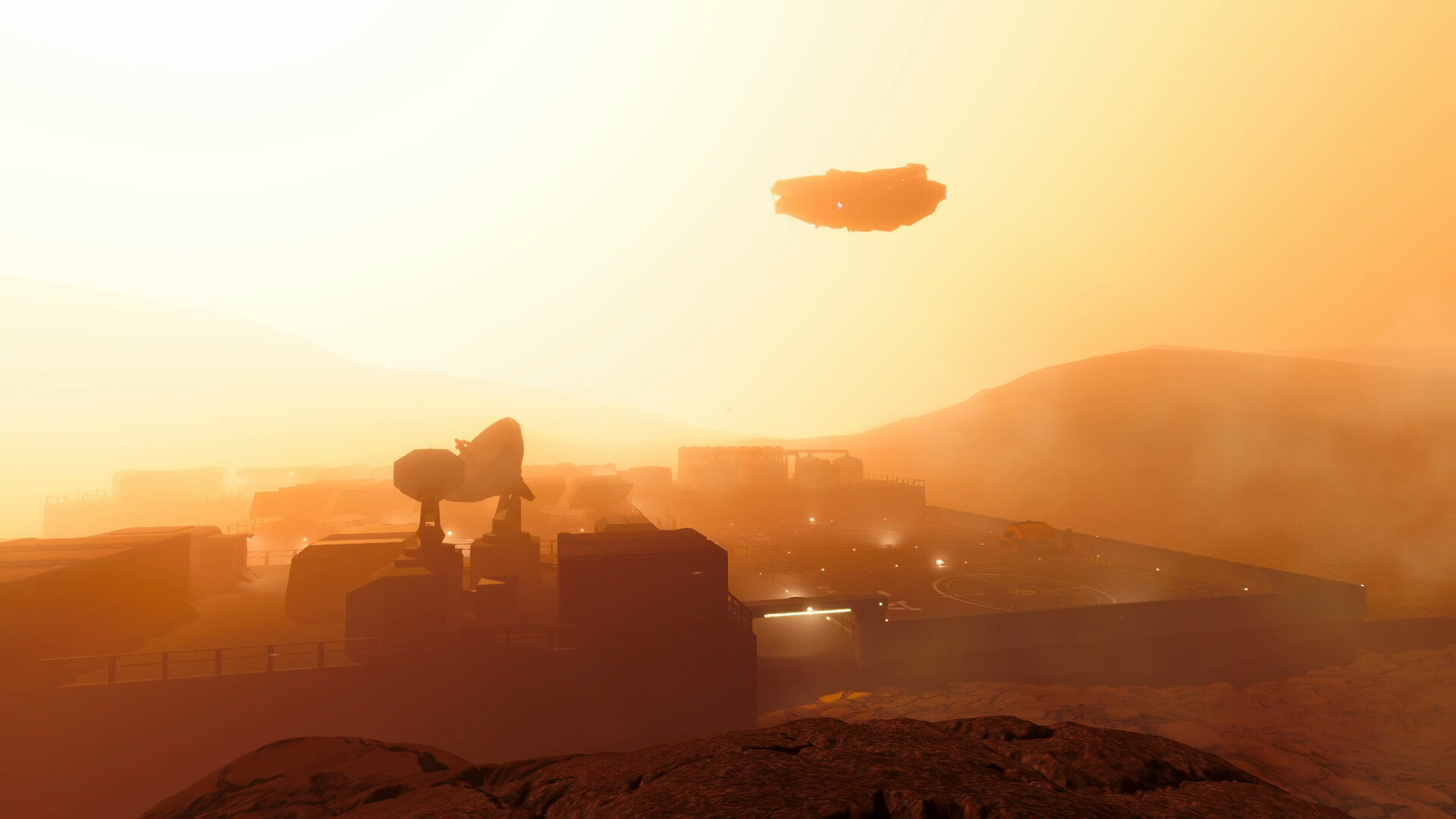
Fly by instruments. Nothing marks your destination. The dashboard shows altitude, attitude, and a locator that sweeps for signals; on dust-shrouded worlds you find the settlement on gauges alone, or you miss it and you do not get paid. Learning to fly by instruments — not by sight — is the game's first real skill wall.
Keep the ship alive like a machine, not a menu. Every ship system is physical. Refuelling is hatch, nozzle, terminal. Air is cracked from ice and piped where you decide it goes. Sealing a hold before opening its airlock stops you venting your ice reserve. Hit something hard and you feel it: slower flight, compartments losing air, a choice between field-welding the hull with a costly cartridge or limping to a repair drone.
Manage the suit before every excursion. Outside the ship, your suit carries oxygen, water, and power, and all three run down. Charge, fill, and check it before you step out. Skip the check and you get shortening breath, a rising radiation dose, darkening vision, and then nothing. Every walk outside is a plan: how far, how long, what you'll have left on the way back.
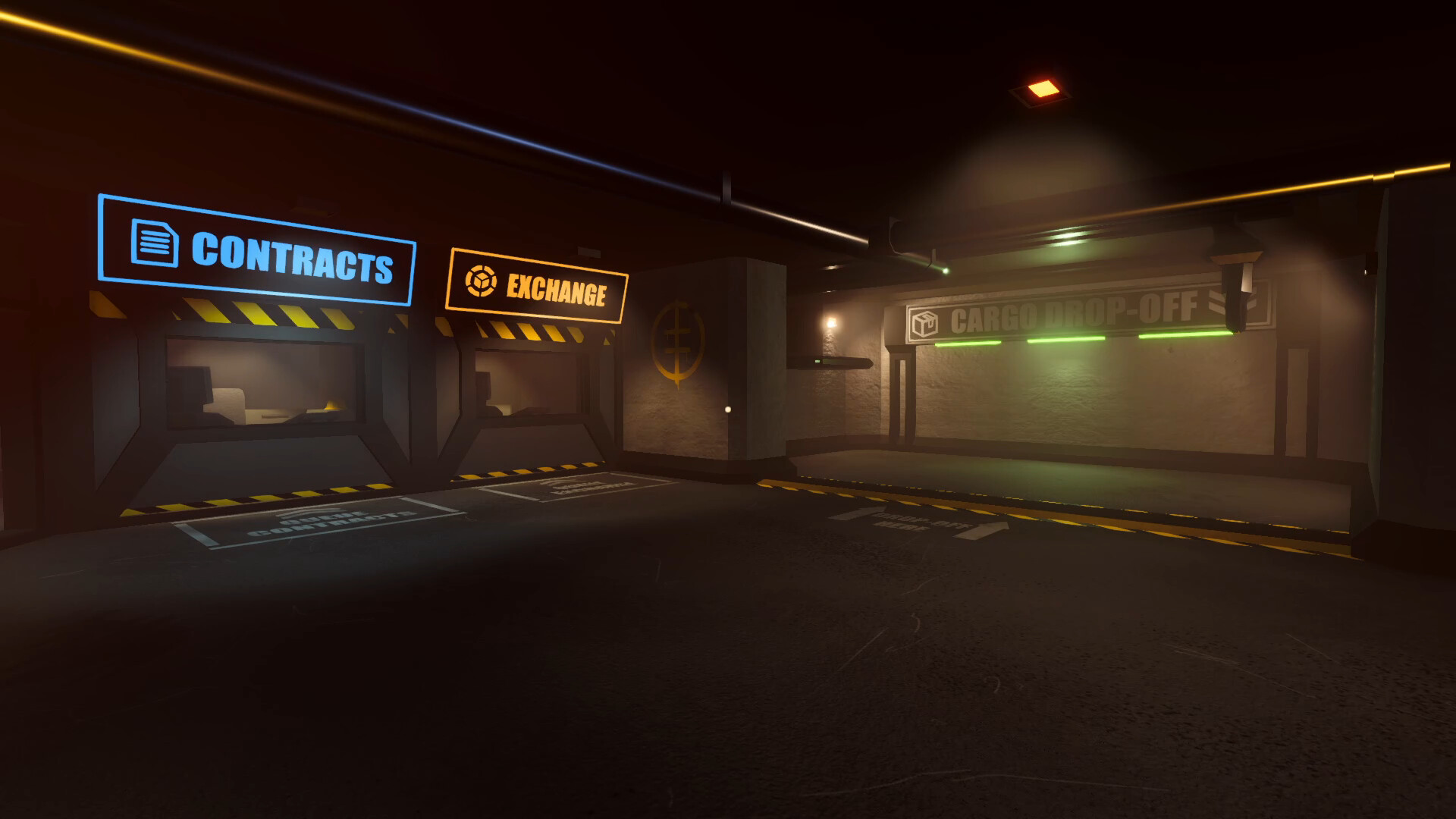
Work the exchange. Every trade post runs an open exchange. Compare local prices against other posts, work out which cargo is actually worth carrying on which route, and either speculate on your own account or haul somebody else's freight for a fixed fee.
Respect the contract clock. Freight contracts have delivery windows. Deliver early and your faction standing improves. Run late and every day costs a quarter of the pay and a quarter of the goodwill, until the fourth day kills the contract outright and leaves you a hold full of crates nobody will buy. Good standing means more concurrent contracts and bigger loads; a bad name closes doors.
Survival is a routine. Eat, drink, sleep, keep your radiation dose down. The recycler turns waste into drinking water. Cheap synthetic rations keep you fed while slowly making you ill, and vitamin deficiency from living on them is a real way to end a career.
Chase the unknown signals. Not everything is on the charts: drone wreckage from the war, ships broken open on far planets, abandoned outposts, expeditions that never reported back. Catch an unknown signal on the scanner and go look. Fit a salvage module and a grabber drone can fish cargo crates out of asteroid fields by hand.
Controls
Full controller support is confirmed. The exact desk bindings below follow the developer's trailer and feature descriptions; treat them as the expected baseline and verify on release:
| Action | Keyboard + Mouse | Controller |
|---|---|---|
| Move | WASD | Left stick |
| Look / aim camera | Mouse | Right stick |
| Interact (hatches, nozzles, terminals) | E | A / Cross (hold where shown) |
| Load / carry crates | Hold E | Hold A / Cross |
| Inventory & cargo manifest | Tab or I | D-pad / View button |
| System map | M | D-pad up |
| Dashboard readouts | F1 cycle | Right stick click |
| Weld / repair tool | Left click | RT / R2 |
| Pause | Esc | Start / Options |
Getting Started: What to Know Before Release
The trading economy just came online. The August 2026 development update, "the job now exists," confirmed the game previously had a ship you could fly, fuel, breathe in, and break, but no reason to go anywhere. Exchanges, contracts, deadlines, and the six-tier faction standing system are now in. That is the full core loop.
A demo is coming to a Steam Next Fest. The developer has stated the demo lands at a Steam Next Fest once core systems are finished. Given the trading layer only entered the build in late summer 2026, the earliest realistic window is the next Next Fest cycle; wishlisting is the stated way to hear about it.
It was built in public at Ukrainian Games Festival 2026. The August 2026 festival build rebuilt the store page and showed suits, survival needs, reworked crate-by-crate cargo loading, and manual refuelling. The developer is responsive in community announcements; questions there get answers.
Specs are modest but not trivial. Minimum: Windows 10 64-bit, Core i5-8400 or Ryzen 5 2600, 8 GB RAM, GTX 1060 or RX 580, DirectX 11, 5 GB storage. Recommended: Core i7-9700 or Ryzen 5 3600, 16 GB RAM, RTX 2060 or RX 6600, DirectX 12, 10 GB storage. The instrument-heavy cockpit rendering rewards a stable framerate more than raw resolution.
Family Sharing and single-player only. There is no multiplayer mode on the feature list. One save, one courier, one reputation.
Tips and Tricks
Learn the locator sweep before you fly anywhere important. The difference between a paid delivery and a lost one is reading a signal arc on a gauge. In your first hours, pick short hops to nearby posts and practice finding them purely by instruments until the sweep's rhythm is second nature.
Seal before you vent. The ship description is explicit: sealing off a hold before you open its airlock is the difference between routine unloading and burning through your ice reserve. Make pre-dock compartment checks a ritual and your air budget stops being a problem.
Buy a welder cartridge budget, not a welder cartridge. Field welding is described as expensive. Keep a running count of how many cartridges a typical route costs you; if a route needs more welding than its margin pays, that route is losing money no matter what the exchange says.
Deadline math beats speed. Late contracts lose a quarter of pay and a quarter of standing per day and die on day four. If you cannot make the window comfortably, decline. A failed contract costs you the hold space, the goodwill, and the crates.
Speculation for spare holds, contracts for reputation. Buying cargo low on your own account is how you build a bankroll. Contracts are how you build standing, and standing gates how many contracts you can hold and how big they are. Alternate: run contracts until a route's exchange spread looks juicy, then fill the remaining hold with your own speculation.
Feed yourself properly before long hauls. Cheap rations slowly poison you through vitamin deficiency. The recycler handles water, but food quality is a decision. On long contracts, the medical cost of bad diet arrives exactly when you are furthest from a doctor.
Check the suit three times. Oxygen, water, power. The game literally lists the consequences of skipping the check: shortening breath, rising dose, darkening vision, nothing. Excursion planning is "how far out, how long, how much left when I turn back" — do that arithmetic every time.
Advanced Tips
- Route-plan around exchange spreads, not distances. The open exchange lets you see what a good fetches locally versus elsewhere. Profitable routes are pairs of posts whose spreads pay for the fuel and the hours; the map distance matters less than the spread width per day of travel.
- Scrap empties as a line item. Every contract ships crates you will empty. The recycling terminal pays for bottles, ration tubes, and failed-contract leftovers. It is small money per stop, but across a long route it funds the welder cartridges.
- Track which goods feed survival systems. Rations and medicine are both cargo and consumables. Hauling the goods you personally consume turns resupply stops into inventory refreshes and hedges the risk of a route with no stations.
- Use unknown signals as route spice, not destinations. Wrecks and abandoned outposts are side pulls. Plan routes that pass a signal on the way; detouring for salvage on a deadline is how contracts die on day three.
- Fit the salvage module before you need it. The grabber drone that fishes crates out of asteroid fields only helps if it is installed. Fitting it costs hold or module space you will always feel — fit it anyway, because the first drifting cache you find pays for the trip.
- Six standing tiers, one negative. Reputation gates contract count and load size. Watch which faction actually posts the contracts on your preferred routes before sinking effort into standing with the wrong one.
- Ship upgrades change what routes are possible. Modules, systems, and eventually a new hull each unlock route profiles: more hold means bigger contracts, better life support means longer excursions. Decide whether your next credit goes to the ship or the bankroll based on which routes you want to fly, not which upgrade sounds best.
Final Tips
Abyss Drifter rewards the player who treats the ship as a machine and the job as a business. Read instruments until destinations stop being scary, keep the hull sealed and the suit topped up, and let the exchange spreadsheet — the one in your head — decide what flies where.
The demo is announced for a future Steam Next Fest, and the trading core just landed in the build, which means the systems you practice first will be the ones the developer spent 2026 tuning. Wishlist the game, watch the news feed, and be ready to fly the demo with the checklist habits this guide covers: instruments, compartments, suit, deadline, spread.
FAQ
When is Abyss Drifter releasing? No release date yet. The game is in active development with a demo planned for a Steam Next Fest. Wishlisting on Steam is the developer's stated way to hear when it goes live.
What is Abyss Drifter about? You play a freelance cargo courier in a frontier star system cut off from Earth after advanced AI was banned. You haul over 150 kinds of cargo between planets and stations, keep an aging ship alive by hand, and survive hunger, thirst, fatigue, and radiation between paychecks.
Who develops Abyss Drifter? VetusCorvum, a solo studio. The developer posts progress updates directly to Steam community announcements and took part in Ukrainian Games Festival 2026.
What makes it different from other space sims? Everything is manual. No autopilot, no waypoint markers, hand-cranked refuelling, air cracked from ice, hull welding with cartridges, and crate-by-crate loading. Navigation happens by reading cockpit instruments rather than following markers.
Is there combat? Combat is not listed among the game's features. The dangers are mechanical and environmental: hull damage, life support, radiation, and the consequences of missed deadlines. The setting references an old war, and wrecks from it are salvage sites.
How does trading work? Every trade post runs an open exchange showing local prices. You buy cargo on your own account and hope the spread holds, or take freight contracts for a fixed fee with a delivery window. Late contracts lose a quarter of their pay and standing per day and fail on the fourth day.
What is faction standing? Six tiers, one negative. Your reputation with a faction decides how many contracts you can hold at once and how large the loads can be. Good work opens the system up; failures close doors.
How does survival work? Eat, drink, sleep, and manage radiation. Breathable air is cracked from ice on board, the recycler turns waste into drinking water, and cheap rations slowly cause vitamin deficiency. Your suit carries its own oxygen, water, and power for excursions.
What platforms is it on? Windows 10/11 via Steam, with full controller support and Family Sharing. Console versions have not been announced.
What are the PC system requirements? Minimum: Core i5-8400 / Ryzen 5 2600, 8 GB RAM, GTX 1060 / RX 580, DirectX 11, 5 GB. Recommended: Core i7-9700 / Ryzen 5 3600, 16 GB RAM, RTX 2060 / RX 6600, DirectX 12, 10 GB.
Is there a demo? Yes, announced: the developer has confirmed a demo will land at a Steam Next Fest once core systems are complete. The trading economy entered the build in the August 2026 update.
Last reviewed by Game How To Editorial. We play each game, verify controls against official sources, and update guides when game mechanics change.
Screenshots