Official game
Play Your Debt Is Paid
This game is hosted by Steam. Continue to the official page to play or download it.
Wishlist on SteamWhat Is Your Debt Is Paid?
Your Debt Is Paid is a dark fantasy auto-battling roguelike from solo developer Chris Miluski, published under the Black Lantern Collective label. It is currently wishable on Steam with a release date still to be announced, and it runs on modest hardware: an Intel i3 with integrated graphics and 4 GB of RAM meets the minimum spec.
The premise does a lot of work. A mysterious being has captured you and given you a bargain: pay an ever-growing debt in Blood, or forfeit your life. Every dungeon expedition is a gamble. The Blood you harvest from monsters can be spent making your next run stronger, or hoarded to pay down what you owe. Die with the debt covered and you simply return to camp. Die broke and the run is over for real.
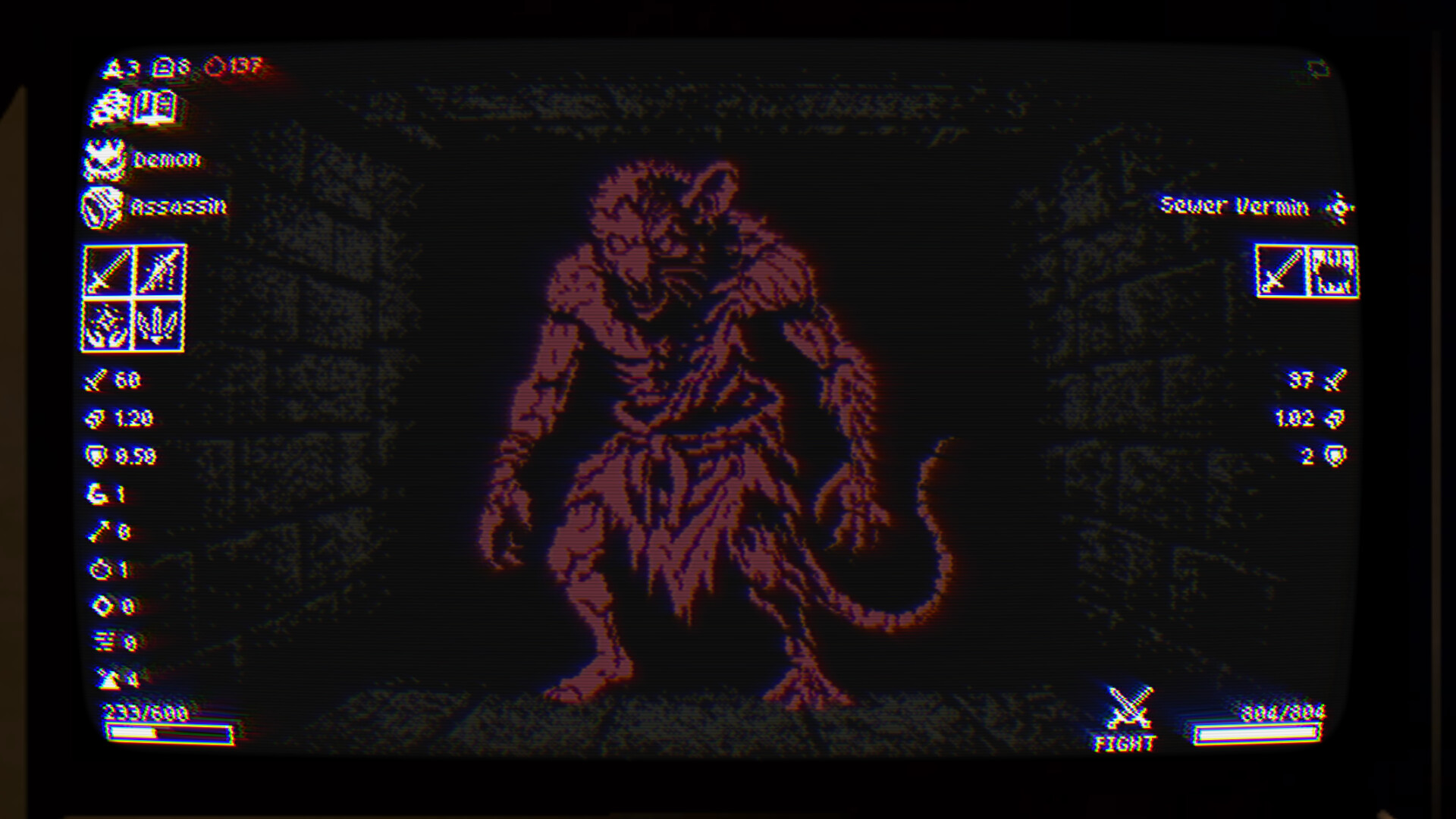
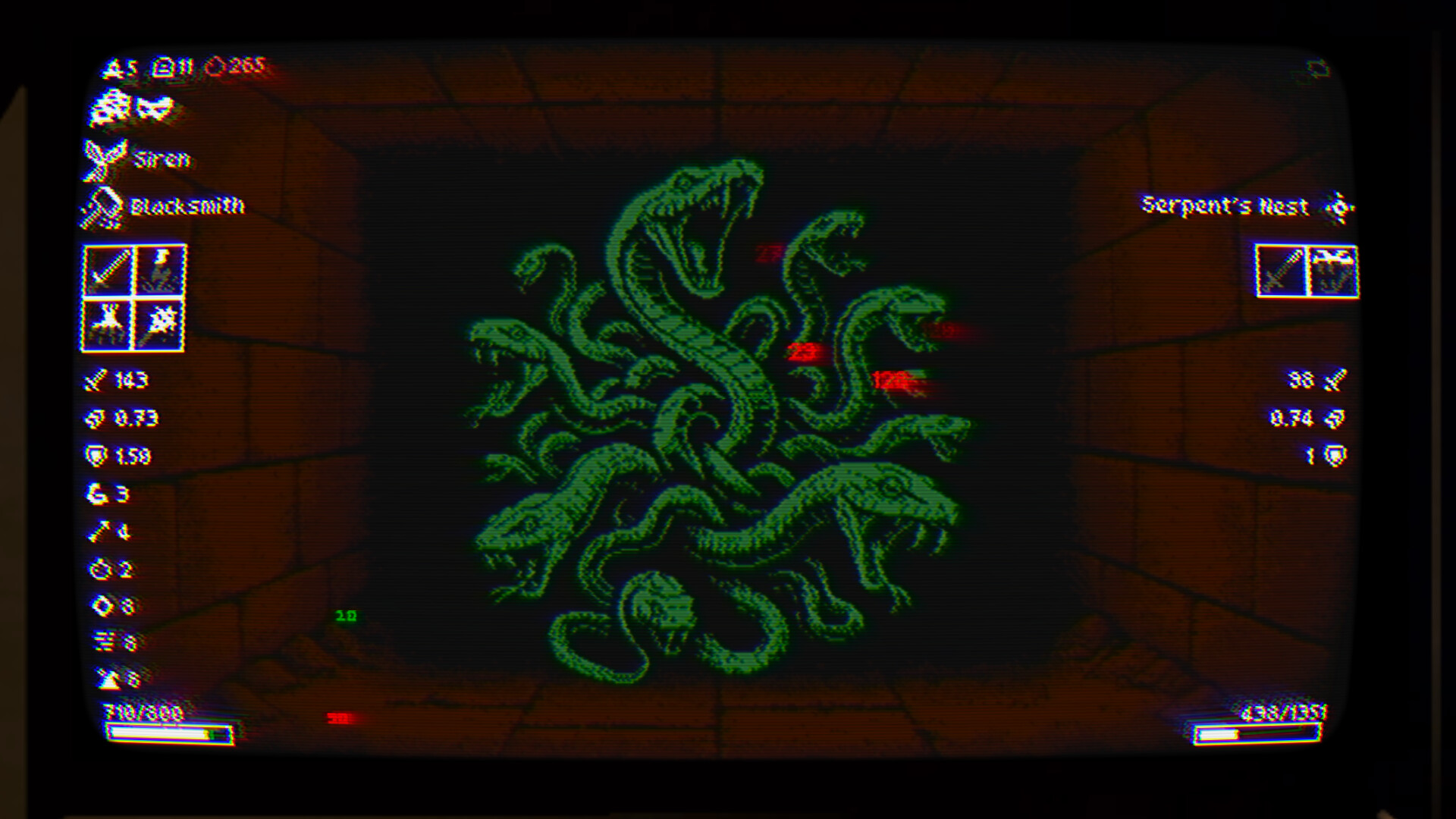
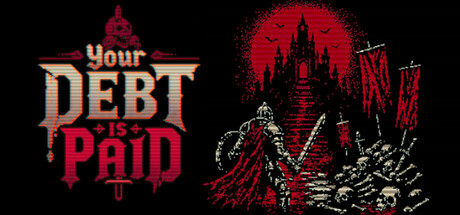
The wrapper is a forgotten cartridge from the 1990s. Retro visuals, CRT effects, and a haunted dark fantasy palette turn what could have been a spreadsheet-y auto-battler into something with genuine atmosphere. Chinese coverage of the game picked up on exactly this hook: a jam project about debt anxiety that grew into a full release, with one outlet noting the fit between roguelike structure and the psychology of owing money.
Your Debt Is Paid Details
| Detail | Info |
|---|---|
| Genre | Auto-battling roguelike, dark fantasy |
| Developer | Chris Miluski |
| Publisher | Black Lantern Collective |
| Platform | Windows (Steam) |
| Price | To be announced |
| Players | Single-player |
| Release | To be announced (wishlists open) |
| Store ID | Steam app 4891290 |
| Origin | Expanded from a 2026 game jam prototype |
How to Play Your Debt Is Paid
Battles resolve on their own. Your decisions happen before and between them, which makes this a game about reading odds and committing.
The run loop has four beats. Pick a Hero and a Bloodline, descend into the dungeon, collect Blood from defeated monsters, then choose: spend that Blood on upgrades now, or bank it toward the debt. Retreat is always an option, and knowing when to take it is most of the skill.
Blood is both XP and money. This is the decision engine of the whole game. Every point of Blood spent on a relic is a point not counting toward the payment deadline, and every point hoarded is power you did not buy. The store page calls every expedition a gamble, and the gamble is literally this split.
The debt grows on a schedule you do not control. Your captor raises the price of survival as you play, so early hoarding is safer than late hoarding. The payment window tightens as runs go deeper.
Death is a fee, not a fail state. As long as you can afford the payment, dying sends you back to camp to try again. The real game over is running out of Blood when the bill comes due. Plan around staying solvent, not around staying alive.
Controls
The game is built for hands-off combat, and the accessibility list backs that up: full controller support, DualShock and DualSense support, a mouse-only option, adjustable text size, custom volume controls, and no timed inputs.
| Action | Keyboard + Mouse | Controller |
|---|---|---|
| Select option | Left click | A / Cross or d-pad |
| Navigate menus | Mouse move | D-pad / left stick |
| Confirm choice | Left click | A / Cross |
| Back / cancel | Right click | B / Circle |
| Pause | Esc | Start / Options |
Nothing in the run loop demands reflexes. If you can play a card game, you can play this.
Getting Started: What to Know Before Release
Wishlist it now, expect a demo window later. The store page is live but undated. Small roguelikes in this bracket usually ship a demo during a Steam Next Fest before launch, and given the jam origins, a free vertical slice is plausible. Nothing is announced yet.
The hardware bar is nearly zero. Minimum spec is Windows 7 or higher, an i3, integrated graphics, and 1 MB of storage. This is a laptop game. If it runs on the machine you read this on, you are fine.
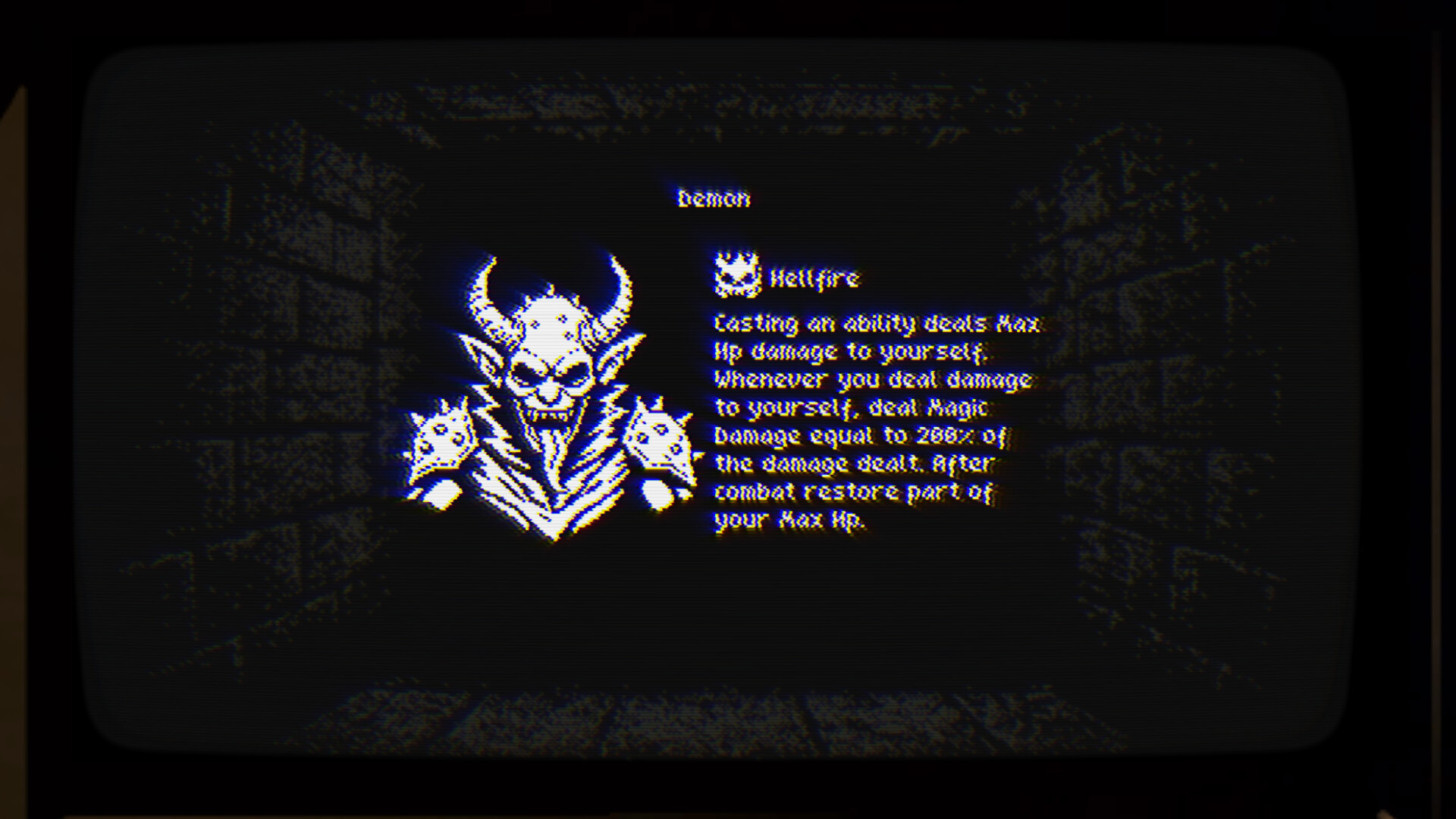
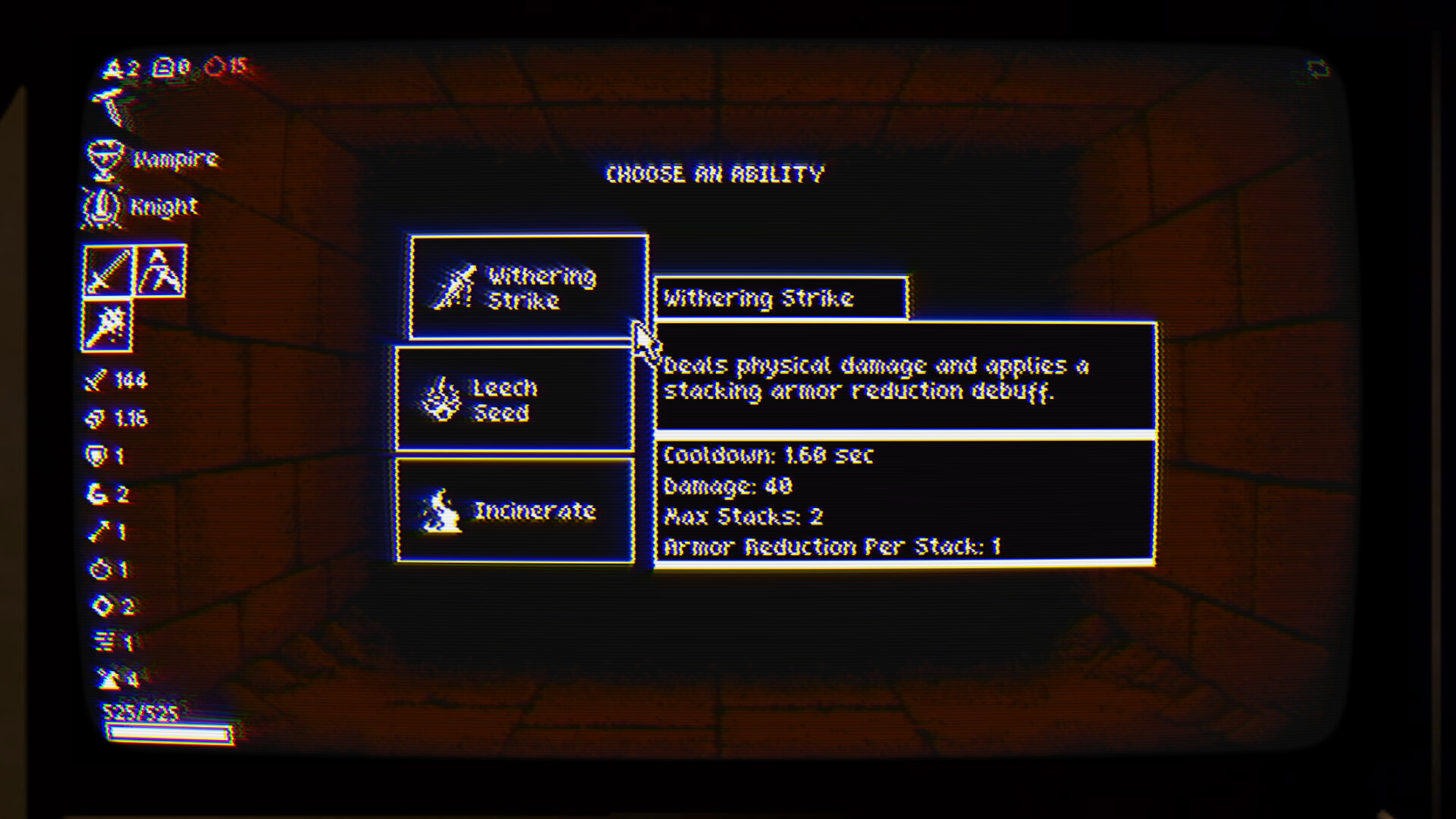
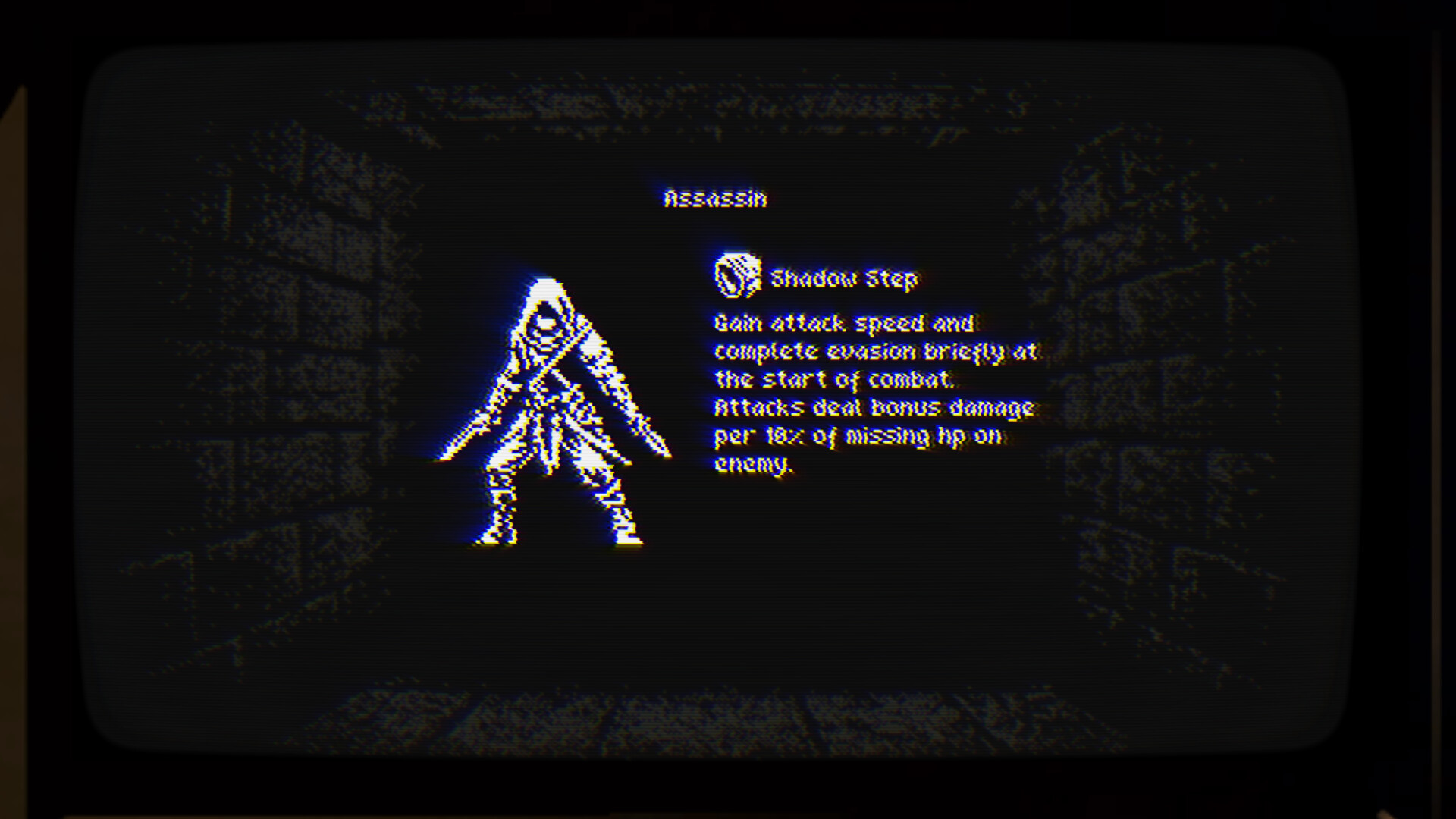
Structure expectations around the feature list. Confirmed systems: Heroes, Bloodlines, Realms, Ascension Levels, relics, enchantments, and an ever-increasing debt. That is enough to know the shape of progression even before numbers get published.
The jam pedigree matters. The project began as a two-week entry for the Creepy Clicker Horror Game Jam 2026 and was then expanded into a full release. Jam-to-commercial builds tend to launch lean and patch often, so early reviews will age fast. Check the news hub rather than launch-week verdicts.
Tips and Tricks
Grounded in the announced systems and how this genre behaves:
Hoard early, spend late. The debt only grows, so the cheapest payments are the first ones. Bank Blood during the opening runs while the bills are small, then pivot into spending once your safety margin is established.
Read the retreat math before every floor. Push-your-luck games are won by players who quit one fight earlier than feels brave. The store copy says it outright: retreat before it is too late. If the next floor's expected Blood does not beat the risk, leave.
Pick Bloodlines for synergy, not power. A Hero and Bloodline pairing that multiplies one mechanic will outscale a stronger raw stat line with no interactions. Auto-battlers reward plan coherence over numbers.
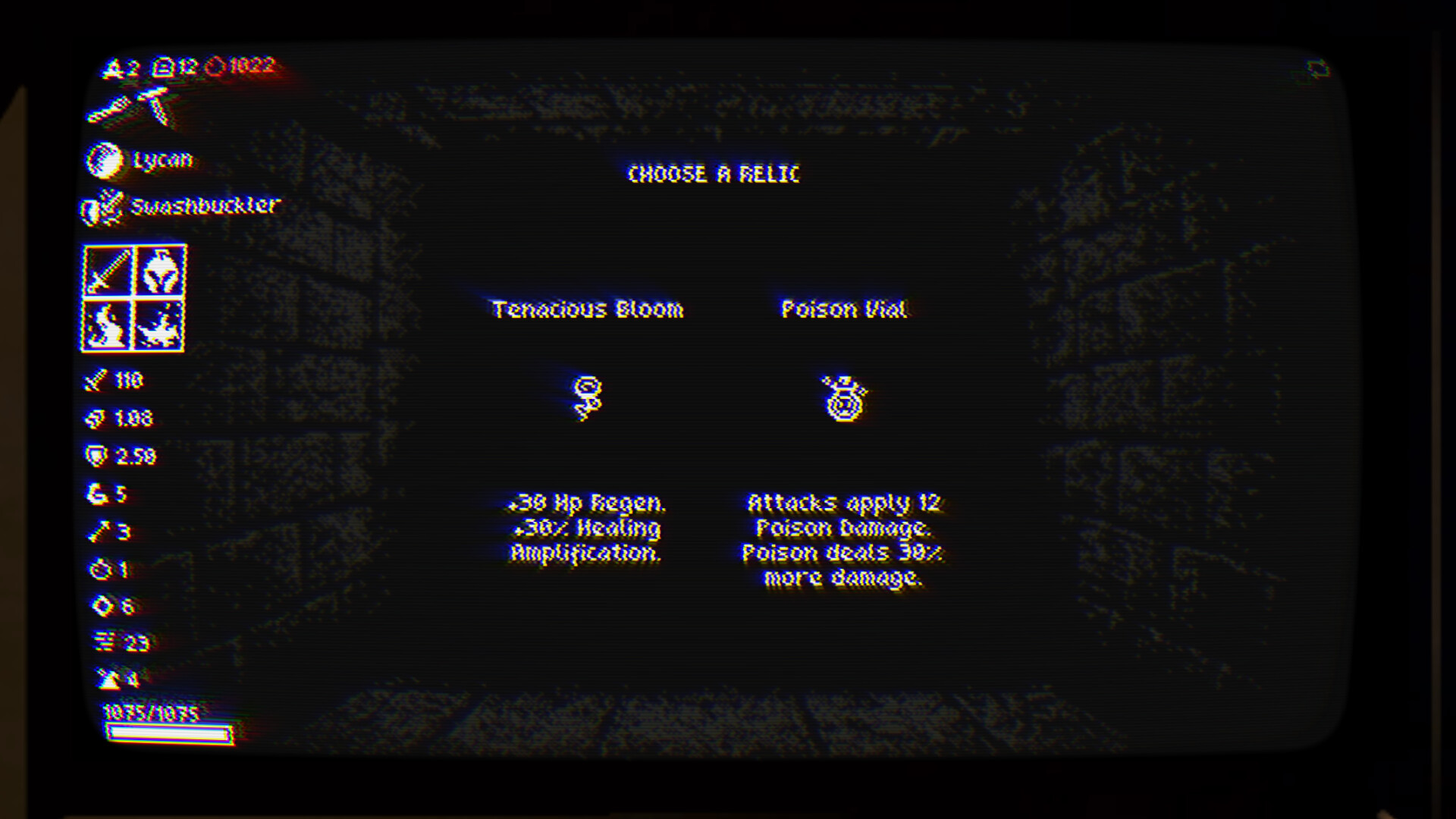
Treat relics as a build thesis. Every relic should push the same direction. A spellcasters build with one melee relic is weaker than a smaller build where everything stacks. When choices conflict, take the smaller effect that fits.
Learn what your debt payment actually buys. Death with a paid debt is a continue. That makes the payment the single most valuable resource in the game, ahead of any relic. Budget for it first.
Watch the ledger, not the health bar. In auto-battlers the combat happens without you, so attention is free for the meta-game. Track how much the next payment costs, how deep you are, and how much Blood a retreat is worth right now.
Advanced Strategies
- Build around one-win-condition runs. The store promises combinations capable of breaking the game in spectacular ways, from relentless spellcasters to one-hit warriors. Those are the two archetypes to chase: damage over time that never stalls, or burst that ends fights before they start.
- Spend down before a payment deadline. Blood in the bank at a deadline is wasted opportunity. When you know a payment is close, convert surplus Blood into permanent power first, then pay exactly what remains.
- Map Realm modifiers to your build before entering. Unique realms with creepy monsters means modifier variance. A realm that counters your damage type is a debt trap disguised as content. Skip realms that tax your thesis.
- Climb Ascension Levels only after a stable economy. Ascension raises difficulty for rewards. Do it from a position of solvency, not to escape a losing ledger. A debt spiral at high Ascension is unrecoverable in a way a normal run is not.
- Log your run endings. Solo-dev roguelikes balance around visible failure points. If you keep dying at the same depth with the same build family, the fix is a different Bloodline, not a better version of the same one.
Final Tips
This is a budgeting game wearing a monster costume. Battles take care of themselves, so every scrap of value you get comes from three decisions: when to dive, when to spend, and when to walk away. Keep the ledger in your head, pay before you are asked, and let the auto-battler handle the fighting.
Until the release date lands, wishlist the game, keep an eye on the Steam news hub for a demo, and warm up on the genre staples if the subgenre is new to you. The systems are simple to learn and deep to break, which is exactly the combination that makes small auto-battlers outlive their launch window.
FAQ
When does Your Debt Is Paid release? No date yet. The Steam page is live with wishlists open and the release date listed as to be announced.
Who makes Your Debt Is Paid? Chris Miluski develops, and Black Lantern Collective publishes. The game began as a two-week Creepy Clicker Horror Game Jam 2026 entry before being expanded into a full release.
What platforms is Your Debt Is Paid on? Windows PC via Steam. The listed minimum spec is Windows 7 or higher with integrated graphics, so almost any laptop handles it.
Is Your Debt Is Paid a deckbuilder? It is adjacent. You pick a Hero and Bloodline, then collect abilities, relics, and enchantments that stack into a build. Battles play out automatically rather than through card play.
How does the debt mechanic work? Monsters drop Blood, the only currency. Your captor's debt rises continuously. Blood can be spent on run upgrades or saved to make payments. Death sends you back to camp only if you can afford the payment; running out of Blood ends the game.
Does Your Debt Is Paid have controller support? Yes, full controller support including DualShock and DualSense, plus a mouse-only option, adjustable text size, and no timed-input requirements.
Is there a demo? Not yet. Given the game's jam origins and current wishlist stage, a pre-launch demo is plausible but unannounced.
What should I play while waiting? Any push-your-luck roguelike scratches the same itch: risk management under a rising cost curve, with build variety doing the long-term hook.
Screenshots