Daily Pick
One deeply researched guide worth reading today.
A practical route through the systems that matter most, written to help new players make confident decisions quickly.
Overview
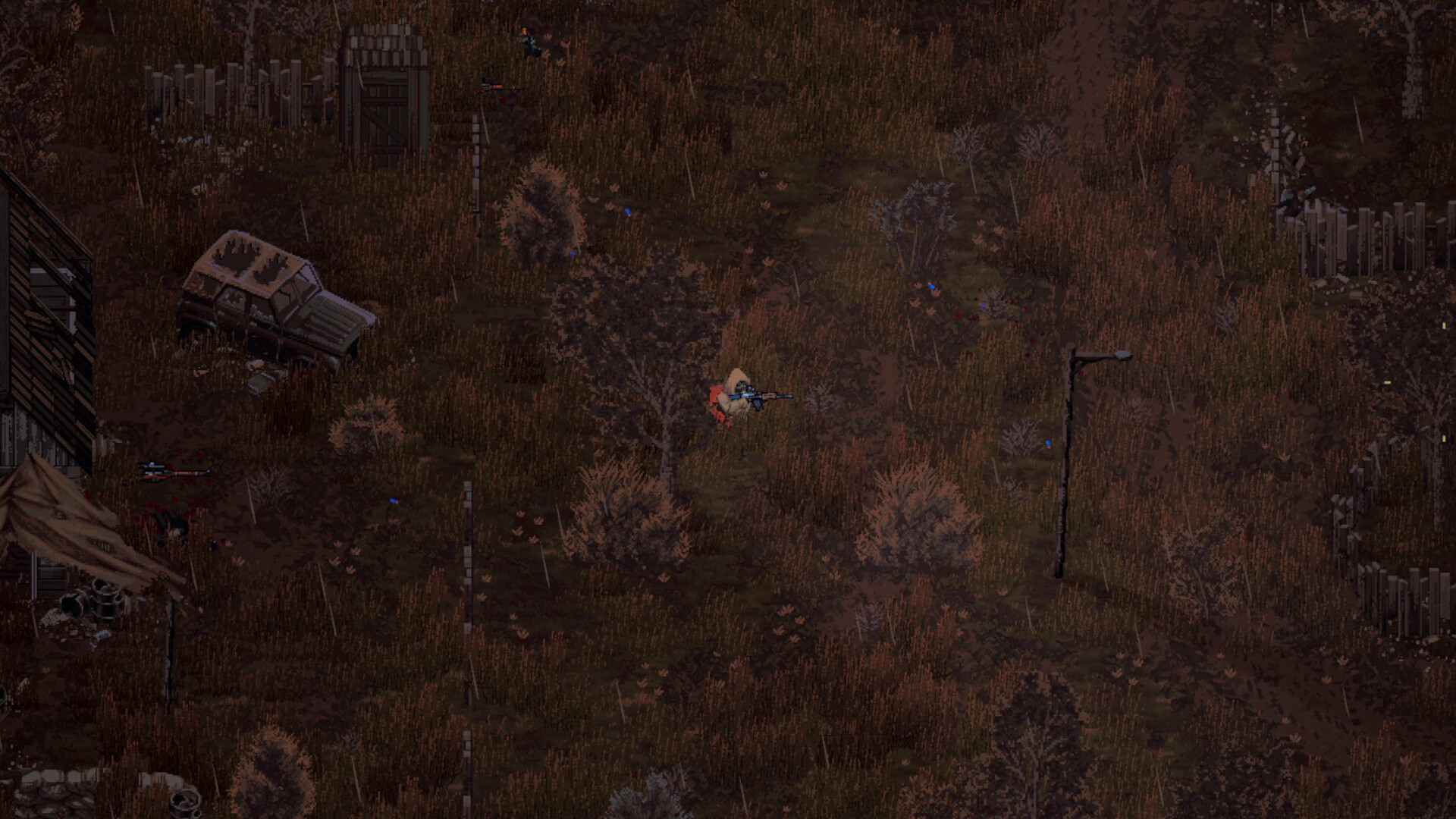
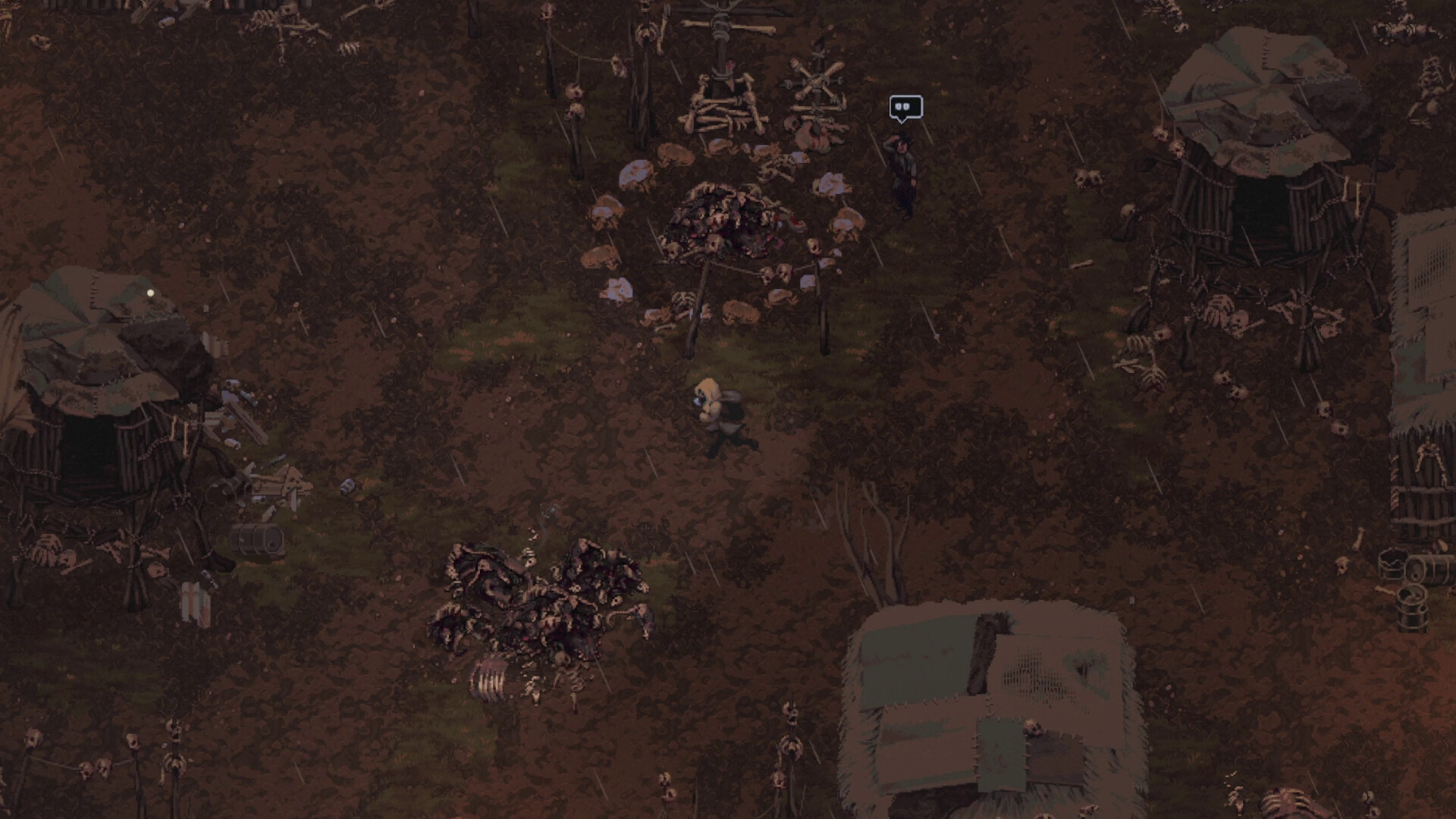
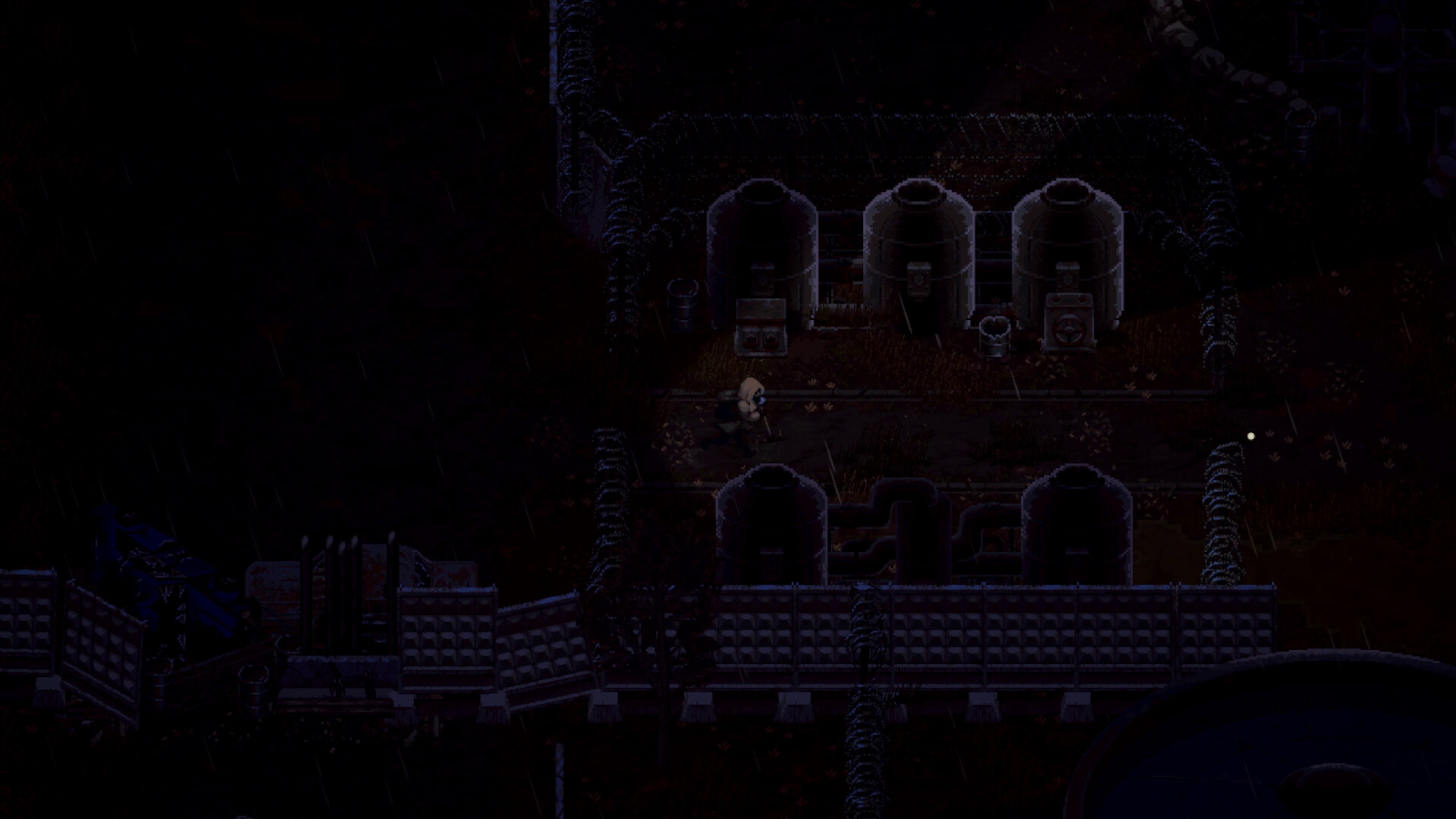
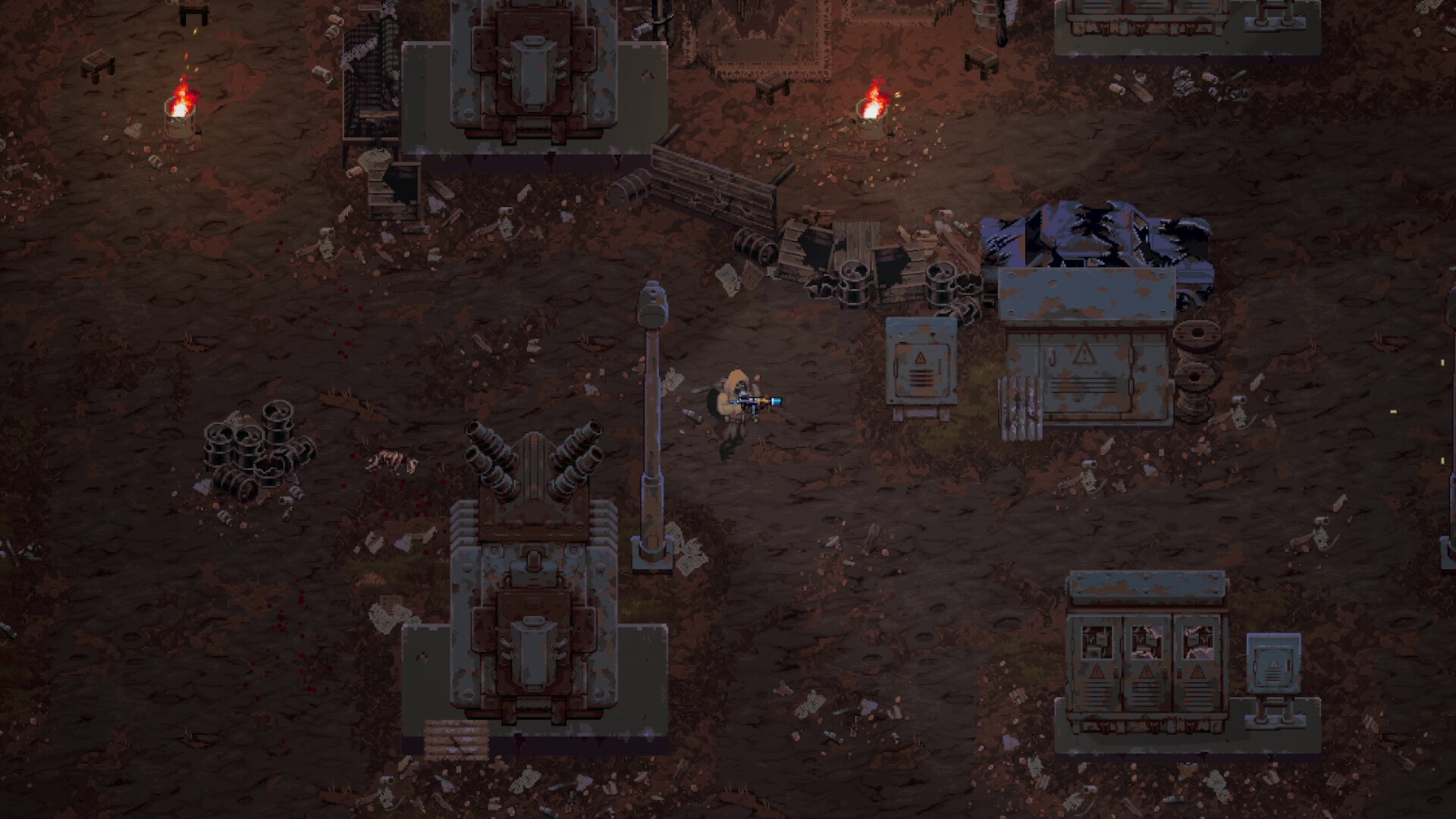
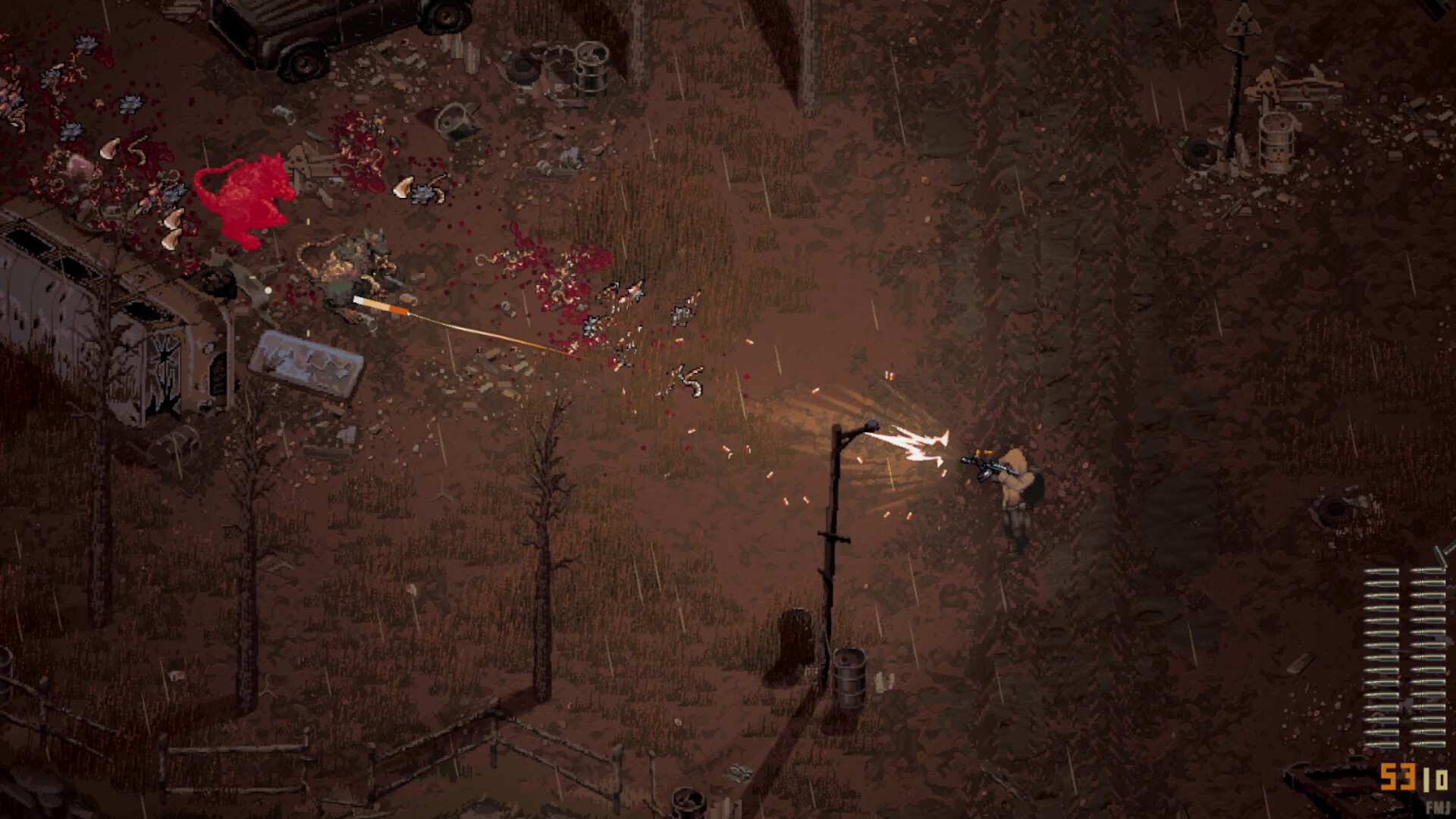
SCAVLAND is a hardcore top-down survival RPG set in Zalesye, a post-Soviet region ruined by war and stalked by a phenomenon called the Mist. You play a Vulture, a professional scavenger who lives off what the old world left behind. The loop is simple to describe and brutal to execute: prepare, explore, scavenge, survive, return, upgrade, go deeper.
Developer NoShadow spent six years building it, grew from 3 people to around 15 along the way, and launched Early Access on September 4, 2026 with more than 230,000 wishlists. The game sits in the S.T.A.L.K.E.R. and Escape from Tarkov tradition, and the DNA shows everywhere. Ammunition is scarce, weapons jam at the worst moment, radiation and cold kill you without a single enemy attack, and one bad decision can erase a run's worth of loot. It is a risk management simulator wearing pixel art.
Launch went well by Early Access standards. The game holds a Very Positive rating on Steam, and the developers shipped five substantial updates in the first three weeks, including a full pass over weapon durability, accuracy, stamina, traders, and AI. Players coming from Zero Sievert or S.T.A.L.K.E.R. GAMMA mostly agree on one thing: this game follows the Stalker formula, not the Tarkov one, and it is closer to GAMMA in mood than anything else in the genre at this price.
| Fact | Detail |
|---|---|
| Developer / Publisher | NoShadow / NoShadow + UNSUBSCRIBE |
| Genre | Top-down pixel-art survival RPG |
| Platform | Windows (Steam), Steam Deck and controller support |
| Released | September 4, 2026 (Early Access), $19.99 |
| Setting | Zalesye, Soviet post-apocalyptic wasteland |
| Role | Vulture, professional scavenger |
| Death modes | Returner (recoverable deaths) or Iron Man (permadeath) |
| World | Handcrafted surface + procedural underground bunkers |
| Factions | Strelki, Mutniki, Rada, plus settlements and traders |
| Rating | Very Positive on Steam (around 88% positive) |
| Spec floor | 64-bit OS, quad-core 2.77 GHz, 4 GB RAM, 2 GB VRAM |
Who it is for: players who loved S.T.A.L.K.E.R.'s atmosphere at a top-down pace, Tarkov loot tension without PvP stress, and survival RPGs where preparation beats reflexes.
Who it is not for: anyone who wants fast arcade combat, cooking and skill trees on day one, or a finished main story. Main quests can still soft-lock as of patch 0.7.2, and several headline systems (cooking, anomalies, artifacts) are not in the game yet.
What the Launch Patches Changed
Scavland's meta lives in its patch notes. Three weeks of updates reshaped core systems, and playing on outdated knowledge costs you runs.
| Version | What it changed | Why you care |
|---|---|---|
| 0.5.169 (Day One) | Quest items get inventory markers; AI can no longer shoot from off-screen; neutrals can't be stealth-killed | Off-screen deaths are mostly gone; check every item for the quest tag before selling |
| 0.6.0 | Sleeping added; jobs overhauled; traders and loot rebalanced; controls fully rebindable; Chinese localization (early pass) | Sleep is your free out-of-combat heal; rebind before you settle into defaults |
| 0.6.2 | Sleeping restores 5 HP per in-game hour; Leon 1895 revolver deals +50% projectile damage at every barrel length | The Leon 1895 jumps to the top of the early-game weapon list |
| 0.7.0 | Stash expansions (50,000 Rubles per tab); stash and crafting tables in all main camps; Death Screen rebuilt; major durability, accuracy, stamina and AI rebalance; traders pay +5% sell value per rank | Weapons last far longer, jams punish less, and the 50k stash tab is the best long-term money sink |
| 0.7.2 | Raisa the Diplomat can offer follow-up jobs without waiting for the current one; her jobs rebalanced | Raisa's job chain is the most efficient repeatable income in the current build |
Saves from before 0.7.0 still load, but the developers recommend a fresh save to experience the rebalanced progression. If you bounced off the game in launch week, the durability and jam changes alone are worth a restart.
Getting Started: Your First Runs
The first 30 minutes
- Finish the tutorial quest. "Dead Man's Rest" teaches the map marker system, looting, and your first fight. One warning from launch week: dying in the tutorial drops you into the main game rather than restarting the tutorial, so treat those first fights as real.
- Spam F5 like it is a job. Quicksave discipline is the community-endorsed answer to Returner mode's harsh edges. Save before every building, every loot room, and every road crossing. Save-scumming is not a sin here; it is the intended pressure valve.
- Take rats seriously. The first rat quests look like chores. They are not. Rats and dogs swarm, shred new players in seconds, and rat lords travel with hordes. Bring a melee weapon, never fight them in a doorway you can't back out of, and accept that retreating from a rat basement is a win.
- Sleep every night. Beds heal 5 HP per in-game hour, and sleeping skips the brutal early-game nights when you have no light source and no way to pass time otherwise. Darkness falls fast in Zalesye, and there is no wait button.
- Loot by priority, not by greed. Food, medicine, ammo, and water first. Junk has uses later, but your backpack is tiny and the game floods you with quest trinkets after the first half hour. Leave town with empty space so a valuable find never has to stay on the floor.
- Accept every job that matches your route. The journal becomes a pile of fetch quests within 30 minutes, and most exist to build trader reputation. That is fine. A contract that pays you to visit a building you were looting anyway is double progression.
Beginner mistakes to avoid
- Fighting everything. Unsuppressed gunfire is a dinner bell for every bandit and mutant in earshot. NPCs know exactly where you are if your weapon is loud. Silent kills with melee, bow, or crossbow keep encounters on your terms.
- Sprinting to an empty stamina bar. Total exhaustion does not just pause regeneration. It permanently reduces your stamina capacity for the run. Arrive with reserve, walk the last stretch.
- Ignoring the quest item markers. Since Day One, quest items carry inventory markers. Check before you sell; broken vendor-recognition bugs have soft-locked quests for players who sold the wrong trinket.
- Eating raw food on a schedule. Raw meat fills about 5% hunger and adds radiation. Purchased cooked meat fills 20% with low radiation and costs real money. The raw-food path quietly forces you into spending more on meds than you saved.
- Leaving repair kits at home. Weapons wear fast in dirty fights. Post-0.7.0 they last far longer, but a gun dragged into the red still jams at the worst moment, and vendors do not repair gear. Gun lube fixes decent-condition weapons; full kits are for badly damaged guns.
- Shooting near town. Stray bullets damage your reputation, and players have turned entire settlements hostile by accident with no clear way back. Holster the rifle before you walk into a crowd.
Core Mechanics Under the Hood
The Vulture loop
Every run costs three resources: backpack space, equipment condition, and reputation. Space decides what a run is worth. Condition is the maintenance bill you pay between runs. Reputation gates the best trader stock and compounds over weeks of play. Loot is only yours once you carry it home, and survival is the extraction.
The world runs on an A-Life style simulation. NPC patrols travel, factions fight each other, and the distant gunfire you hear is a real encounter you can go investigate. Arrive at a fight's aftermath and you will find casings and corpses. The world does not wait for you, which makes every expedition feel witnessed.
Returner vs Iron Man
Returner mode is the default: death costs you your carried loot, but the run is recoverable and your stash survives. Iron Man is permadeath, and the rebuilt Death Screen makes the choice explicit: Continue or Load in Returner, New Game or Exit in Iron Man. The economy in Returner mode runs generous and is still being tuned. Pick Returner for your first playthrough; Iron Man is for players who already know where Zalesye hides its teeth.
Money and the trader economy
Rubles come from jobs, sold loot, and repeatable chains. Three numbers define the current economy:
- 50,000 Rubles buys an extra Stash tab in the main village. It is the single best investment in the game because stash space converts directly into trading profit and craft flexibility.
- +5% sell value per Trader Rank means every vendor you grind is a permanent discount on everything you will ever sell. Ranks apply automatically.
- Zero vendor repairs. Vendors buy and sell but never fix your gear. Budget repair kits and gun lube as consumables on every long expedition.
Vendors only buy certain item categories, and the sell UI signals acceptance with a color change when you drag an item over. Learn each trader's appetite early; it turns loot runs from gambling into planning.
Weapons, durability, and jams
Every firearm accepts attachments, and building a gun around your playstyle is one of the game's quiet joys. The 0.7.0 rebalance made the whole arsenal more forgiving: weapons last significantly longer, jams are less punishing, and most guns received accuracy, range, durability, or damage improvements. Found weapons now drop at usable condition instead of launch week's near-broken state.
The jam protocol still applies. When your gun clicks instead of bangs, stop pulling the trigger, break line of sight behind real cover, clear the malfunction, and only then reassess. You cannot interrupt a reload except by dodge-rolling, so with tube-fed weapons, roll-cancel and re-engage rather than eating the full animation mid-fight.
Cover is literal in Scavland. Sandbags block shots completely and cannot be fired over. Plan positions around what actually stops bullets, and remember the AI sees and uses the same rules.
Stamina, cold, and radiation
Stamina powers sprinting, melee, and dodging. Draining it completely triggers a permanent capacity reduction for the run, so the yellow bar is an emergency reserve. Food is part of stamina management, and time passes even while you stand at workbenches, which means crafting sessions quietly burn through your hunger bar.
Cold kills through the freezing meter, and the safest route between two points is the one passing campfires, torches, and barrels of fire, not the shortest one. Radiation accumulates in industrial zones and underground, and entering those places without anti-rad supplies turns greed into a death sentence.
The Mist and the RO-29
The Mist is the setting's spine: it consumed the Continent, Zalesye survives at its edge, and the main story follows the RO-29 Highway east toward land the Mist may not reach. Mechanically it is the threat that does not play fair. When fog starts creeping toward you, abandon the objective. Never linger over corpses after a fight; loot what you need and move, because the real danger often begins after the shooting stops.
Procedural bunkers
The surface is handcrafted. Bunkers are procedural, so no two playthroughs share the same tunnels. They hold the strongest early-game loot and demand over-preparation: anti-rad medicine, meds for two fights minimum, a sidearm in a different caliber, and a full stamina bar at the entrance. Clear the first room, check the walls for alternate doors, and never open a container while a mutant is mid-alert. The exit is the only part of the run that matters.
Step-by-Step Strategy: The First Week In Zalesye
The opening sequence
- Complete "Dead Man's Rest" and bank the haul. Sleep at the base immediately. Do not push deeper yet.
- Clear the rat quests with a melee weapon. They teach swarm control, they pay, and ignoring them leaves the town surroundings dangerous for your early loops.
- Take the Leon 1895 as your first real gun purchase. The +50% damage buff from 0.6.2 makes every barrel length a genuine sidearm-to-primary bridge. Pair it with a Makarov PM as the panic gun.
- Stack Raisa's jobs. Since 0.7.2, the Diplomat offers follow-up work without waiting for the current job to finish. Her chain is the densest repeatable income in the game. Run it every time you are in town.
- Run one static loot loop until you can afford a second weapon. One route you know cold: enter, check the containers, take the safe items, leave. Repetition builds the map knowledge every later run depends on.
- Buy your first stash tab at 50,000 Rubles. Until then, sell aggressively and keep only quest items, meds, and ammo. After it, your selling floor rises and every junk haul has somewhere to go.
- Craft a bow or crossbow before your third expedition. Silent ranged kills change the risk profile of every survivor camp and save ammunition you will want underground.
- Enter a bunker only with the full kit. Anti-rad, two stacks of meds, different-caliber sidearm, full stamina, clear exit plan. Bank the haul and leave at the first sign of trouble.
The faction grind sequence
- Pick one faction first: Strelki, Mutniki, or Rada. Their shops differ, and split early reputation helps nobody.
- Do every low-tier contract they post, even the boring ones. Reputation compounds, and the +5% per rank sell bonus applies to every future sale.
- Talk to every named NPC. Dialogue unlocks contracts that never appear on boards, and some conversations contain clues that simplify later objectives.
- Buy reputation-locked gear before shiny toys. Unlocked stock is permanent progression; a marginally better gun is not.
- Reinvest when prices improve. Standing improves prices, improved prices make grind jobs pay better, and the loop feeds itself.
The money loop
Morning:  accept Raisa's stacked jobs + any contract on your route
Midday:   run your static loop, silent-kill isolated targets, loot by priority
Dusk:     sell to the traders who rank up fastest from your junk
Night:    sleep to heal, F5, repeat next morning with better prices
Milestone: 50k Rubles -> stash tab -> bigger hauls -> faster rank climbs
Three in-game days of this loop funds the first stash tab for most players. Once buying and selling stops requiring inventory Tetris, every other system in Scavland gets cheaper.
Loadouts: The Zalesye Meta
Early weapon tier list
| Tier | Weapon | Why |
|---|---|---|
| S | Leon 1895 (any barrel) | +50% projectile damage since 0.6.2; reliable, common ammo, scales from sidearm to primary |
| S | Iron Pipe / Crafted Club | Free stealth kills, smashes crates and barrels, saves bullets; human enemies fall back and call backup instead of pushing |
| A | Bow / Crossbow | Silent ranged takedowns, craftable, crossbow is a low-tech sniper rifle |
| A | Makarov PM | 0.15 kg, 12 rounds, 9x18mm everywhere, cheap to feed; the workhorse panic sidearm |
| B | Sawn-Off / Coach Gun | Point-blank emergency eject; one bleed per shot maximum under current rules |
| C | Long guns in red condition | A rifle that jams mid-fight is a liability, whatever its paper stats |
The working starter kit
Melee (iron pipe or club)   -> silent kills, crate duty
Leon 1895 (+50% damage)     -> primary, all ranges under 30m
Makarov PM (9x18mm)         -> panic sidearm, different caliber
Bow or crossbow             -> silent removal of lookouts
2 stacks meds + gun lube    -> the maintenance bill, paid upfront
One melee tool, one buffed revolver, one cheap pistol, one silent option. That kit survives the opening week and leaves grid space for loot.
Modding rules
- Match the loadout to the biome. Swamp runs want meds and heat sources; bunker raids want anti-rad and a different-caliber backup.
- Chase range upgrades. A longer barrel lets you engage survivor camps before they spot you, and first strike in Zalesye is usually the last strike needed.
- Mod handling, not just damage. A jammed gun deals zero damage, and handling mods keep you shooting through the fights that go sideways.
- Trust the green arrows. Hovering over any weapon shows a green arrow for an upgrade and red for a downgrade, including ranged comparisons. When it flashes green and your ammo covers it, swap.
Advanced Tips
Hunger math decides your budget
Cooked meat fills 20% hunger with low radiation and costs meaningful Rubles. Raw food fills 5% and poisons you toward med spending. There is no cooking skill in the game yet, so the shop is the kitchen. The efficient play is eating purchased cooked food before expeditions, carrying raw food only as emergencies, and never crafting on an empty stomach, because workbench time advances the clock and drains the bar.
Read the patch notes before every session
The changelog is a gameplay manual. Bleed chance from human bullets dropped from 50% to 33%. Shotguns apply one bleed per shot instead of one per pellet. Sleeping heals 5 HP per hour. The Leon 1895 got a 50% buff. Players who know the current build's rules make different (better) decisions than players who don't, and in a game patched this fast, the gap is worth real Rubles.
Repair economics are a decision, not a chore
Vendors never repair. Gun lube handles decent-condition weapons; full kits are for the badly damaged. That means cheap broken guns are often worth more as salvage than as repair projects, and rare guns are worth hoarding until you can afford the kit. Decide per weapon, per run, and stop paying repair costs that exceed the gun's price.
Reputation is fragile near towns
Collateral damage and stray bullets stain your record, and players have watched entire settlements turn hostile with no in-game path back. Weapons down inside walls, always. If a fight drifts toward a settlement, break contact and finish it in the woods.
Steam Deck is a first-class citizen
The game was built with controller and Deck support in mind, Steam Cloud carries saves between devices, and Deck players report it runs flawlessly. Desktop players still recommend mouse and keyboard for the aiming precision the top-down gunplay rewards. Use the Deck for expeditions, the desktop for inventory Tetris and trading sessions.
The world fights itself, use it
Patrols clash, factions ambush each other, and the aftermath is free loot for whoever arrives second. Distant gunfire is an invitation. Walk toward it carefully and you will scavenge a fight someone else paid for. Just check the survivors' allegiance before you step over the bodies.
Performance and Settings
The retro art hides heavy systems: dynamic lighting, the Mist's volumetric particles, and dense loot UIs. Faction settlements with a dozen NPCs and active weather cause the worst frame drops. The fix is surgical.
| Setting | Value | Why |
|---|---|---|
| Display Mode | Fullscreen | Fullscreen smooths micro-stutter versus borderless |
| Resolution | Native | Pixel art collapses into mush when scaled; loot text stays readable |
| V-Sync | Off | Use a frame limiter instead; V-Sync adds input lag |
| Frame Rate Limit | Match refresh rate | Uncapped causes GPU throttling into worse stutter |
| Shadow & Lighting | Low | Biggest FPS win, and bunker corners read more clearly |
| Mist / Volumetric | Low-Medium | High settings drop frames exactly during mutant swarms |
| Texture Quality | Medium-High | Pixel textures barely touch VRAM; keep icons crisp |
| Anti-Aliasing | Off or SMAA 1X | Heavy AA smears pixel edges |
Controls were rebuilt in 0.6.0 with full rebinding across Movement, Combat, Inventory, Crafting, Trader, Map, Journal, and General categories. Set your bindings before investing hours; muscle memory retraining is a real cost.
FAQ
Is Scavland out? Yes. Early Access launched September 4, 2026 at $19.99 on Steam for Windows.
Is it multiplayer? No. Single-player only. The Tarkov comparison is about loot tension, not PvP.
What languages are supported? English at launch, with an early Chinese localization added in 0.6.0 and the official translation still in progress. More languages are rolling out during Early Access.
Does it support Steam Deck? Yes, with controller support and Steam Cloud saves. Deck players report smooth performance.
Is there cooking, crafting from stash, or fast travel? No, no, and no, as of 0.7.2. Cooking is a roadmap item players request constantly. Crafting requires items in your inventory, though stash and crafting tables now exist in every main camp. Fast travel does not exist; expect legwork.
Is there a skill tree? No. Progression is gear, money, trader ranks, and faction reputation.
Returner or Iron Man? Returner for your first playthrough. Iron Man is permadeath and the Death Screen gives you exactly two choices: new game or exit.
My main quest bugged out. What now? Known issue. Some quests soft-lock and vendor recognition can fail. Keep quest items until turn-in, keep saves before every hand-in, and report it through the in-game Feedback button, which the developers read and act on quickly.
Do old saves work after updates? Yes, saves carry forward, but the developers recommend a fresh save after major updates like 0.7.0 to experience the rebalanced progression.
What's coming next? Cooking, anomalies and artifacts, more localization, and further balance passes have all been confirmed or strongly signaled by the team's public roadmap talk. The pace so far has been roughly one substantial update per week.
Bottom Line
Scavland shipped as a rough, atmospheric, very good foundation, and three weeks of patches have already fixed most of what launch week reviewers complained about. Durability no longer eats your guns, jams punish less, sleeping heals, and the Leon 1895 hits like a truck. What remains is the good kind of hard: scarce ammo, a world that fights itself, procedural bunkers, and a Mist that does not negotiate.
The winning habits are boring and absolute: F5 before every corner, sleep every night, silent kills before gunshots, contracts that match your route, and 50,000 Rubles into a stash tab before any shiny barrel. The patient eat well in Zalesye, and the East is still waiting.