Daily Pick
One deeply researched guide worth reading today.
A practical route through the systems that matter most, written to help new players make confident decisions quickly.
Overview: What Kind of Game Is Spiritstead?
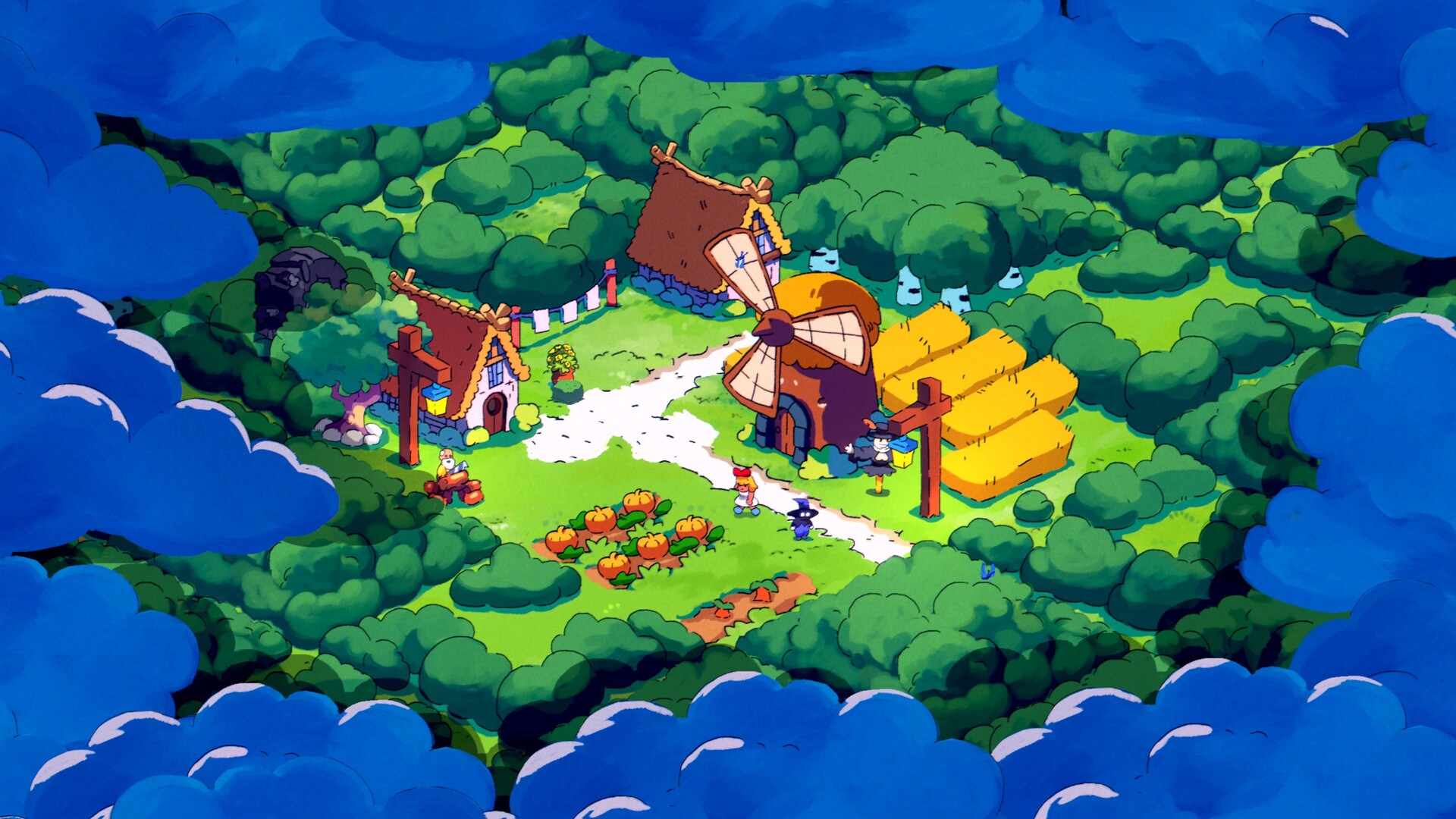
Spiritstead is a cozy city builder from Turbo Dog Games, published with Wings, that launched on Steam August 6, 2026 at 19:00 CEST. You arrive in a quiet, enchanted land where humans and magical spirits share the workload. Your job: build a village, put villagers to work, discover hidden spirits, and restore the Grand Spirit Sanctuary that anchors the map's late-game story.
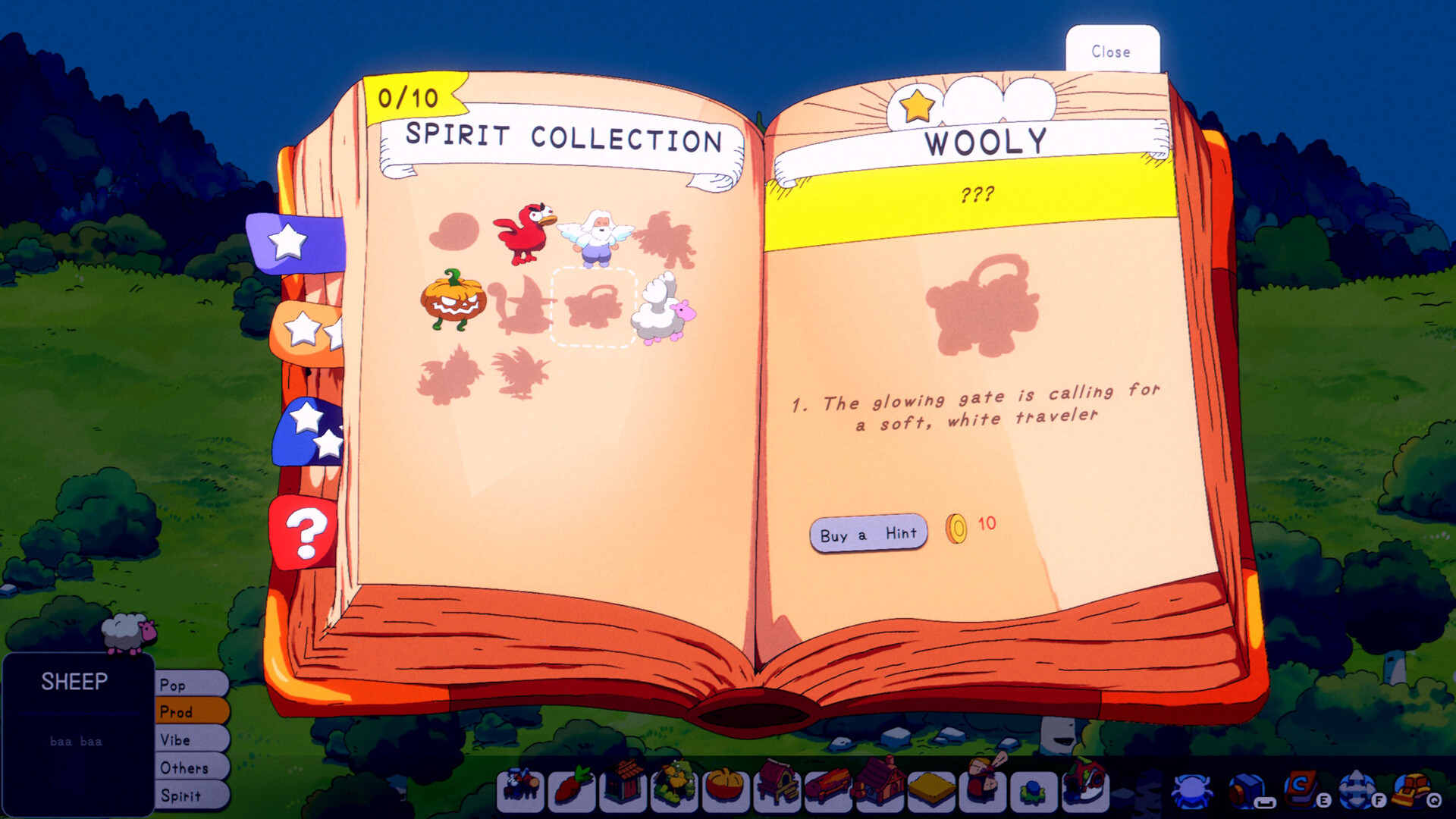
The hook is the spirit system. Normal city builders ask you to manage every villager manually; Spiritstead hides helpers around the world that automate chores once you figure out how to unlock them. Roast the right meal, experiment with flowers, find a bush that does not belong, or place an item during the correct weather at the right time of day. Each discovery removes a slice of repetitive clicking and reframes the game from "clicker management" into "exploration with a production backbone."
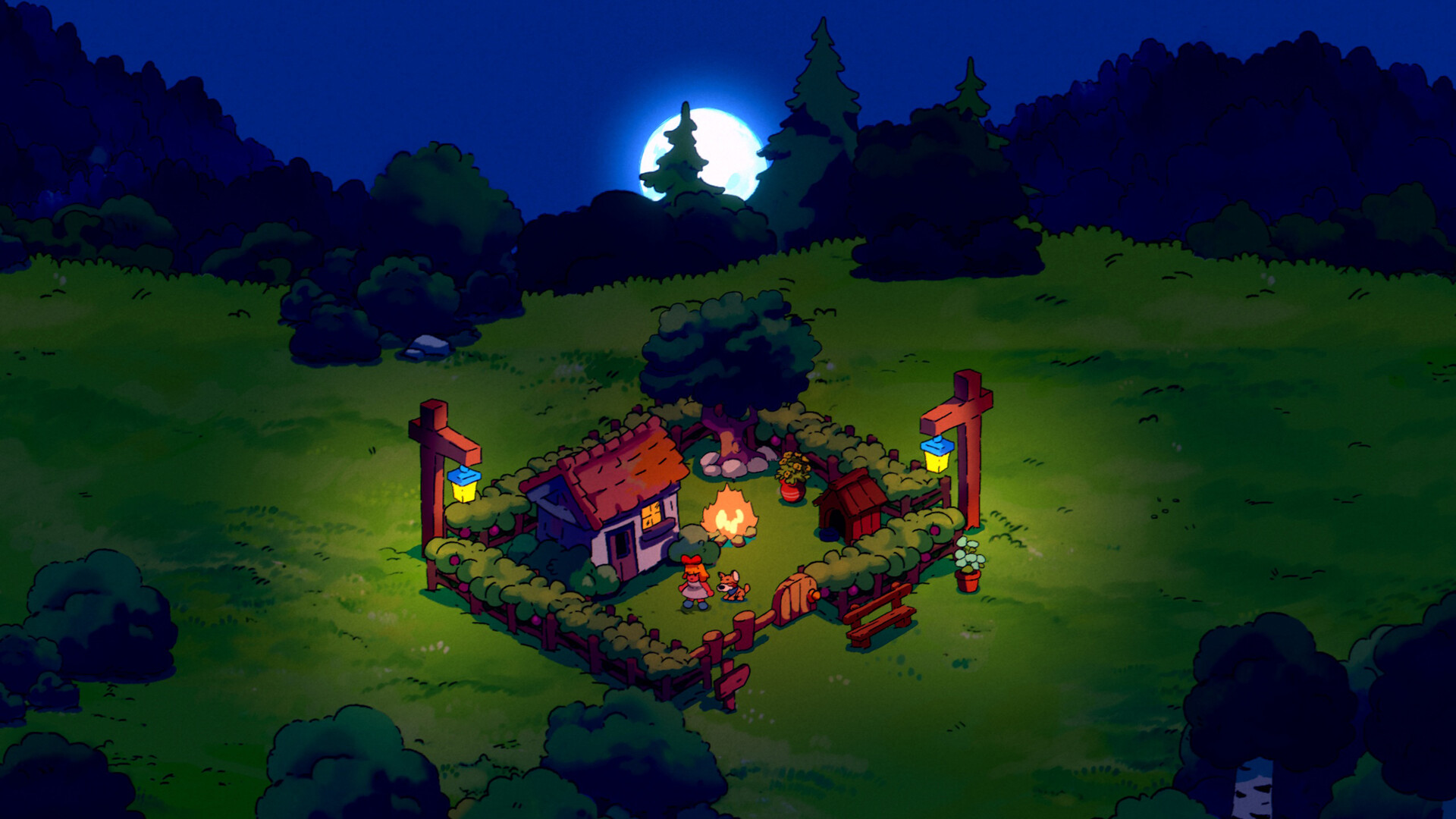
The game is deliberately light. A 137 MB install, 2 GB RAM minimum, integrated-graphics friendly, and a hand-drawn Miyazaki-soft aesthetic. No combat, no timed input, no fail states. The challenge is attentional and economic: keep food and wood meters green, keep villagers happy, and pace your territory purchases. Developer Diana of Turbo Dog Games said the team grew up on Hayao Miyazaki films and wanted to capture that warmth and wonder. Two years of development went into the launch build, which shipped with 58 achievements and 35 named spirits across three biomes: Green Forest, the Frozen Lands, and the Swamp territories. Saves live in Steam Cloud with a save-anytime option, so a village survives laptop sleep, shutdowns, and accidental quits.
Who is this for? Players who liked Banished's resource balance, Dorfromantik's calm, or Townscaper's decoration freedom but want more systems underneath. If you bounce off stressful builders like Frostpunk or factorio-scale logistics, Spiritstead's drag-assign loop and spirit automation will feel like a warm bath. If you need combat, PvP, or deep tech trees, this is not that game.
| Field | Detail |
|---|---|
| Genre | Cozy city builder / village management |
| Developer | Turbo Dog Games (publishing partner: Wings) |
| Platform | Windows (Steam) |
| Price | $9.99 (launch discount ended; S$9.50 in Singapore) |
| Players | Single-player |
| Release | August 6, 2026, 19:00 CEST |
| Adventure Mode | ~3-5 hours (dev figure; ~8h to 100% everything) |
| Storage | 137 MB |
| Memory | 2 GB RAM (4 GB comfortable) |
| Graphics | Integrated graphics sufficient |
| Achievements | 58 |
| Controller | Mouse and keyboard; Steam Deck playable via Proton |
| Steam | store.steampowered.com/app/3501540 |
| Website | turbodoggames.com |
| Wiki | spiritstead.wiki |
Game Modes
Adventure Mode
The gentle quest-driven mode. You work through objectives toward restoring the Grand Spirit Sanctuary, with territory and upgrades gated behind quest milestones. This is the recommended starting mode because it teaches resource pacing naturally: quest text tells you what to build, then forces you to actually earn the wood, food, and coins to do it.
Adventure Mode runs about 3-5 hours. That is the developer's own figure and it matches player reports: one sitting of roughly three hours for a focused run, and around eight hours if you unlock everything. The Steam store page adds a useful expectation-setting line: Spiritstead is "endlessly replayable, but the game world remains the same each time." The map, quest order, and spirit triggers do not randomize. Territory expansion consumes resources and sometimes crystal shards mined from nodes.
Creative Mode
Unlimited building freedom with no quest pressure. Same controls, same buildings, no territory gates. This is the laboratory: test layouts, hunt spirits that Adventure caps block, and practice market districts before committing coins in Adventure. Creative Mode is also the fastest way to finish the spirit journal. Place flowers freely, sweep the whole map for disguised bushes, and control time for weather-based unlocks.
Getting Started: Controls & Key Bindings
Spiritstead controls stay cozy: no fighting-keyboard manuals, just camera movement, click-and-drag villager assignment, and a handful of placement tools. The Steam build lists Playable without Timed Input, Save Anytime, Custom Volume Controls, and Family Sharing among its supported features, and there is no controller support in the current version.
| Action | Input |
|---|---|
| Pan camera | WASD |
| Zoom | Mouse wheel |
| Select villager | Left-click |
| Assign villager to job | Click and drag onto building |
| Reposition building | F (select, then place on valid tile) |
| Rotate ghost preview | R (before confirming placement) |
| Sell resources | Click wood/food piles when quests allow |
| Buy territory | Click edge tiles on map |
| Quest tracker | Click pinned objectives |
The drag-assign loop is the core skill. Every villager holds one job at a time; drag them from idle wandering to the sawmill, farm plot, coop, or crystal node. There is no skill tree. If a building accepts workers, the assignment sticks until you move them again.
The F key is the hidden time-saver. Repositioning is free once built, so a misplaced bonfire or a warehouse one tile too far costs nothing to fix. Use F instead of demolishing whenever a layout mistake blocks a quest. Player reviews consistently praise being able to move everything, so use that freedom freely.
Core Gameplay Mechanics
The Villager Loop
The core chain: build housing to raise population caps, place production buildings, drag villagers onto them, and watch the global food and wood meters. If either hits zero, productivity and happiness suffer.
Housing tiers matter early. Straw huts and basic houses are cheap; log cabins cost more coins but add larger population bumps needed before mid-game upgrades. Coins come from selling surplus goods through market structures. Reinvest coins into new houses so more villagers can work simultaneously.
The temptation is to decorate immediately. A few path pieces are fine, but prioritize production until quests ask for specific happiness values.
Food and Wood Chains
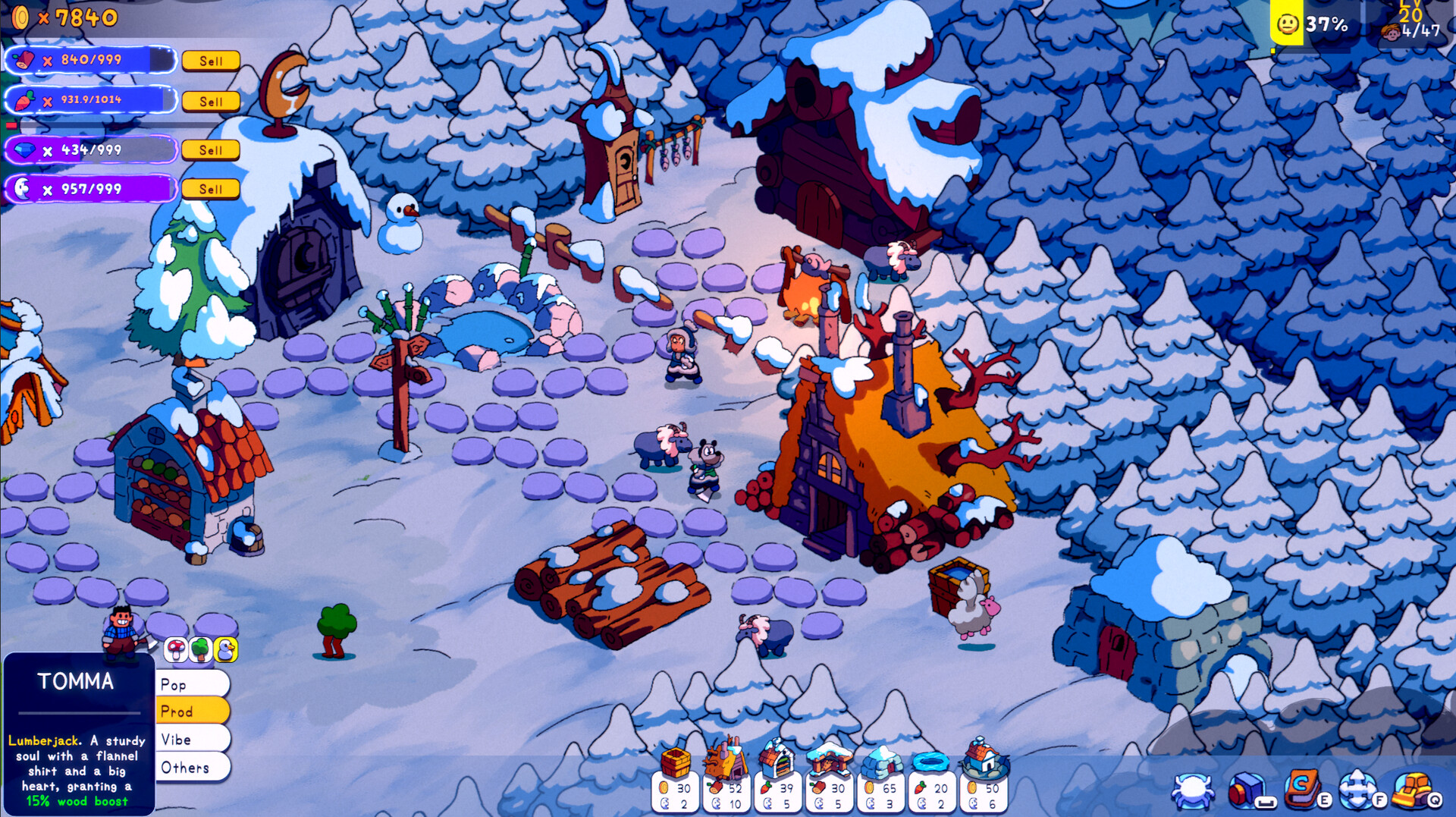
Food comes from carrot patches, pumpkin patches, chicken coops, and fishing ponds. Wood comes from log-cutting stations and later sawmills. Both feed warehouses, and separate food and wood warehouses keep the ticks visible so quests do not stall.
Wood is the expansion currency: bonfires, cafés, spirit buildings, and territory purchases all consume it. Food is the population currency: more villagers means more mouths, and a single-crop farm cannot carry mid-game population spikes alone.
A useful mid-game rule from experienced players: once you reach the Snow biome, the resource loop becomes self-sustaining for the rest of the game. The hard part is getting there without stalling.
The Spirit System
Spirits are the game's automation layer. The demo journal tracked nine spirits with eight obtainable; the full release ships with 35 named helpers, each unlocked through a specific world interaction, not a shop menu. Achievements reveal the full roster, and unlock rates tell you which are easy and which are obscure. Most spirits have no unique power of their own: once unlocked they can be assigned to mine Mushies, Moonstones, or Crystals, or staff a Wizard Tower to boost Moonstone mining. A handful carry real automation, and those are the ones you build your village around.
Full spirit roster with exact unlock methods:
| Spirit | Unlock Method | Unique Power | Notes |
|---|---|---|---|
| Peppok | Hold something over a lit bonfire for 3 seconds | None (miner/tower staff) | First spirit; 71% of players get it |
| Yolkos | Throw a chicken into the Food Warehouse | Auto-collects stray eggs | 39% unlock |
| Bluji | Plant 5 Grim Trees in a row | Auto-collects stray eggs | 12% unlock, "Always Happy" |
| Wooly | Throw a sheep into the Spirit Portal | Auto-collects wool | 41% unlock |
| Plop | Build 3 Swamp Reliefs in a row | Auto-cleans poop | 32% unlock |
| Blumby | Plant 3 different flower types next to each other | None (activates wizard towers) | 24% unlock |
| Scruffern | Destroy a bush at the map's edge | None | 11% unlock, the late find |
| Mizzrick | Build a market stall during a rainy night | None | 6% unlock, patience test |
| Styx Jr. | Place a villager in the Spirit Portal | None | 52% unlock, surprisingly common |
| Mr. Scrook | Build a scarecrow, windmill, and wheat crop side by side | None | 29% unlock, iconic wizard |
| Snapkin | Build 8 Jack-o'-lanterns | None | 13% unlock |
| Dr. Barker | Drag a dog into the hospital | None | 20% unlock |
| Gato | Throw a fox into Bucket Fishing | None | 14% unlock |
| Blazer | Hold a sheep over a fire | None | 43% unlock |
| Flumbo | Throw a sheep into the sky | None | 34% unlock |
| Funtommy | Hold Plop over a fire | None | Transforms Plop's temper |
| Wispur Man | Throw a villager into the air | None | |
| Toward | Hit a villager with Lightning Strike | None | |
| Lurpin | At night, hit a dog with Lightning Strike | None | |
| Barkbecue Louie | Hit a tree with Lightning Strike | None | |
| Mammoblu | Place a mammoth on a bonfire | None | |
| Moonrin | Use Heart Power on 3 deer | None | |
| Beezly | Surround a tree with a ring of flowers | None | |
| Tumblo | Place 8 flowers around a gravestone | None | |
| Aligato | Throw a chicken to a crocodile | None | Murky waters, feathered offering |
| Polabory | At night, place a Roasting Fire next to a Picnic Table in Snow Biome | None | Midnight snack ritual |
| Pot Twinsies | Throw a villager into an occupied outhouse | None | Private moment interrupted |
| Old Kasper | Let 3 houses sit empty after villagers move out | None | |
| Oscar the Fish | Catch every fish species (100% collection) | None | Master angler reward |
| Mr. Bellyup | Catch all 4 frogs in the Swamp minigame | None | |
| Nibbin | Reach the first Spirit Temple | None | |
| Glintin | Unlock the Winter Spirit Portal | None | Gateway to snowy spirits |
| Mushin | Unlock the Swamp Spirit Portal | None | |
| Lozento | Unlock every Snow Biome decoration | None | |
| Wizon | Unlock the Snow Biome Wizard Tower | None |
Spirit tier list (village utility):
| Tier | Spirits | Why |
|---|---|---|
| S | Peppok, Yolkos, Bluji, Wooly | The automation quartet. Peppok removes the food cliff at population spikes; Yolkos and Bluji sweep eggs so coops run unattended; Wooly banks wool without a shepherd. Unlock at least two before the Snow biome. |
| A | Plop, Blumby, Mr. Scrook | Plop keeps the village sanitary for free, Blumby is required to activate wizard towers, and Mr. Scrook arrives with the wheat/windmill production chain you want anyway. |
| B | Styx Jr., Dr. Barker, Gato, Snapkin, Blazer, Flumbo | Easy side quests that pad your mining workforce. Grab them when a quest already points at the trigger (portal, hospital, bucket, pumpkins). |
| C | Scruffern, Mizzrick, Oscar, Mr. Bellyup, Lozento, Wizon | Patience tests or endgame collectors. Do not chase these mid-run; they are Creative Mode cleanup targets. |
Peppok priority: unlock before large population spikes. Adventure saves hit food stress right when players mass-build houses, and Peppok prevents that cliff. Place its building between coops, farms, and food warehouses.
Recommended unlock order for Adventure: Peppok during your first stable food loop → Blumby once decorations and flowers are affordable → Yolkos and Wooly during mid-game → Scruffern during your first expansion push → Mizzrick when weather tools and item variety open → remaining journal entries as Creative tests.
Fishing
Fishing unlocks after your Green Forest economy covers basics, gated behind town level and quest milestones. The walkthrough reaches it in the Winter biome via the fishing bucket and fisherman's hut, but the fishing minigame itself can appear earlier on shoreline tiles you own.
Fishing is a real minigame, not just production with a skin. A tutorial UI pops up with bobber prompts, a Start Fishing button, and a collection grid for caught fish. The "Fishy Fishy Fish!" achievement (find the fishing minigame) sits at 55% unlock, and "Fisherman" (catch 10 fish) at 30%, so most players find it but fewer grind it.
Place a pond near roads and existing warehouses, drag a villager onto it, and watch the food meter tick upward. Fishing matters for food variety. Carrot patches and coops solve hour-one hunger, but mixed diets lift happiness checks that arrive mid-Adventure. Fish is a second protein source that does not compete with coop space on inland plots. Route surplus fish to market stalls when coin quests demand gold. Pair each pond with a food warehouse within walking distance, and never isolate fishing on a territory tile you have not connected with dirt roads.
Markets & Economy
The economy is a triangle: production feeds warehouses, consumption eats goods, and markets convert overflow into coins. New players overbuild houses without market income, then wonder why portal quests demand nine coins they never saved.
Coin sinks: housing upgrades (the stealth sink that catches decorators), territory purchases, spirit infrastructure, and happiness structures. If you always feel broke despite full warehouses, you are under-selling before housing spikes.
What to sell and when: sell when quest text names a coin target, warehouses hit capacity, or you need a cushion before buying territory. Hold when food quests are imminent, wood is needed for the same session's builds, or you are one harvest away from a population milestone. Batch sales beat one-log-at-a-time clicking.
Markets pull double duty for happiness. Adventure quests sometimes treat commerce as a morale vector, so drag villagers through market areas during dips the same way you drag them through bonfires.
The economy milestones are explicit: 1000 gold earns "Growth of the village" (21% unlock), 3000 gold earns "I'm sitting pretty." (9% unlock). The special merchant Baba's Bazaar sells buildings. Buying 50 from it unlocks "The best customer!" and it is the main sink for late-game gold hoards.
Happiness
Happiness is a village-wide morale signal tied to individual villagers you can observe wandering between jobs. When happiness falls, quests that check morale fail or stall, and production feels sluggish.
The critical developer note: placing villagers near happiness buildings does NOT passively raise happiness in the current build. You must actively drag villagers onto the bonfire, café, or market to trigger the interaction. A future update may add passive radius bonuses; until patch notes say otherwise, treat active drags as mandatory.
Primary happiness buildings: bonfires (early, cheap), cafés (mid-tier, build before quests demand ten or more villagers), markets (dual economy/morale role), and decorations (paths, lamps, props add passive morale). Build morale infrastructure BEFORE housing spikes, not after. Empty food or wood bars punish happiness even if cafés exist, so restock warehouses before blaming morale buildings. Idle villagers wandering with no job look unhappy, so assign everyone or rotate them through happiness drags.
Two hidden achievements reveal fun interactions: "Cozy meeting" (make 3 villagers sit on the same bench, 8% unlock) and "Coffee time" (make 3 villagers drink at the same café, 5% unlock). Bench placement near cafés pays off twice.
Villager Life & Daily Chores
Villagers generate small personal needs on top of the global food and wood meters, and past the two-hour mark these become your main clicking workload:
- Bathroom trips. When a villager needs the outhouse, you must pick them up and place them on it by hand. Miss it and happiness bleeds.
- Sickness. Villagers periodically fall ill and must be dragged into the hospital. At population 15+ this is the single most frequent interruption.
- Animal waste. Animals poop anywhere in the village and each pile drags happiness down. The annoying part: piles can land behind buildings where you cannot see them without moving the building. An outhouse placed centrally and a weekly sweep of the map edge keeps it under control. Plop's auto-cleanup is the permanent fix.
- Hunger cascades. Sell off all your food and villagers turn hungry, happiness craters to 0%, and residents move out one by one, leaving empty houses. That is a mechanic, not a bug: Old Kasper (3 empty houses) requires exactly this. The developer FAQ confirms it as the intended route.
The late-game screenshot says it all: one moment you are warded against evil spirits near the sanctuary, the next you are escorting a villager named Bob to the latrine. Spiritstead runs grand arcs and toilet logistics in parallel. Budget clicks for both.
Moonstones & the Nibbin Rule
Moonstones are the Snow biome's premium resource and the whole wizard-tower chain consumes them. Mines dot the Snow biome; the assignment rule from the developer FAQ matters: only a spirit that does not collect other resources may be assigned to a moonstone mine. A spirit already sweeping eggs or wool cannot mine.
The one exception is Nibbin, who can be spawned multiple times through the Spirit Shrine. Every other spirit exists once. That makes Nibbin your renewable mining workforce: build a Spirit Shrine early in Snow, spawn Nibbins, and park them on moonstone mines so your specialized spirits stay on crystals and chores. The Halloween-era demo patch already improved Nibbin's collector mechanics, and the launch build carries those improvements.
Step-by-Step Strategy: Green Forest Walkthrough
The full quest chain for the first biome, with exact costs. This is the fastest verified route through the early game.
- Place a straw hut (first quest reward). Then place a log-cutting station from the production menu near the house.
- Assign your first worker. Drag the villager onto the log-cutting station. When the log is cut, sell it for coins. Keep selling wood until you can buy a second straw hut to raise population.
- Add food and morale. Place a carrot plot (production menu) and a bonfire (vibe menu). Drag villagers near the bonfire to raise happiness.
- Buy your first land. Purchase the tile on the left, which is the cheapest expansion.
- Build a clothesline (2 wood) and a third house to bring in another villager.
- Build food and wood warehouses. Total cost: 18 coins, 3 wood, 3 carrots. Buy more land if you run out of space.
- Open the spirit portal. Build the spirit portal opener for 5 coins (spirit menu).
- Build a basic farmer's house (8 coins, 3 wood) and a pumpkin patch (12 coins, 5 carrots). Lay dirt roads (others menu, costs wood).
- Build a chicken coop (15 coins, 5 wood). Then hold a chicken over the bonfire, and this unlocks Peppok.
- Place a crystal node (spirit menu, free). Pick up Peppok and place it on the node.
- Build a market stall (18 coins, 4 wood, vibe menu) and three lantern posts (2 wood each, others menu).
- Build a log cabin (18 coins, 8 wood) and a sawmill. Add another house for another villager.
- Build a spirit shrine (16 wood, 6 crystals) and a second crystal node.
- Unlock Lucky's minigame. Buy the specific land parcel for 7 crystals. You may need to build the crystal stash from the spirit menu first to raise your shard cap.
- Reach the Winter biome. Pay 100 coins + 12 crystals at the biome lock. You also need town level 8, which means population 10, so build more houses first.
- Unlock Blumby. Place multiple different types of flowers around the village (other menu). Then place Blumby on the same crystal node as Peppok.
- Build a tiny fountain and a hospital (vibe menu). Find the wizard's mini tower by buying its land, and build a sheep farm.
- Activate the wizard's mini tower. Cost: 100 coins, 10 crystals, 30 carrots. Place Blumby inside to activate it. Build another house to raise population.
Step-by-Step Strategy: Winter Biome (Frozen Lands) Walkthrough
The second biome introduces ice structures, moonstone, and the late-game wizard chain.
- Switch to ice structures by clicking the snowman icon at the top of the population menu. Build an ice house (population), a fishing bucket (production), and a winter crystal node (spirit).
- Switch back to the tree icon. Build an artisan's house (70 coins, 20 wood) and a small café (25 coins, 6 wood).
- Find the moonstone mine by unlocking its land. Place Peppok on it to mine moonstone.
- Unlock Yolkos: pick up a chicken and place it inside a food warehouse.
- Unlock Plop: place three swamp reliefs in a straight line next to each other.
- Find the winter spirit portal (buy its land) and place a winter spirit portal opener near it.
- Build three wheat fields and a windmill (production), then a scarecrow (other menu) near the fields.
- Unlock Wooly: pick up a sheep and put it inside a spirit portal.
- Build a fisherman's hut (35 coins, 11 crystals, ice production) and a frostbite clinic (120 coins, 6 moonstones, vibe).
- Build a blueberry field and blueberry shack (production), plus a harvest banner (ice spirit section).
- Build the moonstone depot and tiny spirit speed orb (about 115 coins, 18 crystals combined).
- Unlock the winter deco minigame by buying its land. Raise population to 16 with more houses, and build a moon market stall.
- Build a food depot (70 coins, 7 moonstones), then the timber bunkhouse, lumberjack's hut, and wood depot (16 crystals, 14 moonstones total).
- Find the second moonstone mine. Build the banner of timber and bargain bellman (spirit menu), plus a frosty outhouse (vibe).
- Build the banner of crystal (crystal menu, costs moonstones), a roasting fire (vibe), and push population to 19.
- Find and activate the second wizard tower (100 coins, 10 moonstones). Send Blumby inside.
- Build the happy tavern (9 moonstones) and stone goat shelter (6 moonstones).
- Find the third moonstone mine and third wizard tower. Build a stone grotto cottage (15 crystals, 10 moonstones).
- Build the banner of moonstones (300 coins, 10 moonstones).
- Final objective of the biome: find the Wizard's main tower by buying its land on the right side (100 coins, 10 moonstones).
Step-by-Step Strategy: Swamp Territories Walkthrough
The Swamp is the third and last biome, full-game only. The demo never opened it, so most walkthroughs stop at the Frozen Lands. Quest flow below follows the mid-game pacing verified by players who reached the credits; expect exact tile prices to vary with your save's town level.
- Enter with momentum. Buy the Swamp territory gate when the journal points at it. Before you pay, stack a coin cushion of a few hundred gold and keep both Snow warehouses full; the wetlands chain front-loads building costs.
- Lay boardwalk and dirt roads first. Wetland tiles favor narrow paths, and fog hides decorations until the tile is purchased. Roads before houses, houses before production.
- Duplicate the production core. Bring a log-cutting or sawmill setup, one farm plot, and a food warehouse into the Swamp before recruiting anyone. The biome has its own resource flavor, but the underlying loop is the same one you already know.
- Run the fishing and frog minigames. The Swamp hosts the frog-catching minigame (Mr. Bellyup requires all 4 frogs) and its shoreline tiles extend your fishing collection toward Oscar the Fish. Both minigames double as coin sources when quests demand gold.
- Hunt the disguised bushes. Swamp edges are prime Scruffern territory. Sweep every purchased tile edge; the bush that does not belong blends into wetland reeds better than anywhere else.
- Expect evil spirits. The Swamp arc ties into the evil spirits teased before launch. Your counters are the Wizard Tower god powers unlocked in the Frozen Lands; if you skipped the second and third wizard towers, the Swamp will ask you to fight with half your toolkit. Keep Blumby assigned so towers stay active.
- Spend shards only on the chain. Sanctuary-adjacent turn-ins run through this biome. Every shard spent on optional borders here is a shard that delays the Grand Spirit Sanctuary finale. Read the journal objective, buy the territory it names, and stop.
- Push population gently. Housing spikes in the Swamp stack sickness and outhouse drags on top of biome quests. Add one house at a time and keep a hospital within a short drag distance.
- Finish the sanctuary. The biome's quests converge on the Grand Spirit Sanctuary. With the shard buffer you banked, the finale is a series of turn-ins, not a grind. The "Restoration of Balance" achievement (11% unlock) fires here, and "Ancient primal power" (3%) needs the wild-animals-only variant, so save before the sanctuary questline if you plan to chase it.
Advanced Strategies
The Nine-Coins Discipline
The most common first choke point is the introductory crystal ball quest, which needs roughly nine coins saved. Players who decorated early find themselves selling logs at a loss or waiting through extra harvests. Discipline: before the portal quest completes, sell only surplus, hold everything else, and never buy a decorative path piece you cannot afford twice. This one habit removes the demo's most common stall.
Production Belt Before Expansion
Reserve one expansion side of your starter plot for the next territory purchase instead of boxing yourself against the map edge. Buy land when you have a building waiting to place, not when the fog looks interesting. After each purchase, rebuild dirt roads so gray building requirements stay satisfied. Land without workers is a screenshot, not progress.
The Dual-Warehouse Rule
Never enter a territory purchase with only one warehouse. Food panic during expansion is the fastest way to lose a population milestone. Build separate food and wood warehouses before buying your third tile, and keep a road connection so dragged villagers actually path to storage.
Peppok-First Expansion
Mass-build houses only after Peppok is unlocked and assigned. The spirit removes repetitive meal prep exactly when population spikes demand it. Players who expand first and hunt spirits later hit the food cliff; players who unlock Peppok during the first cooking quest never feel it.
God Powers and the Summon Rain Unlock
Post-launch patching added a real automation layer to the wizard chain: the Wizard Tower can now unlock a Summon Rain god power. This matters for one specific wall. Mizzrick's unlock requires building a market stall during a rainy night, and before the patch players either waited out the weather system or slowed the game and checked every night. Now you buy the power, trigger the rain, build the stall, done. Summon Rain also feeds any decoration or quest that references wet weather. If you are chasing Mizzrick or 100% completion, route a wizard tower upgrade into the rain power before you chase the stall.
God powers are the "hero abilities" of Spiritstead's late game. The pre-launch roadmap promised them alongside evil spirits, and both shipped: the Swamp arc pits you against hostile spirits, and the wizard towers are your counterplay. Keep Blumby (the tower-activating spirit) alive in your rotation through the whole biome; a tower without Blumby is a landmark, not a weapon.
Creative-Mode Spirit Sweeps
Some unlocks are pure patience tests. When Adventure feels blocked, open Creative Mode and treat it as a spirit laboratory: place flowers freely for Blumby, sweep the full map for Scruffern's disguised bushes, and control time for Mizzrick's weather-and-time conditions. Journal progress usually carries back to Adventure.
Shard Banking for Sanctuary
Crystal nodes produce shards when staffed. Keep at least one node active whenever Adventure expects sanctuary progress, and stockpile a buffer of 10-15 shards before multi-step restoration quests so you are not waiting on real-time mining mid-cutscene. Do not spend shards on optional borders before mandatory sanctuary turn-ins. Always read the next journal objective first.
The Snow Self-Sustain Rule
Experienced players agree: once you reach the Snow biome, your resource loop becomes self-sustaining to the end of the game. The only real bottleneck after that is shards and moonstones for the wizard tower chain. If you are grinding, push for Snow rather than re-optimizing Green Forest.
Chores at Scale: The Late-Game Click Budget
Around population 15 the manual workload changes character. Bathroom drags, hospital trips, and poop sweeps interrupt every few minutes, and a village built wide with scattered structures makes each errand longer. Three habits keep it manageable. Centralize: outhouse, hospital, and food warehouse within a short drag of your housing cluster. Automate: Plop clears waste, Peppok covers meals, Nibbins staff moonstone mines, and every automated chore is a click you never spend. Pause expansion while quest chains are live: every new house adds chore volume, and the middle of a sanctuary chain is the worst possible time to discover your entire population is sick.
The Grand Spirit Sanctuary Finale
The sanctuary is Adventure Mode's narrative spine, and mechanically it is a chain of turn-ins: territory unlocks, spirit temple upgrades, crystal shard donations, and happiness checks that gate the final cinematic. The pacing rule that separates a smooth finale from a grind wall is simple: read the next journal objective before spending anything.
Recommended endgame order:
- Verify the infrastructure checklist. Spirit portal and temple upgraded, Peppok plus at least two more spirits assigned to production or shards, food and wood warehouses stable, happiness above 50%.
- Bank 10-15 crystal shards. Multi-step restoration steps assume you arrive with a buffer; mining in real time mid-questline stalls everything.
- Buy only the named territory. If the journal says unlock a specific parcel, buy exactly that one. Optional borders drain shards you will need two steps later.
- Run a happiness circuit before each donation. Drag every villager through bonfire, café, and market once. Shards spent while morale is red do not unlock the next stage.
- Save before the final sanctuary questline. Two achievements depend on how you play it: "Restoration of Balance" (11%, finish the game) and "Ancient primal power" (3%, restore the sanctuary's first part using only wild animals; sheep and other farm animals do not count per the developer FAQ).
- Watch for "A Place for a New Beginning" stalls. This achievement requires clearing the entire target area of trees, bushes, and stones. The developer FAQ calls out small stones hiding behind buildings; zoom in and check behind every structure before reporting it as bugged.
A cleared checklist turns the finale into what the developer intended: a celebration of the village you built, not a spreadsheet panic. Creative Mode will not award sanctuary completion, so the ceremony itself has to happen in Adventure.
Green Forest Biome Guide
Every Adventure save begins in the Green Forest, a Miyazaki-soft landscape of meadows and pencil-sketch trees. It is the tutorial continent, and most players spend the first hour and a half here before the Snow gate opens.
What it teaches: housing (straw hut → basic houses), production (log cutting, carrot plots, later sawmills), economy (sell wood for gold, gold buys territory), happiness (bonfires, markets, cafés), and storage (separate food and wood warehouses).
Ideal first-hour layout: log cutting near incoming wood piles with one tile of walk space; carrot plots adjacent to a future food warehouse; bonfire central so villagers reach it between jobs; one expansion side reserved for the next territory purchase.
Milestones before leaving Green Forest: population 8-10 (unlocks clothing lines, coops, multi-worker plots), dual warehouses, first spirit plus a crystal node, and stable happiness above 50%.
Demo vs Full Game
The free demo (app 4017850) included Green Forest exploration, fishing, markets, decorations, and progress toward Snow in both Adventure and Creative. It capped Adventure near level four and withheld several spirits. The demo was taken down at launch.
Demo saves are NOT compatible with the full game. Turbo Dog Games warned players explicitly: old demo saves may break or fail to load in the release build. Treat any demo progress as practice, especially the spirit unlocks.
The full release adds the Frozen Lands (Snow biome), Swamp territories, the wizard tower chain, the moonstone economy, Baba's Bazaar, roughly 20 additional spirits, and the Grand Spirit Sanctuary finale. The same minimum spec sheet covers both.
Achievements Guide
All 58 achievements are unlockable in a single Adventure run plus some Creative cleanup. The rare ones to plan around:
| Achievement | How | Unlock rate |
|---|---|---|
| Angry chicken | Unlock Peppok (cook chicken) | 71% |
| Fishy Fishy Fish! | Find the fishing minigame | 55% |
| My biggest fear | Unlock Styx Jr. | 52% |
| A cold breeze | Unlock Winter Biome | 47% |
| Hooolyy sheep | Unlock Wooly | 41% |
| Egg catcher! | Unlock Yolkos | 39% |
| Walking flower | Unlock Blumby | 24% |
| Growth of the village | Reach 1000 gold | 21% |
| Walking Bush | Unlock Scruffern | 11% |
| The Restoration of Balance | Finish the game | 11% |
| Spirit Trader | Unlock Mizzrick | 6% |
| The chicken with ambitions | Put Peppok in the main wizard tower | 3% |
| Ancient primal power | Restore sanctuary using only wild animals | 3% |
| The best customer! | Buy 50 buildings from Baba's Bazaar | 3% |
| True Cozy Gamer | Place every happiness + decoration building in Adventure | 2% |
| Spirits Harmony | Unlock ALL spirits | 2% |
| The Architect | Place 1000 buildings in Creative Mode | 1% |
| Escape the Matrix | Lose the game during the tutorial | Rare |
| A Place for a New Beginning | Fully clear a required area of trees, bushes, and stones | Rare |
The rarest achievements double as a completion checklist. "Spirits Harmony" (all spirits) and "True Cozy Gamer" (every happiness and decoration building) are the two to plan from the start because they require you to build things you would otherwise skip. "Ancient primal power" (restore the sanctuary's first part using only wild animals) demands a specific, counterintuitive finale strategy, so save before the sanctuary quests and experiment.
Update History & Roadmap
| Date | What changed |
|---|---|
| Sep 23, 2025 | Demo launches on Steam. |
| Oct 15, 2025 | Halloween update (demo era): 3 new spirits + achievements, Halloween outfits, autumn map, new languages (Spanish, Portuguese, Russian, Ukrainian, Filipino, Polish), improved Nibbin mechanics, movable Spirit Portal. |
| Mar 6-10, 2026 | Women's Day Sale feature (WINGS Interactive). |
| Jun 17 - Jul 1, 2026 | GamesSpain 2026 demo feature. |
| Aug 6, 2026 | Full launch (v1.0) at 19:00 CEST, $9.99 with 10% launch discount. Demo taken down; demo saves incompatible. 58 achievements, 35 spirits, three biomes. |
| Aug 2026 (v1.0.5) | Visual settings expanded: saturation, brightness, contrast, film grain, bloom. Bloom disabled by default. |
| Aug 14, 2026 | Developer FAQ + feedback update: new Summon Rain god power via the Wizard Tower, bug fixes, Steam Deck and controller status clarified. |
As of late September 2026 the post-launch focus is stability and quality-of-life, not new content. The Halloween update people sometimes mention in reviews dates from the demo period in 2025; its spirits and achievements shipped inside the launch roster. No additional biome or spirit expansion has been announced. The developer has flagged controller support as desired but hard with the current Unity version, and Steam Deck optimization as under observation. The artbook is a separate paid DLC for players who want to support the studio further.
Comparison With Similar Games
| Game | How it compares |
|---|---|
| Banished | Same resource-balance core (food, wood, population), but Banished punishes failure with death spirals. Spiritstead removes the fail states entirely; you stall, you never starve out. |
| Dorfromantik | Same calm, same hexagonal-ish placement satisfaction, but Spiritstead has real production chains and villagers underneath the chill surface. |
| Townscaper | Pure decoration sandbox; Spiritstead gives decoration a mechanical payoff via happiness checks and Blumby's flower requirements. |
| Frostpunk | The anti-Spiritstead. Frostpunk is stress and hard choices; Spiritstead is the same genre skeleton with the pressure valves removed. |
| Factorio / Dyson Sphere | Logistics depth without the scale. Spiritstead's drag-assign loop is Factorio's inserters, simplified to one click. If you want spreadsheet-scale automation, this is the cozy on-ramp, not the destination. |
Known Issues & Troubleshooting
- Text/UI is too small. Multiple player reviews flag the font size as their only real complaint. There is no UI scale slider as of launch; play at 1080p or above and sit closer.
- No pause button. You cannot pause to decorate in peace. Plan layouts in Creative Mode instead, or use F repositioning to fix mistakes after the fact.
- RNG minigames. Some spirit unlocks (like Mizzrick's weather/time puzzle and Lucky's minigame) are trial-and-error. Summon Rain via the Wizard Tower removes the weather half of that grind; Creative Mode handles the rest.
- Idle villagers. If a villager wanders instead of working, they are likely pathing behind a misplaced fence or unconnected road. Use F to nudge obstructing structures and confirm dirt road connections.
- Stuck quests. Re-read the journal objective. Most stalls come from missing a specific building tier or population target, not a bug.
- Achievements that look broken. Four of the rarest have official checklists. "Escape the Matrix" needs a tutorial loss (sell all food mid-tutorial, never press Skip). "True Cozy Gamer" needs every decoration from both the Vibes and Decorations tabs across all three biomes, including easy-to-miss Swamp buildings. "Ancient primal power" counts wild animals only. "A Place for a New Beginning" fails on stones hidden behind buildings. Run the checklist before assuming the achievement is bugged.
- Linux/Proton memory leak. On Proton GE 11-1 the game can creep toward 15 GB of RAM after two to three hours. Restarts clear it. Windows is unaffected; save often on Deck or desktop Linux until a fix lands.
- Replay value. The map and quest order are fixed. If a second run sounds boring, spread the two runs out rather than back-to-back.
Steam Deck & Handheld Notes
Set expectations first: the developer's official position is that Spiritstead "has not yet been fully adapted or optimized for Steam Deck." It launches and runs for most players, but nothing in the UI was designed for a handheld. Community players do finish runs on Deck, so treat it as playable rather than polished.
Practical adjustments that help:
- Zoom before you place. The right trackpad handles panning fine, but ghost previews sit small on a 800p screen. Zoom to mid-level before every placement, then confirm.
- Use R rotation constantly. Rotating the preview on a trackpad beats fighting the cursor.
- F reposition is your safety net. Misplacements are free to fix later, which offsets the imprecision of trackpad clicks.
- Wide roads, few diagonals. Narrow or diagonal layouts amplify placement pain, in the Swamp especially.
- Save before closing the lid. Save Anytime and Steam Cloud work, but the memory-leak reports on Proton GE give you a reason to save-and-exit rather than suspend overnight.
- Keep sessions under two hours on desktop Linux/Proton until the leak is patched.
Spiritstead System Requirements
| Component | Minimum |
|---|---|
| OS | Windows 10 or Windows 11 |
| Processor | x86, x64 architecture |
| Memory | 2 GB RAM |
| Graphics | Integrated graphics sufficient |
| Storage | 137 MB available space |
| Architecture | 64-bit processor and OS |
Steam does not publish a detailed recommended spec block; integrated GPUs are the design target. Expect 1080p-friendly performance on Intel UHD/Iris and AMD Vega-class iGPUs. Steam Deck is playable with Proton, though rotation and placement feel clunkier than mouse for blueprint-heavy Creative tours. Native Linux and macOS builds are not announced.
FAQ
Is Spiritstead multiplayer? No. Single-player only, confirmed by the Steam page and the lack of co-op categories.
How long is Spiritstead? A typical playthrough runs 3-5 hours. That is the developer's official figure and it matches player reports: about three hours for a focused single-sitting run, roughly eight hours to unlock everything. Creative Mode is effectively endless.
Is there a demo? There was a free demo (app 4017850) from September 2025 through launch. It was taken down on August 6, 2026; the full game is the only available build now.
Does progress carry from the demo to the full game? No. Turbo Dog Games explicitly warned that demo saves are not compatible with the full release, and continuing an old demo save can cause bugs.
How many spirits are there? The full game has 35 named spirits at launch. That roster already includes the three spirits added by the demo-era Halloween update. Peppok, Blumby, Scruffern, Mizzrick, Yolkos, Plop, Wooly, Blazer, Flumbo, Styx Jr., Bluji, and about 24 more.
Does Spiritstead have combat? No player combat. The Swamp arc sends evil spirits against your village, and your counters are wizard towers and god powers rather than weapons. There is no timed input and no fail state that deletes a save.
Can I play on Steam Deck? It runs, but the developer is explicit that the game is not yet adapted or optimized for Deck. See the Steam Deck section for the workarounds that matter. Gamepad support does not exist yet; the developer says the current Unity version makes it hard.
Is there a Mac version? Not yet. Windows only. The developer would like to bring it to Mac but has shared no date.
How much does Spiritstead cost? $9.99. The 10% launch discount has ended; regional pricing applies (S$9.50 in Singapore). An artbook DLC exists separately.
What is Baba's Bazaar? A special merchant who sells buildings. Buying 50 buildings from them unlocks "The best customer!" and gives late-game gold a purpose.
How do I get Moonstones fast? Assign spirits that collect no other resource to the Snow biome's moonstone mines, and use the Spirit Shrine to spawn extra Nibbins, the one spirit that can exist multiple times. See the Moonstones section above.
Final Tips
Save nine coins before the crystal ball quest. That single discipline carries you through the demo's hardest moment, and the habit scales: in the full game, the same "sell surplus, hold everything else, never decorate on credit" rhythm carries you through Frozen Lands and Swamp territory purchases. Push for the Snow biome as soon as you can afford the lock, since it makes the rest of the game self-sustaining. Bank 10-15 crystal shards before every sanctuary step, spawn Nibbins for the moonstone mines, and remember that villagers need to be dragged onto happiness buildings; proximity alone does nothing in the current build.
Spiritstead rewards calm iteration. Your first village does not need to look perfect. It needs to work.
Verdict: 4/5. A genuinely cozy builder that respects your time, with enough depth in the spirit system to reward exploration without ever demanding it. Buy it if you want a relaxed village-management loop with a hidden automation layer; skip it if you need combat or complex logistics.
Last reviewed by Game How To Editorial. We play each game, verify controls against official sources, and update guides when game mechanics change.