Official game
Play Welcome, Dear Human
This game is hosted by Steam. Continue to the official page to play or download it.
Wishlist on SteamOverview
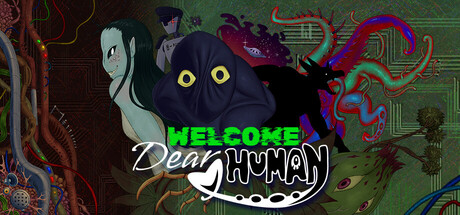
Welcome, Dear Human is a choice-driven monster romance visual novel with a simple pitch and a sharp edge: ten real monsters want to meet you, each with their own rules, needs, and way of communicating, and how close you let them get decides not just which ending you get, but how much of yourself you have left at the end. The official framing puts it better than any review can: most of the experience is quiet, curious, and sometimes cozy, but the monsters remain dangerous, and failing to establish boundaries can cost the player their identity.
Developed by the animator Kiki Can and the designer Ronkad, the game expands a beloved itch.io demo into a full commercial release for Windows, Mac, and Linux. Every monster is animated with classical 2D animation, every background and sprite is hand-drawn, and the package includes an original soundtrack, partial voice acting, a customizable apartment, minigames, and a self-aware meta-narrative that knows exactly what kind of story it is telling. The Steam demo has been live since July 2026 and has already been played close to five thousand times with an unbroken positive review streak.
| Fact | Detail |
|---|---|
| Developer | Kiki Can (art/animation), Ronkad (design) |
| Publisher | Ronkad |
| Genre | Visual novel, dating sim, psychological horror |
| Platforms | Windows, Mac, Linux |
| Release | Full game confirmed NOT in 2026; demo live now |
| Romanceable characters | 10 monsters, unique routes |
| Endings | Many, including 3 in the demo's first route |
| Accessibility | Playable without timed input, save anytime |
| Languages | 11, demo in 7 including Chinese and Russian |
| Price | "Indie game price range," TBA |
The demo content alone justifies this guide: a complete Sleep Paralysis Demon route with three named endings, plus the opening of the shapeshifter Octo's route with one ending. Everything below is built around the demo's systems and the design principles the full game will inherit.
Who this is for: visual novel readers who like their romance with rules and teeth, horror fans who prefer dread to jump scares, and completionists who see "many endings" as a to-do list.
Who should skip it: players who need action gameplay, and anyone who dislikes branching narratives where the "wrong" choice is a legitimate design feature.
Getting Started
Before you launch
- Turn your volume to a comfortable level, not zero. The partial voice acting and original soundtrack carry emotional signals. The narrator in particular is a character, and the demo's narrator voice lines were re-recorded after player feedback.
- Know the save situation. You can save anytime, and the demo patch raised the save slot count from 239 to 559. That number is a design statement: this game expects you to branch, and branch often.
- Coming from itch.io? The demo can import your itch.io saves, but only if you play on the same computer, and only on a freshly started game or after a reset. Resetting wipes all previous saves, so export your head before you wipe your disk.
Your first 30 minutes
The demo opens with a tutorial, then the introduction to the full game's frame, then the Sleep Paralysis Demon route begins. Here is how to spend the opening well:
- Play the tutorial properly. It is short, but it teaches the dialogue choice UI, the apartment, and the meta-narrative's tone. Skipping it means missing the game's first joke and its first warning at the same time.
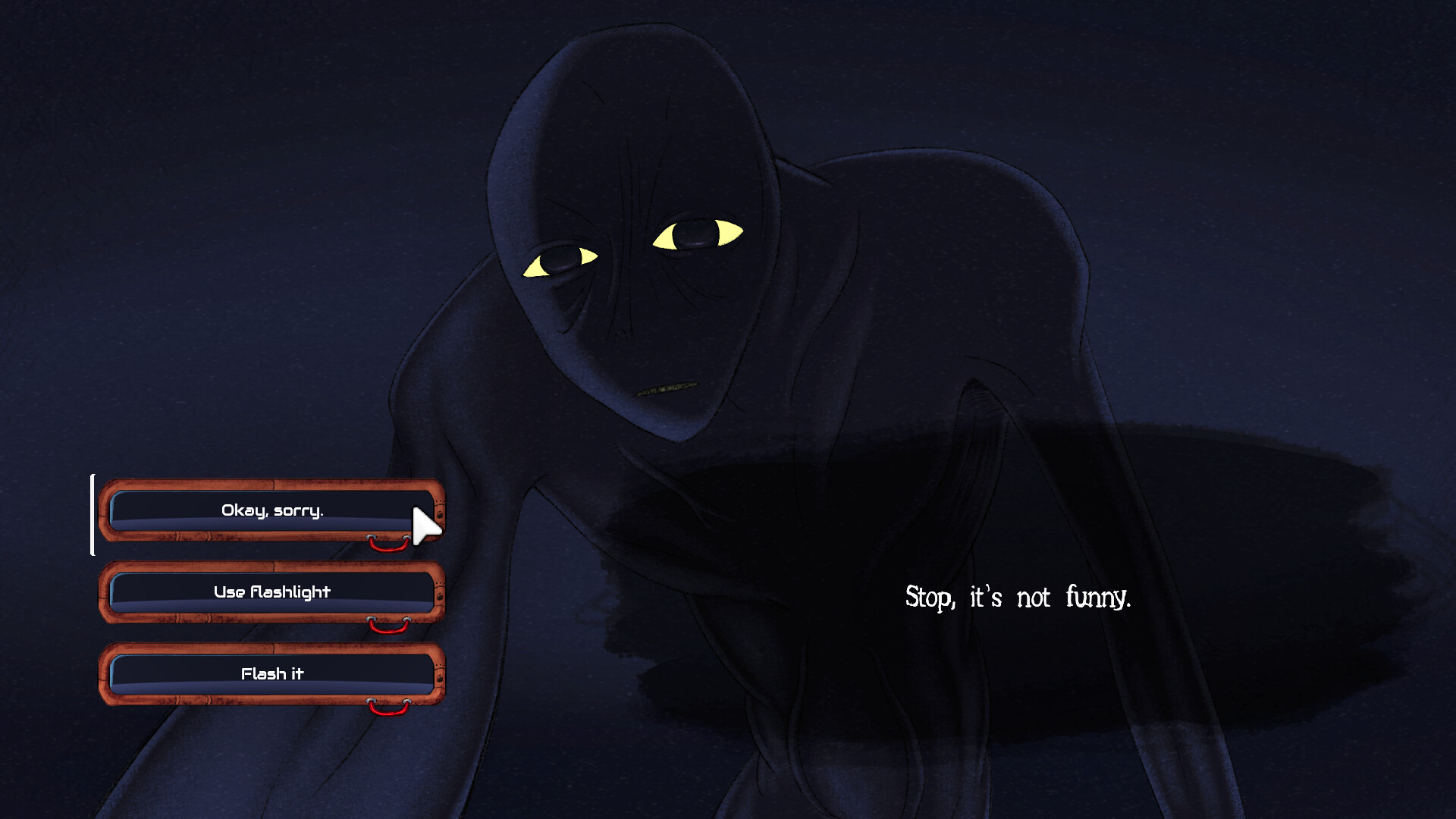
- Treat the first monster meeting as an interview, not a date. The Sleep Paralysis Demon's introduction phase is where the route's rules are established. Everything you learn here compounds for the whole route.
- Make one choice against your instinct. Early choices are cheap tests. The game rewards reading what choices actually do, and the only way to learn is to see a "bad" outcome from a safe distance.
- Look at the apartment systems before route-lock. The customizable apartment ties into playstyle options. Decorating mid-route is fine, but the early options are the ones that shape how later scenes play.
- Save at every major branch. Name saves by choice, not by timestamp. "SPD - told the truth" beats "save 47" when you are reconstructing the branch tree two hours later.
Beginner mistakes
| Mistake | Why it hurts | Fix |
|---|---|---|
| Maxing affection every time | The game explicitly costs you humanity for total acceptance | Balance warmth with boundaries |
| Ignoring a monster's stated rules | Breaking rules closes branches, sometimes permanently | Treat rules as mechanics, not flavor |
| Skipping the apartment | It feeds playstyle options and endings | Engage with it early |
| One save file | Many endings are designed for replay from branches | Save before every fork |
| Reading fast | The meta-narrative hides its real story in asides | Slow down for narrator lines |
Core Mechanics Explained
The rules-first design
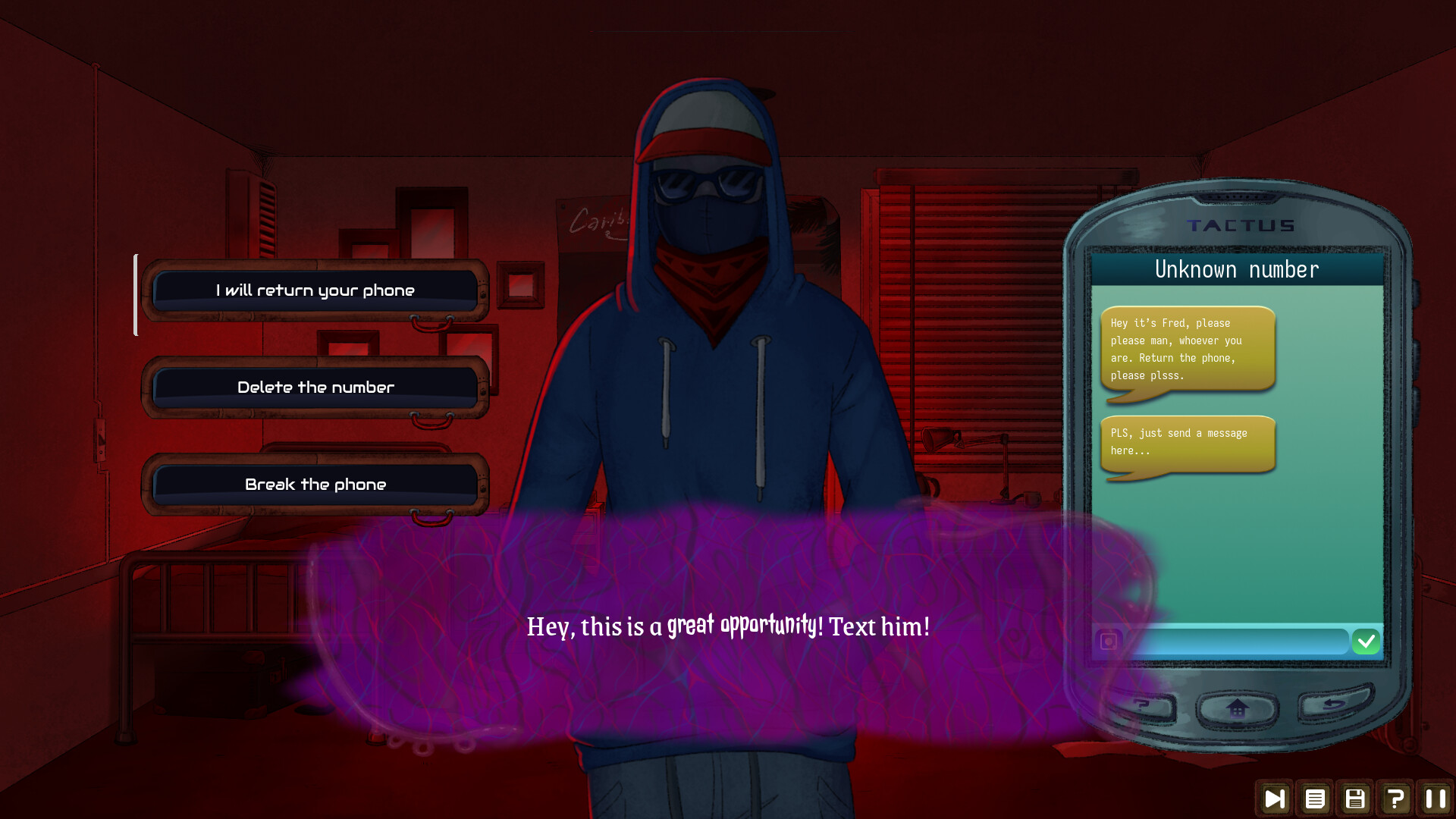
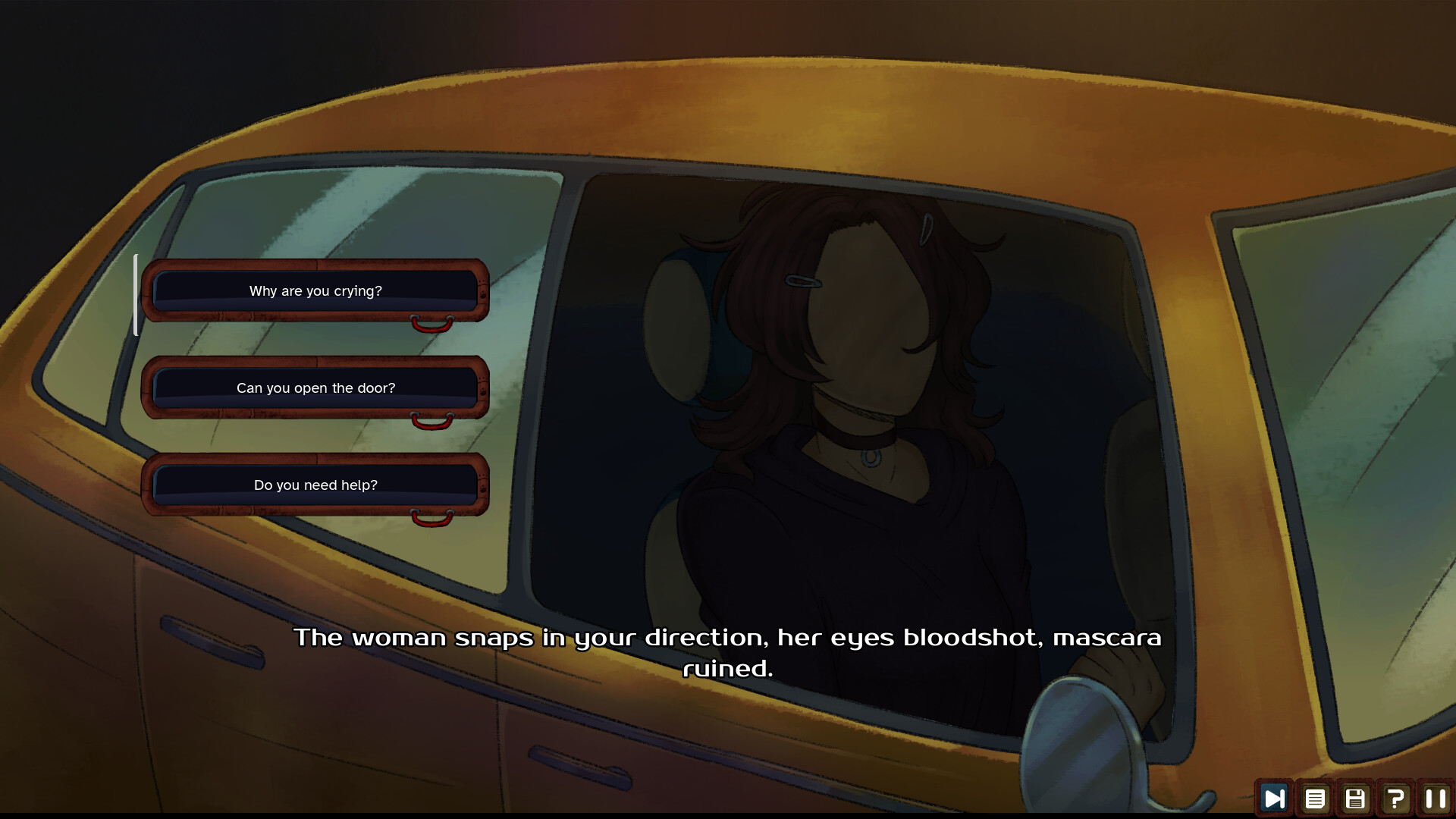
Every monster communicates by a different grammar, and the game's deepest system is learning each one. Some monsters want closeness and punish distance. Some test your boundaries on purpose to see if you will hold them. Some lie, and the tells are in how they phrase things, not what they say. The routes are built so that a single boundary violation can close a branch that took an hour to reach, which makes rules knowledge the highest-value investment in the game.
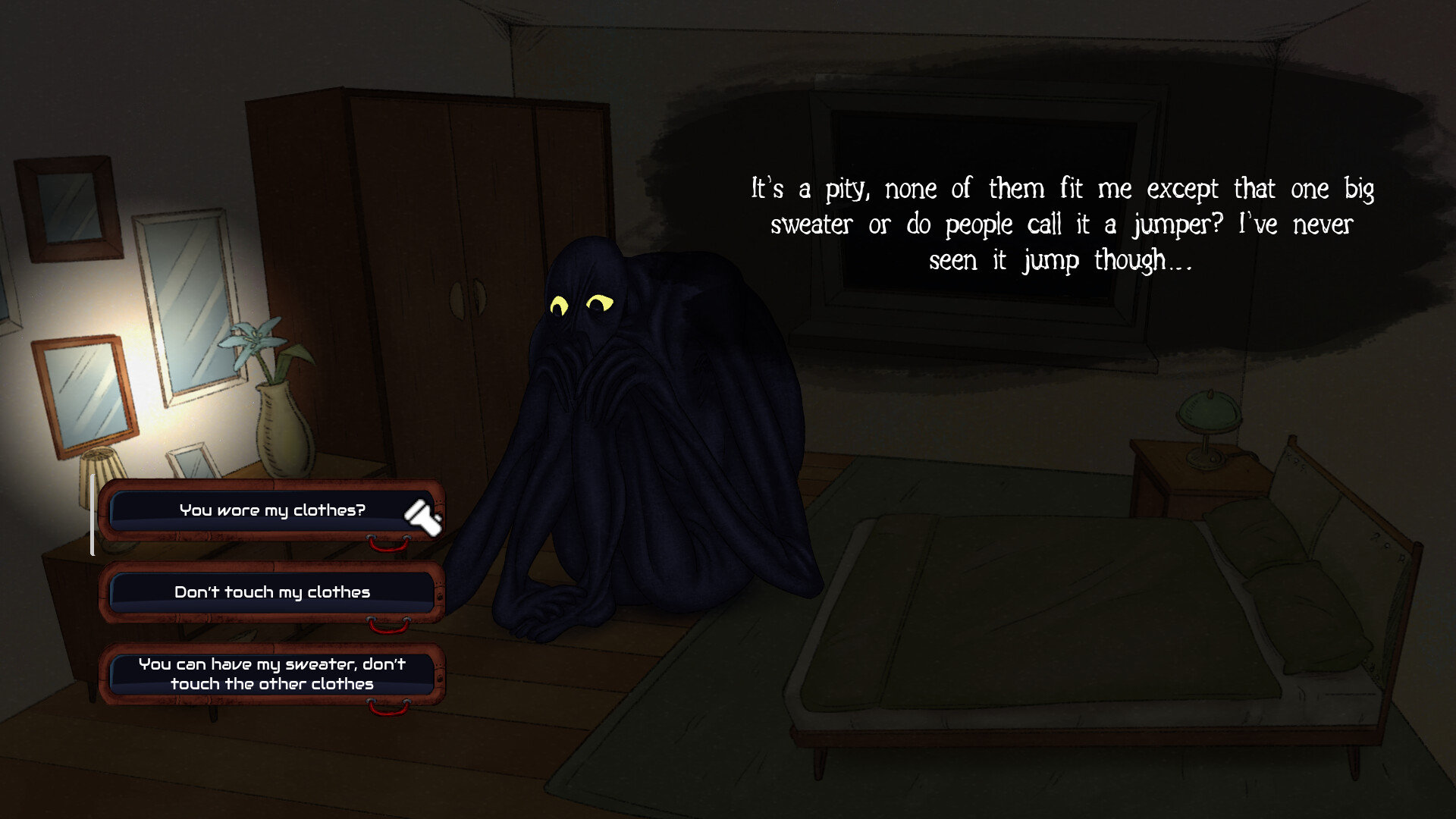
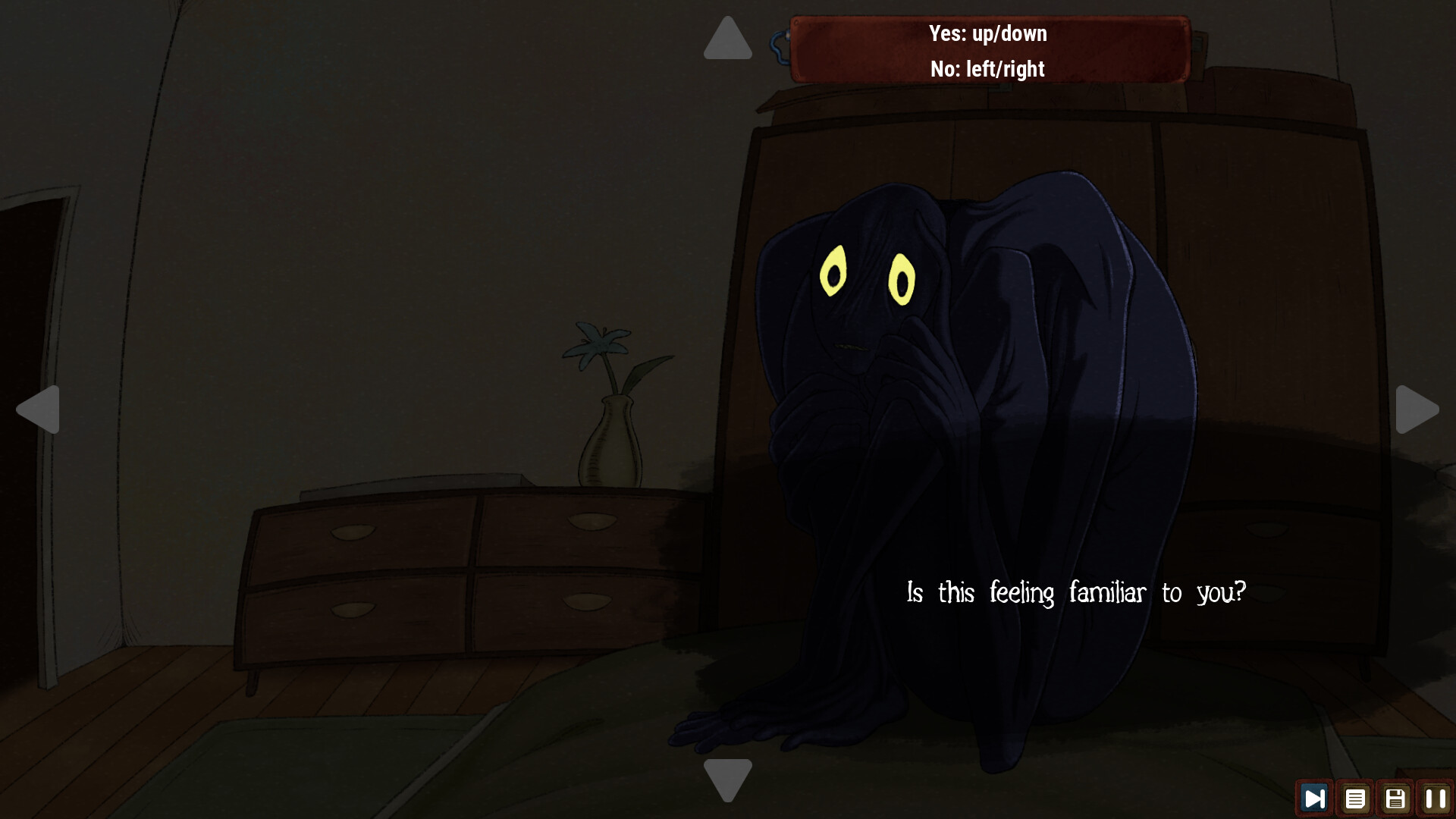
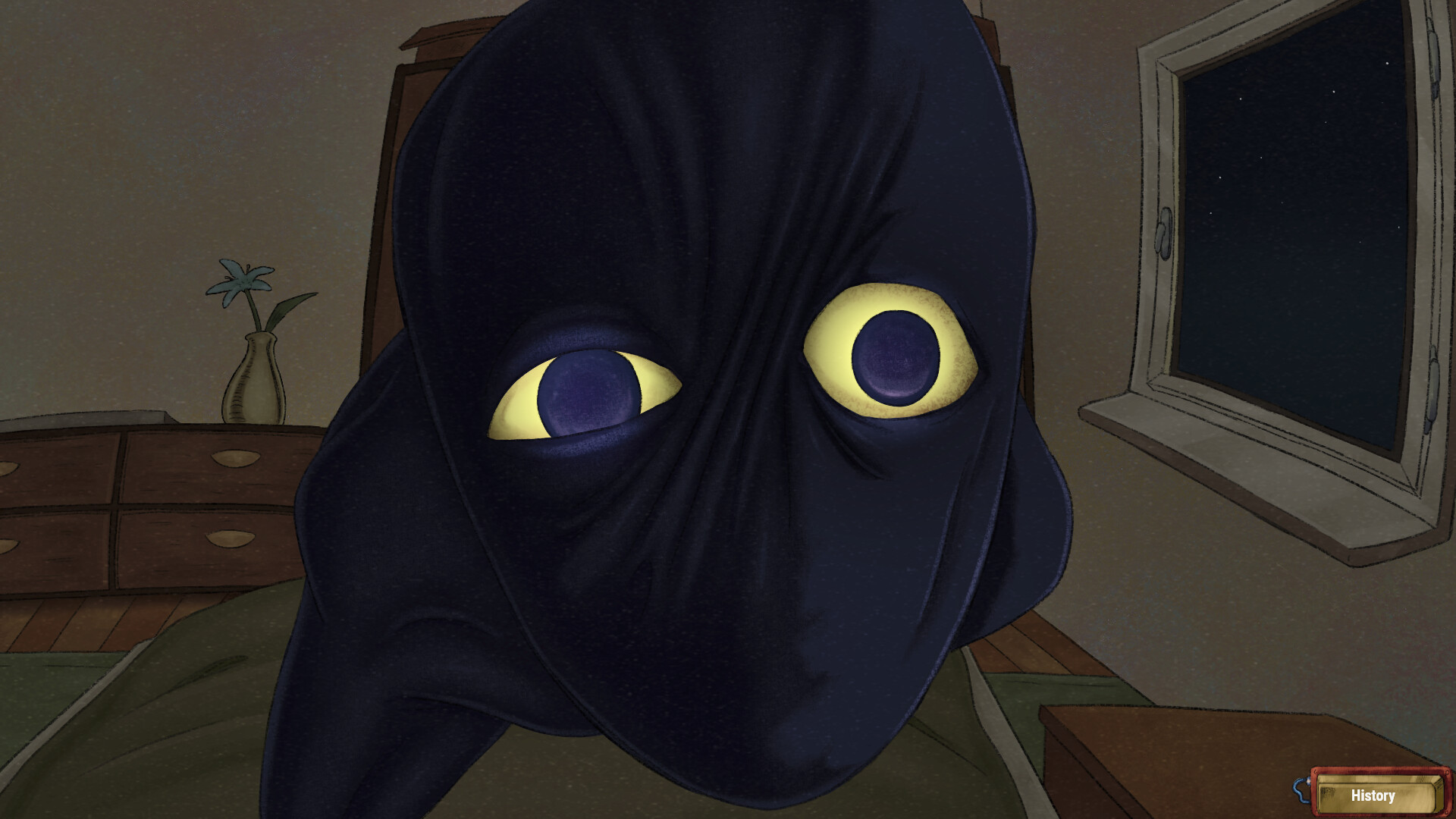
The Sleep Paralysis Demon route, complete in the demo, is the tutorial for this system. The demon exists in the space between sleep and waking, and the route's choices revolve around how much of that space you let it occupy. Its three endings are named with surgical precision: Who Are You?, A New Friend, and Lost Something. Those names are the route's thesis. The first asks whether you ever learned who you were talking to. The second rewards trust that was earned rather than demanded. The third is what happens when you gave more than you were watching.
The humanity cost
The central trade is connection versus identity. The official language is careful: accepting a monster for what they are may cost you part of your humanity. Mechanically, this plays as a second meter running under the affection system. Choices push both, and the endings reflect the balance rather than the total. The demo's Octo route ending is named Lost Yourself, which tells you exactly which side of the ledger it sits on.
The design consequence is important: the maximum-affection playthrough is not the "best" playthrough. This is not a game where kindness is a universal key. The interesting endings live in the middle of the dial, where you understand the monster without surrendering to it.
Branching, secrets, and the meta-narrative
The story branches on your choices, hides secrets inside routes, and wraps all of it in a self-aware frame about trust, fear, affection, and curiosity. The meta-layer is not decoration. The narrator comments on your choices, the game occasionally acknowledges that you are playing a dating sim about monsters, and one demo patch note famously hid a secret for players who read the full changelog. The frame rewards the same skill the routes reward: attention.
The apartment, playstyle, and minigames
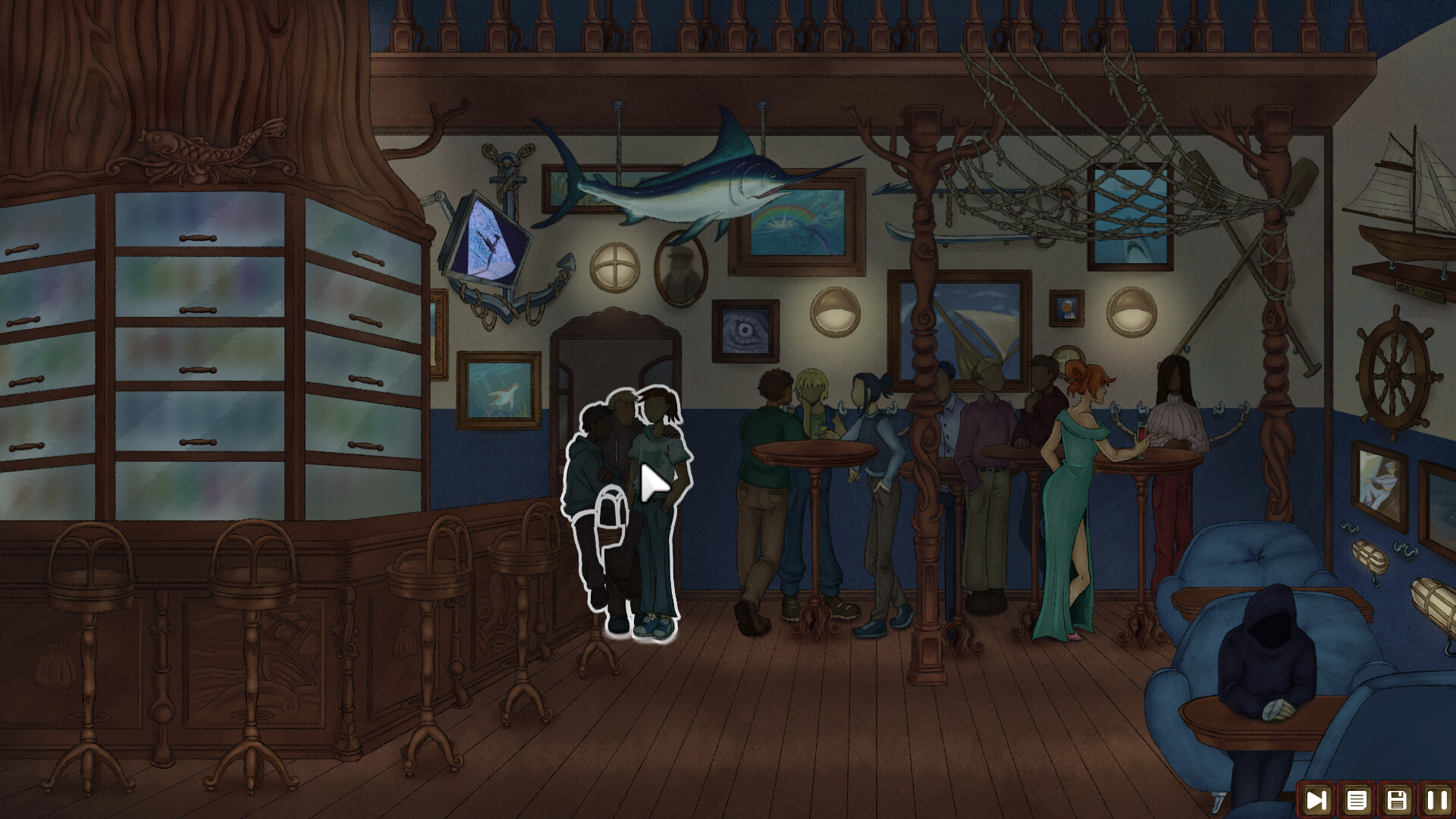
The customizable apartment is the game's hub and its fourth system. It ties into playstyle options that affect how routes play out, and it hosts the minigames that punctuate the reading. One minigame, on a character named Lina's phone, was bugged at demo launch and silently fixed; the patch notes point out that players who actually read them might find something new in the game. The apartment also anchors the cozy side of the creepy-cute balance: after a heavy scene, you go home, rearrange your space, and steady yourself before the next encounter.
Presentation: classical animation as characterization
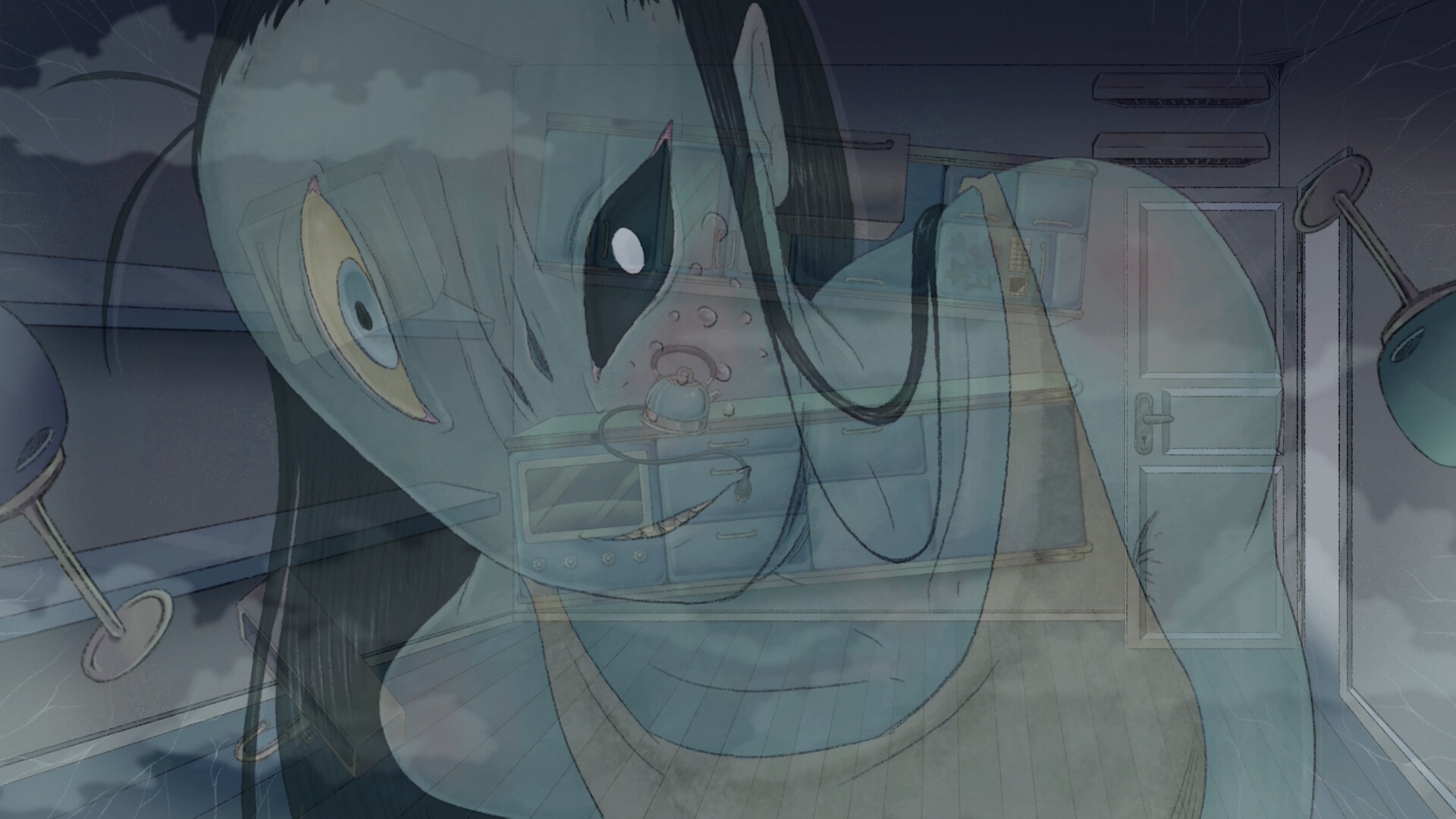
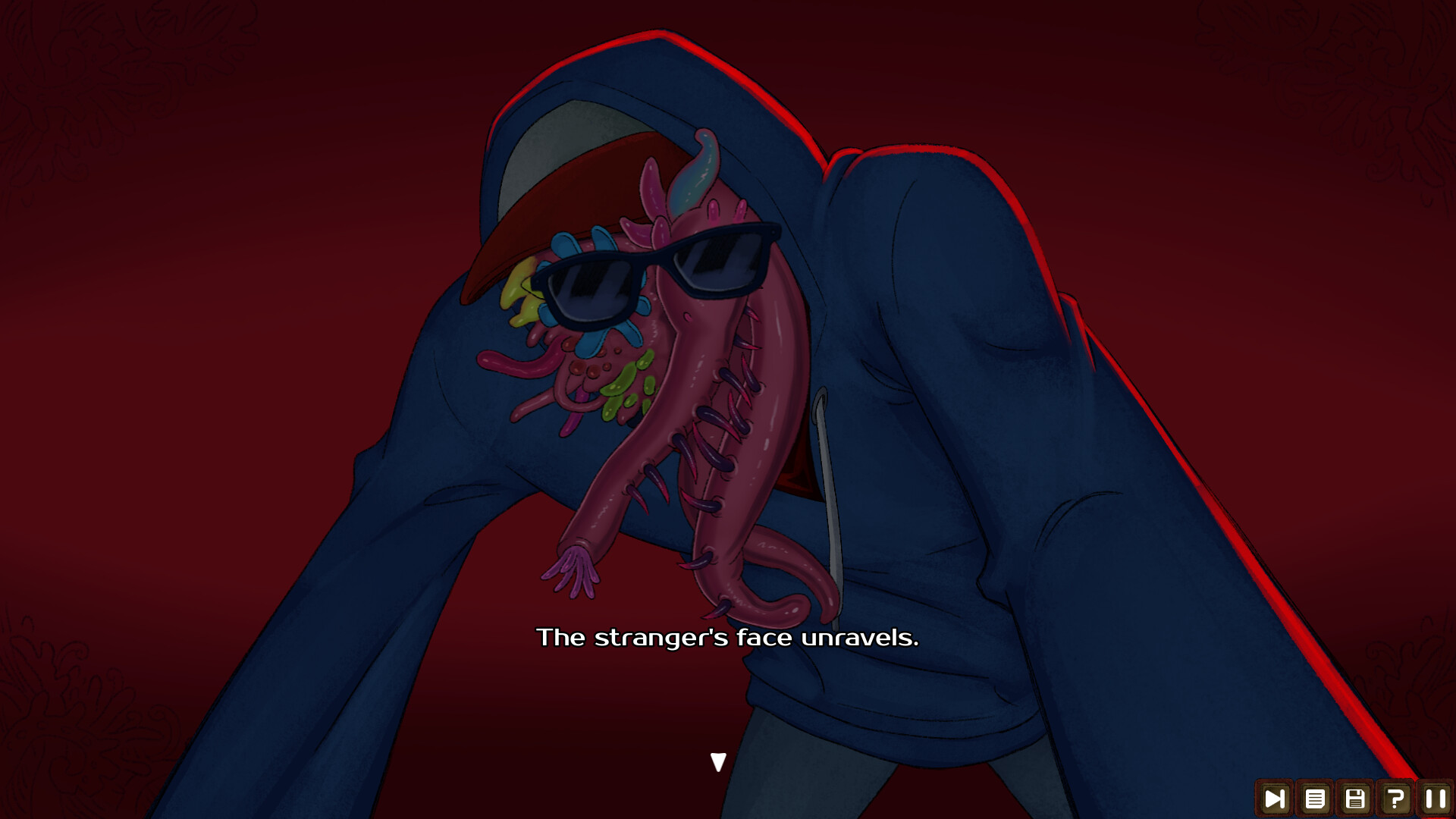
Every monster is animated with classical 2D animation, hand-drawn by Kiki Can, and the animation is doing characterization work that static visual novels cannot. How a monster moves is information: the Sleep Paralysis Demon's stillness is part of its nature, and Octo's shapeshifting is expressed in the animation itself. The unlockable music and art gallery gives the completion instinct a home, and fixing a gallery unlock (the close-up sink scene) was prominent in the demo's patch notes, a sign the developers know players care.
Progression Strategy
Progression in a visual novel means route coverage and ending collection. Here is the efficient order:
Phase 1: The natural run (first full route)
Play the Sleep Paralysis Demon route once with your honest instincts, no guides, no save-scumming. This run calibrates the game's tone for you and produces one of the three endings. Do not optimize; you cannot optimize what you have not felt.
Phase 2: The branch map (same route, surgical)
Reload your branch saves and explore every major fork you passed. The three SPD endings are all reachable from the same route skeleton, and mapping the choices that produce each is the core skill for the full game's ten routes. By the end of this phase you should be able to name which choice family each ending hangs on.
Phase 3: The Octo opening
Play the Octo route content, knowing it is partial. Its one ending, Lost Yourself, is a lesson in the humanity mechanic: it shows you the shape of total surrender so the full game's routes can play against it. Treat it as the demo's advanced class.
Phase 4: Gallery cleanup
The unlockable gallery tracks scenes, music, and art. Chase it after you understand the branch logic, not before; gallery items make sense as a map of where you have been.
Endings collected in the demo
| Route | Ending | Reading |
|---|---|---|
| Sleep Paralysis Demon | Who Are You? | Kept distance; never truly engaged |
| Sleep Paralysis Demon | A New Friend | Trust earned, boundaries held |
| Sleep Paralysis Demon | Lost Something | Gave too much, kept too little |
| Octo (partial) | Lost Yourself | Total surrender; the cautionary pole |
The Complete Playbook: 7 Step-by-Step Strategies
1. The rules transcript
Open a notes file before your first route. Every time a monster states a preference, a boundary, or a rule, write it down verbatim. The game's branches hinge on these lines, and human memory smooths over exactly the phrasing details the game tests. By the full game's ten routes, this transcript is your playbook.
2. The two-meters read
After every major choice, ask two questions: "Did that advance the relationship?" and "Did that cost me something?" The game's best endings need yes-and-yes-or-balanced answers. A choice that advances the relationship at obvious cost is the trap the whole design is built around. Watch for choices that feel generous and read as surrender.
3. The save discipline
SAVE POINT          NAME IT LIKE THIS
Route start         [route] - fresh
After intro phase   [route] - met [monster]
Every major fork    [route] - [choice in 3 words]
Pre-ending          [route] - final door
With 559 save slots, there is no excuse for overwriting. The discipline that matters is naming: your future self reconstructs the branch tree from save names, not from memory.
4. The instinct split
For your first route, follow instinct. For every route after, run a deliberate split: at each fork, pick the choice you did not pick last time only when you can predict what it will affect. The point is not contrarianism; it is building a causal model of the branch tree. If you cannot predict what a choice touches, you are not ready to farm endings; you are ready to read more carefully.
5. The narrator watch
The narrator is a character. Track when narrator lines change tone: the meta-narrative signals route shifts and hidden triggers through the narrator's register. When the narration gets warmer than usual, something in the frame is paying attention to what you just did. Players who skip narration at reading speed miss the game's actual fourth wall.
6. The apartment investment
Engage with the apartment before route-lock points. The playstyle options it hosts affect scene availability downstream, and several minigames gate gallery content. Twenty minutes of apartment investment in the first hour pays out across every route you play afterward.
7. The ending-hunt order
For the full game when it arrives, collect endings in this order:
- One organic ending per monster (your honest read).
- The "held boundaries" ending per monster (the disciplined run).
- The "total acceptance" ending per monster (the cautionary pole).
- Secrets and oddities last, using the branch map you built.
This order front-loads learning and saves the weird endings for when you can appreciate them as variations, not noise.
Advanced Tips
The phrasing tells. Monsters that lie have phrasing patterns: deflections use questions, evasions use passive voice, and the truth tends to arrive in short sentences. The writing is consistent enough that you can learn to hear it.
Endings are comments on choices, not punishments. Lost Something is not a fail state; it is the game showing you the consequence of a philosophy. Reading endings as moral inventory rather than win/loss transforms replay from grinding into close reading.
Voice acting marks importance. Not every line is voiced. Voiced lines are load-bearing: if a line has voice, the game is underlining it. Treat unvoiced stretches as connective tissue and voiced lines as thesis statements.
The gallery is a spoiler map. Curious about how many scenes a route has? The gallery's empty slots show the shape of the content without spoiling the content. Use it to budget your replay time.
Language choice matters for tone. The demo ships in seven languages, and the writing's humor lands differently across them. If you are bilingual, the second playthrough in your other language surfaces jokes and register shifts the translation re-balanced.
Demo-to-full-game saves probably will not carry. The itch.io import worked because both versions shared a platform. The full game will likely treat the demo as a separate product. Do not save-sculpt the demo expecting to import; use it to learn, not to hoard.
Wishlist now, play the festival. The game appeared in the Fall in Love Visual Novel Festival in September 2026, and festivals are where demos get visibility boosts and developers post updates. Following the Steam page is the reliable way to catch the release window announcement, which the FAQ confirms will not land in 2026.
FAQ
When does the full game release? Not in 2026, per the official FAQ. No date announced. Price will be "in the indie game price range."
Is the demo representative? Substantially, yes. The complete SPD route shows the full route structure, and the Octo opening shows route variety. The full game adds eight more monsters, more apartment depth, and the complete meta-narrative arc.
How long is the demo? Roughly 1.5 to 2.5 hours depending on reading speed and branch exploration: about 1-2 hours for the full SPD route, plus around 40 minutes of Octo content including the full-game introduction.
How many endings in the demo? Four: three in the Sleep Paralysis Demon route (Who Are You?, A New Friend, Lost Something) and one in the Octo route (Lost Yourself).
Is it scary? Atmospherically. The horror is dread and implication, not jump scares, though the Steam tags list Psychological Horror honestly. The cozy apartment segments exist precisely to give you places to breathe.
Is there timed input? No. The Steam accessibility category is literally Playable without Timed Input, and Save Anytime is a listed feature. This is a reading game through and through.
Does progress carry from itch.io? From itch.io to the Steam demo, yes, on the same computer, with a fresh start or reset. From the demo to the full game, do not count on it.
Who are the ten monsters? Two are public: the Sleep Paralysis Demon and Octo, the shapeshifting tentacle monster. The remaining eight are unannounced, and the developers have said they will keep sharing character updates as the full game approaches.
What about the voice acting? Partial. The narrator and key emotional lines are voiced; the demo's narrator lines were re-recorded after the first release. The full game expands voice coverage.
Is it a dating sim or horror? Both, and the tension between those is the point. The Steam tags run Psychological Horror, Dating Sim, Visual Novel, Story Rich, Cute, Funny, and Dark Comedy in the same list, which is the most honest genre summary possible.
Quick Reference Card
| Situation | Action |
|---|---|
| Monster states a rule | Write it down, verbatim |
| Major choice appears | Save with a descriptive name |
| Choice feels generous | Check what it costs |
| Narrator tone shifts | Pay attention; something changed |
| Heavy scene ends | Apartment visit, breathe |
| Route finished | Branch-map the forks you passed |
| Gallery slot empty | Content exists; budget replay time |
| Demo finished | Wishlist, wait for the full ten |
| Spec | Requirement |
|---|---|
| Minimum | Win 10 64-bit, i3-2100 / FX-6300, 4GB RAM, GTX 460, DX11 |
| Recommended | i5-4430 / R3 1200, 8GB RAM, GTX 750 Ti, DX11 |
| Storage | 4 GB |
| Platforms | Windows, Mac, Linux |
| Input | Mouse + keyboard, no timed input, save anytime |
Welcome, Dear Human is a game about the space between connection and surrender, and it trusts you to find your own line. Learn the rules before you chase the romance. The endings that feel earned are the ones where you understood the monster and kept yourself intact. Everything else is just a different way to be lost.
Last reviewed by Game How To Editorial. We play each game, verify mechanics against official sources, and update guides when the game changes.
Screenshots