Official game
Play The Deep Waits
This game is hosted by Steam. Continue to the official page to play or download it.
Wishlist on SteamOverview
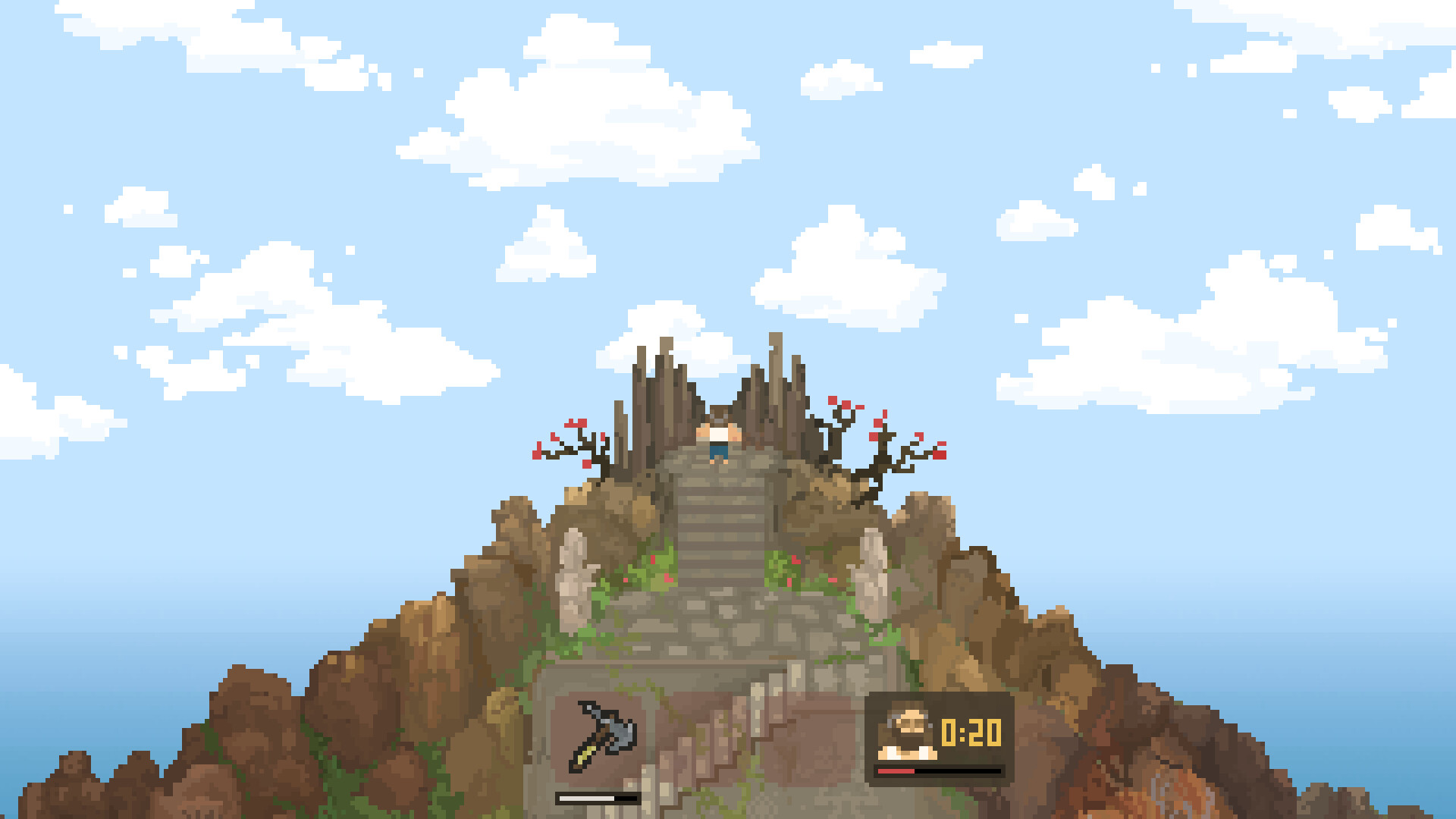
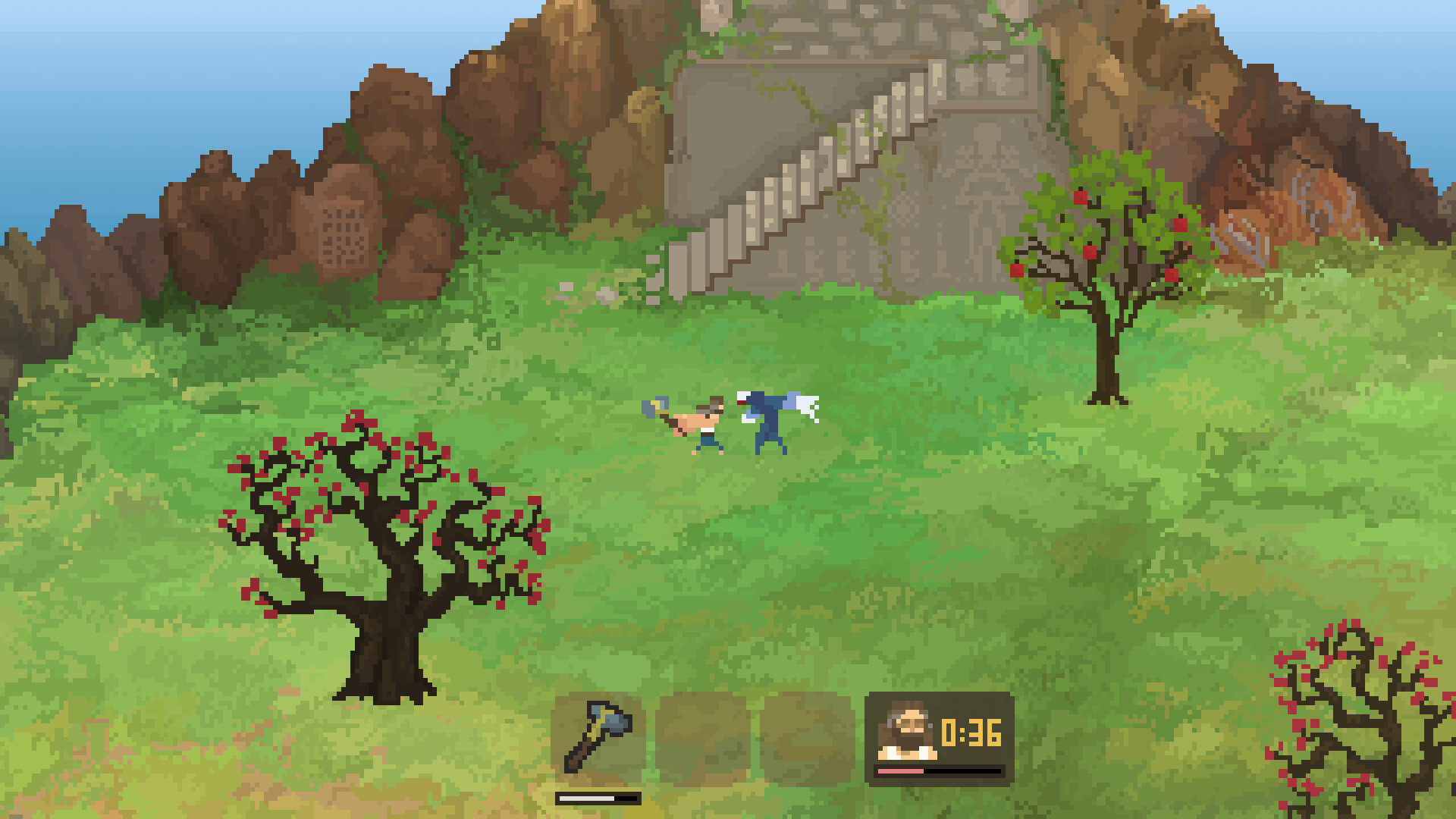
The Deep Waits is a Lovecraftian cosmic-horror survival roguelike from developer Kogren Studio, published by Aroko Game Studio, heading to Steam as an unreleased title. The hook is brutal and immediate: you have one minute to live. Stranded on a mysterious pixel-art island, you are nothing more than a sacrifice waiting for the creature beneath the waves. The only way to survive is to keep moving.
Every run is a race against a ticking clock. Gather resources, hunt for food, craft tools, and extend your life with the strange gifts hidden across the island. Every apple you eat, every fish you catch, and every decision you make brings you closer to escape, or to your final moments. Enemies attack, resources grow, and every second matters. Death means starting over from scratch; there are no second chances.
The horror comes from cosmic dread more than jump scares. You explore a dangerous pixel-art world filled with hostile creatures, forgotten ruins, and secrets inspired by Lovecraftian lore. You discover messages left behind, uncover the truth of the island, and learn what waits beneath the deep. Two different endings wait depending on your choices: escape the island, or uncover its hidden truth.
Who it's for: Players who loved the pressure of a survival clock like Don't Starve or Oxygen Not Included, roguelike fans who accept permadeath, and anyone who wants a compact, tense pixel-art horror survival game.
Who it's not for: Players who dislike permadeath, tight timers, or resource-grind loops. This game punishes hesitation harder than most.
| Fact | Detail |
|---|---|
| Developer / Publisher | Kogren Studio / Aroko Game Studio |
| Genre | Cosmic-horror survival roguelike |
| Platforms | Windows |
| Release | Upcoming (to be announced) |
| Price | To be announced |
| Players | Single-player |
| Permadeath | Yes — no second chances |
| Steam features | Achievements, Family Sharing |
| Endings | Two different endings |
| Minimum specs | i3-6100, 4 GB RAM, GTX 750 Ti, DirectX 11, 2 GB storage |
| Recommended specs | i5-8400, 8 GB RAM, GTX 1050 Ti, DirectX 11 |
Getting Started: The First 30 Minutes
Before You Launch
- Accept that death is part of the loop. Permadeath is the point. Your first few runs are scouting missions to learn the island's layout, not serious escape attempts. Treat them that way and the sting lessens.
- Understand the one-minute clock. The timer is the entire game. Everything you do — eating, fighting, crafting — competes against it. Moves that extend time (food, hidden gifts) are your top priority.
- Learn to read the environment fast. Resources, threats, and exit clues are all visible in the world. Scanning as you move is the skill that separates escaping from starving.
- Reframe the timer in your head. This is not a countdown to a fail state. It is your health bar. Every apple you eat and fish you catch converts directly into continued existence. Time is not pressure layered on top of survival; time is the survival itself.
Your First 30 Minutes
- Scout the immediate spawn area. Grab the easy food and resources right around your starting point before anything else. This first bounty banks minutes.
- Find the first hidden gift. Strange gifts across the island extend your life. The first one is usually close; grabbing it converts a fragile start into a workable one.
- Craft the basic tools. A simple weapon and a gathering tool open up tougher areas and better food sources. Do not leave the starting zone empty-handed.
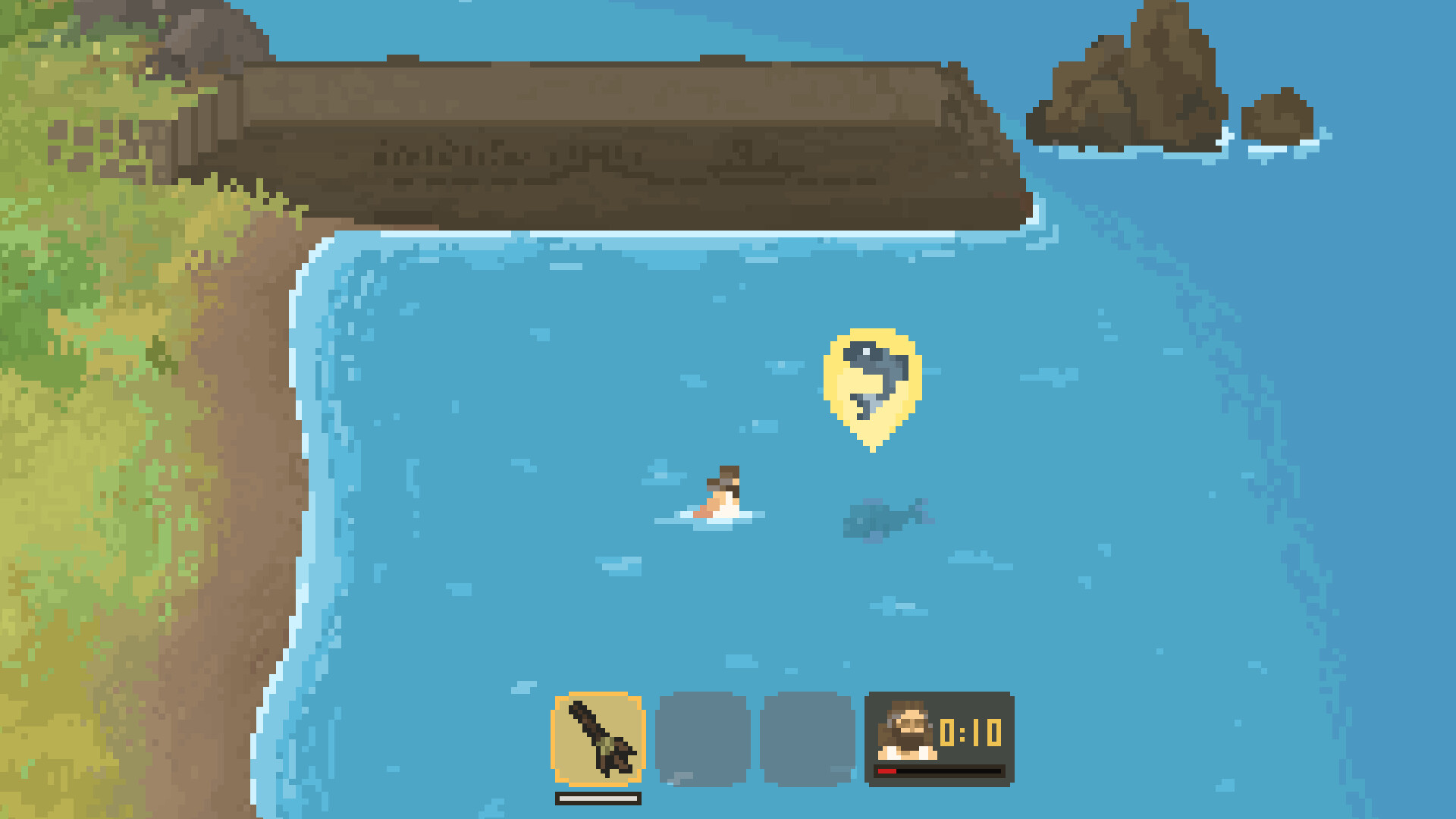
- Fish or forage for food. The reliable food loop (fish, apples) sustains the clock while you explore. Keep a food reserve rather than eating on empty.
- Read the first forgotten message. The ruins hold the island's story and hints about what waits beneath. The lore doubles as intel on where to go next.
- Pick a narrative goal early. Escape and truth are different runs with different routes. Decide which ending you are chasing within the first few minutes and route accordingly.
Beginner Mistakes
| Mistake | Why It Hurts | Fix |
|---|---|---|
| Fighting every creature | Combat burns time and health you can't spare | Run past patrols; fight only for food or when cornered |
| Eating on empty | Running on empty leaves you one hit from death | Keep a small food reserve banked for emergencies |
| Ignoring hidden gifts | Gifts extend your life clock directly | Treat them as the highest-value pickups on the island |
| Exploring without tools | Tough areas become impassable without a weapon | Craft basics before pushing inland |
| Hoarding resources | Dead weight slows your escape planning | Use materials as you find them to extend survival |
| Following one path blindly | The two endings need different choices | Read the messages to decide which truth to chase |
| Standing still to plan | The clock never pauses; idling is dying | Plan while moving, or find food first |
| Treating the timer as decoration | It IS your health, not a separate meter | Every spent second is a real cost; bank time constantly |
Core Mechanics Explained
The One-Minute Survival Clock
The central mechanic is simple and merciless: you have one minute to live, and it never stops. Eating food, catching fish, and collecting the strange hidden gifts all add time back to the clock. Everything else — combat, crafting, exploration — only spends it. This creates a constant trading problem: do you spend seconds fighting for a resource, or move on and risk missing food? The game makes every second a real, felt decision.
Most survival games separate time pressure from health. The Deep Waits collapses them. There is no separate health system to manage alongside the timer. Your health is the clock, and the clock is your health. This removes the classic "am I healthy enough?" question and replaces it with a single question asked every second: "am I alive enough?" It is the most direct survival economy in the genre.
Why Time-as-Health Works
Game design scholarship has long identified a problem at the center of Lovecraftian games: the genre demands that you feel powerless, but games are built to make you feel capable. Madness meters and nightmare cycles work around the contradiction without solving it. The Deep Waits solves it by making the contradiction the gameplay.
When your life is measured in seconds that food can extend and mistakes can consume, winning is not a stable state you achieve and hold. It is a series of temporary reprieves against something that will eventually take you. The game's own description — "you are nothing more than a sacrifice waiting for the creature beneath the waves" — is not marketing. It is an accurate description of your relationship to the systems.
Hunger, Food, and Resource Loop
Food is the lifeblood of survival. Apples, fish, and other gathered items bank time on the clock. The loop is gather-food → bank-time → spend-time exploring and crafting → find better food → repeat. Managing a small food reserve instead of eating everything on sight gives you the buffer to survive bad luck, enemy ambushes, or a long trek to a distant resource.
Every resource node on the island is simultaneously a meal and a negotiation — not with your hunger, but with your termination. The question is never "am I hungry" but "is this node worth the seconds I spend reaching and harvesting it."
Crafting and Tools
Crafting turns raw materials into survival tools. A basic weapon and a gathering tool are the early priorities, and they gate access to tougher areas with better food and materials. The crafting system rewards preparation: a well-made tool pays for its crafting time many times over because it lets you fight and gather more efficiently.
Crafting decisions carry an extra cost here: every second at a crafting bench is a second not eating. The best tool order is the one that puts food in your hands sooner, not the one that builds the fanciest gear.
Combat Under Pressure
Fighting happens while the clock runs. Hostile creatures patrol the island, and combat burns both time and health. The trick is knowing when fighting is worth it. Fighting near a reliable food source or when cornered is a sound trade; chasing down every creature is usually a death sentence. Prioritizing positioning and quick strikes over drawn-out brawls keeps the fight short.
Island Secrets and the Two Endings
The island is full of forgotten ruins and hidden messages inspired by cosmic horror. These tell the story of the sacrifice and what waits beneath the waves. Crucially, your choices shape the ending. The game offers two different conclusions: escape the island, or uncover the island's hidden truth. Reading the messages and deciding which path to chase is the difference between them.
The two endings map onto a real tension in Lovecraftian fiction. Escape is the conventional reward: gather the resources, craft what you need, and get off the island. Truth is the genre-honest choice: dig into the mystery, learn what the ritual sacrifice means, and find out what actually waits beneath the waves. The game asks which kind of person you are.
Permadeath and Run Structure
Death means starting over with nothing carried forward. That is the roguelike contract, and it amplifies everything else here. The timer tells you death is coming; permadeath tells you that when it arrives, it will mean something. A hostile creature you failed to evade, a resource node you spent too long examining, a crafting decision that cost fifteen seconds you did not have — each mistake carries its full weight because there is no reload.
The "just one more run" pull is sharpened by the framing: you may understand the island a little better this time. But the deep does not care.
Progression Strategy
The First Five Runs
Treat your first five runs as pure information gathering. Do not try to win. Map the island layout, learn where food clusters sit, find where the hidden gifts spawn, and read every message you can reach. Knowledge is the only thing you carry between runs, and it is the only thing permadeath cannot take.
Run Goal Prioritization
| Run Phase | Goal | Priority Actions |
|---|---|---|
| Minute 1 | Survive the spawn | Grab spawn food, find first gift, craft basic tool |
| Minutes 2-5 | Build the food loop | Fish/forage, bank a reserve, expand map knowledge |
| Minutes 5-10 | Commit to an ending | Read messages, choose escape or truth, route toward it |
| Endgame | Execute the ending | Craft the needed gear, reach the objective, close the run |
What to Craft First
- Gathering tool. Reaches new food and materials fastest. Payback is immediate.
- Basic weapon. Lets you claim contested zones and defend food sources.
- Escape/truth gear. Whatever the ending you chose requires. Save this for when you have a food reserve to fund the crafting time.
Food Reserve Management
Bank a reserve of three to five food items once the early loop is stable. Spend it deliberately: to reach a hidden gift, to cross a food-poor zone, or to survive a hard fight. Players who graze constantly find themselves starved exactly when a long escape trek demands the buffer.
Step-by-Step Strategies
Strategy 1: The First Five Minutes (Spawn to Food Loop)
- Spawn and immediately scan one screen in every direction. Note food, threats, and landmarks before you move.
- Grab every food item within reach. Do not eat them yet. Bank them.
- Find and collect the nearest hidden gift. This is the single highest-value action in the opening.
- Craft a gathering tool with the materials you collected. If materials are short, gather what the tool unlocks.
- Locate water or a fishing spot and start the fish loop.
- Bank three to five food items before you do anything else. That reserve is your freedom to explore.
Strategy 2: The Escape Route
- Commit to escape early. Read the messages but do not let lore side-quests drag you off route.
- Identify what escape requires. Check the crafted gear list and the island's landmarks against each other.
- Build the food buffer first. You cannot craft an escape on an empty clock.
- Route through food-rich zones on the way to each escape objective. Never cross a food-poor zone without a reserve.
- Fight only what blocks the route. Everything else gets dodged or outrun.
- Close the final segment at full reserve. The last push is the longest and most dangerous; fund it properly.
Strategy 3: The Truth Route
- Commit to the truth route and read everything. Every message is both lore and coordinates.
- Prioritize ruins over resources. The truth path is information-gated, so reaching messages beats banking food.
- Keep a defensive weapon. The truth route goes through more hostile territory than the escape route.
- Map ruins in a chain. Visit them in geographic order to minimize crossing the island repeatedly.
- Decode the pattern. The messages build on each other; each one makes the next location obvious.
- Prepare for the final reveal. The truth ending demands you face what waits beneath. Bring the best food reserve and weapon you can.
Strategy 4: Combat Under the Clock
- Decide before you engage. Fight only when food is nearby or you are cornered. Otherwise run.
- Open with positioning. Place yourself so the creature's attack pattern misses while you strike.
- Keep fights to three to five seconds. A brawl that drags on is a brawl that costs a food item's worth of time.
- Fall back to a food source if low. A fight near apples pays its own cost.
- Never chase fleeing creatures. The time spent pursuing is time not spent surviving.
- Know when a run is over. If combat drains you below a viable clock, stop fighting and go bank food instead of stubbornly finishing the fight.
Strategy 5: Crafting Under Pressure
- Craft only when you have a food reserve. Never spend your last seconds at a bench.
- First tool: gathering. Second: weapon. This order puts food in your hands first.
- Batch gather before crafting. One trip that collects everything beats three trips with a half-built tool.
- Craft near food. Do your bench time next to a source you can harvest the moment you finish.
- Skip luxury crafts. Anything that does not extend time or advance your chosen ending is a trap.
- Time your crafts between threats. If a patrol is near, move it away or pick a different bench window.
Strategy 6: Hidden Gift Prioritization
- Learn the gift spawn patterns across runs. Gifts are the fastest time-per-second pickup in the game.
- Route through gifts on every expedition. Even detours to gifts pay for themselves.
- Grab gifts before food when both are in view. Food banks seconds; gifts bank more.
- Track which gifts you have collected. If a run has finite gifts, running out of them changes your whole economy.
- Save a gift for a crisis. If you know where one spawns, keep it as an emergency battery for a near-death moment.
Advanced Tips
The First-Bounty Bank
The moment you spawn, grab every piece of food and material within one screen. This first bounty banks the most time per second invested. A run that secures the spawn area early has a huge head start over one that wanders immediately.
Reserve Banking Over Grazing
Never eat the moment the clock dips. Stack a small reserve and spend it deliberately to reach a timer-extending gift or a food-rich biome. Players who graze constantly find themselves starved exactly when a long escape trek demands the buffer.
Fight Near Food, Not Far From It
Only engage creatures when a food source is nearby. A fight that costs you time is acceptable if it lands next to a fishing spot or apple cluster that pays the time back. Fighting far from food is a pure loss. Use it as your combat decision rule.
Read, Then Run
Before escaping in earnest, read the hidden messages. They are both lore and roadmap. Choosing which ending to chase changes which side of the island matters, so settle your narrative goal early and route toward it instead of wandering.
The Dual-Ending Decision
Decide early which ending you want, because the two routes demand different resource priorities. The escape route wants crafting materials and route efficiency. The truth route wants exploration reach and defensive gear. Splitting your resources between both is the fastest way to achieve neither.
Time-Themed Tool Ordering
Craft tools in an order that extends time fastest. A gathering tool reaches new food faster; a weapon lets you claim contested zones. Value the tool that banks more clock per crafting second. When two crafts are available, do the one that puts food in your hands sooner.
Use Death as Data
Every permadeath run ends with information. You learned a spawn pattern, a patrol route, a gift location. That knowledge carries to the next run. A "failed" run that mapped the island is a successful scouting mission.
Scanner's Gait
Move in a pattern that scans new territory without backtracking. Sweep outward in a spiral or a zigzag, always pushing into unseen ground while keeping a retreat path to known food. Wandering randomly wastes the clock; scanning deliberately spends it well.
The Calm Before the End
The game pairs cosmic horror with relaxing music and immersive sound. The calm soundtrack is not an accident. Use the quiet sections to plan your route and spot resources. Panic is the real enemy; the deep is just the cleanup crew.
FAQ and Common Mistakes
Is The Deep Waits single-player?
Yes, single-player only. There is no multiplayer component on the Steam feature list.
Does The Deep Waits have permadeath?
Yes. Death means starting over, and the developers list "No Second Chances" as a core feature. There are no checkpoints or revives.
How does the one-minute clock work?
You have one minute to live, and the timer never stops. Eating food, catching fish, and collecting hidden gifts add time back. All other actions only spend time. The clock is your health bar, not a separate timer layered on top of survival.
Is the timer really my health?
Yes. There is no separate health system in the traditional sense. Your life is measured in seconds, and food converts directly into continued existence. Every action has a single unified cost: time spent doing one thing is time not spent surviving.
Does The Deep Waits support controllers?
Controller support is not listed on the Steam page yet. Keyboard and mouse are the confirmed input method for now.
What platforms is The Deep Waits on?
Windows. No console or macOS release has been announced.
How many endings are there?
Two. You can escape the island or uncover the island's hidden truth, and your choices determine which one you reach. Escape is the conventional reward; truth is the genre-honest option that shows what actually waits beneath the waves.
Is The Deep Waits a horror game with jump scares?
It is cosmic horror. The dread comes from atmosphere, lore, and the unknown beneath the waves rather than cheap jump scares.
Is there a demo?
No demo is listed on the Steam page. The game is in a pre-release state.
Are there Steam achievements?
Yes, Steam Achievements are listed in the store features.
What are the system requirements?
Minimum: Intel Core i3-6100, 4 GB RAM, NVIDIA GTX 750 Ti, DirectX 11, 2 GB storage. Recommended: Intel Core i5-8400, 8 GB RAM, NVIDIA GTX 1050 Ti. Modest specs for a pixel-art game.
Common Mistake: Fighting every creature
Every fight costs time and health you cannot spare. Run past patrols; fight only for food or when cornered. The clock is your real opponent.
Common Mistake: Eating on empty
Running on empty leaves you one hit from death. Bank a small food reserve instead of eating every item the moment you find it.
Common Mistake: Splitting between both endings
The escape and truth routes need different resources. Pick one early and route toward it. Splitting your efforts achieves neither.
Common Mistake: Idling while planning
The clock never pauses. Standing still to think is literally dying. Plan while moving, or make sure you have food banked before you stop.
Common Mistake: Hoarding materials
Holding materials for a perfect craft wastes time you could spend surviving. Use what you find to extend the clock immediately.
Final Tip and Verdict
The deepest principle in The Deep Waits is simple: spend every second either banking time or moving toward a timer-extending goal. The players who survive are the ones who treat food and hidden gifts as currency, not convenience. They bank a reserve, fight only near food, use death as data, and read the island's messages to pick one ending and route toward it.
The one-minute design is the most honest expression of Lovecraftian game design in recent memory. It does not layer horror over a survival game; it makes the horror the survival. Time is health, food is time, and the deep is patient.
Who should play it: Roguelike fans who accept permadeath, survival-clock enthusiasts, and anyone who wants a compact Lovecraftian pixel-horror game they can play in tense short bursts.
Who should skip it: Players who hate timers, permadeath, or resource grind. This game turns every hesitation into failure, which is exactly the design for its audience and exactly wrong for casual explorers.
Rating: 4/5 in its niche. The one-minute hook is memorable, the time-as-health twist is genuinely novel, and the two-ending structure adds real replay value.
Last reviewed by Game How To Editorial. We play each game, verify controls against official sources, and update guides when game mechanics change.
Screenshots