Official game
Play Polyzonia
This game is hosted by Steam. Continue to the official page to play or download it.
Wishlist on SteamOverview
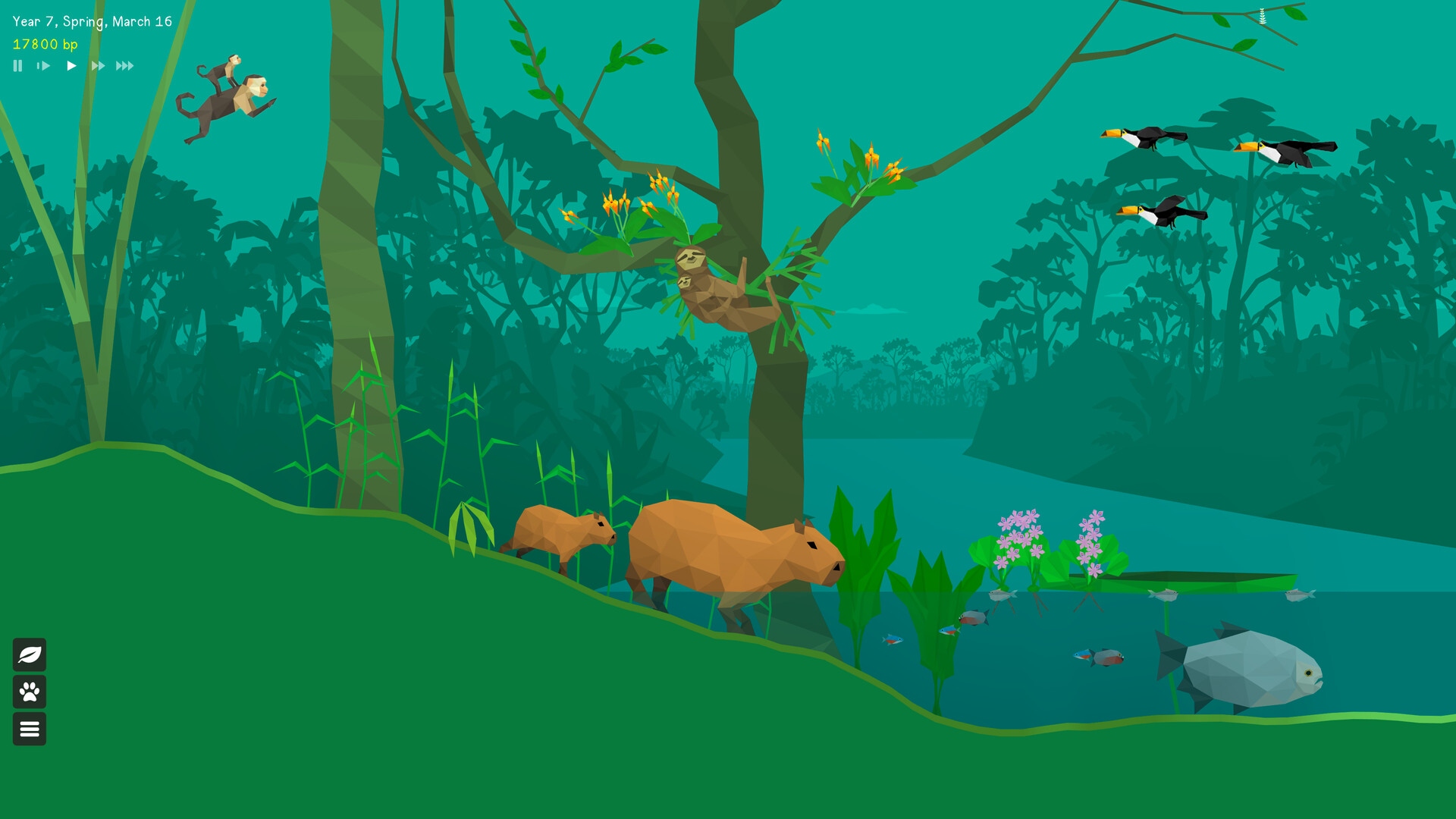
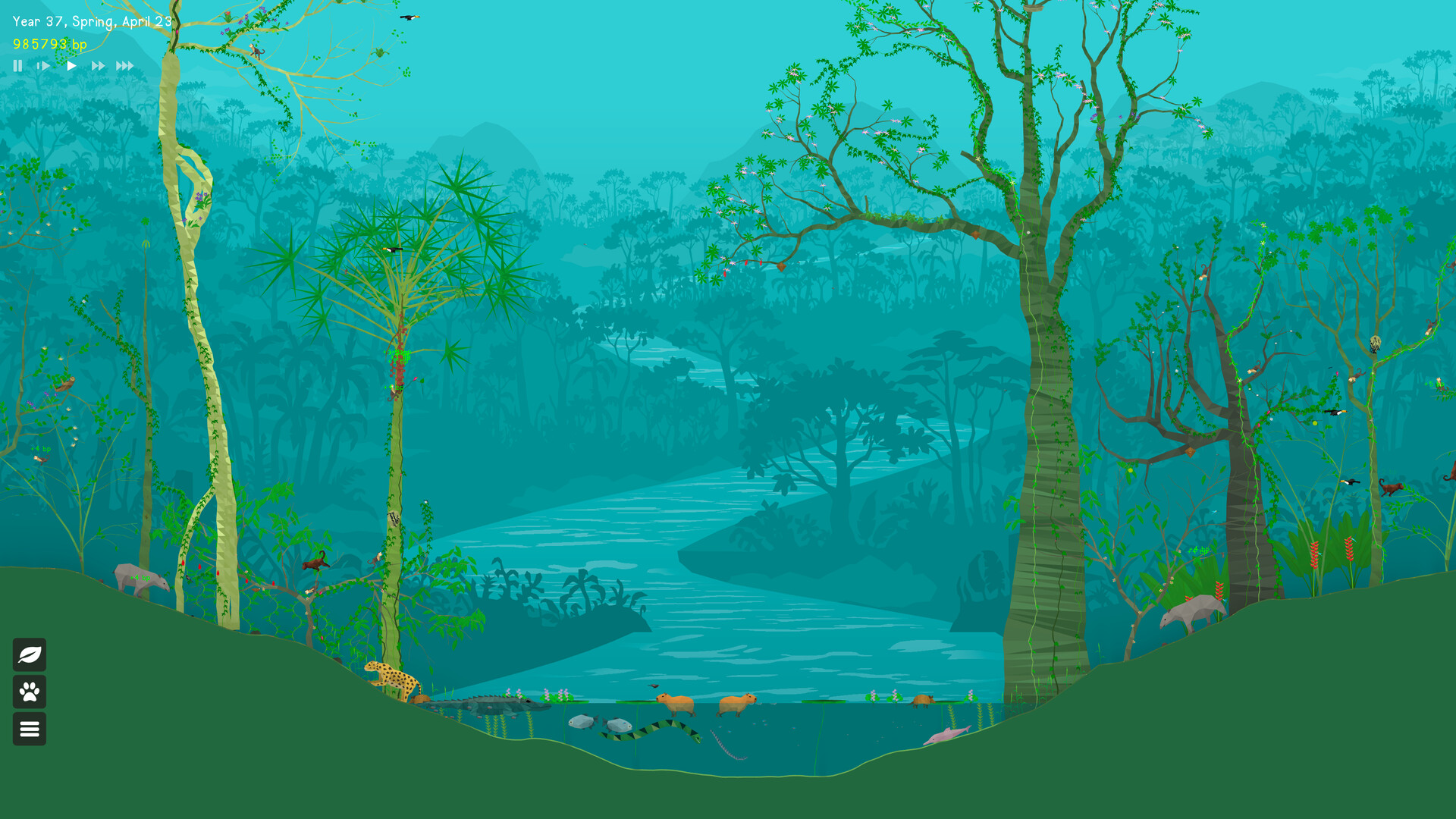
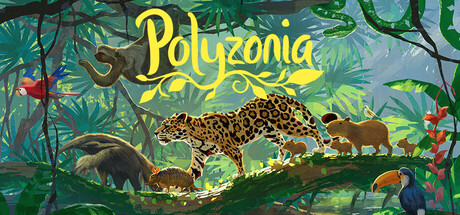
Polyzonia is an ecosystem simulation set in the Amazon rainforest. You start with a barren patch of land and shape it into a living forest where plants, animals, and ecological relationships thrive. Developed by Cloudberry Pine (the studio behind PolyPine) and published by IndieArk, it's a relaxing click-driven sim where every action moves the ecosystem forward.
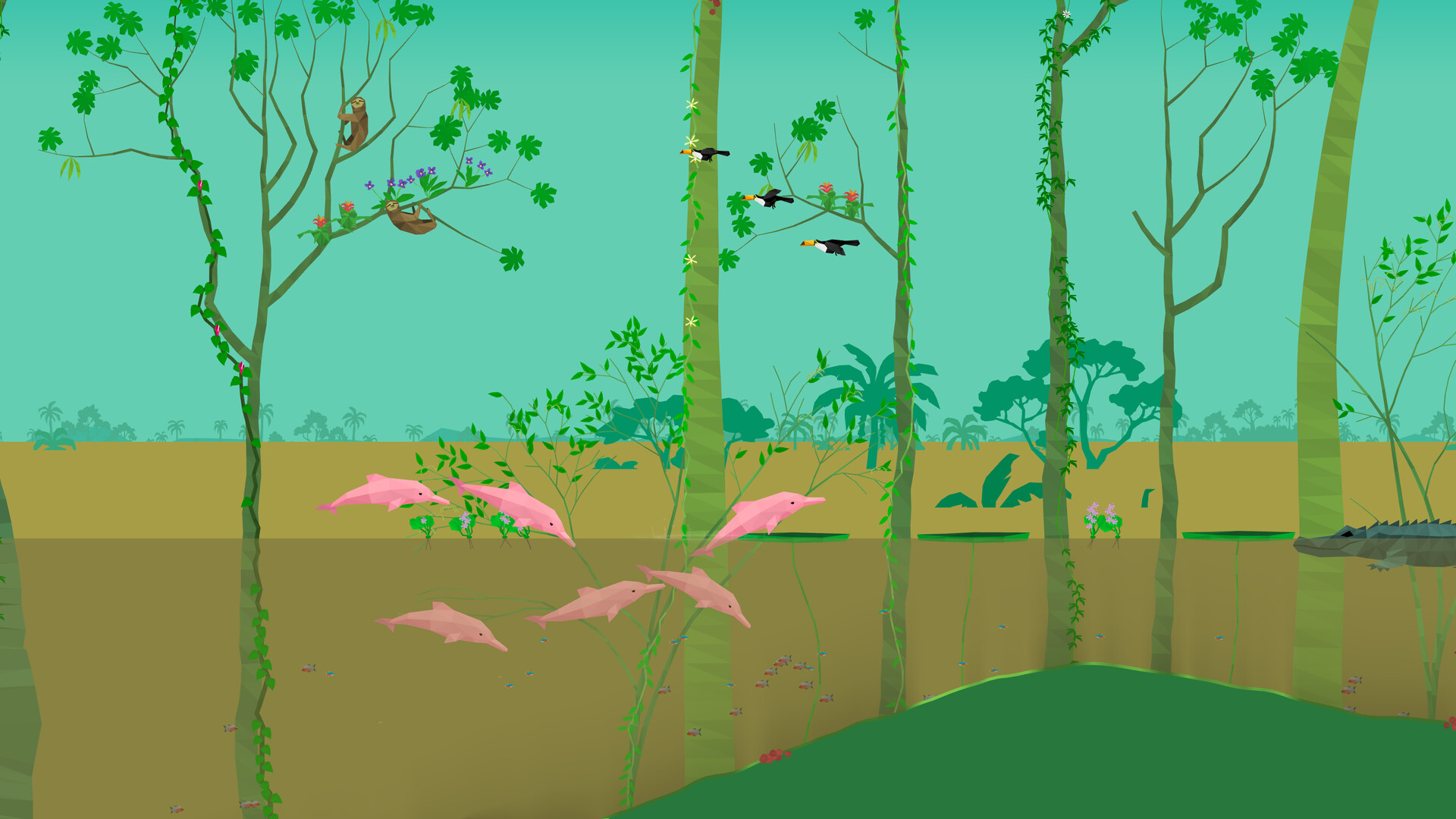
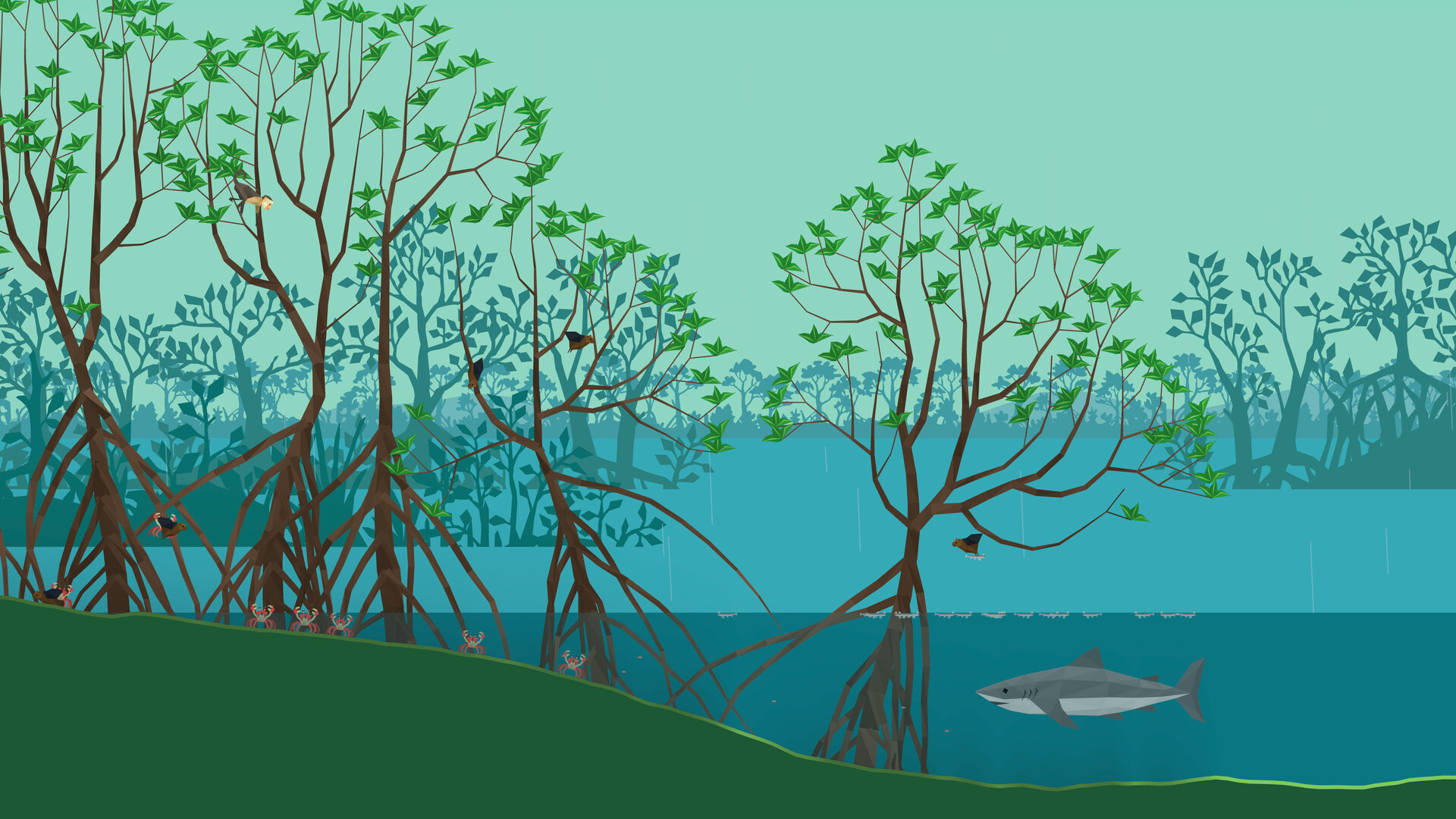
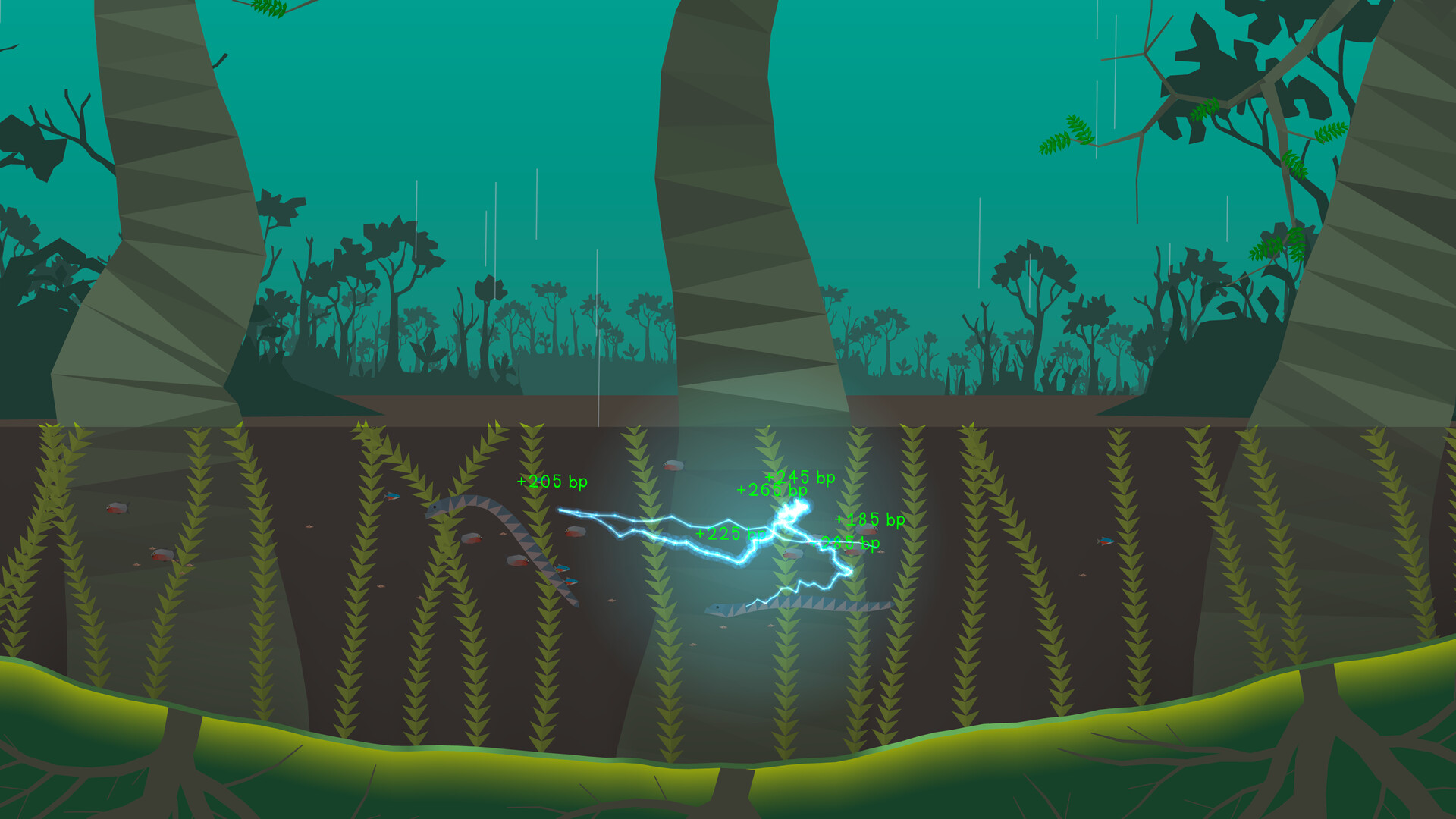
The core loop is simple on the surface: grow plants, create habitats, introduce animals, and click to trigger ecological actions like pollination, fruit drop, hunting, burrowing, swarming, pupation, and seed spreading. The depth comes from the web of relationships. Fruit falls into flooded forests where fish gather beneath the canopy. Electric eels strike in dark blackwater. Mangrove roots shelter young animals. Cloud forest birds dance to attract mates.
The game grew out of the response to PolyPine, Cloudberry Pine's first game. Players connected with its relaxing atmosphere and ecological systems, and asked for more content, larger forests, a longer campaign, and deeper species interactions. The Amazon became the natural next setting: richer food webs, more intricate mutualisms, rainforest succession, and a much larger cast of plants and animals.
Game Details Table
| Field | Detail |
|---|---|
| Genre | Ecosystem Simulation |
| Developer | Cloudberry Pine |
| Publisher | IndieArk |
| Platform | Windows |
| Price | To be announced |
| Players | Single-player |
| Release | To be announced |
| Biomes | Terra firma forest, whitewater floodplain, blackwater channel, coastal mangrove, Andean cloud forest |
| Minimum OS | Windows 10 |
| Minimum CPU | Intel Core i3 |
| Minimum RAM | 2 GB |
| Minimum GPU | OpenGL 3.0 support |
| Storage | 512 MB available space |
Target Audience
Polyzonia is for players who find satisfaction in watching systems grow. If you liked the gentle progression of PolyPine, the ecosystem depth of Rain World's worldbuilding, or the click-driven relaxation of games like Mushroom 11 or idle nature sims, this will click. There's no combat, no fail state pressure, and no timer. The challenge is ecological: building the right conditions so species can thrive.
Skip it if you need clear goals, fast pacing, or any form of conflict. Polyzonia is a slow-burn sim where the reward is a self-sustaining rainforest you built from dirt. Players who bounce off games without explicit objectives will find it aimless.
Getting Started — First 30 Minutes
Start With a Barren Patch
The game opens on empty land. Your first job is planting. Seedlings become trees, flowers bloom, and fruit ripens as time moves forward. Don't rush to introduce animals, they need habitats and food sources first.
Click Everything
Plants and animals aren't decorations. They interact with the world, and you influence them directly. Click to pollinate flowers, drop fruit, hunt prey, create burrows, release swarms, pupate butterflies, and spread seeds through poop. Every click pushes the ecosystem forward.
Learn the Ecological Action List
The actions are your toolkit: pollination, fruit fall, seed dispersal, hunting, burrowing, swarming, pupation, and germination. Each one targets a different interaction. Pollination helps flowers reproduce. Fruit fall feeds animals. Seed dispersal spreads plants. Hunting controls populations.
Match Habitats to Conditions
Animals only thrive when conditions are right. Read what each animal needs before introducing it. A fish that gathers under flooded forest canopies won't survive in a dry terra firma patch. The habitat system is the difference between a growing forest and a stalled one.
Watch the Succession Happen
Rainforest succession is the game's quiet reward. Early plants create conditions for later species. Grasses and fast-growing trees shade the ground, allowing shade-tolerant seedlings to take root. Understanding succession means understanding what to plant first.
Unlock Automation as Soon as Possible
At first, you guide the ecosystem directly. As your rainforest develops, you unlock automation for the actions you've been doing yourself. Prioritize automating the actions you click most, because every automated action frees you to work on the next bottleneck.
Beginner Mistakes to Avoid
| Mistake | Why It Hurts | Fix |
|---|---|---|
| Introducing animals too early | They arrive without food or shelter and the ecosystem stalls | Build habitats and food sources first |
| Ignoring seed dispersal | Plants stay clustered and succession slows | Click to spread seeds into empty patches |
| Over-hunting prey | Predators wipe out the population they depend on | Hunt selectively to balance populations |
| Neglecting pollination | Flowers don't reproduce and the plant layer thins | Pollinate regularly to keep flowers blooming |
| Treating all biomes the same | Each biome has different species and conditions | Match your strategy to the biome you're in |
| Hoarding clicks for later | Ecological actions compound over time | Use actions as they become available |
| Skipping automation unlocks | You stay stuck doing manual busywork | Automate the actions you repeat most |
Core Mechanics Deep Dive
Ecological Actions
The click system is the heart of Polyzonia. Every plant and animal has actions you can trigger, and those actions create the relationships that make the ecosystem live. Pollinate a flower and it seeds. Drop fruit and animals feed. Hunt prey and populations rebalance. The action list grows as you unlock new species.
The clever part is how actions chain. A pollinated flower produces fruit. Fruit falls and feeds fish in flooded forests. Fish attract predators. Predators control fish populations, which keeps the fruit from being overconsumed. One click cascades through the web.
Habitats and Animal Conditions
Animals aren't just placed, they're introduced when conditions are right. Habitats determine which animals can survive where. The flooded forest canopy draws fish. Mangrove roots shelter young animals. Each habitat type supports a specific cast of species, and the conditions have to be built before the animals arrive.
Biomes
The Amazon isn't one jungle. Polyzonia spans five distinct biomes, each with different species, conditions, and ecological actions:
| Biome | Character | Signature Interaction |
|---|---|---|
| Terra firma forest | Dry, high-ground forest | Classic rainforest succession |
| Whitewater floodplain | Sediment-rich seasonal floods | Fruit falls into flooded forests, fish gather |
| Blackwater channel | Dark, acidic water | Electric eels strike |
| Coastal mangrove | Salt-tolerant roots | Roots shelter young animals |
| Andean cloud forest | Misty highlands | Birds dance to attract mates |
Automation
Automation is the progression spine. Actions you perform manually become automated as your forest develops. Pollinators visit flowers on their own. Fruit falls without your click. Animals feed, predators hunt, insects work, and seeds spread. The end state is a rainforest that sustains and develops entirely on its own.
The strategic layer is deciding what to automate first. Automating the bottleneck action in your current biome unlocks the next phase of growth faster than automating something you barely use.
Animal Lifecycles
Species have lifecycles that loop through the ecosystem. Butterflies pupate. Swarms release. Young animals shelter in mangrove roots until they're ready. Understanding lifecycles tells you when to introduce a species and what it needs at each stage.
Advanced Strategies
The Succession Ladder
Plant in waves, not all at once. Fast-growing pioneers shade the ground first. Then add shade-tolerant understory plants. Then introduce animals that depend on the mature structure. Skipping rungs on the ladder stalls growth because each species needs the previous layer's conditions.
The Click Cascade
Chain actions instead of clicking randomly. Pollinate a flower, then immediately drop its fruit into a flooded forest patch. The fruit draws fish, the fish draw predators, and the predator presence lets you balance the whole micro-region with one cascade. Look for the action that feeds the most relationships and start there.
The Automation Bottleneck Rule
When you unlock a new automation slot, automate the action that gates your current bottleneck. If animals keep dying because fruit isn't falling, automate fruit drop. If plants cluster because seeds aren't spreading, automate dispersal. Don't automate convenience, automate constraints.
The Biome Rotation
Don't max out one biome before touching the others. Rotate between biomes to unlock new species and actions. Cloud forest birds, blackwater eels, and mangrove nurseries each add mechanics you can bring back to your main forest. Cross-biome species often unlock the strongest cascades.
The Balanced Predation Method
When hunting, thin populations rather than clearing them. Predators need prey to survive, and prey populations need predators to stay balanced. Remove the oldest or slowest individuals first, which mimics natural selection and keeps the breeding population healthy.
Tips and Tricks
- Pollinate before you drop fruit. The flower needs to seed first for the cascade to work.
- Introduce animals in small groups, one species at a time. Conditions shift as populations settle.
- Automate your bottleneck action first, not your favorite action.
- Rotate biomes regularly. Cloud forest and blackwater species unlock actions you can bring home.
- Hunt the oldest individuals first. Thinning beats clearing for population health.
- Watch what each biome's plants need before planting. Terra firma and floodplain want different starts.
FAQ
When does Polyzonia release?
The Steam page lists a release date as to be announced. The game is in development by Cloudberry Pine, the studio behind PolyPine. Wishlist on Steam for launch updates.
What platforms will Polyzonia support?
Windows only, per the current Steam page. There's no announced macOS or Linux version.
Is Polyzonia multiplayer?
No. It's a single-player ecosystem sim. There's no multiplayer or co-op component.
What is the difference between Polyzonia and PolyPine?
Polyzonia is the follow-up to PolyPine, Cloudberry Pine's first game. It expands to the Amazon setting with larger forests, a longer campaign, deeper species interactions, more biomes, and richer food webs.
How do I introduce animals?
Build the right habitat and ensure conditions are met, then introduce the animal. Each species has specific requirements, and introducing animals before conditions are ready stalls the ecosystem.
What are the five biomes?
Terra firma forest, whitewater floodplain, blackwater channel, coastal mangrove, and Andean cloud forest. Each has different species, conditions, and ecological actions.
What does automation do?
Automation takes over ecological actions you were performing manually. As your rainforest develops, you unlock automation for pollination, fruit fall, hunting, seed spreading, and more, until the forest sustains itself.
What are the minimum system requirements?
Windows 10, an Intel Core i3 processor, 2 GB RAM, OpenGL 3.0 graphics support, and 512 MB of storage. Very light requirements for a modern sim.
Do I need to hunt animals?
Hunting is one of the ecological actions. It controls populations and is part of the food web balance. You can hunt selectively to keep prey and predator populations healthy.
Where can I find more information?
The official game page at cloudberrypine.com/polyzonia has the full feature list, press kit, and development updates. The Steam page is the best source for launch timing.
Final Tip / Verdict
The fastest way to a thriving forest is to stop thinking in individual clicks and start thinking in cascades. Find the action that feeds the most relationships, trigger it, and watch the chain reaction. Then automate that action so the chain keeps running while you build the next link.
Polyzonia is a perfect pick for relaxing sim fans who want real ecological depth without pressure. The Amazon setting, the five biomes, and the automation progression give it far more substance than the average clicker. If you loved PolyPine, this is a direct upgrade. If you need action or fail states, it's not for you. Everyone else should wishlist it.
Last reviewed by Game How To Editorial. We play each game, verify controls against official sources, and update guides when game mechanics change.
Screenshots