Official game
Play Grim Heart: Bleak Laments
This game is hosted by Steam. Continue to the official page to play or download it.
Wishlist on SteamOverview
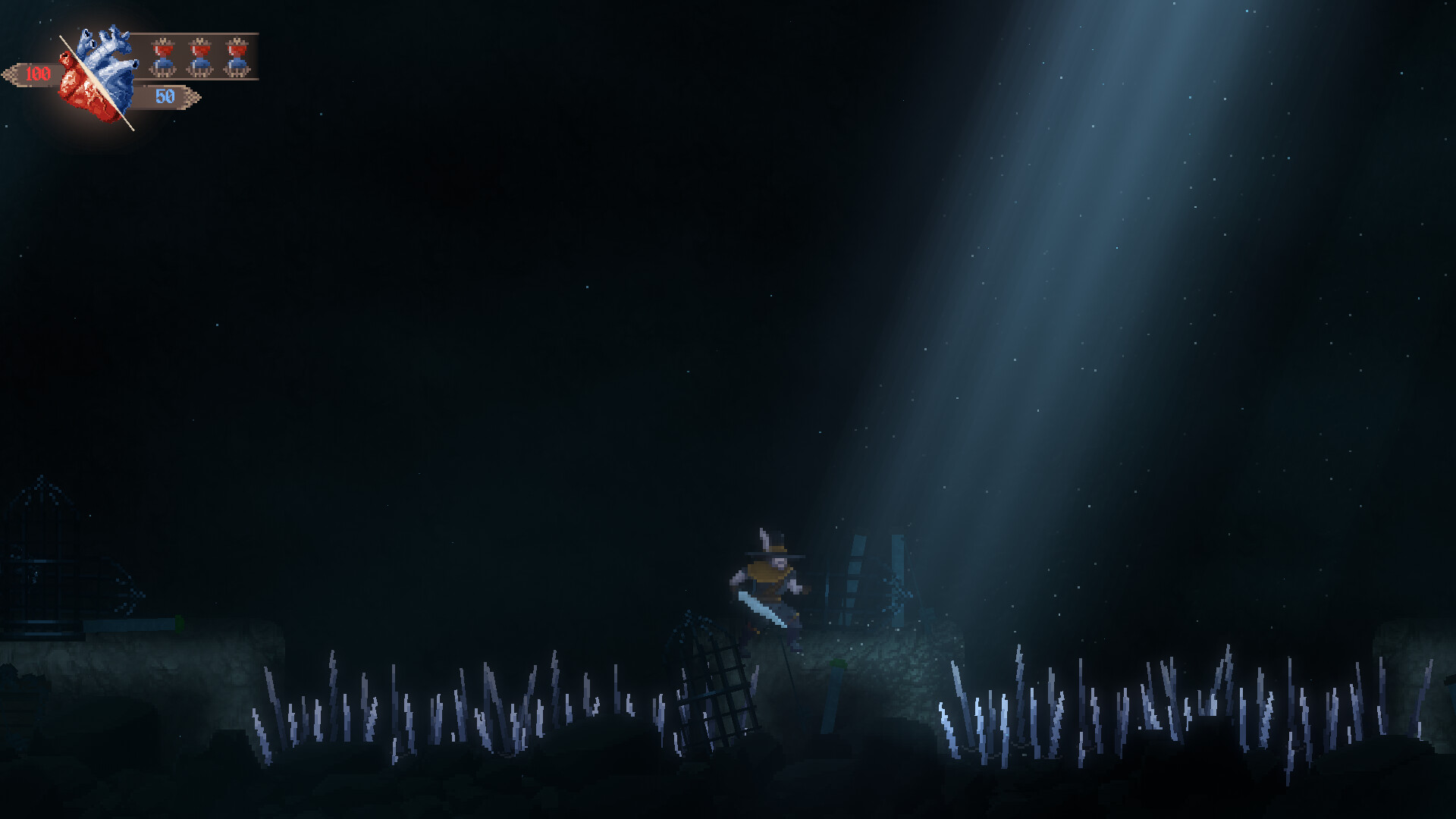
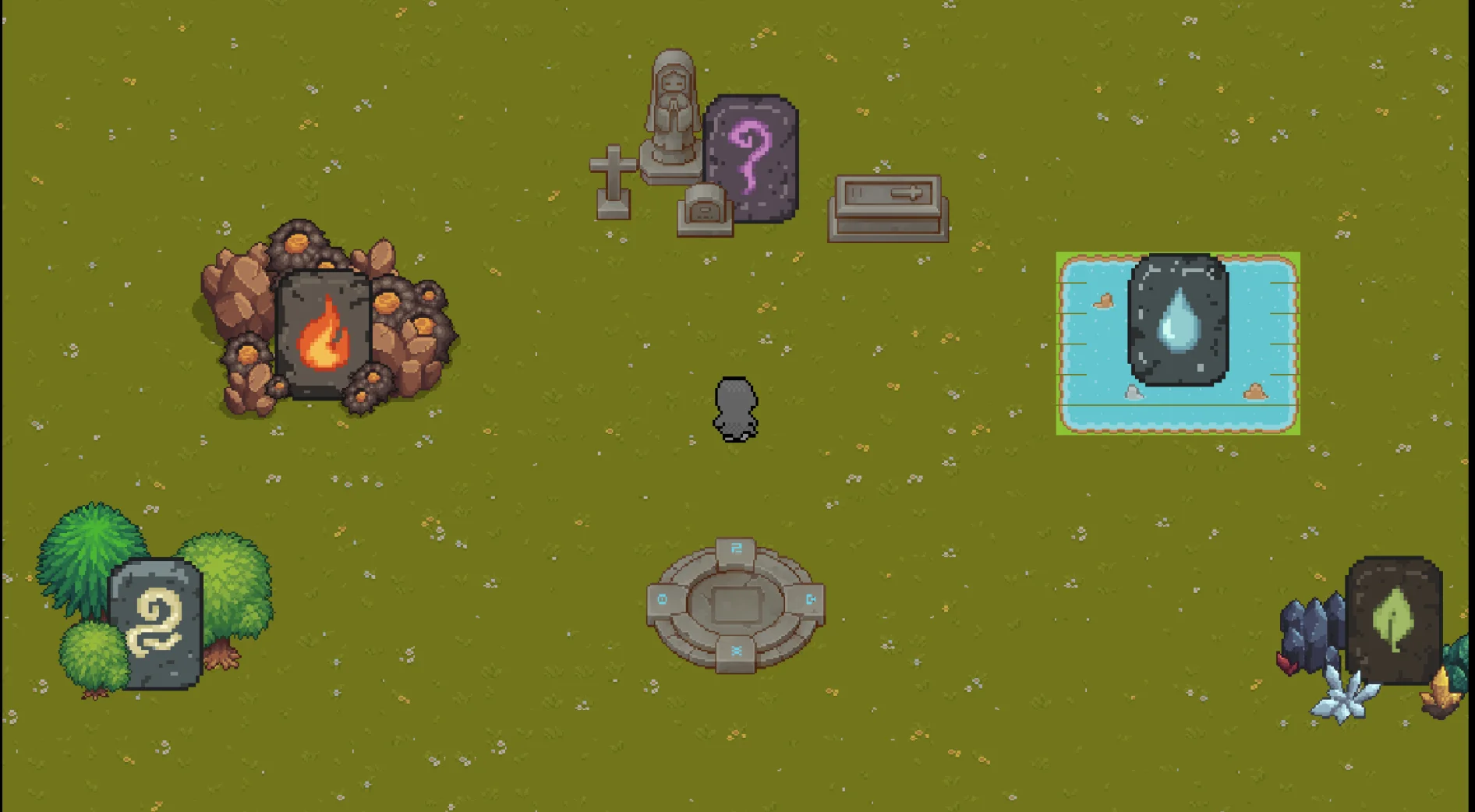
Grim Heart: Bleak Laments is a handcrafted 2D pixel-art action RPG from Dream Unable, a solo developer who has spent years shaping the game around a single conviction: difficulty should come from learning, not from inflated health bars. It tells the story of Hemwick, an ex-witch hunter dragged back into the life he left behind. Drawn by his own conscience, he sets out on a final and dangerous journey to uncover the truth behind the Grim Heart, an ancient artifact said to have the power to reshape fate itself.
The world is dying. Plague, ruin, and unnatural corruption fill abandoned settlements and cursed wilderness. As Hemwick pushes deeper, the line between salvation and destruction blurs, and the "Bleak Laments" of the title stops being poetic and becomes literal. A free demo launched on Steam and itch.io on August 17, 2026, giving players the opening region, the first real objective, and a full boss fight. The full release date is still to be announced.
Three design pillars define the game. First, the developer names Blasphemous and Hollow Knight as inspirations — games that reward observation over mashing. Second, the world blends handcrafted rooms with procedural room order, so exploration stays intentional but never repeats exactly. Third, player freedom is structural: multiple paths through the world let different players meet different enemies, see different areas, and uncover different lore. No two runs forge the same journey through a dying world.
Who it is for: Fans of deliberate, methodical 2D action RPGs in the vein of Salt and Sanctuary, Blasphemous, or Hollow Knight. Solo developers making their own games will also find the honesty of the design notes refreshing. Anyone who loves dense, atmospheric pixel-art worlds will be at home.
Who it is not for: Players who want fast, arcadey combat or a cozy, low-stakes adventure. This is a game about preparation, pattern learning, and building your loadout for the fight ahead. The tone is relentlessly grim.
| Fact | Detail |
|---|---|
| Developer | Dream Unable |
| Publisher | Dream Unable |
| Genre | 2D action RPG |
| Platforms | Windows |
| Release | To be announced (demo released August 17, 2026) |
| Price | To be announced |
| Players | Single-player |
| Combat | Fast-paced, dodge, parry, chain attacks, swords and firearms |
| Magic | The Push spell, environmental manipulation |
| Builds | Over 40 hidden Charms to mix with multiple weapons |
| World structure | Handcrafted rooms, procedural room order, multiple paths |
| Accessibility | Camera comfort, color alternatives, no timed input required |
| Requirements | Win 10, i5-12500H, RTX 2060 4GB, 4 GB RAM, 4 GB storage |
Getting Started — The First Hunt
Before You Launch
- Play the demo first. It's free on Steam and itch.io and it is not a hollow teaser — it includes the opening region, multiple melee weapons, the Witch Hunter Musket, the Push spell, over 40 Charms, and a full boss fight against Oswald. That is a serious slice of the game.
- Understand the combat philosophy before you swing. This is a fast-paced action RPG, but "fast-paced" means you have many tools and options, not that you should mash. The developer removed features that complicated the core. Expect clean, readable combat where observation beats reflexes every time.
- Treat every fight like a puzzle. The core promise is that every enemy is designed around strengths and weaknesses. Study the enemy first, set your loadout, then engage. The difficulty comes from learning, not from a stat wall.
- Set up accessibility early. Camera comfort and color alternatives exist, and the game is playable without timed input. If you want a calmer experience, these are on from the start.
- Expect to lose fights as information. Every mistake can be punished, and every death is data. Treat each run as reconnaissance, not failure.
Your First 30 Minutes
- Learn Hemwick's toolkit. Movement, attack, dodge, parry, and the loadout quick-swap are the core. Practice the rhythm of one or two clean hits, then create space. Greed gets punished.
- Find the Witch Hunter Musket. The demo hands you multiple melee weapons and a firearm. The musket changes your options at range and punishes enemies who try to kite you.
- Unlock and learn the Push spell. Your first spell is Push, and it is far more than raw damage. It creates openings, shoves enemies into walls or hazards, and turns the environment into a weapon. It is the first thing you should master.
- Start finding Charms. Over 40 Charms are hidden throughout the demo. They are the build system: mix different bonuses, combine them with multiple weapons, and adapt your setup to the danger ahead. Sniff out every hidden path.
- Push for Oswald. The demo culminates in a boss fight against Oswald, a relentless hunter of his own. Study his attacks, exploit his weaknesses, and treat the fight as the exam for everything you just learned.
Beginner Mistakes
| Mistake | Why It Hurts | Fix |
|---|---|---|
| Button mashing | Enemies punish greedy play; every mistake is meant to be punished | Land one or two hits, then create space |
| Ignoring enemy tells | The game is built on studying patterns | Watch telegraphs before committing |
| Sticking to one loadout | Encounters demand different tools and Charm combos | Adapt weapons and Charms per fight |
| Neglecting Push | Push creates openings and uses the environment | Master Push early; it controls the flow |
| Rushing areas | Secrets, Charms, and lore hide in every corner | Explore thoroughly before moving on |
| Fighting unprepared | Preparation is half the combat system | Set your loadout before you engage |
| Ignoring accessibility | Camera and color options change comfort a lot | Tune them early if you need them |
Core Mechanics Explained
Fast-Paced, Learning-Based Combat
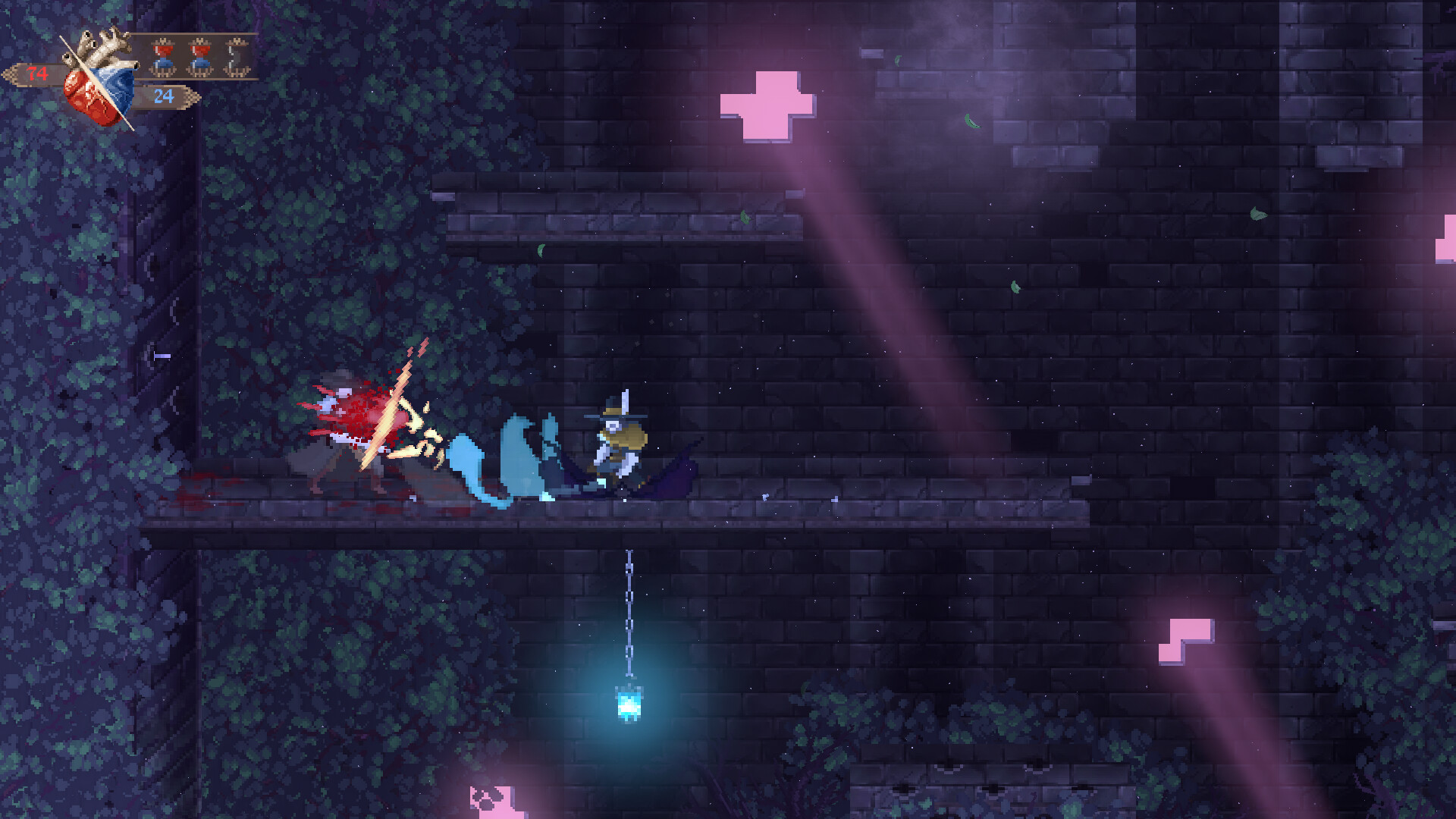
The combat is fast-paced in the sense that you have a deep toolkit — dodge, parry, chain attacks, melee weapons, firearms, and magic — but the developer's stated goal is that difficulty never comes from inflated health or unfair encounters. You succeed because you learn and make better decisions over time. Inspiration comes from games like Blasphemous and Hollow Knight, which reward observation over mashing.
The practical loop: approach an unknown enemy, watch its attack pattern, identify its weakness, equip the right tool or Charm, and punish the opening. Every enemy is designed around strengths and weaknesses, so the same loadout rarely solos two different fights.
Weapons, Firearms, and Magic
The opening region hands you multiple melee weapons, the Witch Hunter Musket for range, and your first spell, Push. Melee is your bread and butter; the musket punishes enemies at distance; Push is a control tool that creates openings, manipulates enemy positioning, and turns the environment against your foes. Magic is not raw power — it is leverage.
The Charm Build System
This is where the real depth lives. Over 40 unique Charms are hidden throughout the demo. Charms are passive bonuses you slot to shape your build, and they interact with both exploration and combat — some affect how you move through the world, some change how you fight. Mix different Charms, combine them with multiple weapons, and adapt your build to face each danger. The developer deliberately built Charms and weapons so every system reinforces another: weapons encourage different playstyles, enemy behaviors reward learning, and Charms bind them together.
The Procedural World
Rather than one long linear corridor, the game combines handcrafted environments with procedural room generation. Each room is carefully built by hand, but the order in which some rooms appear changes between playthroughs. The result is exploration that feels intentional yet unpredictable, with genuine replay value. Multiple paths through the world let different players find different areas, enemies, and lore. The future full release will add even more routes.
The Narrative Spine
The Grim Heart is an artifact said to hold the power to reshape fate. The world consumed by decay, and the story asks whether Hemwick can save it or merely decide how it ends. The demo's first major objective is to find Oswald, the Cursed, a relentless figure who stands in the way of the truth. The world's lore lives in the world itself — abandoned settlements and cursed wilderness hide fragments of a collapsing history.
Accessibility
The game ships real accessibility options: camera comfort, color alternatives, custom volume controls, and the ability to play without timed input. A keyboard-only option exists, and controller support is planned. For a soulslike-adjacent genre, this is a notable stand-out — it lets players tune the challenge beyond difficulty settings.
Progression Strategy
The Heal-and-Learn Loop
The demo offers no sprawling skill tree — your progression is your toolkit and your knowledge. Each new weapon, Charm, or spell you find expands your options, and each enemy you learn permanently reduces the cost of fighting it. Progression is not vertical stats; it is horizontal options plus accumulated pattern knowledge.
What to Acquire First
- The Witch Hunter Musket — ranged pressure changes how you approach hostile rooms and lets you chip dangerous enemies before they close.
- Every Charm you can reach — Charms are the multiplicative part of your power. Two synergistic Charms can trivialize a fight that one weapon alone struggles with.
- Every hidden path — the handcrafted world rewards thoroughness with shortcuts and advantages that change your options.
Build Combo Thinking
Look for Charms that multiply what your current weapon does. A melee-focused Charm set pairs with a fast weapon; a Charm that extends your range pairs with the musket. Because rooms reorder procedurally, a build tuned for one zone may underperform in the next — keep a flexible pivot set ready.
Builds and Loadout Priorities
The Three Loadout Archetypes
| Archetype | Focus | Best When |
|---|---|---|
| The Witch Hunter | Musket range + Push to keep distance | Open rooms, enemies that kite you |
| The Brawler | Fast melee + chain attacks + stagger Charm | Enemies with punishable recovery frames |
| The Control Mage | Push-heavy, environment manipulation | Corridors, cliffs, and hazard-heavy arenas |
You are not locked to one archetype. The loadout quick-swap exists because the game expects you to tune per encounter, not per playthrough. A strong habit is to keep one melee and one ranged setup banked and pivot mid-zone.
Charm Priority Suggestions
| Priority | Charm Type | Why |
|---|---|---|
| 1 | Stagger / stagger extension | Opens bigger punish windows on recoveries |
| 2 | Stamina or dodge economy | Keeps you evading through chains |
| 3 | Range extension | Makes the musket and Push reach further |
| 4 | Damage on Punish | Rewards the study-first playstyle you should already be using |
These are generalizations by design type, not specific named Charms — with over 40 hidden in the demo, part of the fun is discovering which combinations break your preferred fights wide open.
Step-by-Step Strategy
Sequence 1 — The Study-First Engagement
- On first contact with any new enemy, do not attack.
- Spend the encounter purely observing: note the telegraph, the range, the recovery.
- Identify the weakness the enemy is designed around — every one has one.
- Swap to the weapon or Charm that exploits it.
- Engage and punish the recovery window until the pattern is beaten.
Sequence 2 — Mastering Push Control
- Use Push to interrupt an enemy mid-windup, before its attack lands.
- Push enemies into walls or hazards to add damage and stun.
- Use Push to separate a dangerous enemy from a pack, fighting one at a time.
- Chain Push with a melee swing into a wall for a double punish.
- Save Push for enemies that punish aggression; it converts their strength into your opening.
Sequence 3 — Clearing a Hostile Room with the Musket
- Enter and immediately assess sightlines, not glory.
- Pick off the most dangerous enemy from range before it closes.
- Kite the rest into a choke, using Push to hold them away.
- When your shots are spent, let melee finish the stragglers.
- Only commit to the room's loot after the threat is fully neutralized.
Sequence 4 — Surviving a Boss Like Oswald
- Spend the first ten seconds scouting, not attacking.
- Catalog the boss's attack set: which telegraphs are safe, which are punishable.
- Punish only the clearly punishable recoveries — never trade with the boss's strongest move.
- Rotate loadouts between phases or when the boss shifts behavior.
- Keep an escape route and use Push to reset distance when you misread. The fight is a test of everything, so stay patient.
Sequence 5 — Completing the Demo's Core Objective (Find Oswald)
- Clear the opening region while collecting weapons, the musket, and a starter Charm set.
- Follow the breadcrumb objectives; the region's first major goal is finding Oswald, the Cursed.
- Take the hidden paths you have spotted — they lead to Charms and shortcuts.
- Stock your best build and enter the boss arena prepared, not nervous.
- Win the fight and use what it teaches you before moving toward what lies beyond.
Advanced Tips
- The first ten seconds are scouting. Every boss and many enemies have readable windups. Watch the windup animation, not the attack, and you will see the punish window before it arrives. This single habit carries through the entire game.
- Every mistake can be punished, so never be greedy. The game is explicit about this. Land your hits during recovery, then reset. The health bar dies one recovery window at a time.
- Charms are multipliers, not additives. Look for two Charms that feed the same playstyle rather than one strong Charm doing all the work. Synergy is how solo developers sneak depth into a tight scope.
- Procedural order means flexible builds. Because room order changes, do not over-tune for one zone. Keep a pivot set of Charms and a backup weapon ready for whatever the run throws at you.
- Push is a control tool, not a nuke. Its real value is creating openings and using terrain. A Push that shoves an enemy into a hazard does more than one that just deals damage.
- Exploration is progression. Every hidden path you take is a Charm or shortcut you bank. The handcrafted rooms reward thoroughness more than the procedural order punishes repeatability.
- The developer leads by subtraction. Features that complicated the core were cut — originally Hemwick could swing on ropes, and it was scrapped. Trust that what remains is intentional, and learn it deeply rather than hoarding tools you never use.
FAQ / Common Mistakes
What is Grim Heart: Bleak Laments? A handcrafted 2D pixel-art action RPG where you play Hemwick, an ex-witch hunter chasing the truth behind the Grim Heart, an artifact said to reshape fate, in a world consumed by decay.
When does it release? The full release date is to be announced. A free demo launched on Steam and itch.io on August 17, 2026.
What is in the demo? The opening region, multiple melee weapons, the Witch Hunter Musket, the Push spell, over 40 Charms, hidden paths, and a full boss fight against Oswald, the Cursed.
How much does it cost? To be announced.
What platforms is it on? Windows. No console or Mac versions announced.
What are the system requirements? Minimum: Windows 10, 12th Gen Intel Core i5-12500H, 4 GB RAM, GeForce RTX 2060 4 GB VRAM, DirectX 11, 4 GB storage. Recommended: Windows 10, 8 GB RAM, RTX 3050 4 GB, SSD preferred. Supports Vulkan, OpenGL, DirectX 11 and 12.
Is the game difficult? It is fast-paced but learning-based. Difficulty comes from studying enemies and adapting your build, not from inflated stats. Accessibility options like camera comfort and no-timed-input soften it.
Does it have controller support? Controller support is planned. A keyboard-only option exists, and the game is playable without timed input.
Who is the developer? Dream Unable, a solo developer building the game on the design principle that you succeed by learning, with inspirations including Blasphemous and Hollow Knight.
Why do rooms look different between playthroughs? The game combines handcrafted rooms with procedural room order, so exploration stays intentional but varies. Multiple paths also let different players find different content.
Final Tips
Treat the first encounter with every new enemy as reconnaissance, not combat. Watch the windup, identify the weakness, set your loadout and Charms, then punish the recovery frames with Push control and your preferred weapon. That study-first discipline is the entire game in miniature, and it is what carries you through the escalation toward the Grim Heart and past the likes of Oswald. The demo is free and genuinely substantial, the world is beautifully grim, and if you like combat you have to learn, this one is worth wishlisting now.
Last reviewed by Game How To Editorial. We play each game, verify controls against official sources, and update guides when game mechanics change.
Screenshots