Official game
Play Forge of the Fae
This game is hosted by Steam. Continue to the official page to play or download it.
Wishlist on SteamOverview
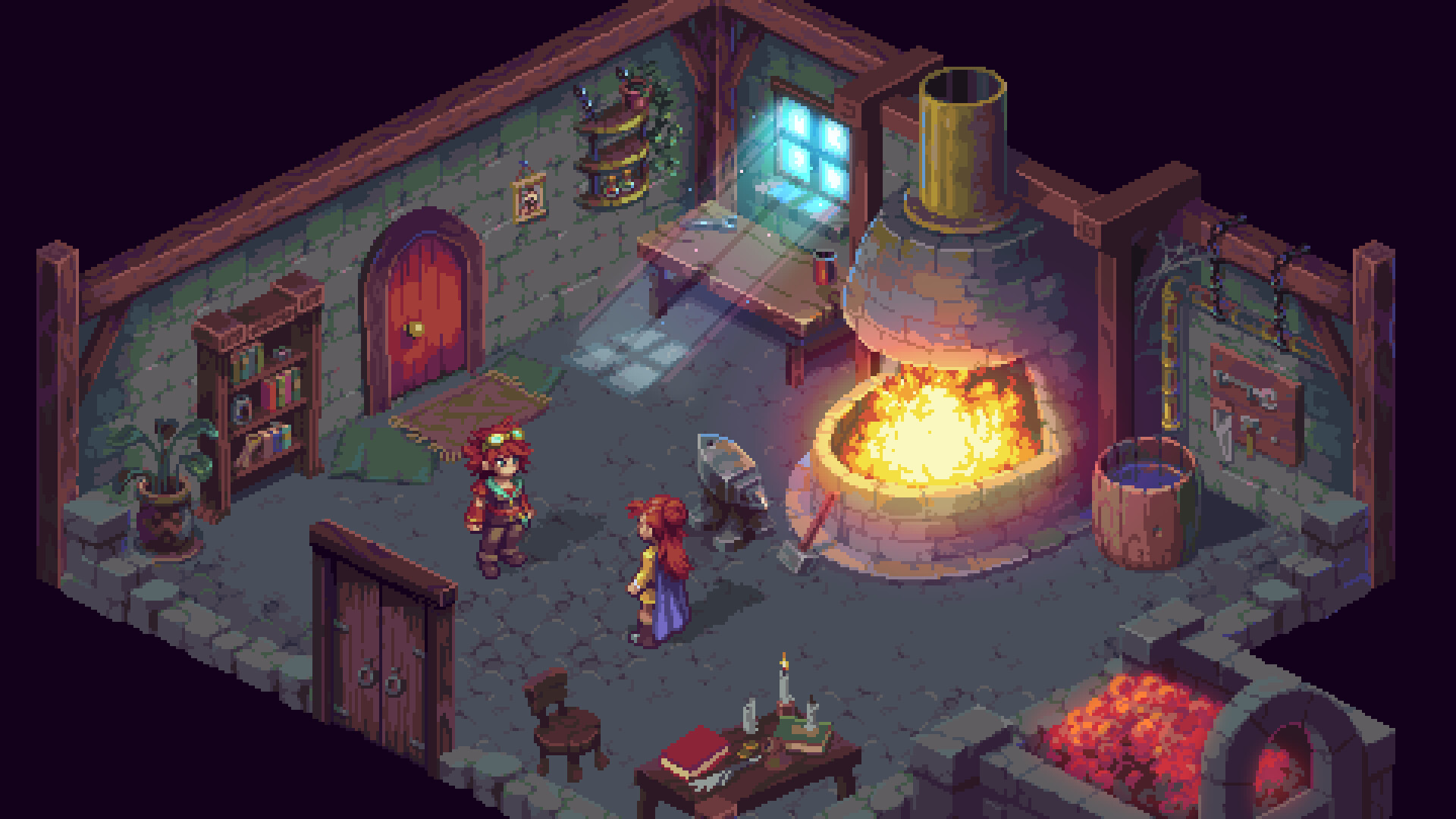
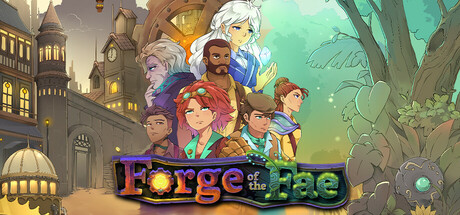
Forge of the Fae is a story-rich pixel RPG set in a world pulled from Celtic folklore. You play Fiora, a brilliant young inventor, who sets out to find the truth behind a string of disappearances. A miners' strike has spiraled into violence. The Mining Company hired mercenaries to crush the unrest. In the chaos, people are vanishing one by one. Fiora refuses to look away.
The game is developed by Datadyne LLC and published by Deck13. It blends old-school JRPG combat with a modern, fast-paced turn-based system. The hook is the ARC Crystal System, a magic alignment mechanic that lets you build a personalized battle style. Your Mechanical Faerie companion upgrades alongside you, unlocking paths and revealing secrets. Every decision carries weight and shapes the story.
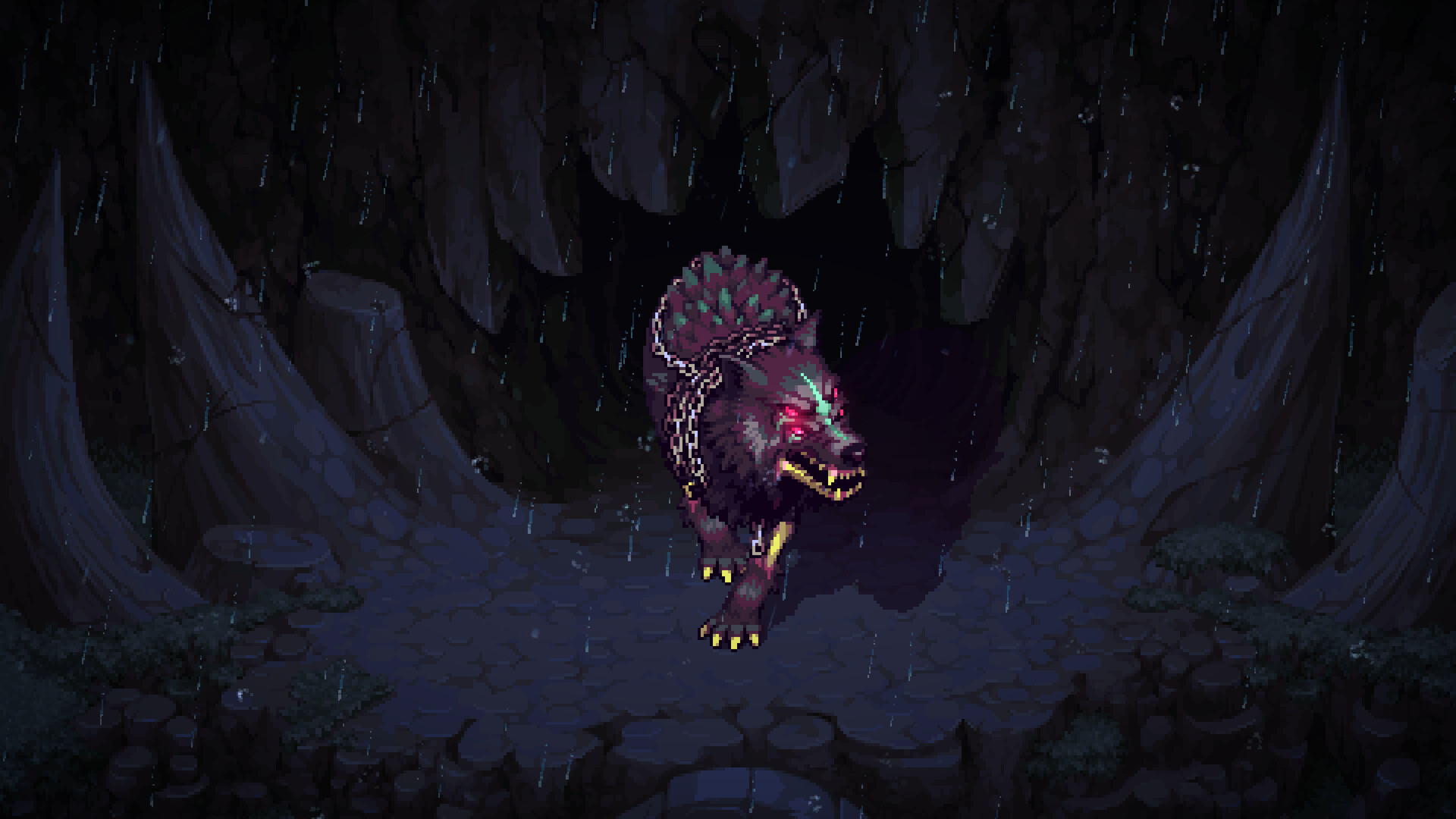
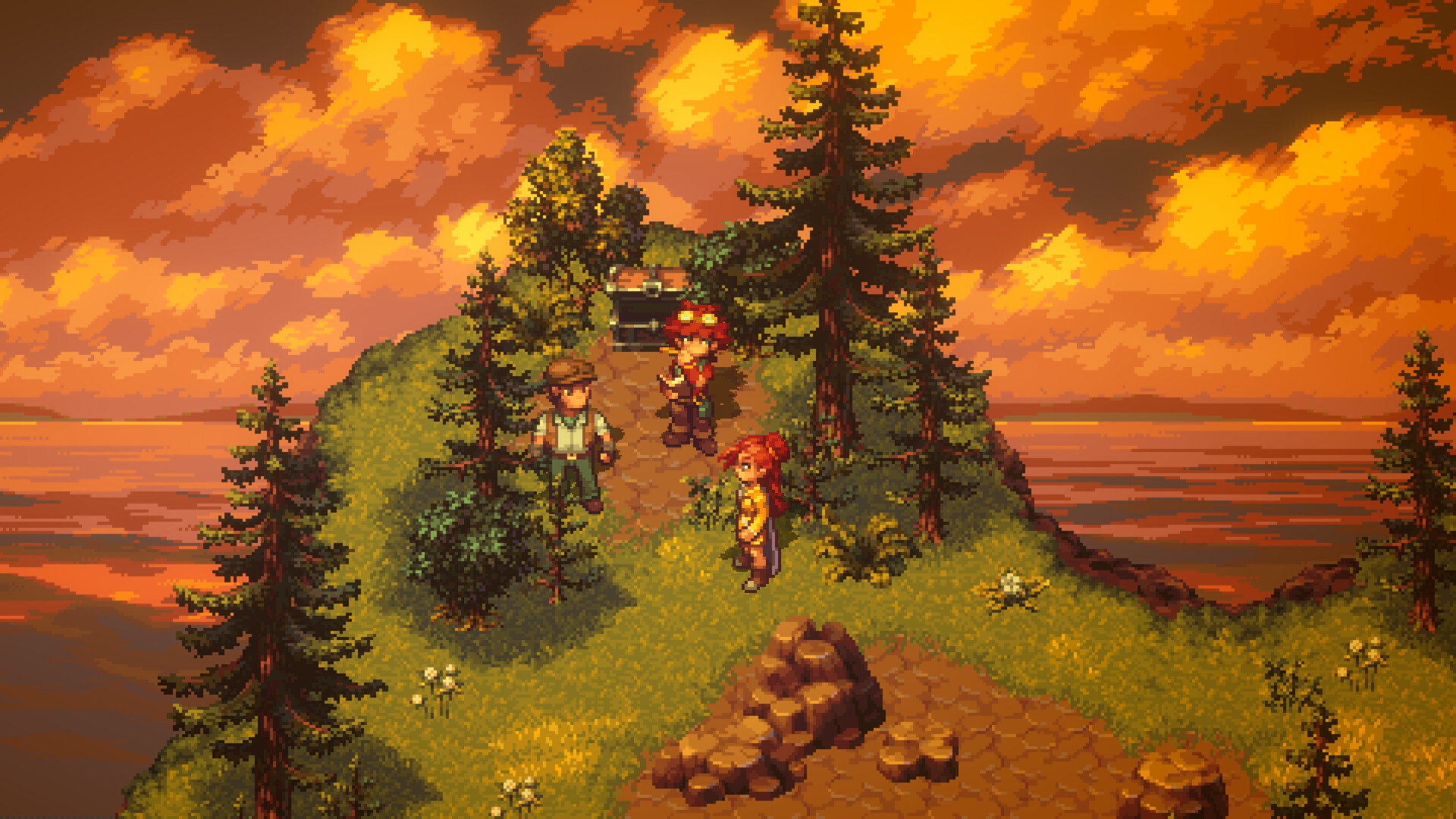
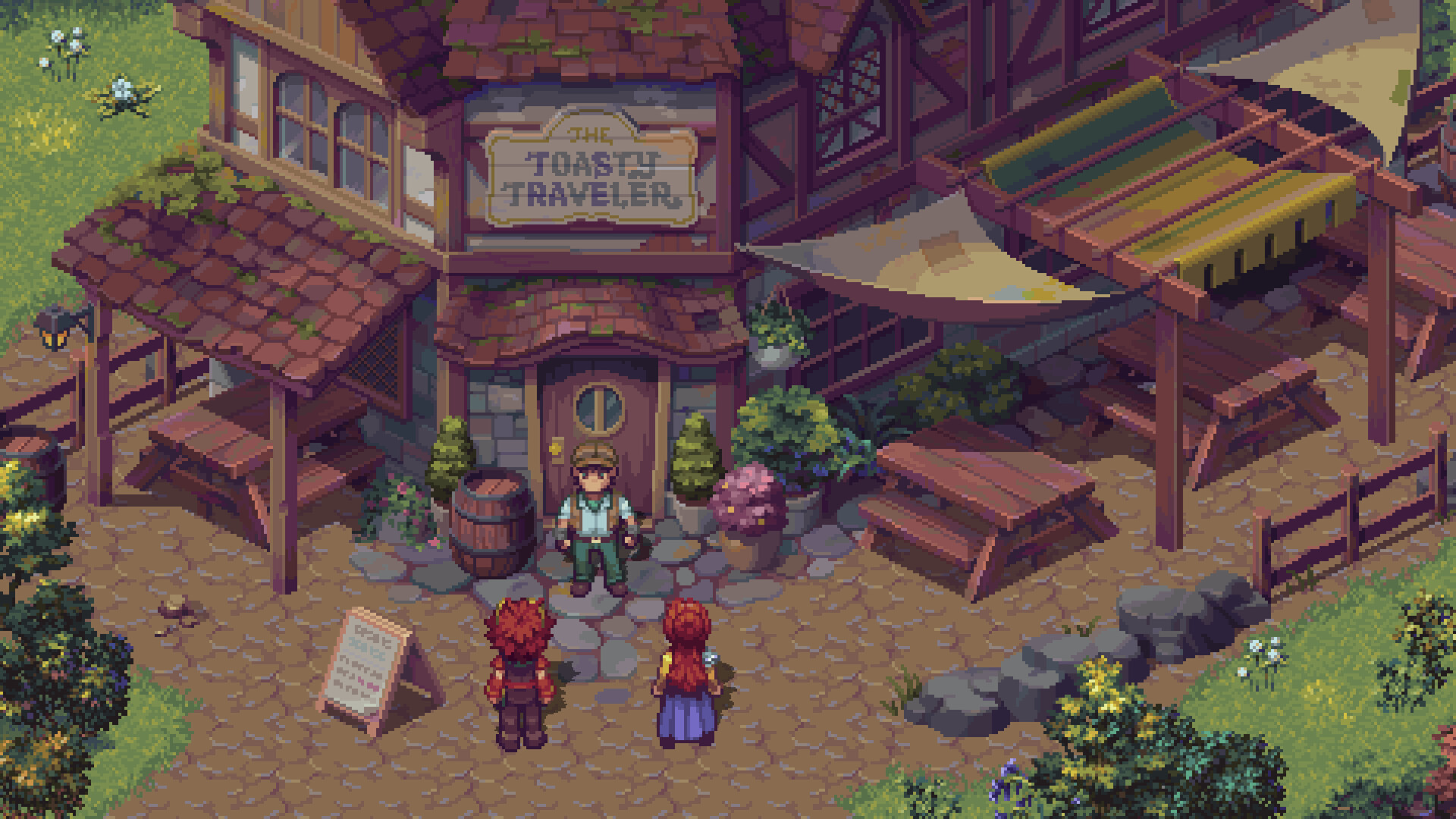
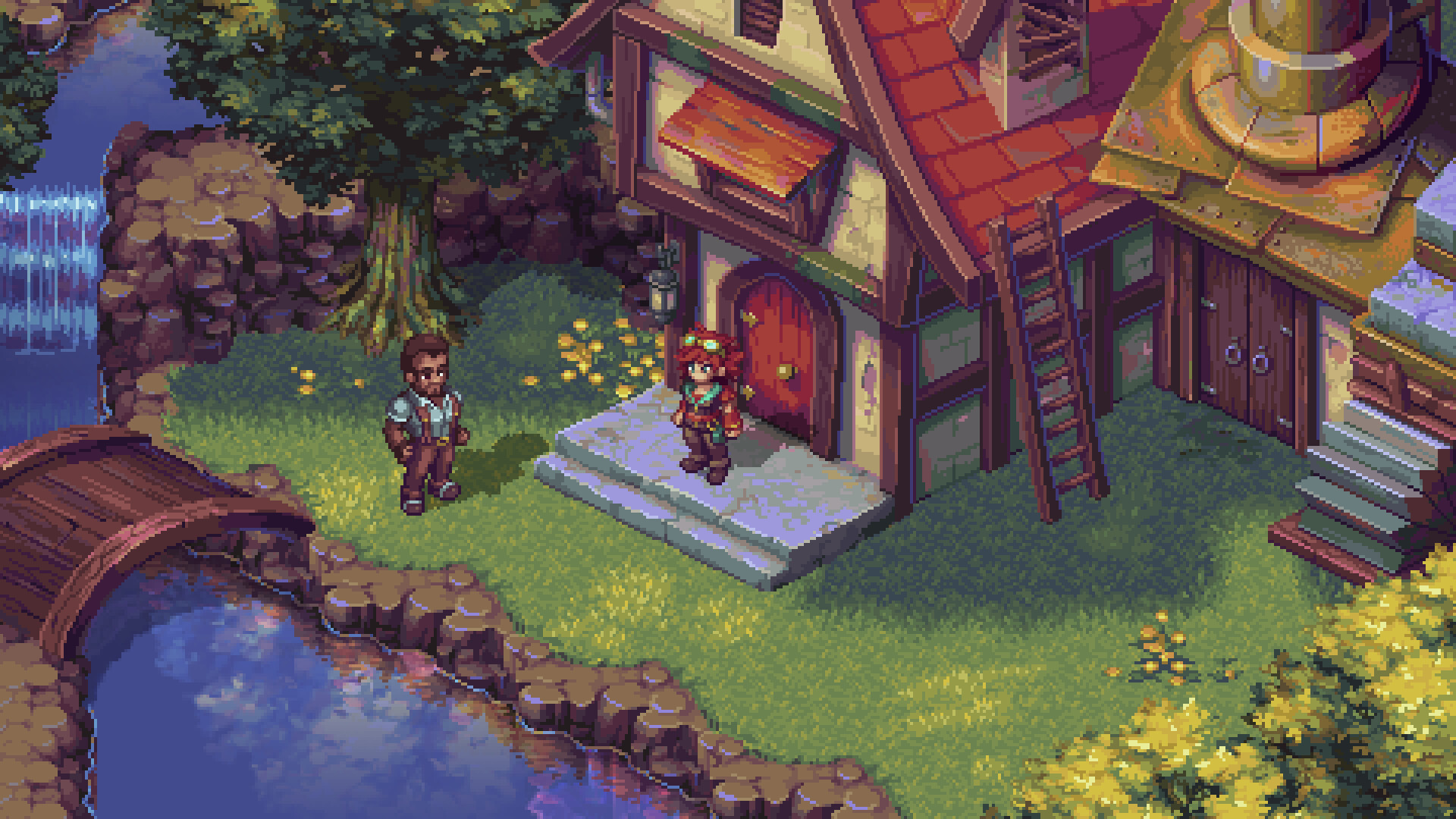
The pixel art leans into a nostalgic 16-bit look, but the systems underneath are contemporary. Battles are quick and approachable, then grow into layered tactical puzzles against tougher foes and bosses. If you liked the choice-driven storytelling of Chrono Trigger or the elemental puzzle combat of Octopath Traveler, this sits in that lane.
Game Details Table
| Field | Detail |
|---|---|
| Genre | Indie RPG (turn-based, story-driven) |
| Developer | Datadyne LLC |
| Publisher | Deck13 |
| Platform | Windows, macOS, Linux |
| Price | To be announced |
| Players | Single-player |
| Release | To be announced |
| Controller | Full controller support |
| Combat | Turn-based with combo abilities |
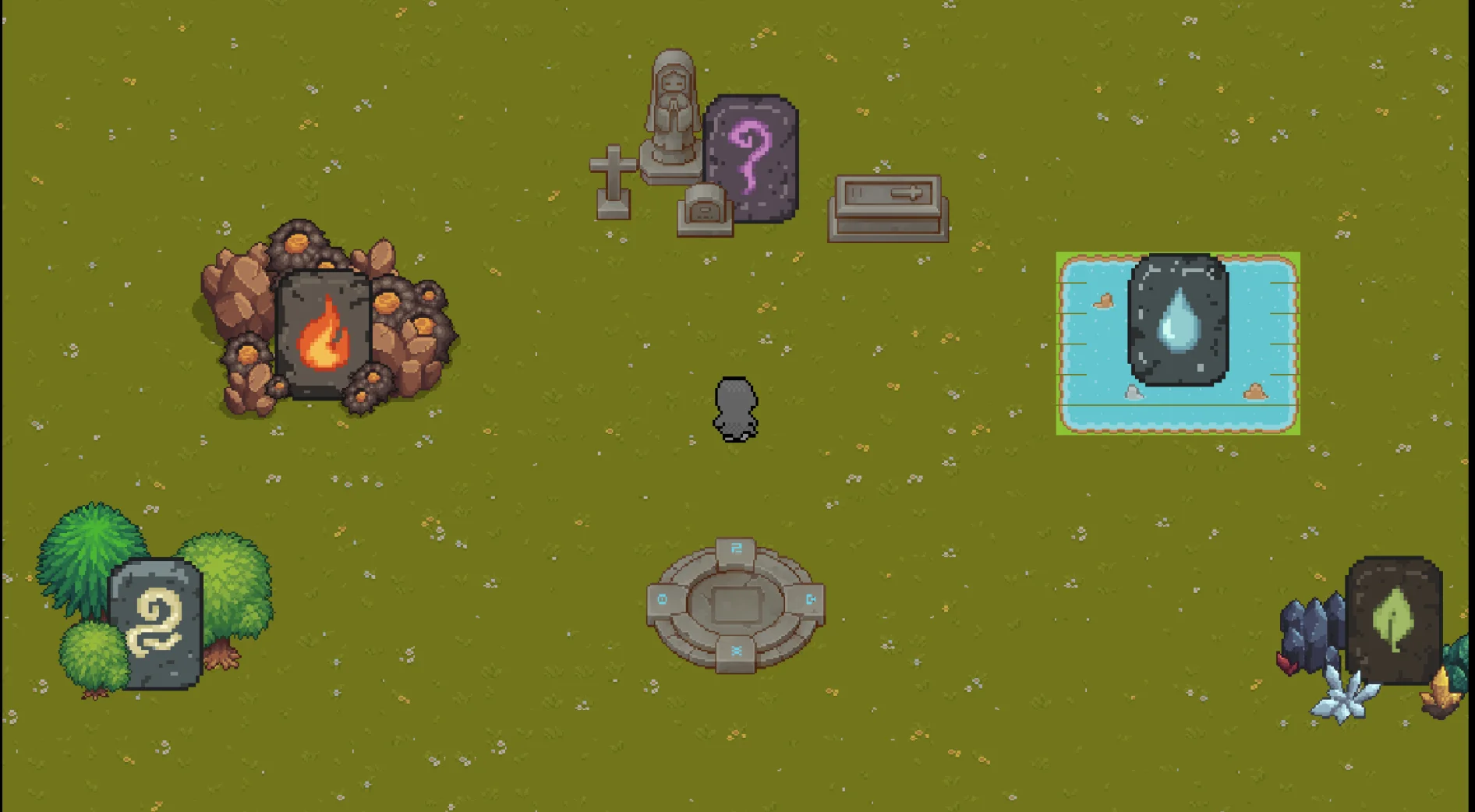
| Magic | Fire, wind, water, earth, nature, arcane |
| Storage | 3 GB available space |
| Minimum GPU | GTX 700 series or AMD equivalent |
| Minimum CPU | Any quad-core or more recent processor |
Target Audience
This one lands for players who care about story consequences and combat that rewards system knowledge. If you enjoyed the elemental weaknesses and break mechanics of Octopath Traveler, the character-driven choices of Undertale, or the party synergy of older Final Fantasy entries, Forge of the Fae is aimed at you. The pixel presentation and Celtic folklore setting give it a distinct flavor you won't find in most JRPG-likes.
Skip it if you want action combat or real-time battles. The turn-based flow is deliberate, and the difficulty ramps through mechanical depth rather than reflex speed. Players who hate reading dialogue will miss half the game, since the disappearance mystery and faction tension are the engine that drives exploration.
Getting Started — First 30 Minutes
Understand the Setup Before You Move
The opening frames establish three things fast: the miners' strike, the mercenary presence, and the vanishings. Pay attention to the faction names and the Mining Company's role. These threads feed into decisions later, and the game tracks your choices.
Meet Your Mechanical Faerie
Fiora's Mechanical Faerie is more than a sidekick. It's an upgrade path. Early on, invest in the Faerie when you can, because its upgrades unlock paths and reveal secrets in the world. Treat it as a second character, not a pet.
Learn the ARC Crystal System Basics
The ARC Crystal System is the combat core. It aligns skills and magic into a personal battle style. Early battles are your lab. Try pairing a skill with a spell to see combo effects. Combos are the difference between scraping through fights and dominating them.
Exploit Enemy Weaknesses Immediately
Combat uses six elements: fire, wind, water, earth, nature, and arcane. Every enemy has a weakness. Test with basic spells early. Exploiting weaknesses ends fights faster and teaches you the pattern you'll need against bosses.
Watch for Adrenaline Surges
Adrenaline Surges are special abilities that don't consume turns. They trigger under conditions you'll learn as you fight. When one is available, use it before it expires. Free actions are free damage, and they stack with your normal turn.
Don't Skip the Miners' Strike Dialogue
The disappearances are tied to the strike. NPCs in the early settlements drop hints about who is vanishing and why. That information turns later choices from guesses into informed calls.
Beginner Mistakes to Avoid
| Mistake | Why It Hurts | Fix |
|---|---|---|
| Ignoring the ARC alignment | You lose the battle style synergy that makes hard fights winnable | Align skills and spells deliberately; test combinations early |
| Never using combo abilities | Combos unlock powerful effects that outpace raw damage | Pair a skill with a spell every turn you can |
| Hoarding Adrenaline Surges | Surges don't consume turns, but they can expire | Use them the moment they trigger |
| Skipping side conversations | Faction context and disappearance clues live in dialogue | Talk to every named NPC in a settlement |
| Neglecting the Mechanical Faerie | Its upgrades unlock paths and reveal secrets | Spend upgrade resources on the Faerie early |
| Treating all enemies the same | Elemental weaknesses decide fight length | Check and exploit the six-element weakness chart |
| Grinding instead of adapting | Battles scale with mechanical mastery, not levels alone | Rework your ARC alignment before over-leveling |
Core Mechanics Deep Dive
The ARC Crystal System
The ARC Crystal System is the game's signature mechanic. It lets you align skills and magic to construct a personal battle style. The system is built to reward experimentation: every skill, spell, and passive connects to others. When you align them well, you unlock effects that a flat damage rotation can't match.
Practical approach: pick a primary element early and build around it. If you lean fire, pair fire skills with spells that amplify burn or spread it. The alignment screen shows how each pairing behaves, so you can rework between fights without wasting resources.
Combo Abilities
Pairing a skill with a spell unlocks combo abilities. These are the game's big damage moments. The combo system rewards knowing your kit: certain skills and spells have natural pairings, and the game nudges you toward them with UI hints.
Combo strategy goes beyond damage. Some combos apply status effects, others reposition enemies, and a few restore resources. Read what each combo does instead of defaulting to the highest number.
Adrenaline Surges
Adrenaline Surges are abilities that trigger without consuming your turn. They add a second layer of strategy on top of the standard turn economy. Because they don't cost a turn, they're effectively free value, but they can expire if you sit on them.
Use surges to finish off weakened enemies, to apply a defensive buff before a boss's big attack, or to set up a combo on your next turn. The timing matters more than the raw power.
Turn-Based Combat Flow
Fights are fast-paced but strategic. The flow is: read the enemy, exploit weakness, build ARC synergy, trigger combos, manage surges. Bosses layer on patterns that force you to rotate through these steps rather than repeating one rotation.
The difficulty curve is designed so early fights teach one mechanic at a time. By the first boss, you're expected to combine weakness exploitation with combo abilities and surge timing.
Choice-Driven Storytelling
Your actions ripple through the world. Allies react to your decisions. Truths surface based on what you investigated. The game's replayability comes from the branching paths: different choices produce different allies, different reveals, and different endings.
Advanced Strategies
The Elemental Rotation Method
Instead of committing to one element, rotate through the six (fire, wind, water, earth, nature, arcane) based on the enemy roster. When a fight has mixed enemy types, open with a spread of basic spells to identify weaknesses, then collapse on the element that hits the most enemies. This keeps damage high while preserving the resources you'd spend on guessing.
The Surge-Charged Combo Window
Save your Adrenaline Surge for the turn after you land a combo. The combo opens the enemy up, and the surge follows as a free finisher. This two-step window turns a good turn into a fight-ending one, especially against bosses with high HP pools.
The Faerie-First Progression
Prioritize Mechanical Faerie upgrades ahead of raw stat boosts. The Faerie's path-unlocking and secret-revealing abilities create opportunities the stat points can't. You'll find more treasure, more shortcuts, and more story beats by investing early, which compounds into a stronger overall run.
The Defensive Alignment
For boss fights, rebuild your ARC alignment toward defense. Swap damage passives for mitigation and healing. Bosses punish greedy rotations, and a defensive alignment lets you survive long enough to learn the pattern. Once you know the pattern, switch back to offense.
The Dialogue Intel Loop
Before every major choice, exhaust NPC dialogue in the current settlement. The game hides faction context in conversations. Informed choices lead to better allies and fewer locked paths. Treat dialogue as a resource-gathering activity, not a flavor diversion.
Tips and Tricks
- Test a new ARC alignment in a low-stakes fight before you bring it to a boss. The alignment screen is free to rework between battles.
- Read enemy element tags at the top of the turn order. One weakness hit beats three neutral hits on the same turn.
- Use Adrenaline Surges the turn they trigger. They don't consume your turn, but they do expire.
- Upgrade the Mechanical Faerie whenever you have resources. Its path unlocks pay back faster than raw stats.
- Talk to every named NPC before leaving a settlement. Disappearance clues live in dialogue.
- Pair a skill with a spell every turn you can. Combos are the fastest route to high damage.
FAQ
When does Forge of the Fae release?
The Steam page lists a release date as to be announced. The game is in active development by Datadyne LLC with Deck13 publishing. Wishlist on Steam for the launch notification.
What platforms will Forge of the Fae support?
Windows, macOS, and Linux. The Steam page confirms all three, which is rare for a pixel RPG and worth noting for Linux players.
Does Forge of the Fae have controller support?
Yes. The Steam page lists full controller support. The game is playable with mouse and keyboard, but controller is fully supported for exploration and combat.
Is Forge of the Fae single-player only?
Yes, it's a single-player experience. There's no multiplayer component planned per the Steam page.
What is the ARC Crystal System?
It's the combat customization system that aligns skills and magic into a personal battle style. Pairing skills with spells creates combo abilities, and the alignment determines how your kit behaves in battle.
How many elements are in combat?
Six: fire, wind, water, earth, nature, and arcane. Each enemy has weaknesses you can exploit, and the element chart is central to building effective rotations.
What are Adrenaline Surges?
Special abilities that trigger without consuming your turn. They add a strategic layer on top of the standard turn economy and can expire if unused.
Is there a demo?
No official demo has been announced. The publisher released an extended gameplay trailer showing combat and exploration, available on the Deck13 and Indie Games Hub channels.
What are the minimum system requirements?
A 64-bit processor and OS, Windows 7 or later, any quad-core processor, a GTX 700 series GPU or AMD equivalent, and 3 GB of storage. Recommended specs are lighter than most modern RPGs.
Who is the developer?
Datadyne LLC developed the game, with Deck13 handling publishing. The developer's official site is forgeofthefae.com.
Does my choice really change the story?
Yes. The game is built around choice-driven storytelling. Decisions influence allies, reveal truths, and guide the fate of the story, with branching paths designed for replay.
Final Tip / Verdict
The single best habit to build early: check the ARC alignment screen before every major fight and rework it for the enemy roster. Most players who struggle hit a wall because they treat combat as a flat damage race instead of a synergy puzzle. The game hands you combo abilities, surges, and six elements, and it expects you to use them together.
Forge of the Fae is a strong pick for turn-based RPG fans who want story consequence and mechanical depth in a pixel package. The Celtic folklore setting and the Mechanical Faerie companion give it an identity most indie RPGs lack. If you need action combat or a short story, wait for more details. Everyone else should wishlist it now.
Last reviewed by Game How To Editorial. We play each game, verify controls against official sources, and update guides when game mechanics change.
Screenshots