Official game
Play Every Day We Fight
This game is hosted by Steam. Continue to the official page to play or download it.
Play on SteamWhat Is Every Day We Fight?
Every Day We Fight is a hybrid tactics game from independent studio Signal Space Lab, released October 22, 2026 on Steam for $11.99. An alien invasion has frozen time for everyone except your small band of freedom fighters, and they are stuck in a loop. Each cycle you take three ordinary civilians, turn them into soldiers, and push back against the occupiers of a wartorn city. Die, and the loop restarts, but everything you learned and looted comes with you.
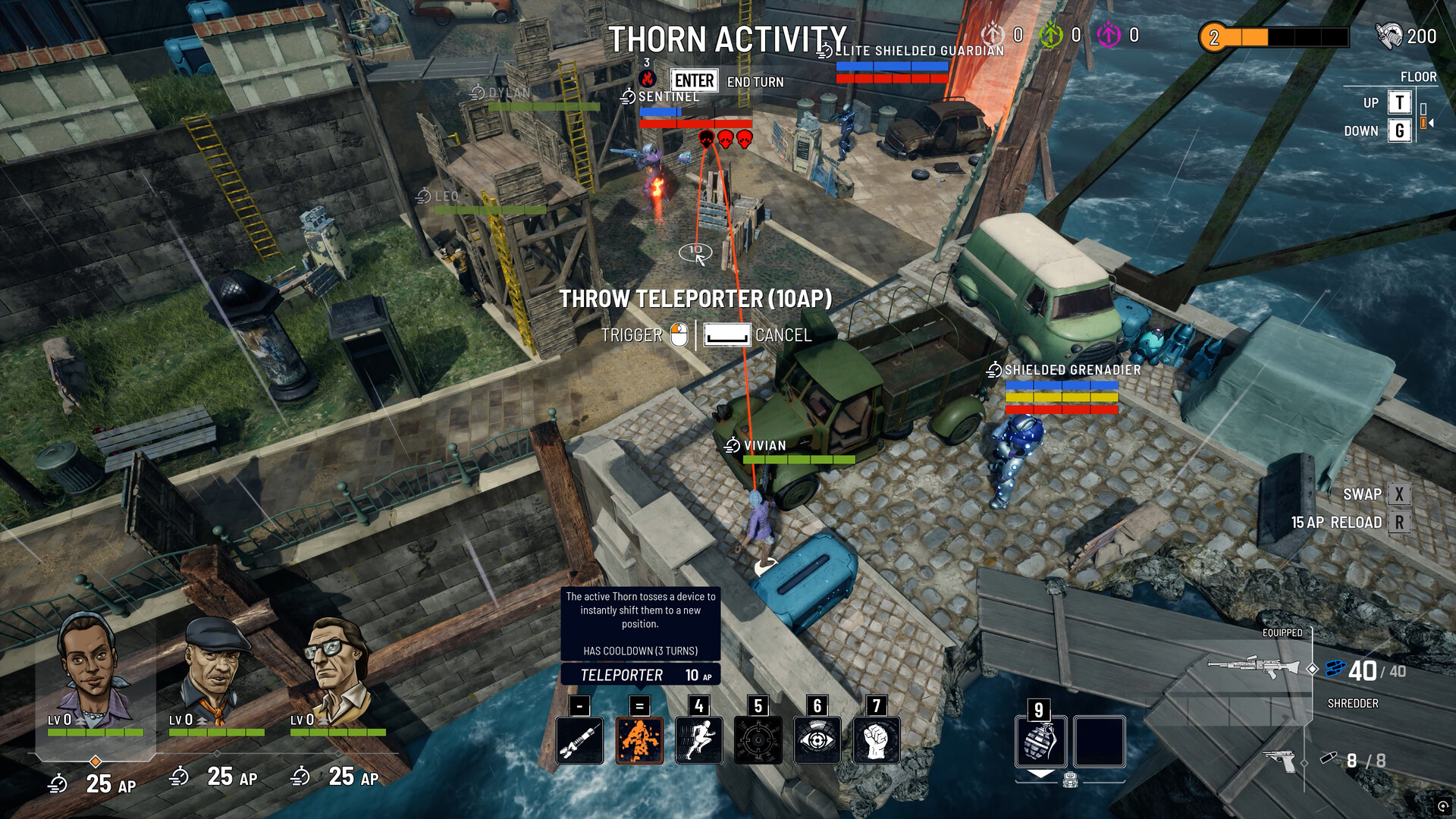
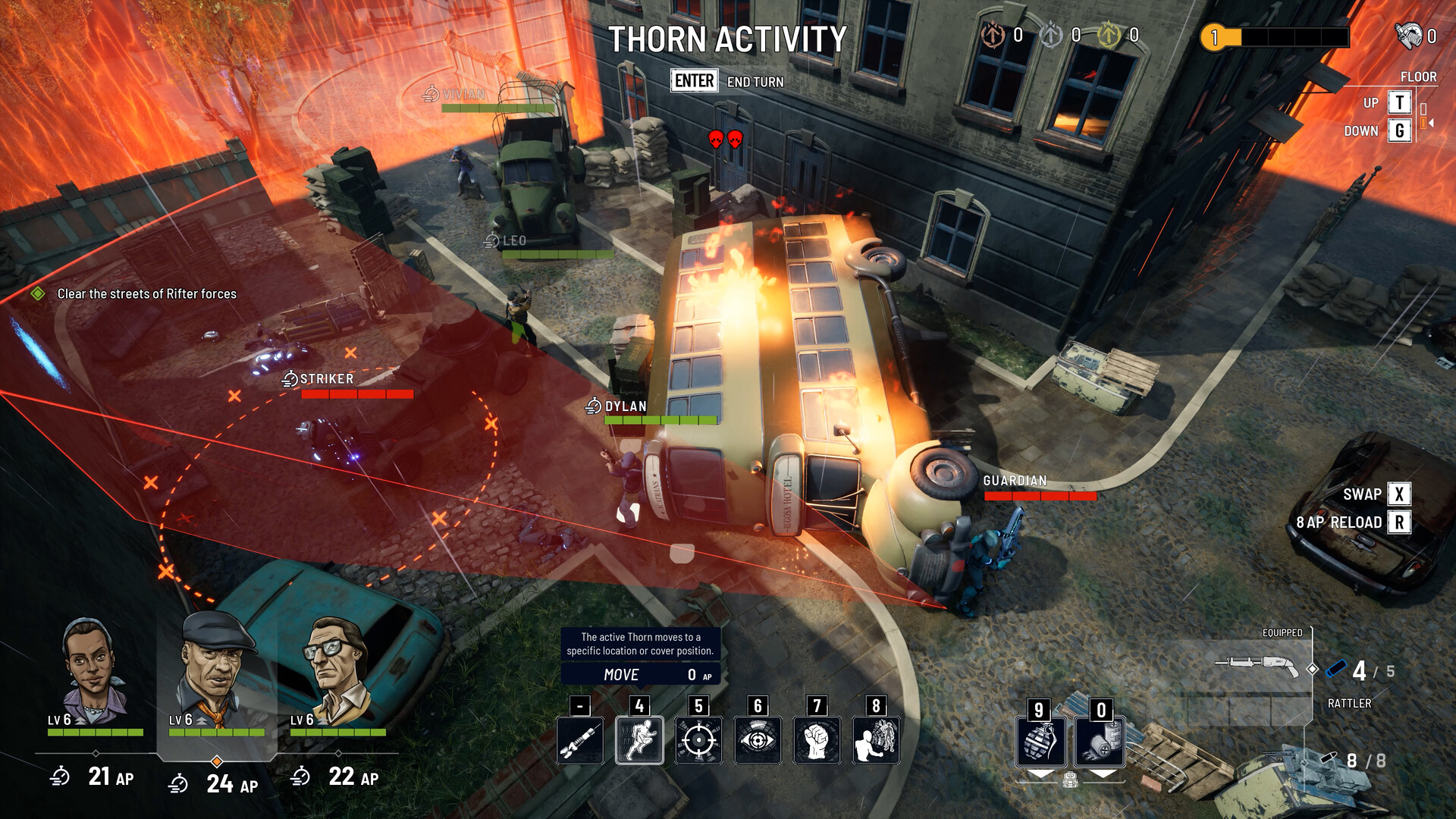
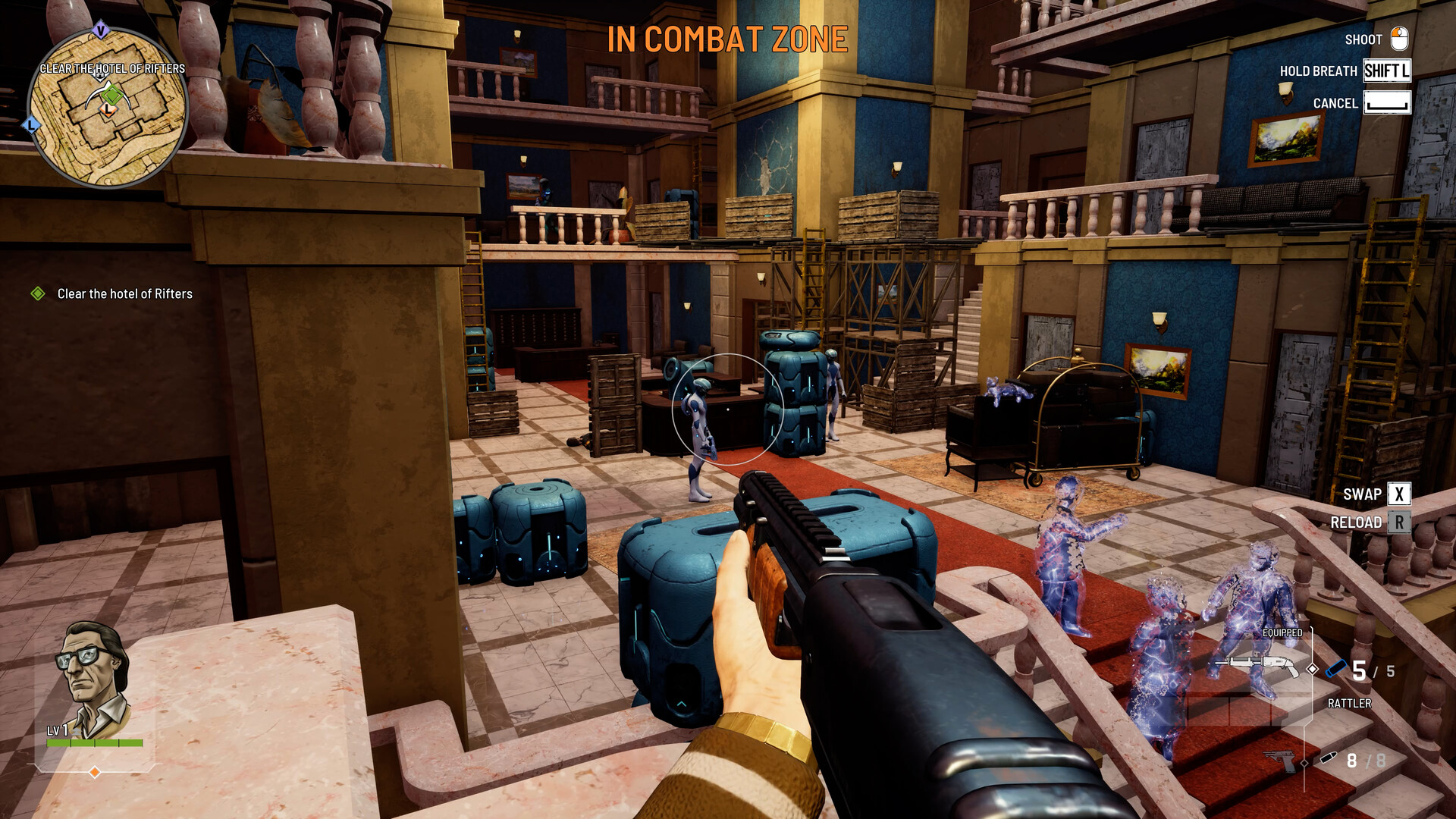
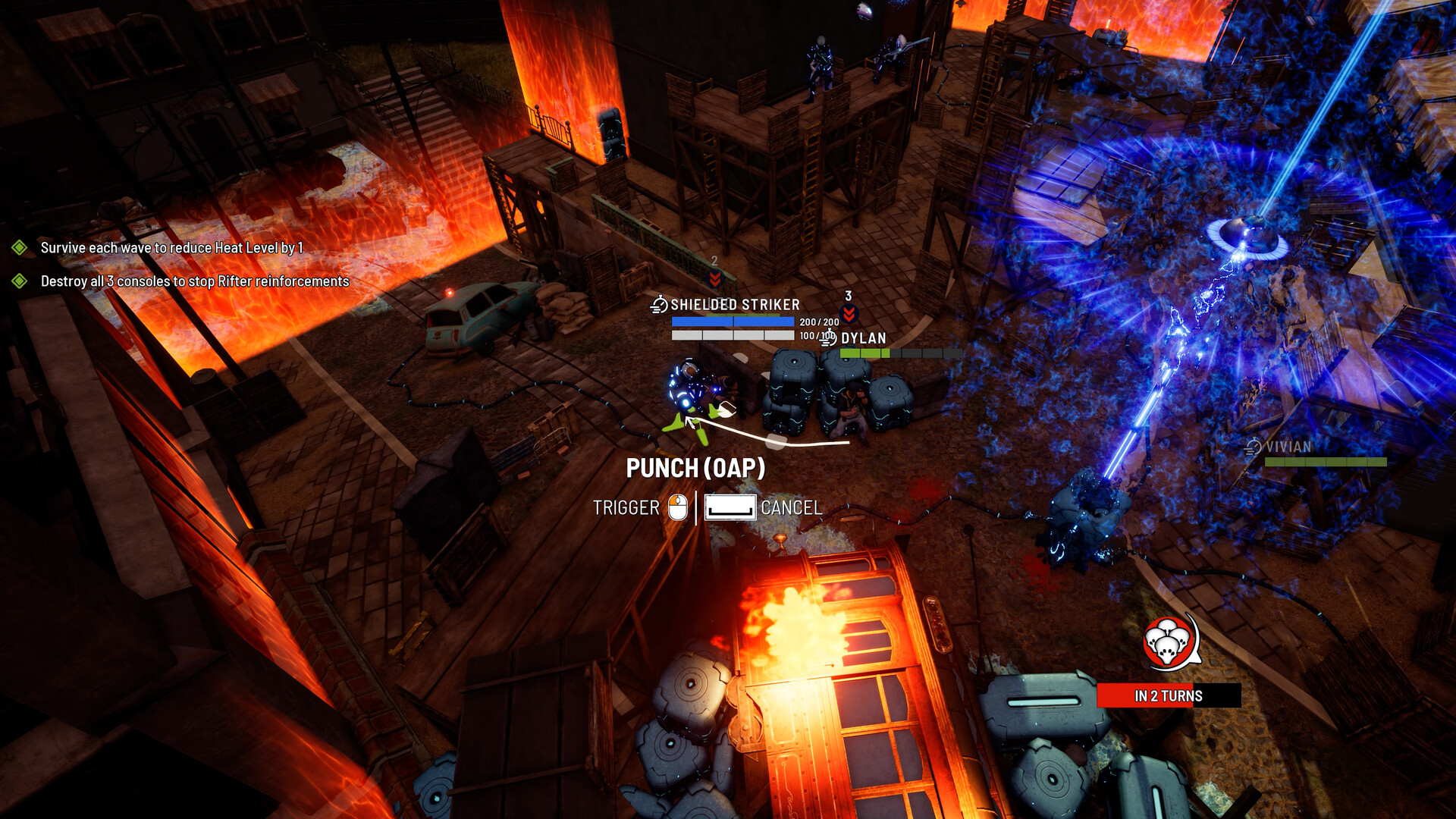
The hook is the combat hybrid. The skeleton is turn-based tactics: you move a squad through districts, take cover, and trade actions with enemies. Inside that skeleton sits real-time shooting. When you fire, you aim down the sights yourself, pick where the target is weakest, and pull the trigger. Hit chances come from your positioning, your aim, and your reaction time, with ballistics modeling firing angles and obstructions. No dice-roll to-hit screens. If you line up the shot, the shot lands.
The other half of the loop is progression. Twelve unique guns, dozens of skills, and over 100 gun attachments and parts (some with legendary perks) all persist between cycles. Anything discovered in one loop is available from the start of the next. The game is structured so every run, even a failed one, makes the next one stronger.
Every Day We Fight Details
| Detail | Info |
|---|---|
| Genre | Turn-based tactics with real-time aiming, timeloop RPG |
| Developer | Signal Space Lab |
| Publisher | Signal Space Lab |
| Platform | Windows 10 64-bit (Steam) |
| Price | $11.99 |
| Players | Single-player |
| Release | October 22, 2026 |
| Steam features | 11 achievements, trading cards, Cloud saves, full controller support |
| Accessibility | Adjustable difficulty, save anytime, adjustable text size, subtitle options, custom volume controls |
| Store ID | Steam app 1546080 |
How to Play Every Day We Fight
Understanding the Loop Economy
The timeloop is not a punishment, it is the progression system. Skills, experience, weapons, attachments, and map knowledge all persist across cycles. This changes how you should value each run:
A failed loop that ends with a new gun discovered is a profitable loop. The store description is explicit that anything found in one loop is available from the start of the next. Aggressive scouting that gets you killed in district four still banks whatever you looted in districts one through three.
Push a little further each cycle. Because knowledge is currency here, your early loops should overreach on exploration. Learn enemy positions, loot spawn behavior, and district layouts even at the cost of the run. By loop five you are not retracing steps, you are executing a plan.
The Turn Layer: Positioning Before Shooting
Ballistics take firing angles and obstructions into account, which means the tactical layer decides most fights before anyone aims. Three rules:
Cover is directional. A wall that blocks fire from the north leaves you exposed from the east. Check attack angles before ending a move, not after taking damage.
Set up crossing fields of fire. The store materials emphasize allies working closely together to assist one another. Two fighters who can both hit the same approach corridor multiply each other, because enemies entering that corridor eat fire from both.
Think in interrupts, not just shots. Your fighters can react to both friend and foe across turns on either side, and reflex actions can intercept enemy movement. Leaving reflexes unspent to punish an enemy advance is often worth more than spending them greedily.
The Real-Time Layer: Aiming and Reflexes
When you pull the trigger, the game hands you the gun. Aim down the sights, find the weakest point on the target, and account for the fact that enemies move while you line up. Reaction time is part of the hit formula, so hesitation costs accuracy.
Reflex actions are the tempo mechanic. Every fighter has access to unique reflexes to intercept enemy movement, assist allied kills, or scramble away from incoming fire. The strategic question the game poses directly: do you hold reflexes for defense when things go wrong, or spend them to keep constant pressure on? The answer shifts fight by fight, but the default against stronger enemy groups is defensive, because a wiped squad loses momentum the loop cannot refund.
Weapons and Attachments
Twelve guns, 100+ attachments and parts, legendary perks in the pool. A few principles for building loadouts:
Match gun to district role. The city's districts throw different engagement ranges at you. Long sightlines reward scoped, slow-firing builds; tight interiors reward high-mobility weapons with fast handling. Carry roles across the squad instead of duplicating one build.
Legendary perks are build-around pieces. Treat a legendary attachment like a keystone: read what it changes, then attach parts that compound the effect rather than dilute it.
Rebuild cheaply between loops. Since gear persists, experiment early. The cost of a bad attachment setup is one loop's discomfort, not a permanent loss.
Character Growth: Civilians to Soldiers
Your trio starts as ragtag civilians and the fantasy is watching them become seasoned soldiers. Skills unlock across dozens of options, and because skills survive the loop, specialization compounds. Give each fighter a lane early (one anchors, one flanks, one scouts) and let their skill picks reinforce the lane. A squad of three generalists is weaker than a squad of three specialists who trust each other's angles.
Tips and Tricks
Adjustable difficulty is not a score penalty. The game ships with adjustable difficulty and save-anytime as accessibility features. If a loop stalls, tune the difficulty instead of grinding ten cycles.
Save before committing to district pushes. Save anytime is in the feature list. Use it at the edge of unexplored territory so a bad fight costs minutes, not a loop.
Aim for weak points even when rushed. The temptation under fire is to spray. A half-second spent placing shots on the weakest zone beats five rounds of body shots, because reaction time is already priced into the model either way.
Text size and subtitles first. Before your first combat, set adjustable text size and subtitle options to taste. Combat chatter carries tactical information and unreadable UI costs fights.
Controller or mouse both work. Full controller support is built in, and aiming works on both. Pick the one you can track moving targets with, because the real-time layer rewards whichever input is second nature.
System Requirements
| Tier | Specs |
|---|---|
| Minimum | Windows 10 64-bit, Intel Core i5-4590 or AMD FX-8350 (quad-core), 8 GB RAM, NVIDIA GeForce GTX 1050 Ti 4 GB or AMD Radeon RX 470 4 GB, DirectX 11, 20 GB storage |
| Recommended | A newer quad-core CPU with a 6 GB or better GPU for stable frame pacing during real-time aiming segments |
The 20 GB storage footprint is on the larger side for an indie tactics game. The GPU floor (GTX 1050 Ti) reflects the real-time shooting layer, which needs steady frames for aiming to feel fair.
FAQ
Is it turn-based or real-time? Both. Turns structure the fight, but every shot is aimed in real time and reflex actions trigger live on both sides. Fans of XCOM-style positioning get the planning layer; shooter players get the aim.
What happens when I die? The loop restarts. Experience, skills, weapons, attachments, and map discoveries all carry over. Nothing permanent is lost except your position in the cycle.
How long is a loop? Loops scale with how deep you push into the city's districts. Early cycles are short scouting runs; late cycles are multi-district operations.
Is it hard? It has adjustable difficulty, and the loop structure means setbacks always convert into progression. The real-time aiming has a learning curve of a few fights.
Does it have controller support? Yes, full controller support with the squad and aiming controls mapped. Steam achievements (11) and trading cards are also live.
Quick Reference Card
| Situation | Move |
|---|---|
| Facing a stronger group | Hold reflexes for defense, fight from crossing cover |
| Clearing a new district | Save at the entrance, scout aggressively, bank all loot |
| Choosing attachments | Build around legendary perks, match range to district |
| Squad building | Three specialists in defined lanes beat three generalists |
| Missing shots | Slow down: weak-point placement beats spraying, always |
| Stuck in a difficulty wall | Tune adjustable difficulty; the loop keeps paying either way |
Screenshots