Official game
Play Echoes of Aromia
This game is hosted by Steam. Continue to the official page to play or download it.
Play the Demo on SteamOverview: What Kind of Game Is Echoes of Aromia?
Echoes of Aromia is a story-driven pixel art RPG from Studio Targa, a solo-led indie team working with volunteer artists and playtesters. You explore a medieval fantasy world that is twenty years past a world war called the Clockwork Revolution, and the factories are coming. Cities rebuild on the ashes of the Clockwork Army's defeat, corruption spreads through the rebuilding districts, and ancient myths sit unopened beneath it all.
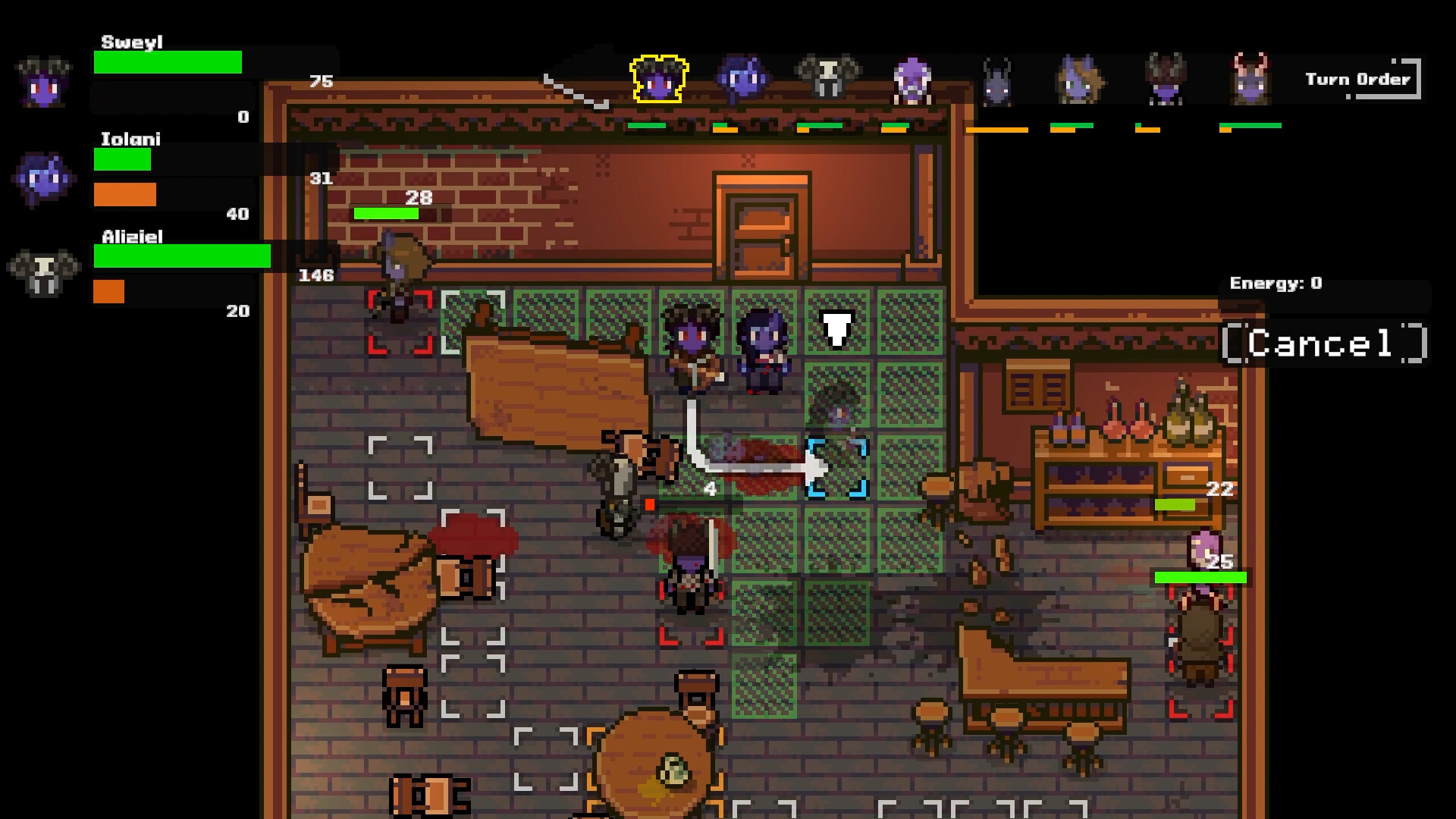
The pitch that matters: combat happens on the map you walk. There is no separate battle screen. When a fight starts, the overworld itself becomes the grid, and every tile of terrain you were standing on suddenly has tactical value. If you have ever wanted a CRPG where positioning means "the entire world," this is that game.
The project has an unusual origin. The story began as a novel, grew into a Dungeons & Dragons campaign that ran for years with over 50 different players, and then was reshaped into this RPG. That lineage shows in the writing: dialogue branches heavily, quests resolve in multiple ways, and the world reacts like a DM who has had a decade to prepare.
| Field | Detail |
|---|---|
| Genre | Story-driven pixel art RPG, tactical turn-based combat |
| Developer / Publisher | Studio Targa (solo dev + volunteers) |
| Platform | Windows, Linux (Steam) |
| Price | TBA (demo free) |
| Players | Single-player |
| Release | To be announced (demo live now) |
| Perspective | Top-down 2D pixel art |
| Controller | Full controller support, keyboard-only option |
| Languages | English, Portuguese (Portugal), Spanish (Latin America) |
| Combat | Turn-based, grid-based, overworld as battle map |
| Steam | store.steampowered.com/app/4734180 |
Community first impressions back the comparison to heavyweights. The top discussion thread on the Steam hub is titled "If FFVI and BG3 had a baby," and the demo has pulled in thousands of trailer views on YouTube with players streaming full playthroughs.
The World: Post-War Aromia, on the Brink
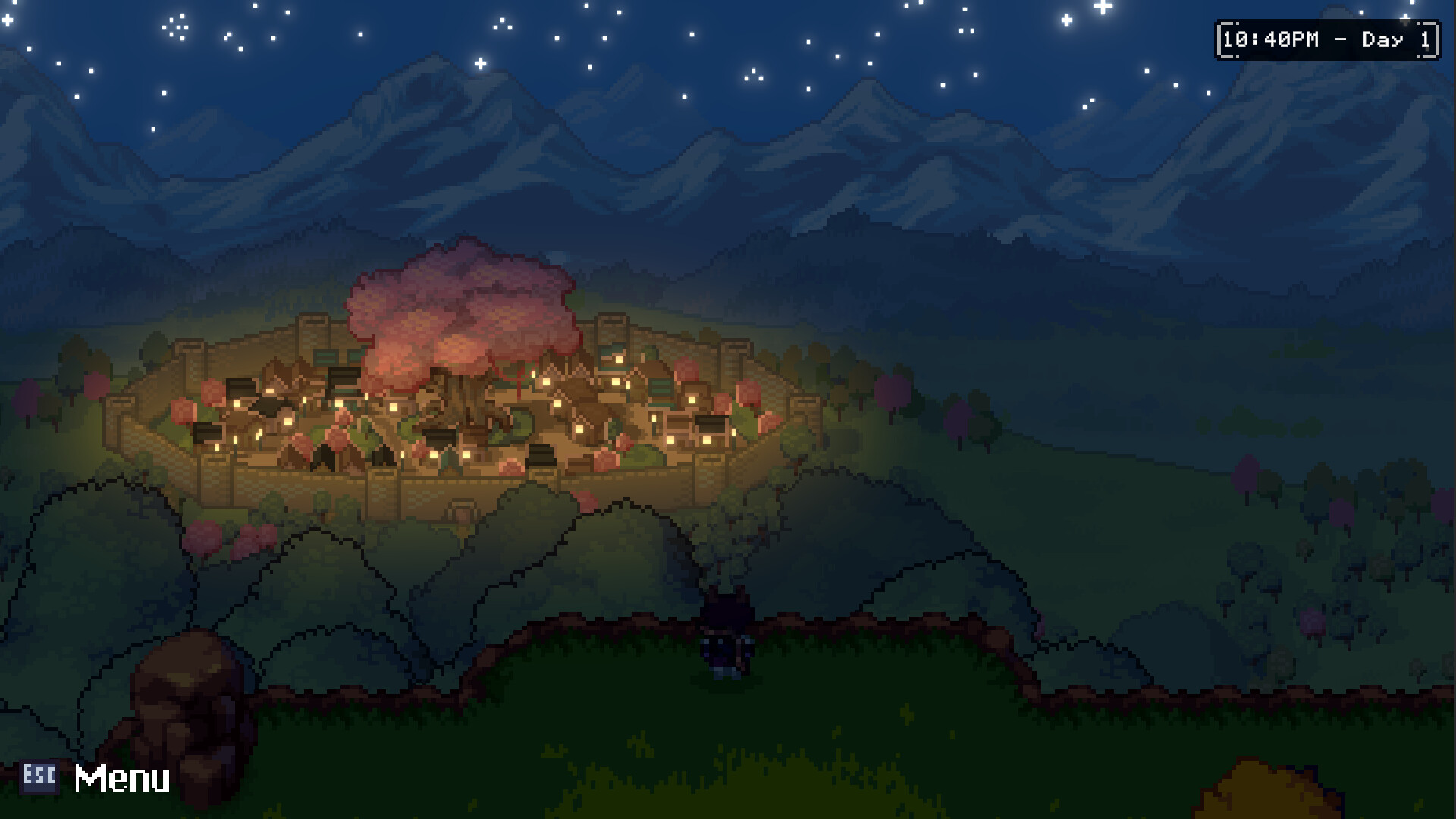
Twenty years ago, the Clockwork Revolution tore the world apart. The Clockwork Army lost. Since then, the surviving cities have been rebuilding, and that rebuild is the game's central tension: industrialization is coming whether the old guard likes it or not.
The setting gives you three overlapping layers to explore:
- The cities. Each has its own politics, factions, and daily rhythms. The lower city and its local map got added in the October demo update, and it is dense with NPCs who have opinions about the reconstruction.
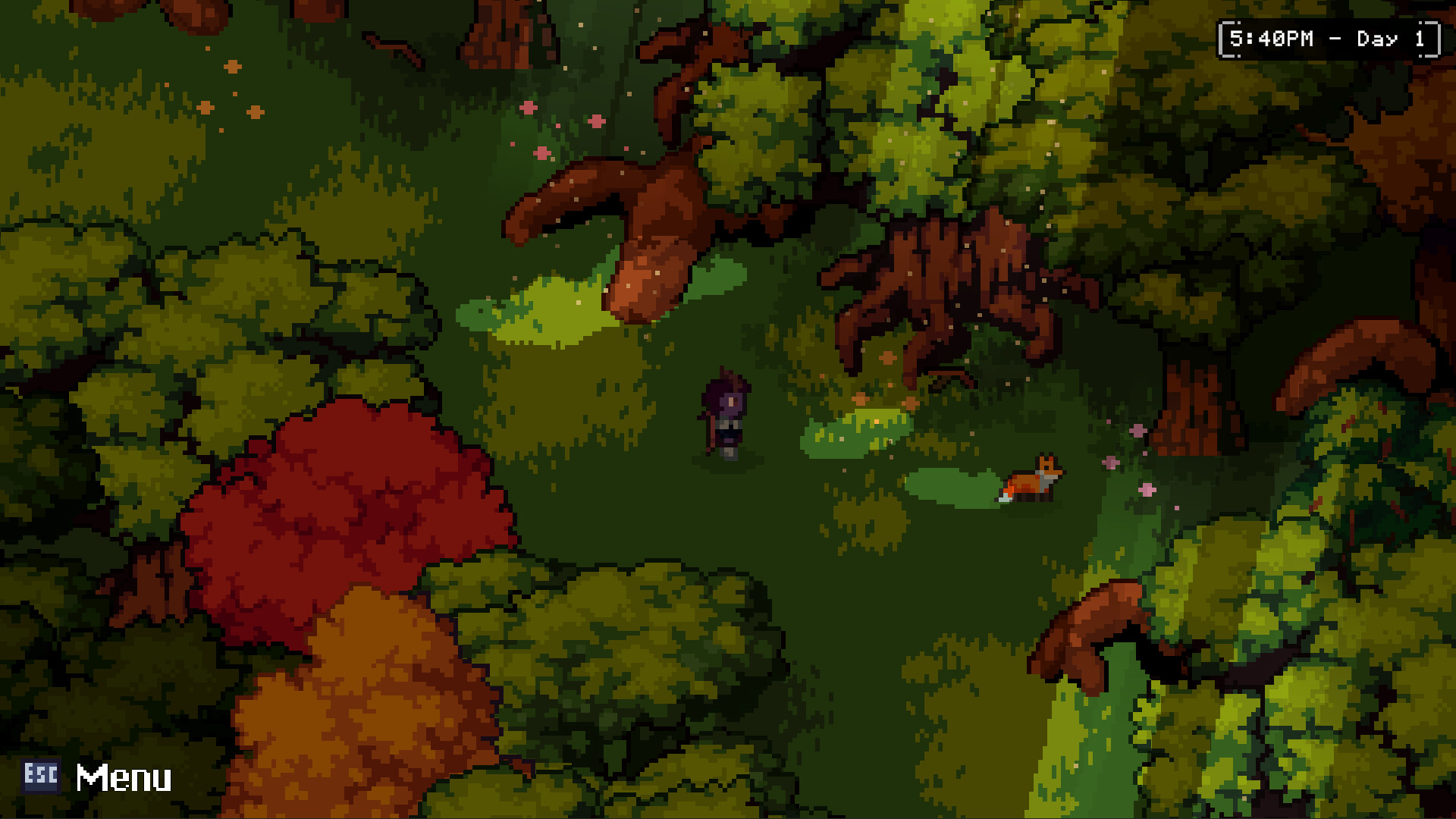
- The wilderness between them. Travel is where you meet most companions, find lore items, and trigger the world's stranger encounters.
- The myths underneath. Ancient legends are discoverable lore, not decoration. The store page promises "ancient myths waiting to be uncovered," and lore items scattered through the demo back that up.
The tone sits somewhere between classic JRPG warmth and CRPG moral murk. The official description names "corruption, conspiracy, good, and evil" as the four pillars, and quest design so far supports all four at once.
Getting Started: Your First Hours in the Demo
The demo is free on the Steam page and represents roughly the opening region, including the lower city, the Braver Hook area, and the wilderness around them. Weekly content updates have been expanding it since late September 2026.
Your opening loop, in order:
- Pick your class before anything else. Sentinel, Warrior, and Ranger are the demo's playable classes, each with its own skill tree. Your pick changes both combat feel and dialogue approach in some encounters.
- Head to the bounty board. The October update added an exclamation mark UI to the bounty board, so it now visually flags available jobs. It is the fastest way to fund early alchemy.
- Grab the lost cat quest early. The September update reworked how the lost cat quest is found, and you can now pick up Coco the cat without even taking the quest. Free companion perk, zero strings.
- Talk before you fight. The October content update changed the raider quest "THOSEWHOSATDOWN" so that walking into the raider camp no longer auto-starts the fight. You can talk your way in or out. This is the game telling you its combat is optional more often than you think.
- Turn on quest tracking. The October 5 update added map markers for tracked quests. Open the local map, track what you are doing, and the game pins your destination. Purists can untrack any quest to keep exploration raw.
Beginner Mistakes to Avoid
| Mistake | Why It Hurts | Fix |
|---|---|---|
| Treating combat as mandatory | Several encounters resolve through dialogue | Approach camps and strangers with the talk option first |
| Ignoring the alchemy garden | Bought consumables drain gold fast | Grow your own; the system pays for itself within the demo's span |
| Fighting in narrow corridors as a Ranger | Bows need range, corridors erase it | Kite enemies into open tiles before engaging |
| Skipping status effect tooltips | Buffs and debuffs decide grid fights | The September update added hover tooltips; read them mid-battle |
| Hoarding gold for level 4 shop weapons | The October patch adjusted their cost; early saving is less critical | Spend on alchemy seeds and utility gear first |
Core Mechanics Explained
Turn-Based Grid Combat on the Overworld
Every fight uses the map you are standing on. Terrain, chokepoints, and elevation you were navigating as exploration suddenly become tactics. The grid is tile-based, and positioning matters more than raw stats in most encounters.
Three combat facts from the patch notes tell you how the system thinks:
- Halberds (Sentinel, October update) attack from two tiles away. They halt targets but do not stop their movement, trading the shield's defensive stance for offensive reach.
- Axes (Warrior, September update) always cleave for 50% of ability damage to two adjacent enemies. Surround yourself and you feed the cleave; flank carefully.
- The Ranger's Call of the Wild bear now inherits your agility stats (September buff), making the summon genuinely useful instead of a distraction bear.
The Class System
The demo ships with three classes, each with a distinct skill tree:
| Class | Weapon Kit | Playstyle | Best For |
|---|---|---|---|
| Sentinel | Swords + Shields, now Halberds | Frontline control, halting enemies, tanking | Players who like deciding where enemies can go |
| Warrior | Axes with guaranteed cleave | Up-close damage trading | Aggressive players comfortable at low HP |
| Ranger | Bows (buffed in October), animal summons | Range control, kiting, pet synergy | Patient players who win before contact |
The October balance patch raised bow damage slightly, closing the gap that made early Ranger play feel weak. If you bounced off the Ranger in September's build, the current demo plays meaningfully better.
Alchemy: Grow, Scavenge, Create
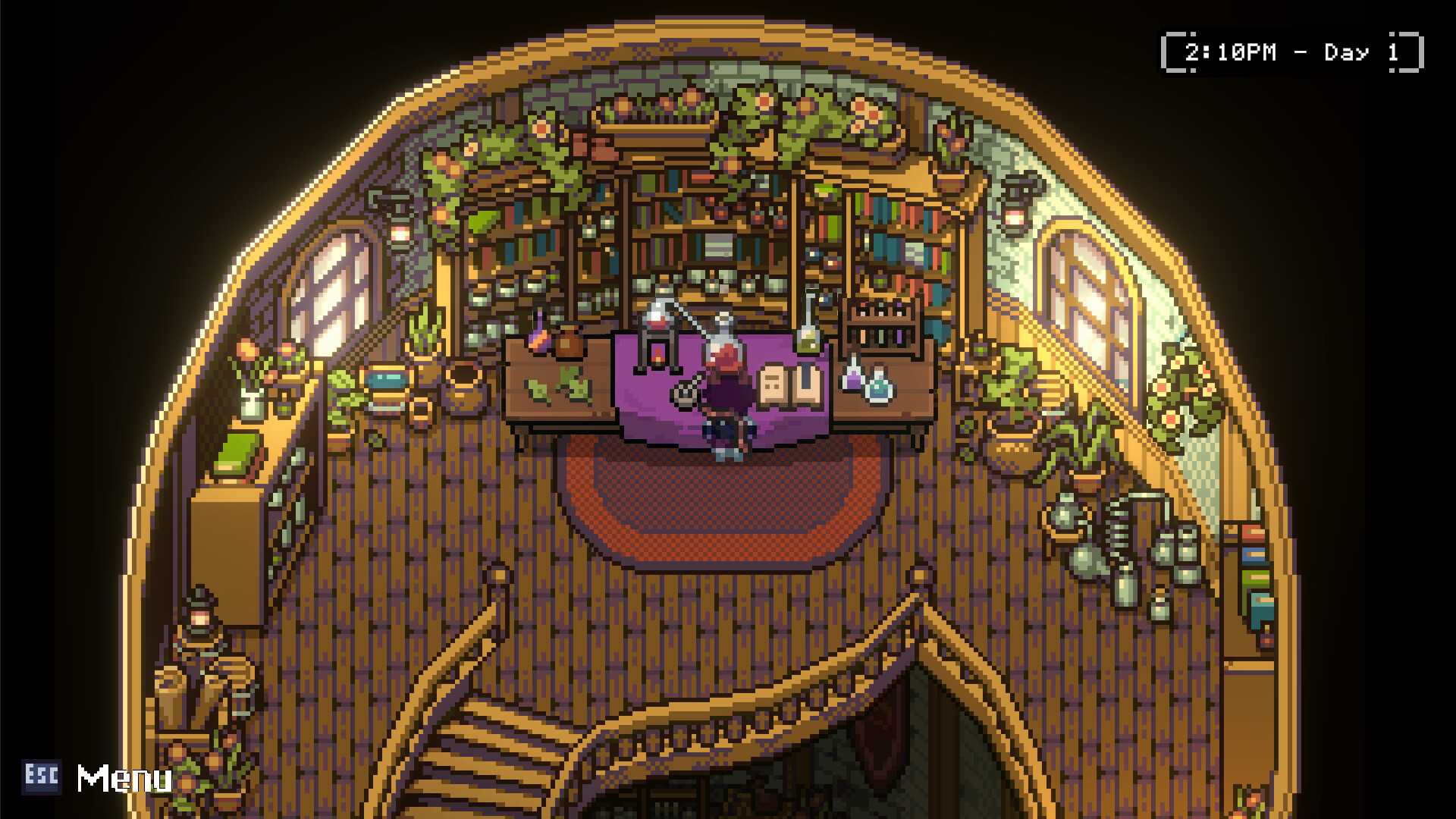
The alchemy system is the demo's economy engine. You grow ingredients in gardens, scavenge reagents from the world, and combine them into consumables that outclass shop-bought goods.
The September update added the Garnet Necklace, a quest reward hidden in the middle of Braver Hook after you witness a theft. It is the demo's showcase for how side content feeds the alchemy loop: an observation quest becomes a crafting advantage.
Companions
Companions join you in exploration and combat, each with personalities and backstories that unfold as you play. The D&D campaign roots show here: companions argue with each other, react to quest outcomes, and have opinions about the cities' factions.
Coco the cat deserves a special mention. The September update lets you pick her up without taking the lost cat quest at all. She is the demo's unofficial mascot and the community's favorite screenshot subject.
Status Effects and Combat UI
Recent builds added three quality-of-life layers that newer players get to start with:
- Hover tooltips on every status effect (September update)
- Out-of-combat buff/debuff display so you can see your active effects before engaging (September update)
- Map markers for tracked quests (October 5 update)
Quest Walkthroughs from the Demo
"THOSEWHOSATDOWN" (The Raider Quest)
The demo's most complex dialogue tree, and the one its developer calls the trickiest to keep bug-free.
The path that works:
- Accept the raider quest from the bounty board.
- Travel to the raider camp in the wilderness.
- Do not draw weapons. Since the October update, walking in unarmed opens a dialogue scene instead of a fight.
- Talk your way in for an infiltration route, or talk your way out to defuse the quest peacefully.
- If you want the fight anyway, the option exists, but the dialogue route yields more EXP and a unique reward branch.
Note that "Those who sat down" had softlock bugs in specific dialogue branches, reported and fixed through September and October patches. If a conversation stalls, update your demo build first.
The Lost Cat (Coco)
- Check the bounty board or simply wander the lower city.
- Coco spawns in a reachable spot regardless of quest state since the September rework.
- Pick her up directly; the quest completes either way, but taking the quest adds dialogue context.
The Braver Hook Theft
- Walk through the middle of Braver Hook until you witness a theft scene.
- Follow the aftermath rather than fast-traveling away.
- The Garnet Necklace is findable at the scene. It is one of the demo's few unique accessories.
Progression Strategy
Phase 1: The First Region (Hours 0-2)
Take a class you enjoy reading, not just playing. Combat is only half the demo; the other half is dialogue branching. Clear the bounty board's opening jobs, fund an alchemy garden, and recruit your first companion before pushing into the wilderness.
Phase 2: The City Deep Dive (Hours 2-5)
The lower city local map (October update) makes this the demo's densest area. Track quests with the new markers, but untrack them when you want to wander; some of the best encounters are unmarked NPC conversations added in the September content drop.
Phase 3: Wilderness and Encounters (Hours 5+)
The wilds between cities hold the demo's stranger content, including the raider camp and several companion recruits. Certain enemy encounters now grant EXP (September change), so fighting is no longer purely a resource drain on the road.
Advanced Tips: What Experienced Players Know
The demo rewards habits that feel like overkill in the first hour and pay off by the last quest. Status tooltips are the biggest one: hovering every buff mid-fight sounds tedious until a Sentinel halberd halt changes what an enemy can do on its turn, and you already know why.
A few more that experienced playtesters lean on:
- Track one quest at a time during travel. Map markers pin only what you track, and wilderness encounters interrupt routes anyway. Single-tasking keeps the marker useful instead of noisy.
- Save gold until your alchemy garden is running. The early shop stock is deliberately underwhelming; the October patch even adjusted level 4 weapon prices because players were over-saving. Seeds and utility gear beat sword upgrades until mid-demo.
- Recruit before the raider camp. Companions change the THOSEWHOSATDOWN encounter options, and going in solo closes dialogue branches you cannot reopen.
- Read patch notes before big sessions. Weekly updates have moved quest triggers (the lost cat rework) and added weapons (halberds, axes). The demo you played last week is not the demo shipping this week.
Controls and Settings
| Input | Action |
|---|---|
| WASD / Arrow keys | Movement |
| Left click / Confirm key | Interact, talk, advance dialogue |
| Controller (DualShock/DualSense) | Full support, custom volume controls |
| Keyboard-only mode | Supported for accessibility |
Steam features include playable-at-your-own-pace and playable-without-timed-input categories, both accurate. Nothing in the demo requires reflexes; every fight is turn-based and every timer is generous.
System Requirements
Formal specs are not published yet for the full game. The demo runs on modest hardware by design, as a 2D pixel art title. Any machine that runs modern indie RPGs comfortably will run the demo at full speed, and the October patch specifically improved ultrawide monitor support (still a work in progress per the developer).
Linux support is confirmed on the store page, which is rarer than it should be for indie RPGs and worth noting for Steam Deck players.
The Studio and Development Background
Studio Targa is effectively a one-developer project supported by volunteer artists, playtesters, and donors. The developer's communication style is unusually transparent: weekly patch notes written in a personal voice, direct feedback requests through the community hub, and an open email ([email protected] was shared in the playtest announcement) for direct input.
The 15-year story lineage matters for expectations. This is not a procedurally generated world with an RPG coat of paint. Quests like "THOSEWHOSATDOWN" have hand-authored branching trees, and the developer has talked about the dialogue complexity showing its teeth in bug reports. The trade-off is a smaller world than a studio production would ship; the benefit is a world where choices visibly matter.
Timeline from the news archive:
| Date (2026) | Milestone |
|---|---|
| Early August | Playtest goes live via Steam "Join the Playtest" |
| Mid-September | Demo releases publicly; weekly content updates begin |
| Late September | Content update: axes, Garnet Necklace, Coco rework, raider quest dialogue |
| October 5 | Map markers, lower city map, halberds, bow buffs, ultrawide fixes |
| Ongoing | Weekly demo patches; full game TBA |
Similar Games
- Final Fantasy VI: the comparison the community itself made, for pixel art warmth and ensemble storytelling
- Baldur's Gate 3 (scaled down dramatically): for branching dialogue and reactivity
- Octopath Traveler: for turn-based combat pacing in a 2D-HD shell, though Aromia is pure pixel art
- Stardew Valley: only for the grow-and-craft loop in alchemy; the tone is much more political
- Battle Brothers: for players who want the overworld-as-battleground idea pushed hardest
FAQ
Is the demo save-safe across updates? Weekly updates do not break saves by design, but the developer recommends starting fresh saves if you want the newest content, since some patches add early-game items.
When does the full game release? To be announced. The demo's weekly update cadence and the playtest's existence suggest active full-time development with no announced window.
Is combat mandatory? More avoidable than you expect. The raider camp quest explicitly supports peaceful resolution now, and several wilderness encounters open with dialogue.
Does it have controller support? Full support, including DualShock and DualSense, plus a keyboard-only option and custom volume controls.
What languages does it support? English, Portuguese (Portugal), and Spanish (Latin America), all with subtitled interfaces.
Is there a Linux version? Yes, SteamOS + Linux is listed on the store page alongside Windows.
How long is the demo? Several hours for thorough players as of the October content update, with weekly patches still adding quests and items.
Wishlist Strategy and What to Watch
The demo is the product right now, and it is updated weekly. Two signals are worth watching before the full release announcement:
- The October 5 patch notes mention "new content" sections that keep growing. The demo is converging on a vertical slice of the full game's structure: city, wilderness, bounty loop, alchemy, companions.
- The dialogue branching bugs fixed in September and October tell you where the depth is. Quests with softlock risk are quests with real branching, and that is where the full game's replay value will live.
Wishlist it on Steam to catch the release announcement, and play the demo in the meantime. For a free pixel RPG with this much authored branching, the cost of entry is two gigabytes of patience and nothing else.
Screenshots