Official game
Play Deck of Memories
This game is hosted by Steam. Continue to the official page to play or download it.
Wishlist on SteamOverview
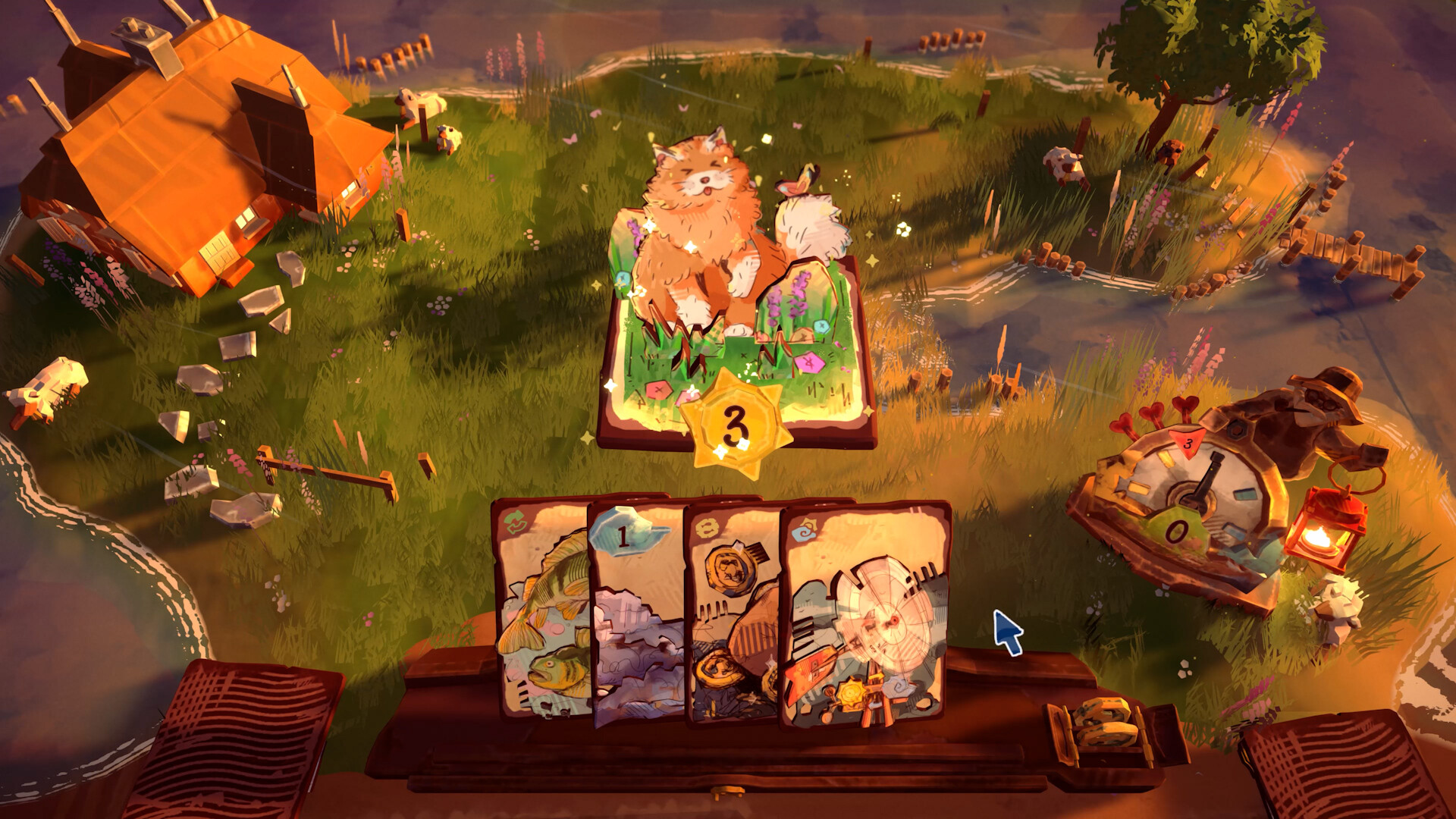
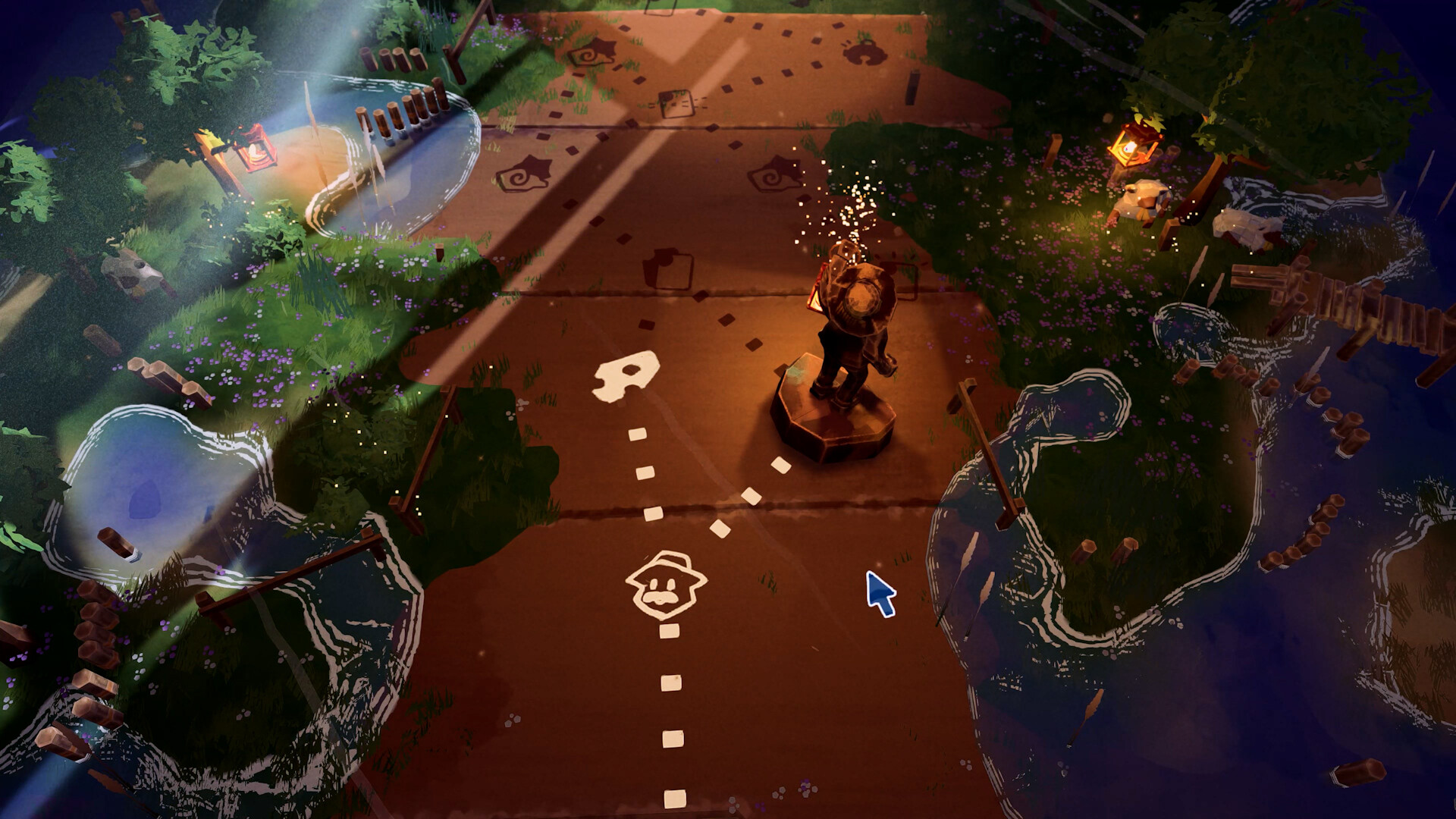
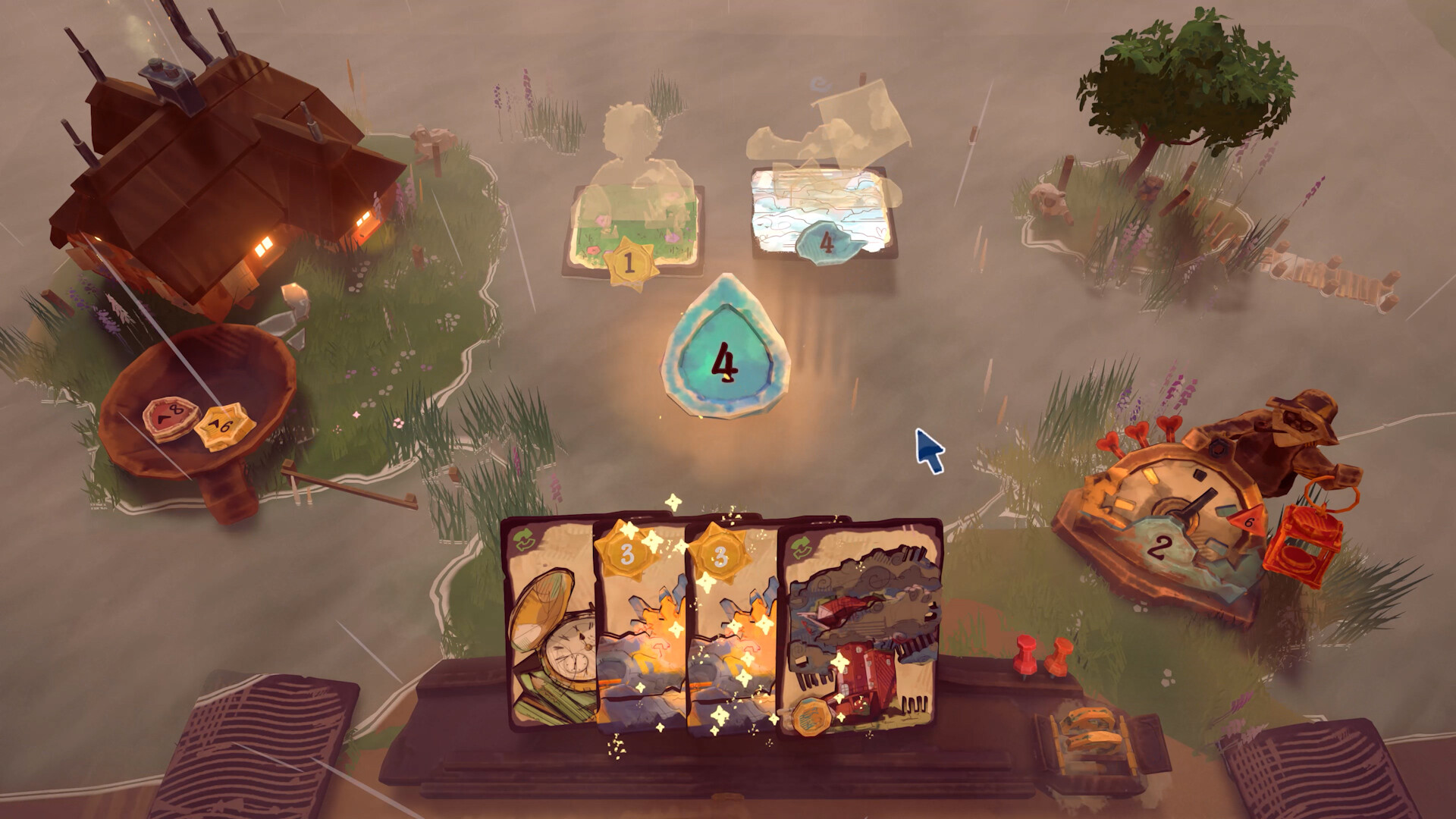
Deck of Memories is a nostalgic deckbuilding adventure about the stories your grandfather left behind. You play Mina, a young woman returning to her grandfather's post at a lighthouse after he has gone. Sorting through his belongings, she finds a deck of handcrafted cards. When she touches them, scenes from his memories emerge around her inside atmospheric dioramas.
The pitch is deckbuilding as archaeology. Each short story is a collection of card encounters on an immersive diorama board. Your job is to stabilize the memory by combining cards carefully before it fades. Different dioramas twist the rules, from shifting tides to moving machinery, so each memory plays less like a level and more like a self-contained logic puzzle with a card game wrapped around it.
Developer Sentiment Games calls it an original, soft take on deckbuilding with nostalgia baked in. The closest references are the campaign-style chapters of Inscryption's first act and Hearthstone Adventures: a curated story told through card encounters, with no roguelike loop, no endless runs, and no combat. The art is fully hand-painted, and the studio explicitly confirms no AI was used.
There is one detail casual summaries miss: how you play your cards can change how a memory unfolds. The studio leaned into this for the Choose Wisely Festival, where they noted things may unfold differently depending on your play. Deck of Memories is not a fixed sequence of puzzles. It is a branching narrative where your card choices steer which fragments of the past you recover and how the story lands.
Target audience: players who like cozy, atmospheric card games, story-first deckbuilders, and anything with a lighthouse and a drizzle of melancholy. Inscryption's story chapters, Hearthstone Adventures, and quiet games like A Short Hike share this lane. It is explicitly not for people who want combat, roguelike depth, or multiplayer.
Difficulty: gentle by design. The fade timer is a pressure valve, not a reflex check, and the studio removed loss states in the traditional sense. The challenge lives in reading the diorama's environmental rule and optimizing trinket synergies, not in twitch execution.
| Fact | Detail |
|---|---|
| Developer | Sentiment Games |
| Publisher | Sentiment Games |
| Genre | Deckbuilding adventure / puzzle |
| Platform | Windows (Steam) |
| Modes | Single-player |
| Story | Mina restores her grandfather's lighthouse memories |
| Board type | Hand-painted dioramas with shifting tides and machinery |
| Core loop | Play cards to stabilize memories, craft cards, attach trinkets |
| Currency | Memory shards |
| Branching | Card choices change how memories unfold |
| Inspirations | Inscryption Part 1, Hearthstone Adventures |
| Art | Fully hand-painted, no AI |
| Price | TBA (demo announced, wishlist for notification) |
| Release | 2027 (Steam wishlist live) |
Getting Started: The First Session
Deck of Memories opens with Mina arriving at the lighthouse alone. The tutorial is gentle and the story beats pace themselves, so the first session is about orientation more than optimization.
- Play the first memory straight through. The opening chapter teaches the diorama board and the stabilize mechanic in sequence. Do not theorycraft before you have seen how a board changes the rules.
- Watch what cards do to the diorama, not just to your hand. Cards interact with the scene. A stabilizer matters because of where you place it on the board, and the game teaches that by example in memory one.
- Open the crafting table early. Card crafting is how you adapt your deck to each diorama. Even a basic pass over the recipes tells you what tools exist and what they cost, so you can plan shard spending before the first chapter ends.
- Spend your first memory shards on tools, not cards. A tool upgrades what every card can do. A new card only adds one option. The tool-first opening compounds across the whole campaign.
- Attach trinkets the moment you find them. Trinkets create the synergies the game hides. Test every new trinket immediately and watch what changes in the next memory.
- Read every memory fragment. The story is the reward structure. Every stabilized memory reveals another piece of the grandfather's life, and with branching outcomes, the fragments you recover determine which version of the story you see.
- Do not rush the calm. The pacing is the point. The game tells you outright it is not a roguelike and not combat-heavy, and the quiet beats are where the emotional payoff lives.
Core Loop at a Glance
- Enter a diorama memory.
- Play cards to stabilize the scene before it fades.
- Survive the diorama twist (tides, machinery, whatever the memory throws at you).
- Recover every detail of the memory before time runs out.
- Return to the lighthouse and craft new cards at the crafting table.
- Attach trinkets and spend memory shards on tools and collectibles.
- Let your choices branch the next memory's unfolding.
Core Mechanics Explained
The Diorama Board
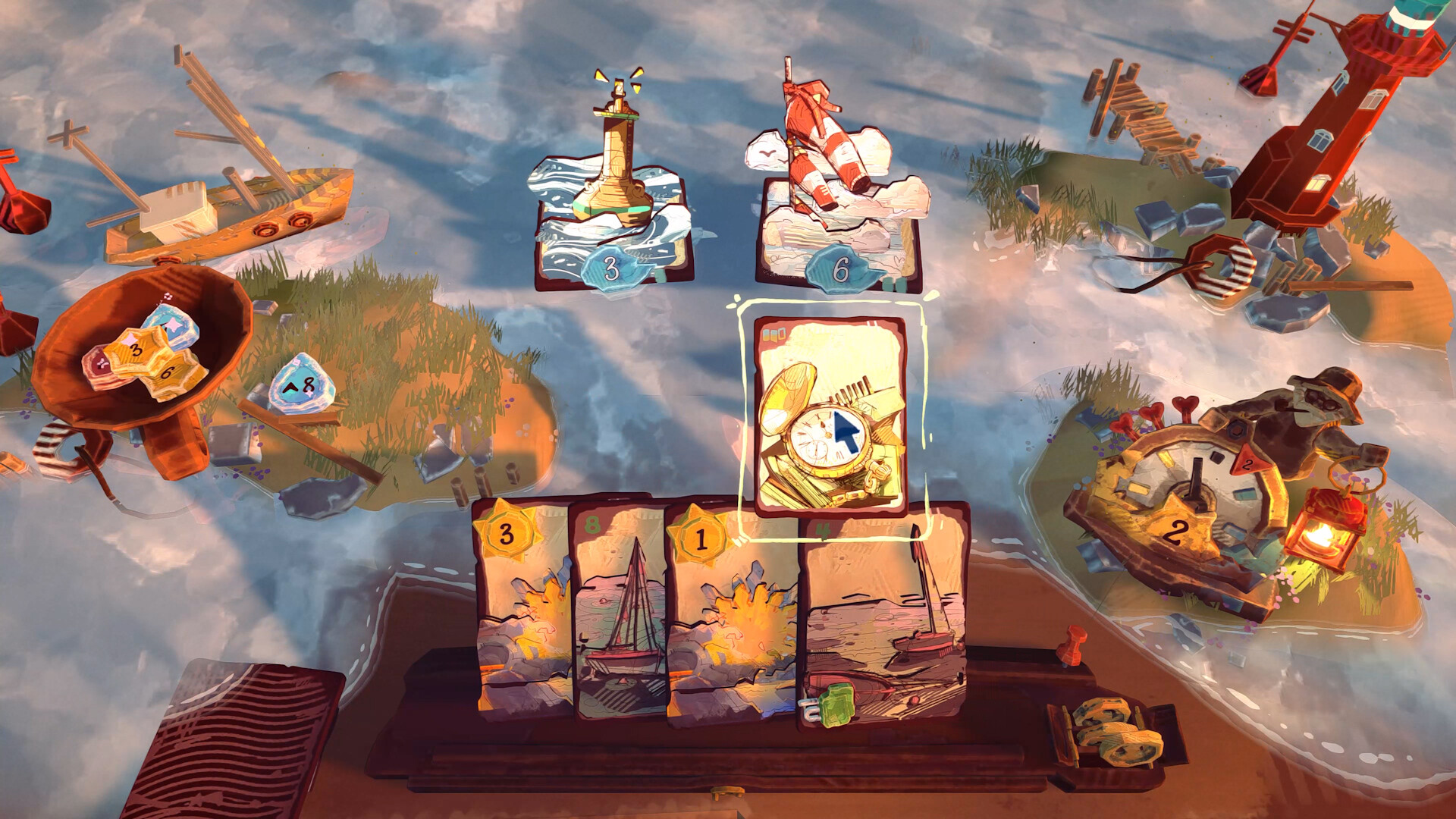
The defining mechanic is that cards are played inside a physical-looking miniature scene. The diorama is not cosmetic. Shifting tides change which parts of the board are usable, moving machinery relocates objects, and the environment reacts to your plays as much as your hand does. Understanding the board state is the real puzzle, and each memory story introduces a new environmental rule on top of the card mechanics.
The hand-painted look keeps every board readable at a glance, which matters because the game expects you to react to the diorama as it animates. Tiles flood, objects slide, and a stabilizer that anchored the scene a moment ago can become useless when the tide moves. Successful play is a loop of reading the board, committing a card, and re-reading the board.
Stabilizing Memories
Each short story features multiple card encounters. The goal of an encounter is to stabilize the memory: combine your cards carefully so the scene holds together, and recover every detail before it fades. That fade timer is the pressure valve of the game. It never demands reflexes, but it does mean you cannot dawdle forever. The design vocabulary is soft deckbuilding. You decide which cards reinforce each other and when to play them, rather than racing to outdamage an opponent.
Stabilization is directional. Some cards anchor the scene, others extend its duration, others unlock details that would otherwise be lost. The ordering matters as much as the composition: a detail-recovery card played too late is a detail lost forever, and a memory completed without its details is a memory only half restored.
Recounting Details and Branching
"Recover every detail before it fades" is the completion condition, and details are the branch points. The Choose Wisely Festival description confirmed it directly: things may unfold differently depending on how you play your cards. A memory played one way reveals one set of fragments; played another way, it reveals different ones. The story your grandfather left behind is not a single timeline. It is a web, and your card choices decide which strands you pull.
This changes the replay value calculation. The campaign is curated, not endless, but the branching means a second playthrough with different card priorities produces a different story. Detail-hunting is not completionism for its own sake. It is how you see the full picture.
The Crafting Table
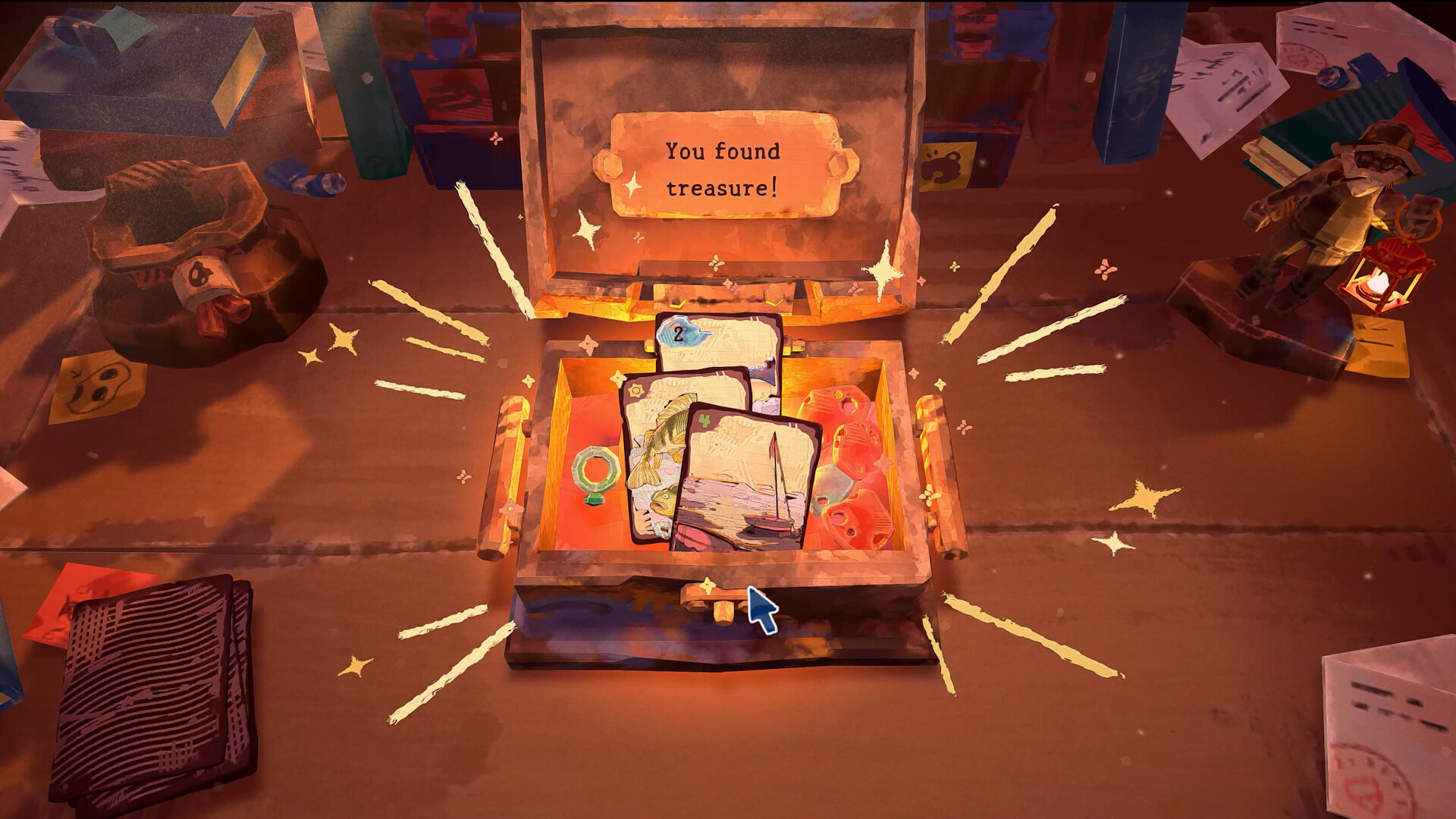
Between memories, Mina works at a crafting table with her grandfather's old supplies. Tinkering with cards is where the depth lives. You collect and attach trinkets to cards, discover powerful synergies, and refine your deck for greater versatility. The crafting table is also where you spend memory shards, unlocking new cards, crafting tools, and curious collectibles.
The loop is deliberately cozy, but the trinket synergies have genuine optimization space for players who want to dig in. The studio's system design overhaul, tested in the Women's Day playtest, focused on this layer specifically. The current build's crafting economy is a direct result of that feedback round.
Memory Shards and Progression
Memory shards are the currency, earned through the stories you restore. They buy three things: new cards, crafting tools, and collectibles. The economy is the through-line that connects the episodic stories, because cards and tools carry between memories. A deck refined with trinkets in one chapter is the deck you bring to the next, which rewards the slow, deliberate tinkering the crafting table encourages.
The shard economy has a hidden fourth use: card quality. Since cards carry between chapters, spending early on tools that upgrade your whole collection pays back for the rest of the campaign, while spending on single cards pays back once.
What the Game Is Not
The studio is explicit about boundaries: not a roguelike, so no difficult challenges and no endless runs. Not fast-paced, combat-heavy, or violent. Not a walking simulator, so the interactive card layer carries the gameplay. No multiplayer. These constraints are the design. By removing combat and loss states, the game creates space for its nostalgic, hand-painted tone to be the whole experience.
Beginner Mistakes to Avoid
| Mistake | Why It Hurts | Fix |
|---|---|---|
| Hoarding memory shards | Shards unlock tools that multiply every card's value | Spend early on crafting tools |
| Ignoring trinkets | Trinkets create the synergies that make decks sing | Attach new trinkets immediately and test |
| Playing cards without watching the board | Each diorama has an environmental rule that changes the puzzle | Study the board state before every play |
| Rushing the fade timer | Panic plays destabilize the memory and cost details | Play deliberately; the timer is gentle |
| Restoring the memory but skipping details | Details are the branch points; without them you see half the story | Treat detail recovery as the real objective |
| Skipping the story text | The memories are the reward and the endings depend on them | Read every fragment |
| Building one deck for everything | Diorama twists demand adaptation | Keep recipes in mind and swap cards between chapters |
| Expecting roguelike depth | This is a curated campaign, not an endless run | Adjust expectations; the fun is story and synergy |
Progression Strategy
Spend Tools First, Always
The single most important progression rule: tools before cards. Crafting tools change what every card in your collection can do, and they carry across every chapter. New cards are single-use additions to one archetype. On a first playthrough, budget roughly two-thirds of your shards to tools and one-third to cards and collectibles until the midgame, then reverse the ratio once your toolset feels complete.
The Deck Is a Campaign Asset
Your deck does not reset between memories. A trinket attached in chapter one is still there in chapter five. That makes deck refinement a compounding investment. Every shard spent upgrading a card you actually use is worth more than a shard spent on a card you will bench. Track which cards carry your runs, and upgrade those first.
Priority Order
| Priority | Spend | Why |
|---|---|---|
| 1 | Crafting tools that extend board interaction | Board manipulation is the core skill; tool it first |
| 2 | Trinket inventory slots and trinket unlocks | Synergies scale faster than single cards |
| 3 | Stabilizer cards | You cannot recover details from a faded memory |
| 4 | Detail-recovery cards | Details are the branches; they are the story |
| 5 | Collectibles | For the completionist payoff, not for power |
| 6 | Cosmetic deck variety | Only after the campaign needs are met |
Builds and Archetypes: The Deck Layers
The game has no named classes, but every effective deck organizes into three layers: anchors, extenders, and detail-catchers.
| Layer | Role | Example Behavior | Priority |
|---|---|---|---|
| Anchors | Stabilize the core scene | Hold the central object in place | Always present |
| Extenders | Push the fade timer back | Add duration to the memory | High in tide memories |
| Detail-catchers | Recover hidden fragments | Reveal details in corners of the board | High in story-critical memories |
Archetypes to Build
The Steady Restorer. Anchors plus extenders, minimal detail-catchers. This is the campaign's comfort build. It never fails to complete a memory, but it recovers fewer branches. Use it for a calm first playthrough.
The Detail Hunter. Detail-catchers first, anchors second, extenders minimal. Faster plays, tighter timing, more branches revealed. This is the build for seeing the full story and for any memory where the branch points matter to the ending.
The Tide Rider. Board-interaction cards tuned to water memories. Keep extenders for the flood phases and hold your anchors until the tide drains the usable tiles. This build exists because the tide memory punishes early commitment.
The Trinket Engine. A small core of anchor cards, each carrying two or three trinkets, supported by tool-generated synergy cards. This is the optimization build for players who want the crafting table to do the heavy lifting. It takes investment, and it pays back in versatility.
Tiering the Trinket Effects
Trinkets fall into three value tiers:
| Tier | Effect Family | Why |
|---|---|---|
| S | Duration extension, detail reveal | They directly attack the two win conditions |
| A | Board interaction, cost reduction | They make the diorama twist easier to survive |
| B | Cosmetic or single-card quirks | Fun, situational, rarely campaign-defining |
S-tier trinkets go on your most-played anchors. A-tiers go on situational cards you swap between chapters. B-tiers are for experiments.
Step-by-Step Strategies
Strategy 1: The First Memory Walkthrough
- Open with a stabilizer on the central object. Anchor the scene before anything else.
- Watch the tutorial card previews; each one shows what it does to the board.
- Extend the timer with an extender before exploring the edges.
- Play a detail-catcher into the corner the tutorial highlighted.
- Finish with remaining stabilizers to hold the scene.
- Return to the lighthouse, open the crafting table, and read every recipe.
Strategy 2: The Tide Memory Route
- Do not play anchors in the first tide phase. The flood moves the usable tiles.
- Spend the early beats scouting which tiles stay dry.
- Extend the timer while the water is up; duration is cheaper than repositioning.
- Let the tide drain, then anchor immediately on the exposed core.
- Detail-catch the highest tiles last, since they flood first on the next cycle.
Strategy 3: The Machinery Memory Route
- Map the machine's cycle before committing cards. Object positions are temporary.
- Anchor objects that the machine does not move; they are the stable core.
- Hold one flexible card for the moment the machine relocates your anchor.
- Replay the memory with different timing to catch details that only appear mid-cycle.
Strategy 4: The Detail-Hunting Completion Run
- Build the Detail Hunter archetype: detail-catchers first, anchors second.
- Replay each memory to completion first, then replay for branches you missed.
- Track which fragments each playthrough recovered; the story web becomes visible.
- On the third pass, use a trinket-heavy stabilizing deck to hold scenes longer.
- Finish with the full fragment log read in order. The ending changes with context.
Strategy 5: The Shard-Farming Route
- Complete memories with the Steady Restorer first to bank shards reliably.
- Spend the bank on tools and trinket slots before touching new cards.
- Replay short memories with the Detail Hunter to farm branches and shards together.
- Buy collectibles only after the toolset feels complete.
- Repeat until the crafting table has no locked recipes left.
Strategy 6: The Trinket Engine Assembly
- Pick your three most-played anchor cards.
- Attach the best S-tier trinkets to those three.
- Strip useful trinkets off bench cards and concentrate them on the core.
- Add tool-generated synergy cards that trigger off your trinkets.
- Test the engine on the hardest tide memory. If it survives, it carries the campaign.
Advanced Tips
Board state beats hand state. The diorama's environmental rule decides which cards are good. A hand full of anchors is useless in the middle of a tide phase. Read the board, then play the hand.
Details are the currency of story. Completing a memory without details is like finishing a book with every other page missing. The branching system means your card choices literally change what story you receive. Treat detail-catchers as plot-critical, not bonus.
The fade timer is a tempo tool, not a threat. The game is deliberately gentle, so the timer exists to push you into committed play, not to punish slowness. Use its rhythm: extend, then explore, then detail-catch, then anchor.
Trinket concentration beats trinket coverage. The Trinket Engine works because a few loaded cards outperform many lightly-decorated ones. Move trinkets toward your anchors and away from bench cards.
Replay is the endgame. The curated campaign has no endless mode, but the branching means the replay value is real. A second run with a different archetype is a different story. Keep one save for the Steady Restorer and one for the Detail Hunter.
The crafting table is a feedback loop. The studio overhauled the system design based on playtest feedback, so the current economy is tuned for tinkering. Spend early, spend often, and let the synergy layer do the work.
Watch the studio's update cadence. The team is entering production and promised more regular updates. The system that exists now is not the system at launch; re-check mechanics after major updates.
FAQ
When does Deck of Memories release? 2027, per the Steam page. No exact date yet. The studio says more news is coming, including demo details.
Is there a demo? Announced, not yet released. Wishlisting notifies you when it drops.
How much does it cost? Price TBA.
What platform is it on? Windows on Steam. No console or Mac announcements yet.
Is it a roguelike? No. The studio explicitly says it is not a roguelike and has no difficult challenges or endless runs.
Is there combat? No. The game is explicitly not fast-paced, combat-heavy, or violent.
Is there multiplayer? No. Single-player only.
Does my play really change the story? Yes. The studio confirmed things may unfold differently depending on how you play your cards, and the branching is built around which details you recover in each memory.
What is it like? Campaign-style deckbuilding with card encounters per story. Inspirations cited are Inscryption Part 1 and Hearthstone Adventures.
Is the art AI-generated? No. The studio states the art is fully hand-painted with no AI used.
What is the core objective? Play as Mina, restore her grandfather's fading memories in deckbuilding encounters, craft and combine cards to stabilize the stories, and recover every detail to see the branches.
How long is the game? Not announced. Each of multiple short stories features several card encounters on a diorama board, with replay value in the branching details.
What are the system requirements?
| Spec | Minimum | Recommended |
|---|---|---|
| OS | Windows 7 (Steam supports Windows 10+) | Windows 10 |
| Processor | Intel Core i5-760 or AMD Athlon II X4 645 | Intel Core i5-3470 or AMD FX-4350 |
| Memory | 4 GB RAM | 8 GB RAM |
| Graphics | GeForce GTX 550 Ti or Radeon HD 6850 | GeForce GTX 1050 or Radeon RX 460 |
| Storage | 5 GB | 5 GB |
Did it appear at gamescom? Yes. Deck of Memories was at gamescom 2026 in the Indie Hub area, and an exclusive new trailer was revealed at the gamescom Awesome Indies show.
Final Tips
The final tip: treat details as the objective and completion as the byproduct. The fade timer gently pushes you, but the branch points are what make the campaign worth replaying, and every detail you recover is a piece of the grandfather's story that a careless run would lose.
The second tip: spend shards on tools first, always. The crafting table is the game's depth engine, and tool-first progression compounds across every chapter.
And the third: play the campaign twice with different archetypes. The Steady Restorer shows you the quiet version of the story. The Detail Hunter shows you what the quiet version hid. Deck of Memories is a small game with real branching, and the second playthrough is where the design earns its keep.
Last reviewed by Game How To Editorial. We play each game, verify controls against official sources, and update guides when game mechanics change.
Screenshots