Official game
Play D.O.R.F. Real-Time Strategic Conflict
This game is hosted by Steam. Continue to the official page to play or download it.
Wishlist on SteamOverview
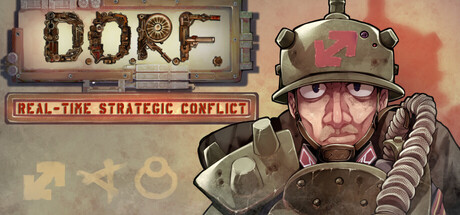
D.O.R.F. Real-Time Strategic Conflict is an isometric RTS set in a twisted vision of the future. You take command of one of three unique factions and conquer your enemies. The game combines classic base building with a deep resource economy and armies that fight on land, at sea, and in the air.
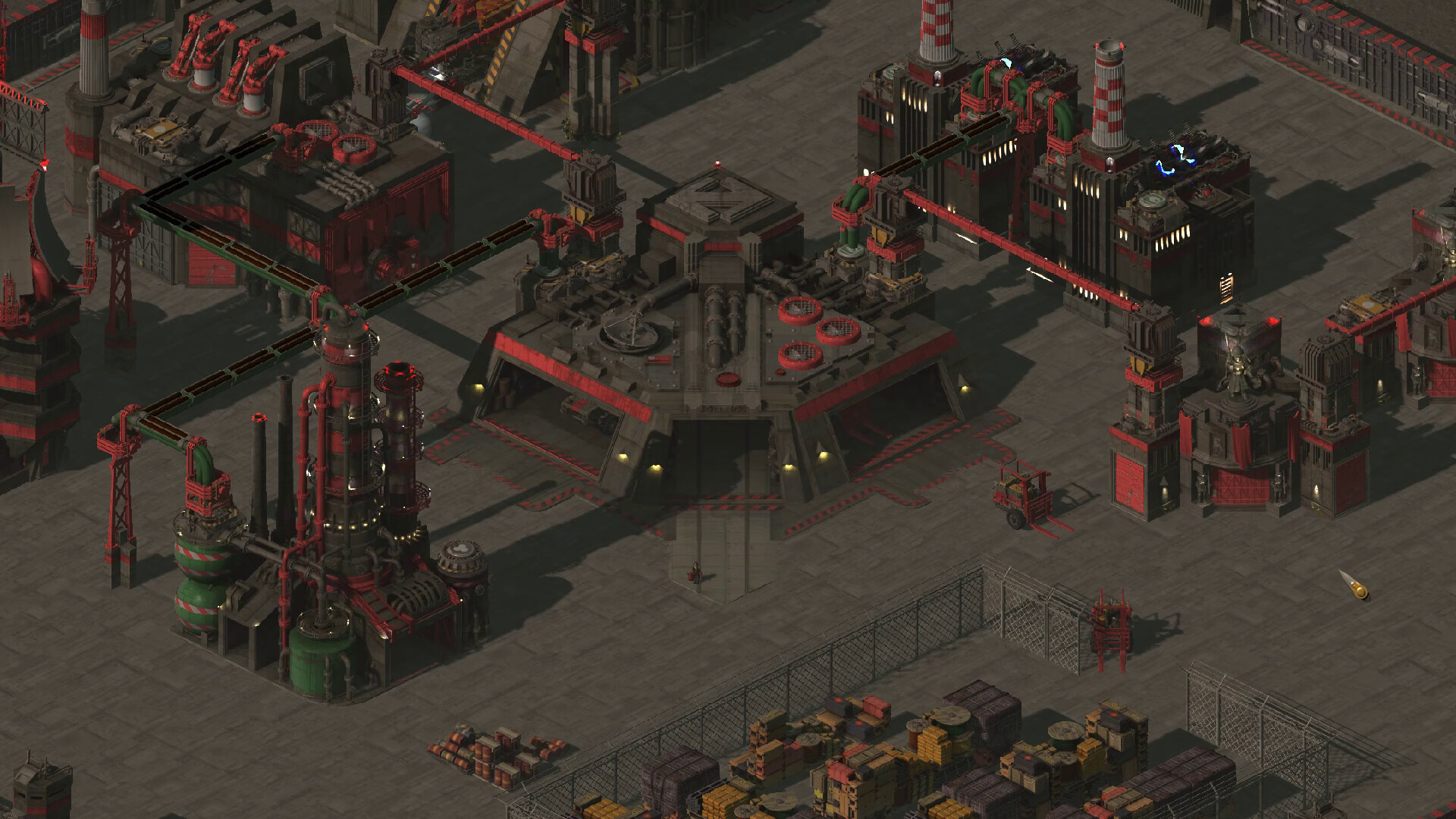
The game comes from DORFteam, an indie developer. The Steam page highlights four pillars: construct massive bases, manage spoils of war, field air, land and sea armies, and storm enemy bases with infantry. Structures can be rotated for different facings, which adds a base layout depth most RTS games skip.
If you liked the base building of Command and Conquer, the resource chains of Supreme Commander, or the infantry tactics of Company of Heroes, D.O.R.F. is aimed at you. The three faction design and the emphasis on logistics give it a classic RTS soul with modern production values.
Game Details Table
| Field | Detail |
|---|---|
| Genre | Real-time strategy (RTS) |
| Developer | DORFteam |
| Publisher | DORFteam |
| Platform | Windows, macOS, Linux |
| Price | To be announced |
| Players | Single-player, Online PvP, LAN PvP |
| Release | To be announced |
| Factions | 3 unique factions |
| Combat | Land, air and sea units |
| Economy | Oil, ore, and battlefield scrap |
| Base Building | Rotatable structures with facings |
| Art Style | Isometric pixel graphics |
Target Audience
This one lands for players who love the classic RTS loop: build a base, grow an economy, and smash your adversary with a well-timed army. If you enjoy optimizing base layouts, setting up supply lines, and micro-managing unit compositions, D.O.R.F. is aimed at you. The multiplayer support means the single-player economy skills translate directly to PvP.
Skip it if you want a simplified auto-battler or a campaign with heavy story. The game is about strategic conflict, not narrative. Players who dislike managing multiple resource types will find the logistics system demanding, but that depth is the point.
Getting Started — First 30 Minutes
Pick a Faction and Learn Its Identity
The game opens with a choice of three factions. Each faction has its own unit roster, economy strengths, and playstyle. Do not treat them as reskins. The faction choice changes how you build, what you prioritize, and how you fight.
Build in the Right Order
Start with the essentials: a base structure, resource gatherers, and basic defense. The early game is about securing your economy before expanding. Build order matters more than almost anything else in RTS, so establish a rhythm and stick to it until you learn the factions.
Understand the Three Resources
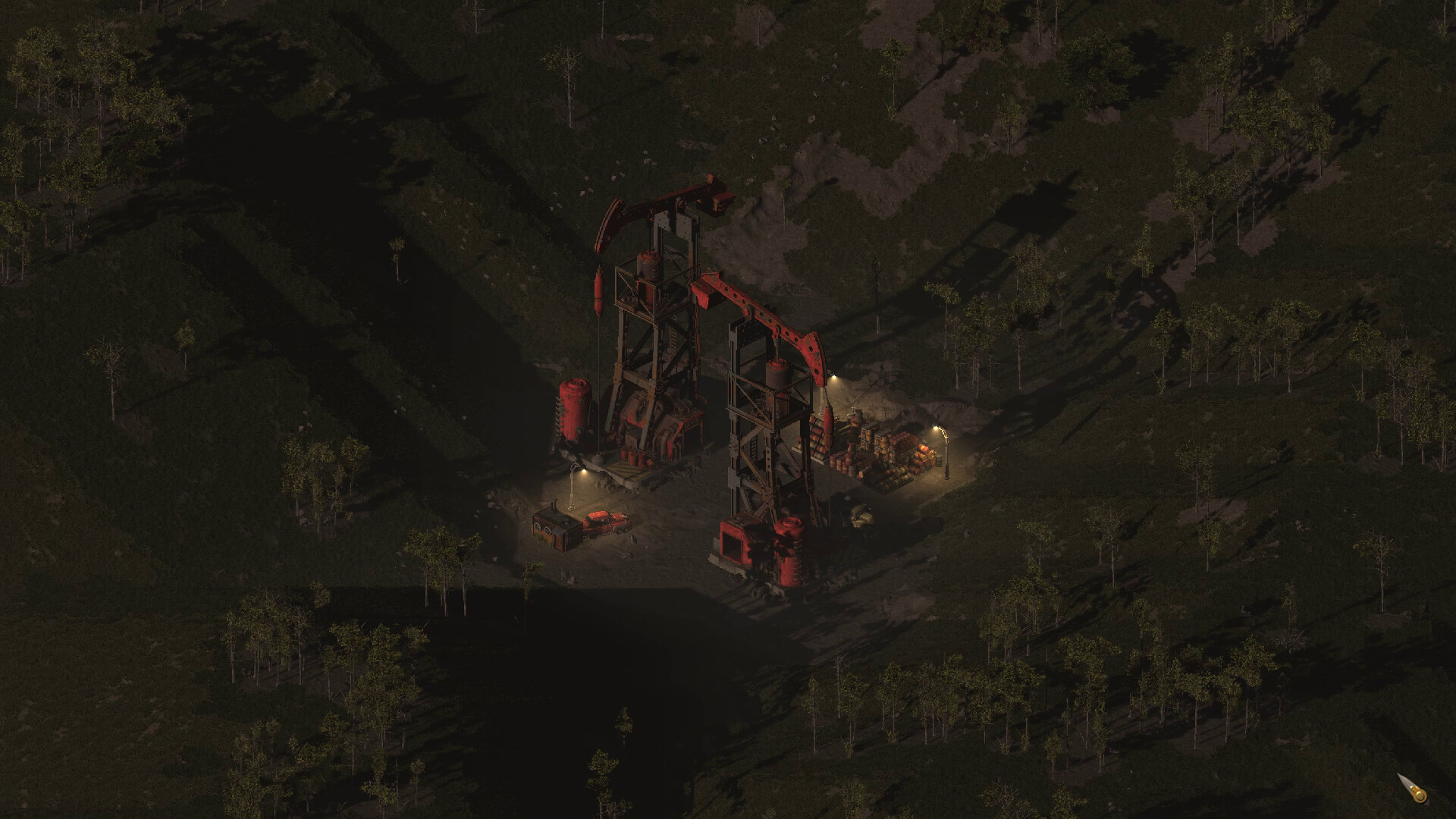
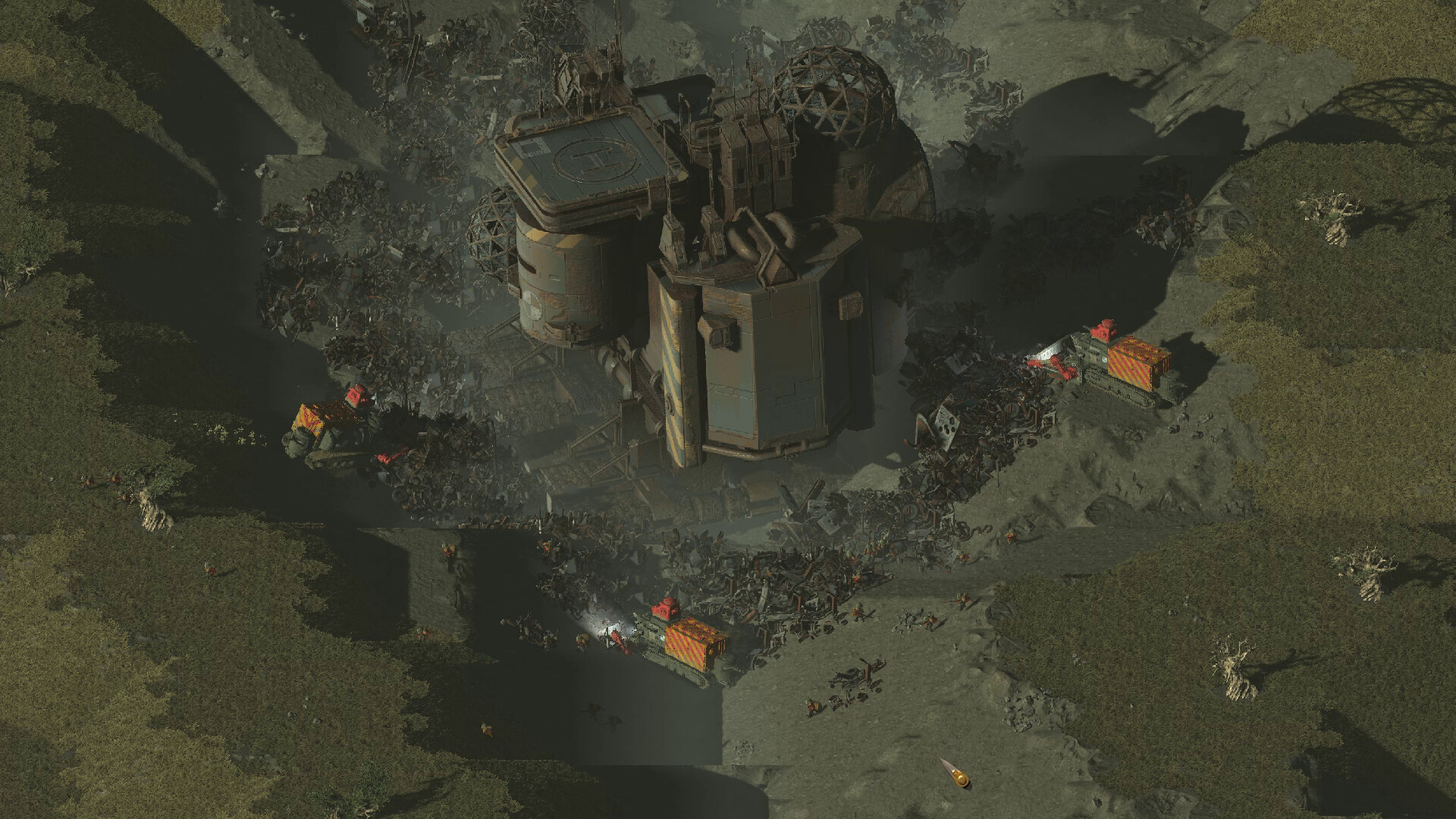
D.O.R.F. uses three resources: oil, ore, and scrap. Oil comes from deposits, ore from mines, and scrap from the battlefield. Each feeds a different part of your war machine. Do not ignore scrap early, it turns battlefield leftovers into new units.
Rotate Your Structures
Structures can be rotated to have different facings. This is not cosmetic. Facing affects where units spawn, where defenses cover, and how vulnerable a structure is. Learn the facing system early, it separates good bases from great ones.
Scout Before You Commit
Scouting is cheap, losing an army is not. Send a fast unit to check the enemy base before you commit to a push. Knowing what the enemy is building lets you counter instead of guessing.
Beginner Mistakes to Avoid
| Mistake | Why It Hurts | Fix |
|---|---|---|
| Ignoring scrap | Scrap from the battlefield feeds unit production | Collect battlefield leftovers actively |
| Static base layouts | Facing and rotation change base effectiveness | Rotate structures for coverage and flow |
| One army composition | Land, air and sea counters are essential | Build mixed armies and respond to scouting |
| Hoarding resources | Idle resources are wasted economy | Spend to grow, keep only a safety reserve |
| No supply lines | Units must reach the front fast | Establish transport routes from factory to frontline |
| Skipping trenches | Infantry needs defensive positions | Create trench networks for infantry defense |
| Attacking without scouting | Blind pushes lose to counters | Scout before every major commitment |
Core Mechanics Deep Dive
Base Building and Infrastructure
Base building is the foundation of everything. You construct factories, refineries, and defensive structures to advance your economy and secure your position. The system rewards planning, because structure placement determines your defensive coverage and your production flow.
The rotation system adds a layer most RTS games ignore. Every structure can be rotated to different facings, and the facing affects how the structure integrates with your base. A refinery facing your factory line moves resources faster. A defensive tower facing the approach covers the right angle.
The Spoils of War Economy
The economy runs on three resources. Oil is pumped from deposits, ore is mined, and scrap is gathered from the battlefield. Each resource feeds a different part of your war machine, so a balanced economy is a resilient economy.
Supply lines and logistics networks turn raw material into war material. The game rewards building efficient chains: oil to refinery, ore to factory, scrap to unit production. Players who optimize the chain outproduce players who do not.
Air, Land and Sea Armies
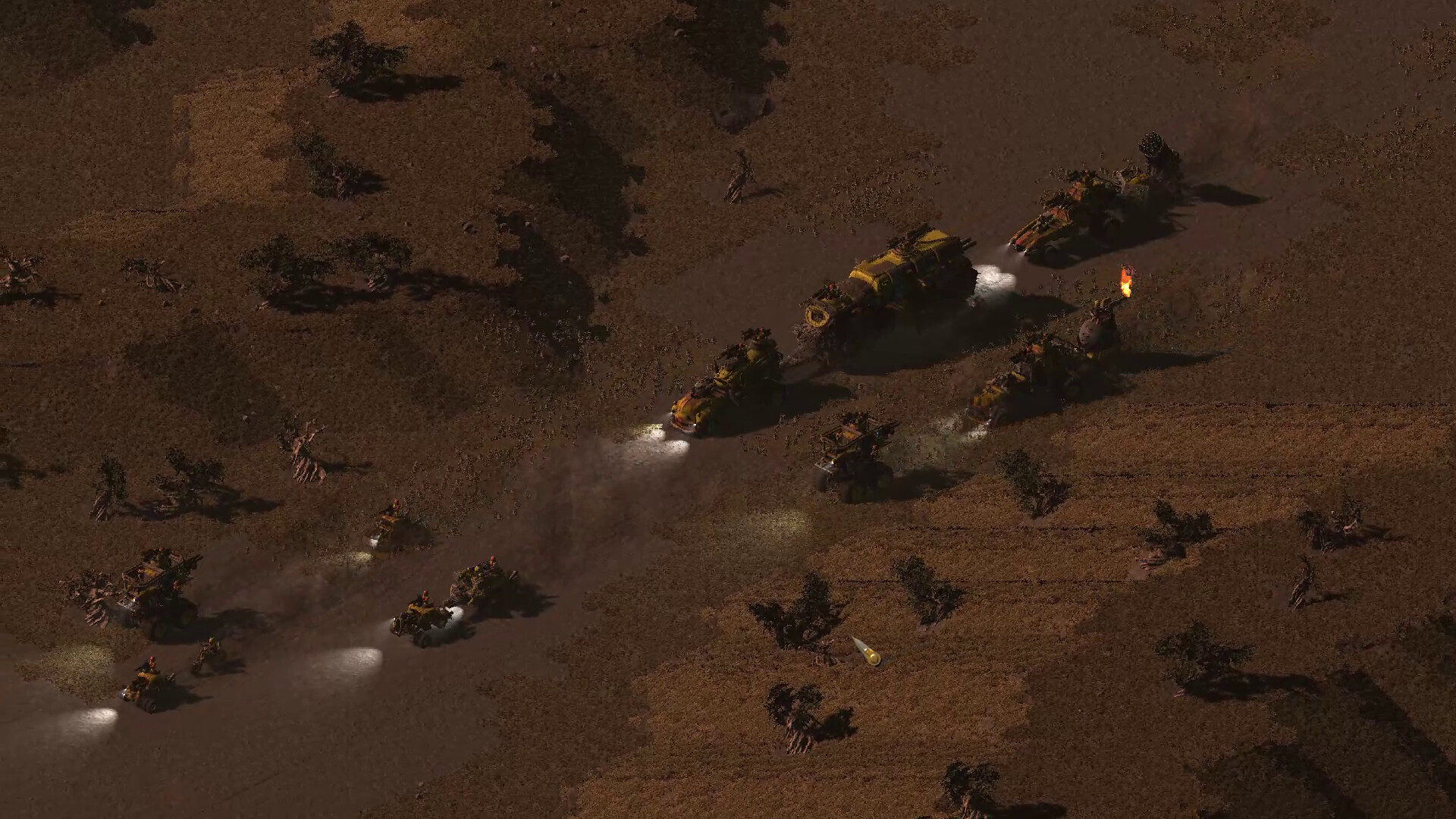
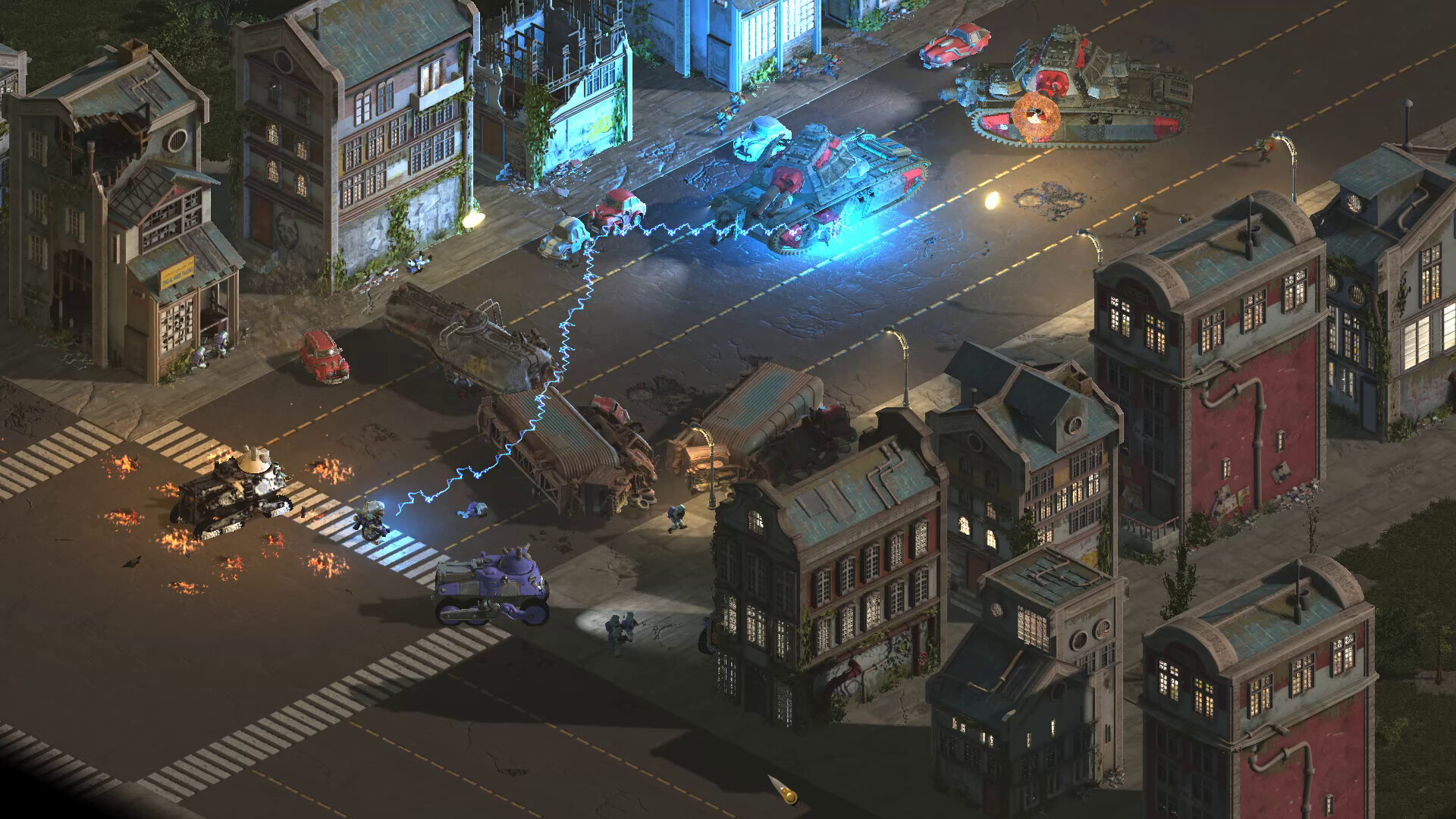
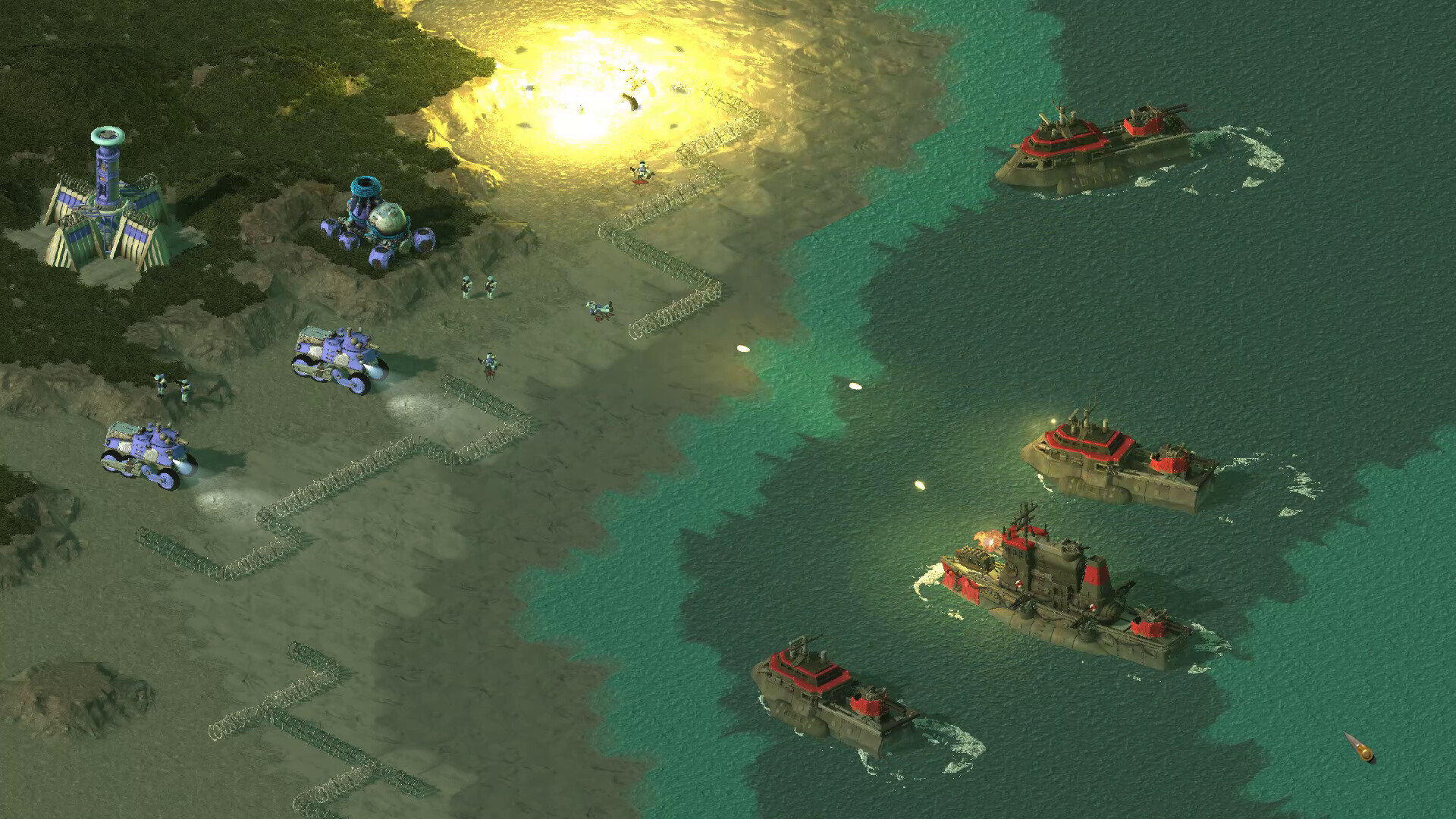
D.O.R.F. fields armies across three domains. Land units include multi-turret tanks and artillery mecha. Air units include enormous zeppelin bombers. Sea units control the water approaches. Each domain has its own counters, so army composition is a constant puzzle.
The domains interact. Airstrikes can soften ground defenses for an infantry push. Naval units can shell coastal factories. Transport routes move units from factory to front, and protecting those routes is as important as the units themselves.
Infantry and Base Storming
Infantry plays a special role: storming enemy-held positions. Infantry can engage in brutal close-quarters combat inside base structures. They can capture enemy factories, which grants access to enemy technologies.
Captured factories are a huge swing. Mixing enemy strengths with your own creates armies the opponent did not plan for. Treat infantry as your base-breaking tool, not your main army.
PvP and Multiplayer
The game supports online PvP and LAN PvP. The multiplayer meta will evolve around faction balance, build orders, and early pressure. For now, the single-player economy skills are the best training for PvP, because a strong economy beats a fancy army.
Advanced Strategies
The Logistics-First Opening
Open with logistics instead of pure aggression. Build the refinery and factory chain early, and route your first units to secure the resource nodes. A logistics-first opening is slower but compounds into an unstoppable late game, because your production outpaces any single push.
The Rotation Defense
Use the facing system for defense. Rotate defensive structures so their coverage overlaps the enemy's most likely approach. Create kill zones where two or three structures cover the same ground. The rotation system turns a flat wall into a layered defense.
The Scrap Economy Engine
Prioritize scrap collection from the first skirmish. Scrap turns battlefield leftovers into unit production, which means every fight you win feeds the next one. In long games, the player who collects scrap consistently outproduces the player who does not.
The Capture Swing
Target enemy factories with infantry, not the main base. Capturing a factory flips enemy technology to your side. The swing is massive: you gain their strengths while denying them the same. In multiplayer, this is the highest value play on the map.
The Domain Denial
Win the air or sea domain early and deny it to the enemy. Airstrikes and naval bombardment break base defenses that ground units cannot. Controlling a domain forces the enemy to spend resources countering it, which slows their ground game.
Tips and Tricks
- Scout before every major attack.
- Rotate structures for defensive coverage.
- Collect scrap from every battlefield.
- Build supply lines early, units must reach the front.
- Use trenches for infantry defense.
- Capture enemy factories to steal technology.
- Mix land, air and sea units to cover counters.
- Keep a small resource reserve, spend the rest.
- Protect your transport routes, they are the lifeline.
FAQ
When does D.O.R.F. release?
The Steam page lists the release date as to be announced. The game is in development by DORFteam. Wishlist on Steam for the launch notification.
What platforms will D.O.R.F. support?
Windows, macOS, and Linux are confirmed on the Steam page. That is a rare triple-platform lineup for an RTS.
How many factions are in D.O.R.F.?
Three unique factions. Each has its own unit roster, economy strengths, and playstyle.
What resources does D.O.R.F. use?
Oil, ore, and scrap. Oil comes from deposits, ore from mines, and scrap from the battlefield. Each feeds a different part of your war machine.
Is D.O.R.F. multiplayer?
Yes. The game supports online PvP and LAN PvP, plus single-player.
Can you rotate structures?
Yes. Structures can be rotated to have different facings, which affects base layout effectiveness.
Who is the developer?
DORFteam, an indie developer. The official site is dorf-rts.com.
Is there a demo?
No demo has been announced. The official announcement trailer is available on the Indie Games Hub channel.
What makes D.O.R.F. different from other RTS games?
The three-domain combat (air, land, sea), the rotation-based base building, and the scrap economy that turns battlefield leftovers into unit production.
Final Tip / Verdict
The single best habit to build early: treat logistics as your win condition. Most RTS players focus on army size, but D.O.R.F. rewards the player who builds the supply chain first. Rotate your structures well, collect scrap from every fight, and protect your transport routes. The army is the weapon, but the logistics are the war.
D.O.R.F. is a strong pick for classic RTS fans who want base building depth and three-domain combat in a pixel package. The faction design and the capture mechanic give it an identity most modern RTS games lack. If you want a casual auto-battler, wait for more details. Everyone else should wishlist it now.
Last reviewed by Game How To Editorial. We play each game, verify controls against official sources, and update guides when game mechanics change.
Screenshots