Official game
Play Caterva: Outsider Dreams
This game is hosted by Steam. Continue to the official page to play or download it.
Wishlist on SteamOverview
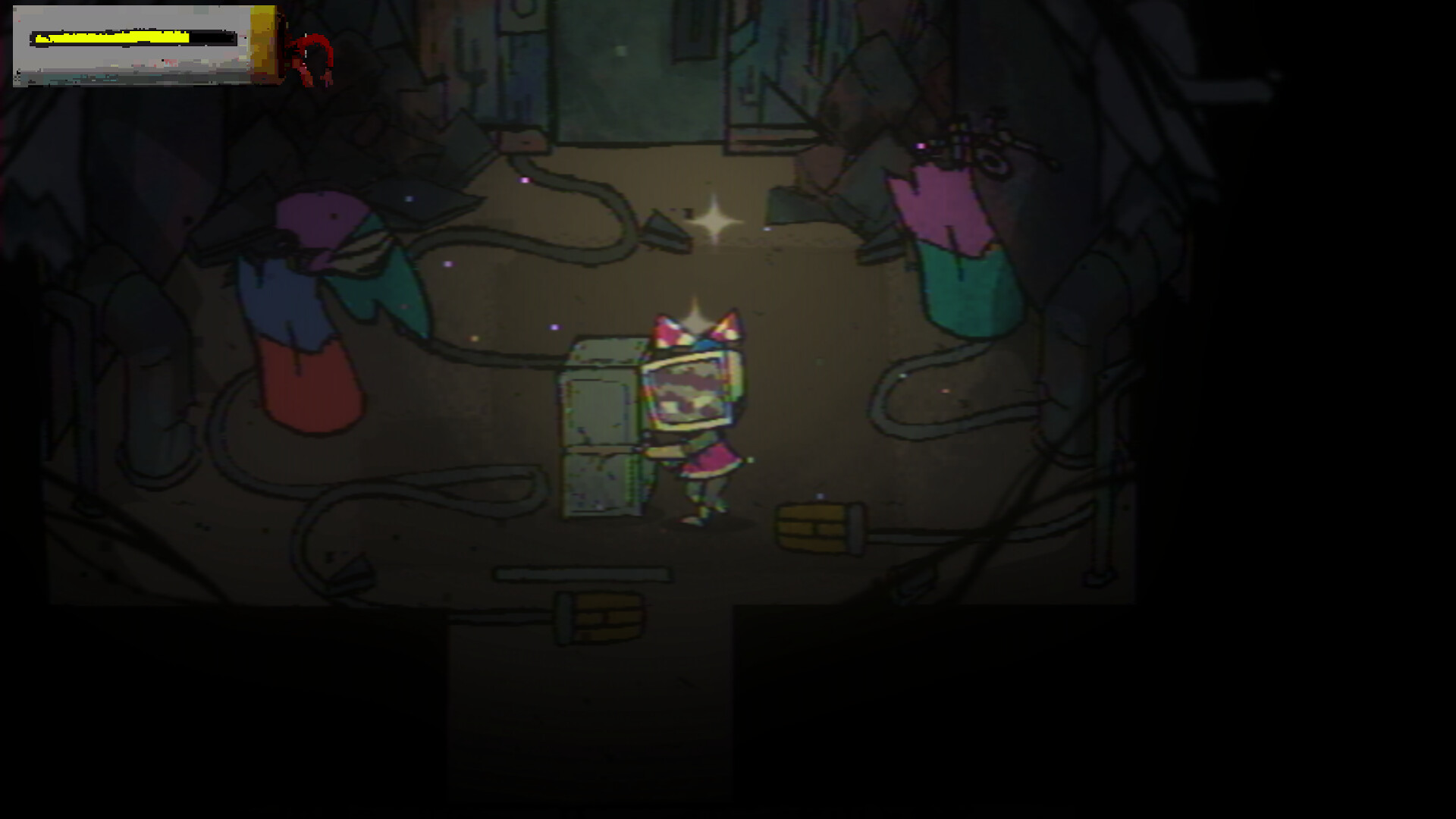
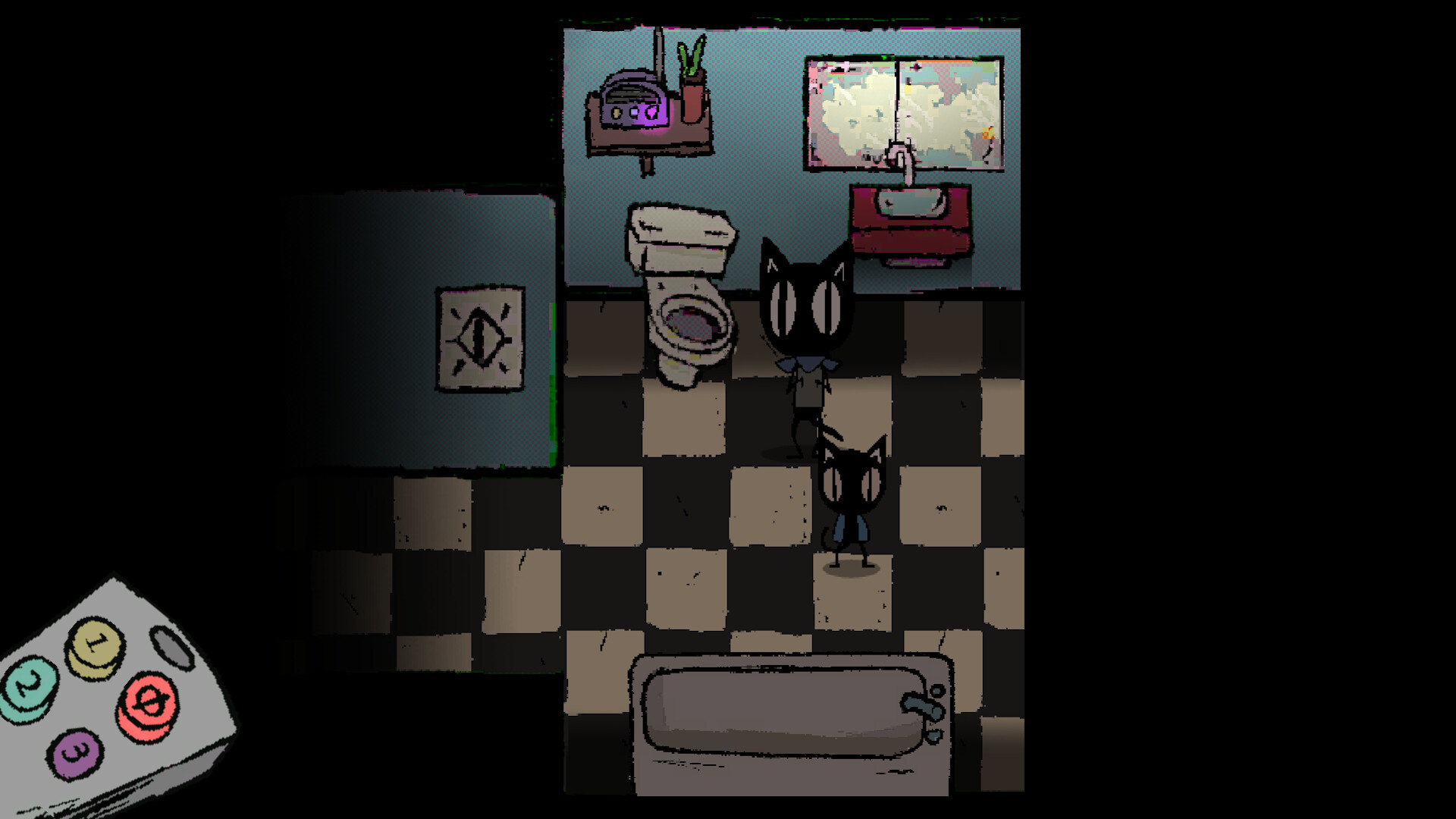
Caterva: Outsider Dreams drops you into a nightmare that everybody else had except you. Arziel, the solo developer behind the project, and publisher KimeraWare frame it as an exploration and puzzle adventure set on a colossal abandoned space station lost in time. Everyone in the village below shared the same dream. Your character Milo did not, and that single difference is what pulls you aboard the station, where the inhabitants vanished ages ago but their machines never stopped running. Something down in the depths has been waiting a very long time to wake up.
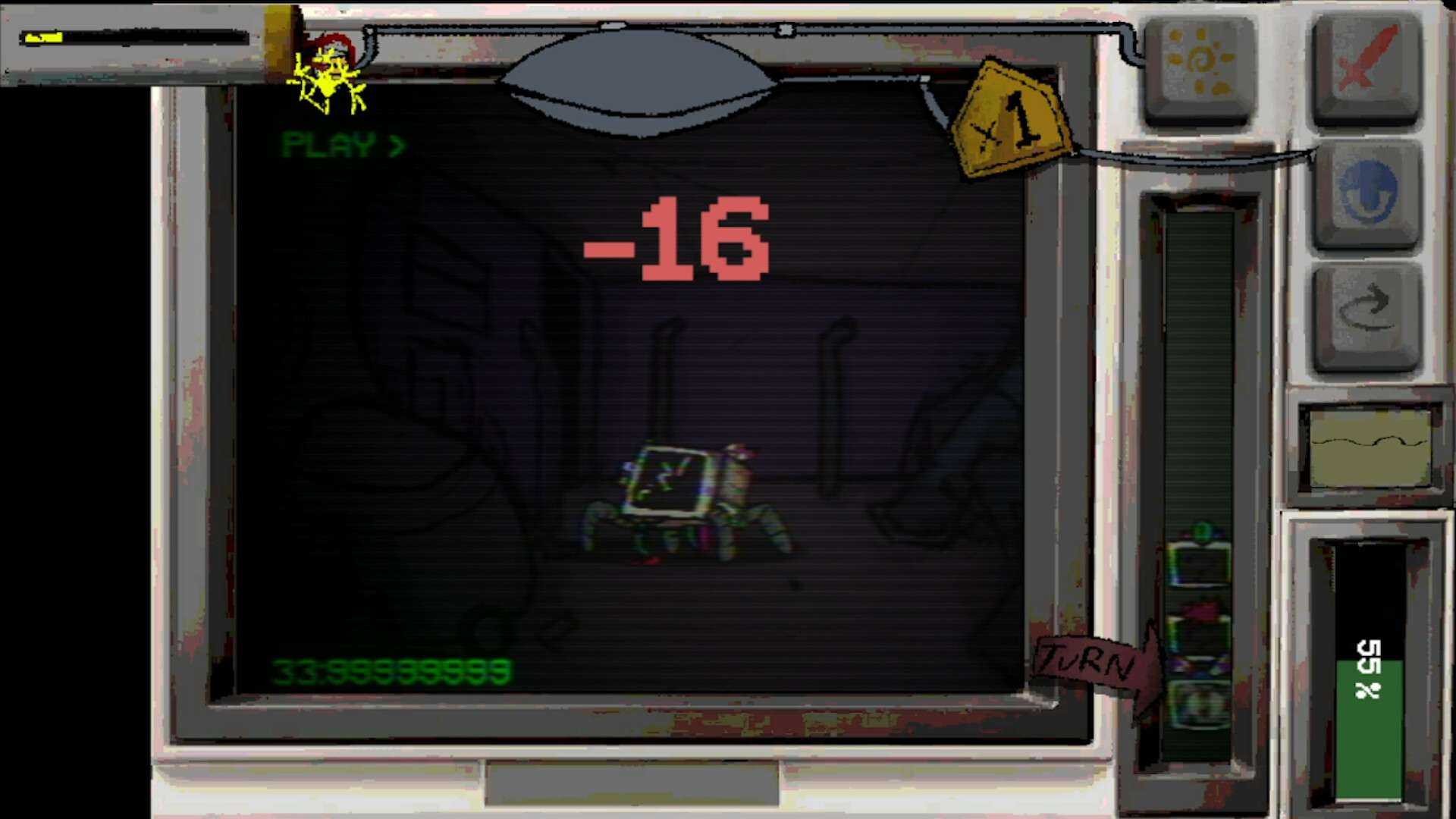
The signature system is channel shifting. You toggle between four channels, and reality rearranges itself around each one. A doorway that does not exist on one channel sits wide open on another. A broken machine hums back to life when you flip to the right reality. Enemies perceive each channel differently, so combat becomes a reading exercise: invert an attack on one channel, boost your damage on a second, strip an enemy's ability on a third. The store page puts a fine point on it: change the channel, change the dream.
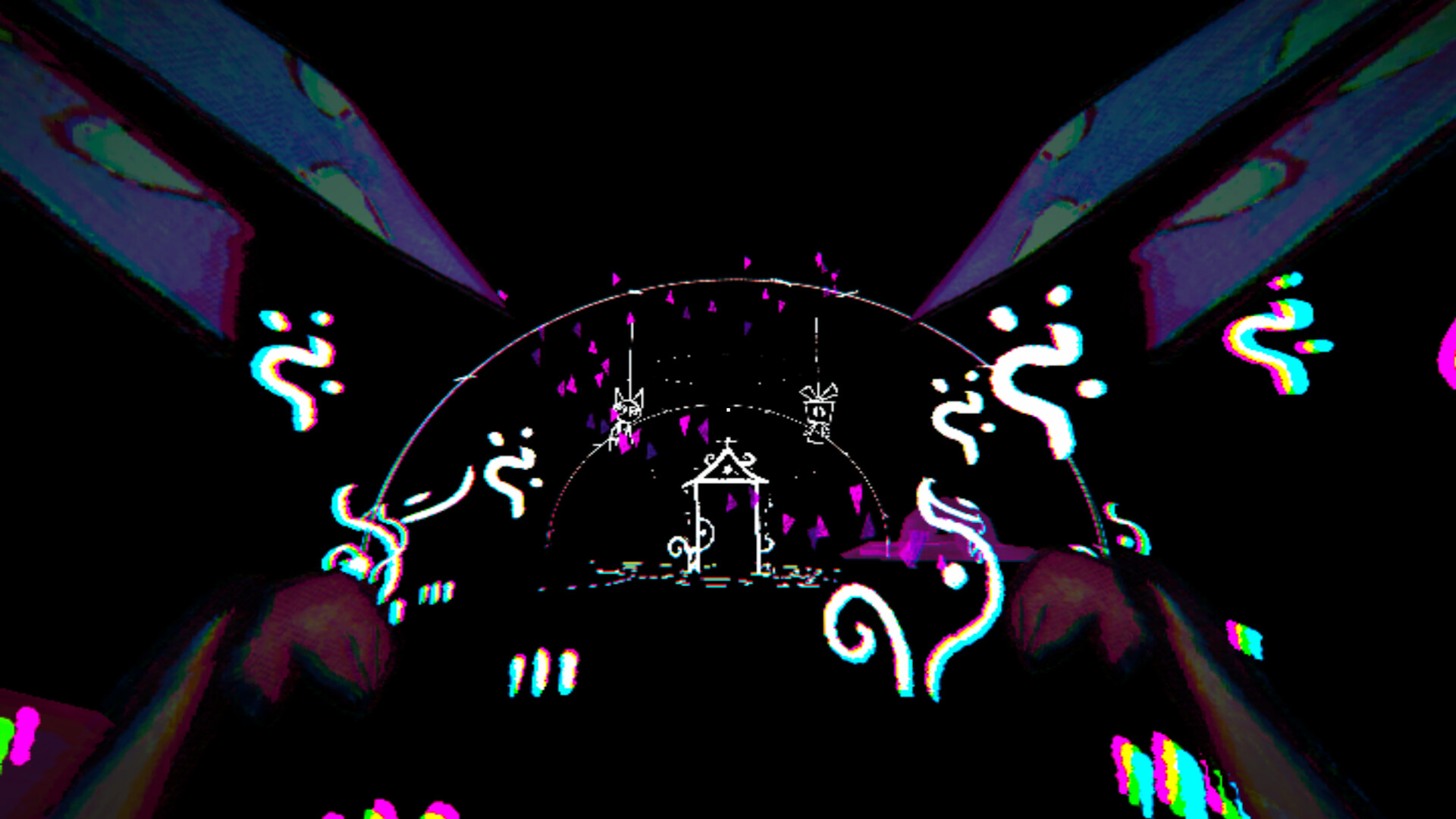
The tone sits firmly in cosmic horror territory. The lore epigraph on the official site, "she's coming, and the eternal sky will open her womb, spilling children that are not ours," sets expectations. This is a game about piecing together the final days of a civilization that saw an unavoidable fate coming and tried to run from it anyway.
| Fact | Detail |
|---|---|
| Developer / Publisher | Arziel / KimeraWare |
| Genre | Exploration, puzzle adventure, RPG (Steam tags: Metroidvania, Hidden Object, Turn-Based Strategy) |
| Platforms | Windows, Mac, Linux |
| Release | Coming soon (Steam page live, wishlist to get notified) |
| Price | To be announced |
| Players | Single-player, Family Sharing |
| Core mechanic | Four-channel reality shifting |
| Setting | Abandoned space station, cosmic horror |
| Languages | English, Spanish (Spain), Spanish (Latin America) |
| Controls | Full controller + DualShock, keyboard/mouse |
| Protagonist | Milo |
Quick answer for people comparing it to other games: Caterva is a 2D isometric Metroidvania-flavored puzzle adventure — zone access gated by puzzle knowledge instead of movement upgrades, plus sparse turn-based-feeling combat that plays out on the channel you choose. Outer Wilds is the closest experience; SOMA is the closest mood.
Difficulty is knowledge-gated rather than reflex-gated. Nothing here demands twitch speed. The walls you hit are walls of not-yet-understanding, and every one of them dissolves once you read the room correctly. Players who finished Outer Wilds or The Sampler-style knowledge games know the feeling: the game never gets easier, you get better.
Who This Game Is For
Buy-in is easy if environmental storytelling does the heavy lifting for you. The station tells its story through machine logs, abandoned personal effects, and architecture that dates itself. Players who loved the space-station dread of SOMA, the puzzle-blob structure of Blue Fire-era adventure games, or the channel-flipping of titles like Titan Souls' alternate-reality mod scenes will feel at home within minutes.
It suits patient players. Sessions reward methodical channel sweeps and quiet observation. If your happy place is a dim corridor, a strange machine, and four realities to test it against, Caterva is built for you.
Skip it if you need constant action or clear objective markers. Combat is sparse and knowledge-based, the story arrives in fragments on purpose, and the game trusts you to care about a mystery that unfolds sideways rather than in cutscene order. Players who bounce off non-linear narratives should wait for more gameplay footage before committing.
Getting Started: The First 30 Minutes
The opening hours teach channel literacy. Everything flows from it.
1. Learn what a channel sweep feels like
The moment you enter any new room, cycle all four channels before you touch anything. Watch what appears, what vanishes, and what changes state. This one habit is 80% of the game. A room swept on four channels gives you a complete inventory of paths, machines, and oddities; a room explored on one channel gives you a quarter of the picture and a future backtracking session.
2. Map the station's hub and spokes
The station is colossal, and early exploration should favor orientation over completion. Learn which corridors branch from the central hub, which zones are machine-locked, and which routes stay open across all channels. Machines that keep running across channels are your landmarks. When you unlock a shortcut later, it will be because you remembered where two corridors passed close to each other.
3. Touch every machine, even the dead ones
The station was engineered to run for eternity, so "dead" is a temporary state. If a machine ignores you, the problem is usually the channel, not the machine. Sweep channels while standing at the console. Some machines respond on exactly one channel, and the feedback (lights, sounds, door positions) tells you which one matters.
4. Read every readable surface
Machine logs, personal diaries, wall markings: the story lives in these fragments, and so do puzzle hints. The civilization's collapse is told through its paperwork. A log that seems like flavor text in hour one is often the key that decodes a mechanism in hour five. Collecting traces as you go means the second half of the game reads like a payoff instead of a fog.
5. Meet every character
Characters appear in strange places, and each one perceives the station differently. Their dialogue doubles as channel hints. If an NPC talks about a room that does not exist where you are standing, you are standing in the wrong channel.
6. Treat your first fight as a lesson, not a test
Combat is where the channel system shows its teeth. Your first enemy encounter exists to teach you that enemies have channel states. Do not burn resources trying to brute-force it. Watch what the enemy does on each channel, then fight in the channel where its attacks stop working.
Beginner Mistakes to Avoid
| Mistake | Why It Hurts | Fix |
|---|---|---|
| Exploring one channel at a time, deeply | You solve a quarter of each room and miss cross-channel interactions | Sweep all four channels shallowly first, then go deep where things changed |
| Reading logs as optional flavor | Logs carry both story and puzzle decode keys | Open every readable surface; long chains of later puzzles assume you did |
| Fighting on autopilot | Enemies punish brute force across three of the four channels | Identify the channel where an enemy is weakest, fight there, switch only when it adapts |
| Treating locked doors as dead ends | Most locks are channel-state problems, not key problems | Re-sweep a locked door on all channels before hunting elsewhere |
| Skipping NPC conversations | Characters describe rooms and events that only exist on certain channels | Treat every conversation as a navigation hint |
| Hoarding one "safe" channel | Some puzzles require state changes mid-sequence, and combat enemies adapt | Practice deliberate switching under pressure, in low-stakes fights |
| Expecting the story to arrive in order | The narrative is deliberately shattered | Trust the fragment pile; it resolves if you keep collecting |
Core Mechanics Deep Dive
The Four Channels as a State Machine
Think of every room as a small state machine with four states. Paths, machine states, object visibility, and NPC presence are functions of the current channel. The puzzle design leans on this: solutions rarely require pixel-perfect execution, they require setting the correct state, flipping the correct input, and sometimes changing state mid-sequence to lock a result in place.
The deep game here is state mapping. Veteran players do not solve rooms; they build a mental table of "machine X behaves this way on channels 1-4" and then read solutions off the table. When a room stumps you, the fix is almost always an incomplete table row. Go back and sweep.
Environmental Puzzle Weaving
Puzzles are never cordoned off into "puzzle rooms." They are welded into the station itself. A crane is a puzzle. A ventilation shaft is a puzzle. The trick the design pulls is that machine knowledge transfers: comprehending one machine's channel logic makes its siblings in other zones readable. This is why the game rewards touching everything early. Every mechanism you decode makes the next ten cheaper to read.
Watch for cross-room dependencies too. The station's machines are interdependent, and some puzzles resolve in a different room than they present. A lever with no visible effect may have opened something two corridors away, visible only from a channel you rarely use.
Knowledge-Based Combat
Each enemy perceives reality in its own way, which means each enemy has a channel profile. On one channel its attacks invert. On another your damage rises. On a third its special abilities simply stop. Fighting an enemy on its strong channel is a slog; fighting it on its weak channel is nearly free.
The combat loop is: observe, profile, then fight in the profile order. Mid-fight switching matters against enemies that adapt, and the game telegraphs adaptation with behavior changes. When an enemy that was flailing suddenly starts landing hits, it has shifted its perception. Shift yours in response. Because combat is knowledge-gated, an enemy that destroys you on first contact is telling you that your profile is incomplete, not that you need to grind stats.
Narrative Reconstruction
Story delivery is a mechanic in its own right. The shattered tale of a civilization that saw its ending coming is told through traces: logs, characters, architecture, and the cryptic religious imagery threaded through the station. The reconstruction is player-driven. Two players can finish the same zone with very different understandings of what happened, depending on which traces they chased.
The cosmic horror layer rewards completionist trace collection. The epigraph about the eternal sky is not decoration; the deeper you dig into logs and side rooms, the more the metaphor sharpens into something specific. Players who sprint to the ending will get a puzzle game. Players who read everything get a horror story.
Exploration as the Progression System
There is no level bar to lean on. Progress is measured in routes opened, machines reactivated, and secrets found. The map itself is the reward economy, and channel knowledge is the currency. This design makes every hard-won puzzle a permanent unlock rather than a stat bump, and it is why backtracking feels like opening presents instead of doing chores.
Progression Strategy
| Priority | Investment | Payoff |
|---|---|---|
| 1 | Channel sweep habit | Complete room inventories, fewer misses |
| 2 | Machine literacy in the hub zones | Every later zone reads faster |
| 3 | Trace and log collection | Puzzle decode keys plus the full story layer |
| 4 | Combat profiling on weak enemies | Bosses become readable instead of scary |
| 5 | Backtracking audits after discoveries | Shortcuts, secrets, and cross-zone unlocks |
Start with the sweep habit and machine literacy together. They compound: swept rooms teach machine behavior, and machine behavior makes sweeps faster. By the mid-game you should be walking into new zones already fluent in the station's design language, and the difficulty curve will feel like it flattened even though it did not.
Step-by-Step Strategy
1. The Full-Sweep Entry Routine
Enter a room. Cycle channels 1 through 4 without touching anything else. Note three things per channel: new paths, machine state changes, and anything that moved. Only then start interacting. The routine costs fifteen seconds per room and eliminates the single most common failure in the game: solving a room on the wrong channel and never knowing the real solution existed.
2. The State-Lock Sequencing Method
Multi-step puzzle rooms follow a pattern: set the state, trigger the input, change the state to lock it. When a mechanism resets as you walk away, the missing step is almost always a channel change between the trigger and the exit. Practice the rhythm deliberately: channel, lever, channel, walk. Rooms that seem bugged are usually rooms where the lock step was skipped.
3. The Enemy Profile Card
For every new enemy type, build a profile before fighting seriously. Stand at safe distance, cycle channels, and watch: which channel inverts its attacks, which boosts your damage, which strips its abilities. Write the profile down if you keep notes. Fights then become execution of a known plan, and adaptation (the enemy shifting states) becomes a cue to shift your channel right back.
4. The Backtracking Audit
After any discovery, whether a new channel state, a story revelation, or a machine unlock, audit old zones. The station's interconnections mean earlier walls are now doors. Keep the audit cheap: enter, sweep channels, check the one or two locks that stumped you, leave. A five-minute audit after each major discovery regularly pays out shortcuts that cut traversal time in half.
5. The Trace Network Method
Read traces as a network, not a pile. When a log mentions a person, a room, or a machine, tag it mentally as a node and connect it to what you have seen. The story assembles itself when you read with intent: a maintenance log plus a diary plus an overheard NPC line forms a triangle, and the puzzle that references all three becomes solvable. Players who read passively experience the second half as confusion; players who network the traces experience it as revelation.
6. The Pre-Boss Channel Rehearsal
Before any major confrontation, rehearse your switches. Know which channel you open on, which channel you flee to when attacks invert, and which channel you finish on. Boss fights punish improvisation and reward rehearsed sequences. If the fight has phases, the rehearsal is what carries you through the phase transition, which is where most attempts die.
Advanced Tips
The Silence Read. When a sweep produces no changes across all four channels, that silence is information. The room is channel-stable, which means its puzzle lives in machine logic or story knowledge, not state. Stop sweeping and start reading.
The Interlock Map. Late in the game, sketch which zones' machines affect which doors. The station was built as a single organism, and the endgame puzzles lean on inter-zone dependencies that casual players never notice. Ten minutes of mapping saves an hour of confused corridor running.
The Adaptation Clock. Adaptive enemies shift perception on a rough rhythm. Count the beats during a fight. Once you know the count, you can switch channels one step ahead of the enemy, keeping it permanently in its weak state instead of reactively chasing it.
The Two-Channel Defense. For hard fights, fight between two channels only: your damage channel and your invert channel. Four-channel improvisation sounds thorough, but in practice it multiplies the states you must track. Two channels, alternated deliberately, is faster and safer.
The Log-First Rule. Before touching any large machine, read its adjacent logs. The station's engineers documented their own mechanisms, and the docs read like puzzle hints in hindsight. Machine first, log later costs you a second trip.
The Ending Checklist. Before finishing the story, verify your trace collection feels complete. The reconstruction layer is where the game stores its best material, and the difference between a hollow ending and a devastating one is whether you read what the civilization left behind.
FAQ
When does Caterva: Outsider Dreams release? The Steam page is live with a "coming soon" status and no locked date. Wishlist notifications are the reliable way to catch the release.
What platforms does it support? Windows, Mac, and Linux are all listed on the Steam page, which is rare coverage for an indie at this scale.
Is there a demo? Nothing listed on Steam yet. KimeraWare has been showing the game publicly, so a demo is plausible closer to launch, but nothing is confirmed.
How does combat work? You toggle channels mid-fight to disrupt enemies: invert their attacks, boost your damage, weaken them, or strip abilities. Each enemy perceives the four channels differently, so reading the enemy is the skill being tested.
Is the game difficult? It is demanding in the way knowledge games are demanding. Nothing requires fast reflexes. Difficulty comes from incomplete understanding, and every wall falls to observation and patience.
Does it have controller support? Yes, full controller support plus DualShock support. Keyboard and mouse are also available, with a dedicated channel-toggle input in both schemes.
What languages are included? English, Spanish (Spain), and Spanish (Latin America). The bilingual Spanish coverage reflects the development team's roots.
Is it open world or linear? Neither, exactly. The station is a large interconnected space with hub-and-spoke traversal. Zone access is gated by puzzle progress rather than level requirements, and backtracking is designed into the structure.
Is it connected to KimeraWare's other projects? KimeraWare is an independent Latin American studio publishing games with a surreal bent, including The Miracle of San Martín alongside Caterva. The studio tagline, "where reality distorts, the game begins," fits Caterva's channel gimmick exactly.
Do choices matter? The game presents a fragmented narrative rather than a branching one. Your choices shape how completely you reconstruct the story, more than which ending you get. Trace collectors are rewarded with the fullest version of the truth.
What should I play before it? Nothing is required. If you want a warm-up in the genre, Outer Wilds trains the knowledge-as-progress muscle, and SOMA trains the space-station dread muscle. Caterva runs on both.
Will there be post-launch support? No roadmap is published yet. The Steam page is early, and the developer's communication so far has been through the publisher's channels. Check the Steam news hub around launch for concrete plans.
Final Verdict
Caterva: Outsider Dreams is a focused puzzle-adventure with one great idea and the discipline to build everything around it. The channel system touches movement, puzzles, combat, and story delivery, which gives the whole game a coherence that most indie adventures lack. The cosmic horror wrapper is genuinely unsettling if you engage with the trace network, and the station is a memorable place to get lost in.
Wishlist it if Outer Wilds-style knowledge progression and surreal machinery sound like your weekend. Wait for launch reviews if you need action density or clear objectives to stay engaged. For puzzle-adventure fans, this is one of the more distinctive pitches of the 2026-2027 indie window.
Last reviewed by Game How To Editorial. We track official sources and update guides when game mechanics change.
Screenshots