Official game
Play Talaka
This game is hosted by Steam. Continue to the official page to play or download it.
Wishlist on SteamOverview
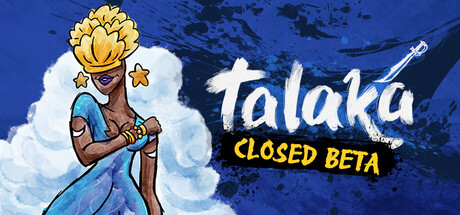
Talaka is a fast-paced action roguelite developed by Potato Kid and published by Acclaim, Inc., heading to Steam as a free-to-play title. It breaks away from the overused Greek and Norse mythology settings to deliver something genuinely unique: a vibrant, combat-driven adventure rooted in Afro-Brazilian folklore and Candomblé spirituality.
You play as a young warrior who once believed in the old legends — stories of Orisha gods, mythical creatures, and ancient realms. But as time passed, the myths faded. Forgotten by the world, the legends have begun to unravel, twisting into chaos and breaking the harmony between worlds. Your mission: fight through corrupted spirits and twisted beasts, restore what is being erased, and reforge the connection between humanity and the divine.
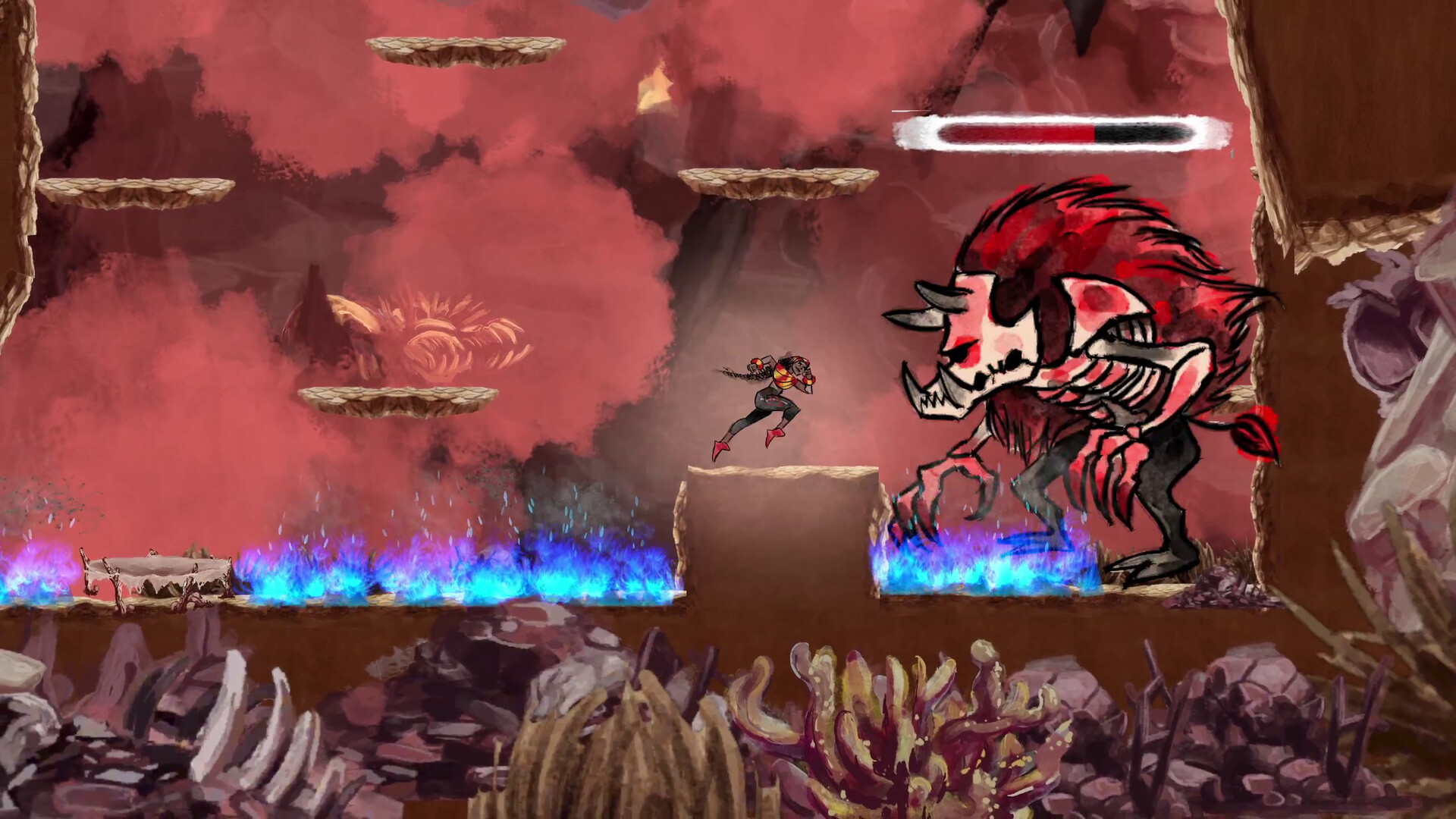
The game blends Dead Cells-like fluid combat with Hades-inspired run structure and storytelling, all set against stunning hand-painted watercolor landscapes that draw from Brazilian visual culture. Each run sends you through procedurally arranged biomes where you fight corrupted folklore creatures, collect blessings from the Orishas, and slowly piece together the story of a world losing its memory.
Game Details
| Field | Information |
|---|---|
| Genre | Action Roguelite, Hack-and-Slash |
| Developer | Potato Kid |
| Publisher | Acclaim, Inc. |
| Platform | Windows |
| Price | Free |
| Release | Not yet released (Wishlist available) |
| Players | Single-player |
| Engine | Unreal Engine |
| Combat Style | Melee + Ranged, Combo-based |
| Run Structure | Roguelite with permanent upgrades |
| Narrative Style | Hades-like, story unfolds across runs |
| Art Style | Hand-drawn watercolor, Brazilian-inspired |
Target Audience
Talaka is for you if:
- You enjoy Hades or Dead Cells and want a fresh mythological setting
- You are tired of Greek/Norse mythology and want to explore Afro-Brazilian folklore
- You appreciate hand-drawn art styles that feel like living paintings
- You like fast-paced action combat with fluid combos and god-powered abilities
- You enjoy run-based progression where each attempt makes you stronger
Talaka might not be for you if:
- You prefer slow, tactical combat over fast reflex-based action
- You are looking for a fully completed game (it is currently in pre-release)
- You do not enjoy replaying runs to unlock story and upgrades
Getting Started — First 30 Minutes
Since Talaka is not yet released, this section covers what to expect based on the developer's descriptions and the demo content available at events:
1. Choose your path. The game opens with a brief narrative introduction setting up the conflict — legends are being forgotten, Orishas are going rogue, and the barrier between worlds is fracturing. Your character steps into the fray.
2. Learn the basic combat. Start with a primary melee weapon (a blade or club) and a secondary ranged option. The combat is combo-driven: light attacks chain into heavy attacks, and dodging resets your openings. Practice the basic 3-hit combo and the dodge roll.
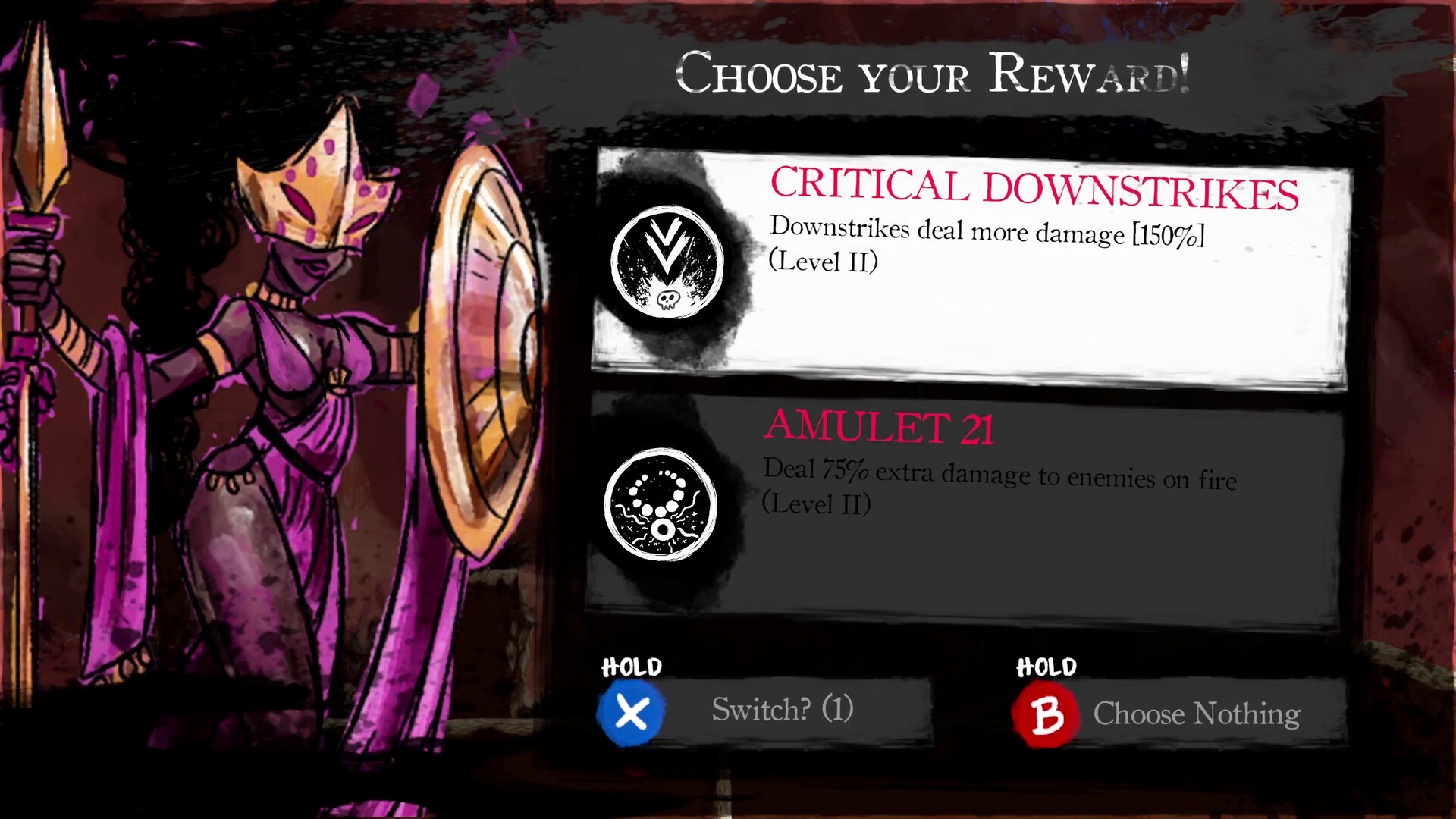
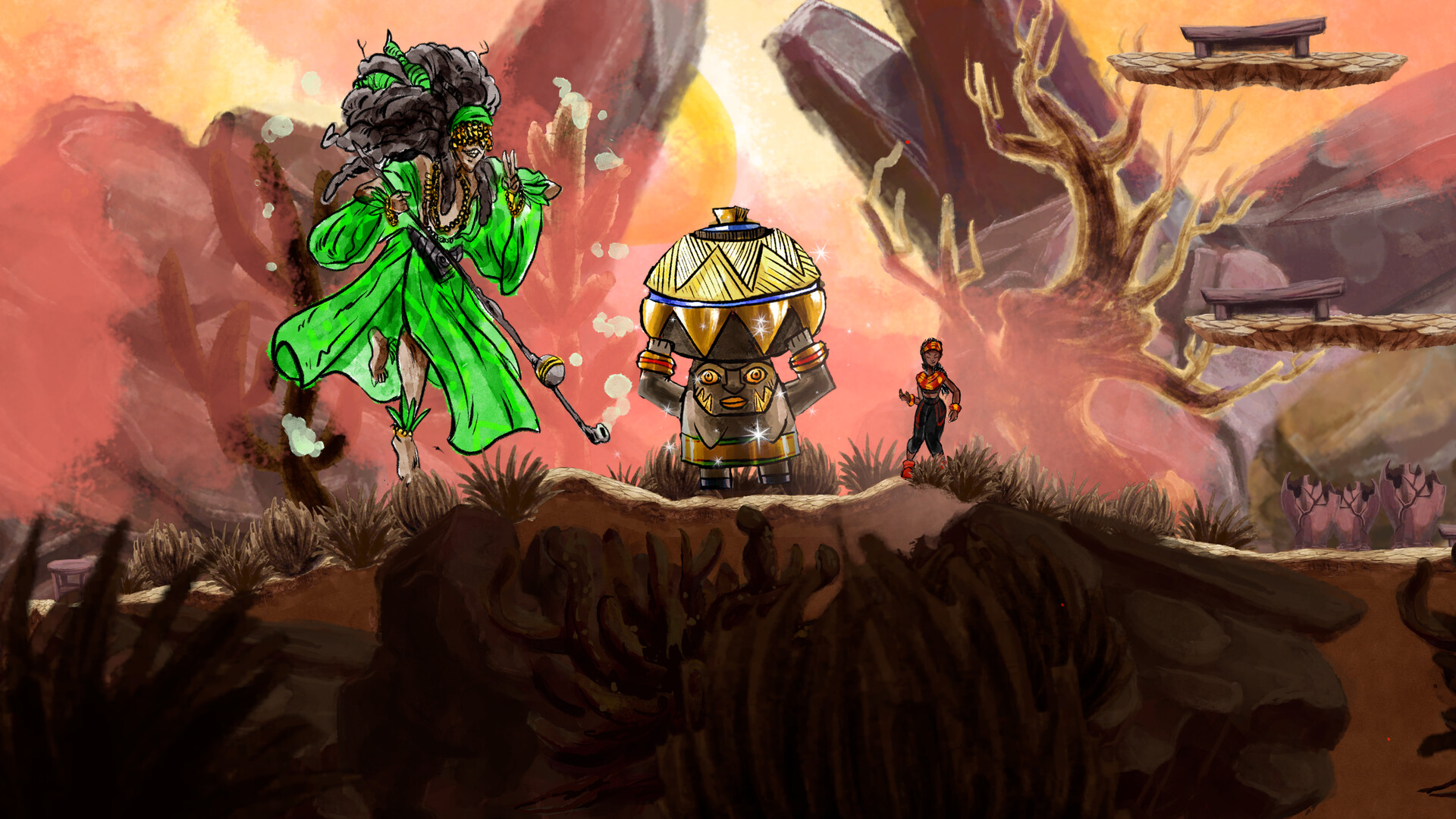
3. Meet the first Orisha. Early in your first run, you encounter an Orisha who offers a blessing. These blessings grant passive bonuses or new active abilities. The first blessing is always straightforward — extra damage or a heal — to help you get into the rhythm.
4. Understand the biome structure. Each run progresses through a series of biomes, each themed around a different aspect of Brazilian folklore. The order is randomized per run. Each biome ends with a mini-boss or challenge room.
5. Collect Corrupted Essence. Defeated enemies drop Essence — the primary currency for permanent upgrades between runs. Spend it wisely in the hub area.
6. Die and retry. Your first run will end in failure. This is expected. Return to the hub, spend your Essence on upgrades, and jump back in. Each run makes you stronger.
7. Experiment with weapon combinations. Different runs will offer different weapon drops. Try pairing a fast melee weapon with a ranged option, or a heavy slow hitter with mobility blessings.
8. Talk to everyone. Between runs, the hub area has NPCs who offer story context, side quests, and lore. Engaging with them unlocks deeper narrative layers and sometimes bonus objectives mid-run.
Advanced Tips
| Mistake | Why It Hurts | How to Fix |
|---|---|---|
| Ignoring Orisha blessings | Blessings are your primary power source. Skipping them leaves you underpowered for later biomes. | Always visit Orisha rooms when they appear. Read each blessing carefully. |
| Hoarding Essence | Essence only matters between runs. Dying with unspent Essence gains you nothing. | Spend Essence before attempting difficult encounters. Dying wastes the opportunity. |
| Button mashing | Talaka's combat rewards timing, not speed. Mashing drains stamina and leaves you open. | Learn the rhythm of 3-hit combos. Pause between chains to reset. |
| Neglecting dodging | Standing still is death. Every enemy has attacks that must be dodged, not tanked. | Make dodge roll your default movement. Attack only in openings. |
| Ignoring biome hazards | Each biome has unique environmental threats (poison pools, falling debris, cursed ground). | Watch the floor. Learn biome hazards before they kill you. |
| Sticking to one weapon | Different biomes and enemy types have different weaknesses. One weapon cannot handle everything. | Swap weapons when you find something new. Build a versatile arsenal. |
| Rushing through rooms | Speed runs skip upgrade rooms, Essence caches, and lore pickups. | Explore every room fully before moving to the exit. |
| Ignoring the story | The narrative unlocks new mechanics, biomes, and blessings over time. | Read dialogue. Talk to NPCs between runs. |
Core Mechanics Deep Dive
1. Fluid Combat System
Talaka's combat is built around momentum: landing hits builds combo momentum, which unlocks stronger finishers and special moves. The basic flow is light attack → light attack → heavy attack (a 3-hit chain). Dodging resets your chain without losing all momentum.
Weapons fall into three categories:
- Light blades — Fast, low damage per hit, high combo potential. Best for applying status effects.
- Heavy weapons — Slow, high damage, low combo count. Best for staggering larger enemies.
- Ranged options — Limited ammo or cooldown-based. Used for crowd control and picking off threats from a distance.
2. Orisha Blessing System
The Orishas — deities from the Candomblé pantheon — offer blessings during your run. These are the roguelite upgrades that define your build. Examples based on real Orishas:
- Oxalá — Blessings of creation and purity. Heals, shields, cleansing effects.
- Iemanjá — Blessings of the sea. Water-based attacks, crowd control, area damage.
- Xangô — Blessings of justice and thunder. Lightning damage, critical strikes, chain attacks.
- Ogum — Blessings of war. Melee damage boosts, attack speed, weapon enhancements.
- Oxóssi — Blessings of the hunt. Ranged damage, precision, tracking projectiles.
- Iansã — Blessings of wind and storms. Mobility, speed, evasion bonuses.
You can hold multiple blessings at once, and some have synergy effects when combined (e.g., Xangô + Iansã unlocks a lightning storm ability).
3. Run Structure and Progression
Each run follows this structure:
- Hub — Between runs. Upgrade stats, unlock weapons, talk to NPCs.
- Biome 1 — The entry area. Easier enemies, introduction to biome-specific mechanics.
- Mid-biome Orisha — A blessing opportunity mid-way through.
- Biome Boss — A corrupted folklore creature with unique attack patterns.
- Repeat for 3-4 biomes, each harder than the last.
- Final Boss — The source of the corruption. Defeating it progresses the story.
Permanent upgrades purchased with Essence include:
- Max health increase
- Starting weapon upgrades
- Blessing slot expansion
- Dodge distance and speed
- Essence drop rate multiplier
4. Corrupted Enemies
Every enemy in Talaka is a twisted version of a Brazilian folklore creature:
- Curupira — A forest guardian with backward feet. In corrupted form, it sets traps and lays ambushes.
- Saci — A one-legged trickster. Moves fast, teleports, throws projectiles.
- Boto — A river dolphin shapeshifter. Appears as a friendly NPC, then attacks.
- Mula sem Cabeça — A headless mule that charges in straight lines. Predictable, but punishing.
- Iara — A water spirit that lures with song. Area denial and charm effects.
5. Watercolor World
Biomes are hand-painted in a watercolor style inspired by Brazilian artists. Each biome represents a different natural environment from Brazilian geography:
- Mata Atlântica — Dense coastal rainforest with vertical platforming
- Caatinga — Arid scrubland with limited visibility and heat hazards
- Cerrado — Savanna with open combat arenas and grazing corrupted creatures
- Pantanal — Wetlands with water navigation and amphibious enemies
- Amazon — The final biome. Dense, dark, and filled with the most powerful corrupted beings
Advanced Strategies
1. Blessing Synergy Stacking
The most powerful builds come from stacking blessings from complementary Orishas. Ogum + Xangô turns you into a melee powerhouse with lightning-enhanced strikes. Iansã + Oxóssi makes you an untouchable ranged fighter. Plan your build around two Orishas and skip blessings that do not fit.
2. Essence Investment Priority
Early on, invest in dodge range and blessing slots before health. Better mobility and more blessing options prevent more damage than raw health can absorb. Weapon upgrades come third — you can find good weapons in runs, but you cannot find extra blessing slots.
3. Biome Route Optimization
If the run offers a choice between biomes, always pick the biome whose hazards match your current build. A fire-based build excels in the Caatinga (arid, heat-themed). A water build thrives in the Pantanal. Matching biome to build makes the run significantly easier.
4. Boss Pattern Recognition
Each boss has a three-phase fight with escalating patterns. Spend the first attempt on each boss just observing — learn the tells, the safe zones, and the punish windows. Do not try to damage the boss on your first meeting. Knowledge is the real upgrade.
5. Conservation of Resources
Healing items and limited-use abilities are scarce. Do not use them on easy encounters. Save heals for boss fights and limited-use blessings for Elite enemy rooms. A heal used on a normal enemy is a heal you will miss against the biome boss.
FAQ
Q: When will Talaka be released? A: The release date has not been announced yet. You can wishlist the game on Steam to be notified when it launches.
Q: Is Talaka free? A: Yes. The Steam store page lists it as a free-to-play title.
Q: What platforms is it on? A: Windows only at launch. Mac and Linux support are not confirmed.
Q: Is this a roguelike or roguelite? A: Roguelite. You unlock permanent upgrades between runs, making each subsequent attempt easier.
Q: How long is a typical run? A: Estimated 30-45 minutes for a full run, depending on biome order and player skill.
Q: Does the game have controller support? A: Confirmed. Full controller support is planned.
Q: What makes Talaka different from Hades? A: The setting (Afro-Brazilian folklore instead of Greek mythology), the hand-painted watercolor art style, and a focus on Brazilian cultural elements that have never been featured in a major action game before.
Q: Who is Potato Kid? A: Potato Kid is an independent game development studio focused on creating action games with rich cultural storytelling. Talaka is their most ambitious project to date.
Q: Will there be multiple weapons? A: Yes. The game features multiple weapon types including blades, clubs, ranged options, and Orisha-gifted special abilities.
Q: Is there a demo? A: Demo availability has not been confirmed. Follow the developer on Steam for updates.
Q: What languages are supported? A: English and Portuguese (Brazilian) are confirmed. Additional languages may be added.
Q: Does Talaka have achievements? A: Steam achievements are planned but the full list has not been revealed.
Final Tip / Verdict
Final Tip: Spend your first few runs focused entirely on learning enemy attack patterns and Orisha blessing synergies, not on reaching the final boss. The knowledge you build about which blessings combo well together will serve you better than any stat upgrade ever could.
Verdict: Talaka is shaping up to be a standout entry in the action roguelite genre, not because it reinvents the formula, but because it applies the proven Hades/Dead Cells structure to a setting that has been ignored by the game industry for too long. The hand-painted watercolor art alone is worth the price of admission — and the price is free. If you love fluid combat, rich mythology, and supportive communities backing culturally meaningful projects, wishlist this one and wait for the launch button to turn green.
Last reviewed by Game How To Editorial. We monitor developer communications and update guides when new game mechanics are confirmed.
Screenshots