Daily Pick
One deeply researched guide worth reading today.
A practical route through the systems that matter most, written to help new players make confident decisions quickly.
Overview
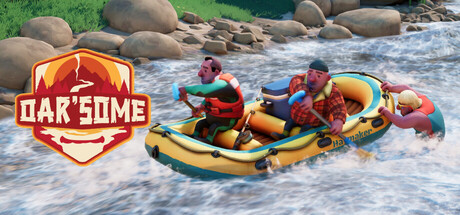
Oar'some Adventures is a cozy-chaotic rafting and nature adventure from Haymaker Games, a Melbourne studio that describes its own catalogue as fast-paced, funny games that turn your friends into frenemies. One to eight players share a raft and paddle down a massive river system, and the trip only stays relaxing until the first rapid. The Steam page splits the design into three pillars: PADDLE, synchronize rowing with your friends to survive obstacles and wild rapids. EXPLORE, choose between river branches, landmarks, and co-operative puzzles, with each trip as unique or as familiar as you want. SURVIVE, every bump and crash hurts you and your boat, and items are what keep the crew alive.
The game has a free demo on Steam, it appeared in Steam NextFest with an updated demo teasing the full map, and the studio's roadmap targets release later this year. You play as one of The Joes, the studio's ragtag crew of paddlers, and whether the trip is serene or a raft-flipping catastrophe depends almost entirely on how well your group communicates.
| Fact | Detail |
|---|---|
| Developer / Publisher | Haymaker Games (Melbourne, Australia) |
| Genre | Co-op rafting action-adventure, party game |
| Players | 1 to 8, online and couch co-op |
| Platform | Windows (Steam) |
| Status | Demo live on Steam, NextFest veteran, release targeted later this year |
| Signature loop | Paddle in sync, pick river branches, survive bumps that damage crew and boat |
| Characters | The Joes |
| Solo play | Supported, drift and paddle at your own pace |
Who this is for: co-op groups who burnt out on kitchen chaos games and want the same coordination comedy with scenery, plus solo players who want a nature cruise with teeth.
Who this is not for: anyone who rage-quits when a teammate paddles the wrong way. The wrong-way paddle is the core content.
Getting Started
Before You Launch the Demo
- Recruit before you queue. The game scales between cozy and chaotic with crew size. Two players make a pleasant paddling trip. Six make a sitcom. Know which one your group wants before the first launch.
- Plug in controllers. Couch co-op is the intended party format and gamepads keep four people from fighting over one keyboard.
- Agree on a voice channel. Every strategy below assumes someone can call out obstacles while paddling. Text chat does not survive a Class III rapid.
Your First 30 Minutes
- Learn the steering inversion first. In a paddle-driven boat, the raft turns away from the side that paddles. Left-side paddling turns the bow right. This one fact explains 90 percent of multiplayer collisions, and crews that internalize it stop spinning within an hour.
- Paddle in strokes, not in holds. Short, timed strokes steer. Long held paddles build speed but kill your ability to correct. In calm water practice three forward strokes, a pause, one corrective stroke.
- Take the first branch you see. The river system branches, and the demo map is a teaser of the full river. Early runs are for building route instincts, not for efficiency.
- Touch everything on the banks. Co-op puzzles and items live on shorelines. The raft does not need to beach; drifting close and interacting is usually enough.
- Let the first flip happen. Someone on your crew will paddle the wrong direction and dump everyone. Laugh, reset, and assign roles. The reset is cheap and the lesson is permanent.
Beginner Mistakes
| Mistake | Why it hurts | Fix |
|---|---|---|
| Everyone paddles at once | Raft oversteers, spins, or rams the nearest rock | Assign paddlers and a caller before launch |
| Silent rapids entries | Nobody calls obstacles, first rock wins | Call out every hazard two seconds early |
| Hugging the center line always | Center is fastest but hides submerged hazards | Learn to read the water before trusting it |
| Treating bumps as cosmetic | Each crash damages the boat and the crew | Repair and heal from items before the next rapid |
| Solo players paddling flat out | No one is left to steer or spot | Alternate burst paddling with drift-and-look |
Core Mechanics
Synchronized Paddling
The foundation of every raft game: strokes on the same side compound, strokes on opposite sides cancel, and desynchronized strokes spin the raft. The Steam page calls synchronization out by name, which means the physics punishes mashers. The crew-wide rule: one person calls the count, everyone strokes on the count, and corrections happen between counts, never during.
For straight speed, all paddlers stroke forward together. To turn left, right-side paddlers stroke while left-side paddlers hold. To brake, back paddlers reverse. These three moves are the entire skill tree of raft control, and crews that drill them in calm water clear rapids that end other groups.
The River as a Maze
The full river system is elaborate by design. Branches choose between speed, treasure, puzzles, and danger, and the store copy promises each trip can be unique or familiar, which means layouts support both route mastery and exploration runs. The strategic frame: decide what kind of run you are on before the first fork. A treasure run that keeps taking speed branches comes home empty, and a speed run that detours into every cove finishes last.
Damage That Matters
Every bump and crash hurts you and your boat. This is the mechanic that separates Oar'some Adventures from pure party rafts: accumulating hull damage changes your options downstream. A battered raft cannot take the aggressive line through the next rapid, so damage is a routing resource, not just a health bar. Items exist to repair and heal, and the page says to use them wisely, which in practice means repair before rapids, not after capsizing.
Wildlife, Friendly and Otherwise
Natural wildlife populates the river, some friendly, some not. Friendly wildlife usually rewards interaction. Unfriendly wildlife is a hazard category like rocks: something to spot, call, and avoid rather than fight. Treat every animal sighting as a spotter call first and an interaction second.
Solo Versus Crew
Solo play is explicitly supported. Without a crew, synchronization pressure disappears but so does role coverage: you are paddler, spotter, and navigator simultaneously. The solo-adjusted rhythm is burst-and-drift, three strokes, look around, three strokes. Crews get speed and chaos, solo gets calm and control. The demo is a fair test of which mode your group actually enjoys.
Crew Roles
Assign these before the first launch. The single biggest performance jump in this game comes from role assignment, not from any individual skill.
| Role | Job | Best crew size fit |
|---|---|---|
| Navigator | Owns the line: calls turns, branches, and when to paddle | Any |
| Paddlers | Stroke on the count, hold otherwise | 2 to 6 |
| Spotter | Watches downstream, calls rocks, drops, and wildlife | 3+ |
| Quartermaster | Manages items, repairs before rapids, hands out food | 4+ |
| Looter | Grabs shoreline items during slow stretches without slowing the raft | 4+ |
For a four-player crew the standard sheet is Navigator, two Paddlers, and a Spotter-Quartermaster hybrid. For six or eight, add a dedicated Looter and split paddling sides evenly, because balance matters: too many paddlers on one side makes every turn a fight.
Communication Protocols
- Call early, call short. "Rock left" beats a sentence. Two seconds of warning is the target.
- Count strokes out loud. "Three, two, one, paddle" synchronizes better than any in-game indicator.
- One voice in rapids. The Navigator calls, everyone else confirms or holds. Three people calling turns is the same as zero.
- Declare the run type at each fork. "Speed" or "explore" takes two seconds and prevents the half-crew-each-way disaster.
Progression Strategy
Demo Phase: What to Practice Now
The demo is a teaser of the full map, so treat it as a training ground rather than content to finish. Skills that transfer to launch:
- Paddle-sync timing with your actual friend group. Every crew has a rhythm and it only forms with reps.
- The steering inversion until it is reflex. Corrective strokes should be automatic by run five.
- Branch discipline. Practice declaring a run type and sticking to it for a whole trip.
- Rapid entries. Slow down before white water, line up, commit. Entry speed and angle decide everything downstream.
- Item discipline. Practice repairing at 60 percent hull instead of riding it into the next rapid.
Launch Phase: The First Week Plan
When the full river arrives, the roadmap-era release will front-load gentle water and back-load the elaborate system's hardest sections. The efficient arc:
- Run one, pure tourism. Take branches by curiosity, interact with everything, learn landmark names. Route knowledge is the real progression system in a branching river game.
- Run two, role lock-in. Same crew, fixed roles, no role swaps mid-run. Comfort in a role beats versatility for the first week.
- Run three onward, branch mastery. Start choosing branches deliberately and noting which fork leads where. The river rewards crews that build a mental map together.
What to Prioritize Early
- Coordination over upgrades. Crews with clean sync beat better-equipped sloppy crews in every rafting game ever shipped, and Oar'some's design language puts synchronization front and center.
- Repair items before speed items. Damage is the run-killer; the item that undoes damage has the highest floor.
- One branch family at a time. Learn one fork deeply before sampling every fork shallowly. Familiarity on one route is what makes later speed runs possible.
Step-by-Step Strategies
-
The calibration run. First run with any new group: no destination, no route goals. Ten minutes of calm-water drills, three strokes on the count, single corrective strokes, one deliberate left turn and one right. End with everyone able to park the raft next to a shoreline object on the first try. This run pays for itself within the hour.
-
The rapid entry sequence. Spot white water ahead. Navigator calls "rapid, slow down." Crew stops paddling, raft drifts to entry speed. Spotter calls the line: which gap, which angle. Navigator counts down the commit, crew paddles on the count. Angled entry, never head-on into a wave face. After the churn, regroup in the first calm pocket and check the hull. This sequence, drilled, clears rapids that scatter unprepared crews.
-
The shoreline sweep. In slow water, Navigator arcs the raft close to one bank. Looter and Quartermaster interact with everything interactive. When the bank runs out, cross to the other side and repeat. One sweep per calm stretch funds your item supply for the next rapid.
-
The puzzle stop. Co-op puzzles gate progress in places, and the mistake is solving them mid-current. Park first, in the calmest water available, then solve. A puzzle attempted while drifting is a raft against the rocks with four people looking at a wall.
-
The damage checkpoint rule. After every rapid, someone checks the boat. Above roughly half integrity, continue. Below it, repair immediately or take the safest branch to the next calm zone. Crews that ride damaged rafts into the next rapid lose all their items at once when the capsize comes.
-
The wildlife protocol. Spotter calls every animal: "deer right, friendly" or "something big ahead, give it room." Interact with the friendly ones during slow water only. Never let a curious crew member jump ship toward unfriendly wildlife mid-rapid, the raft will not be able to turn back for them.
-
The eight-player rotation. At full crew size, chaos comes from boredom: too many paddlers, not enough jobs. Rotate roles every segment, two paddlers off per rotation get the Looter and Spotter jobs. The rotation keeps everyone engaged and doubles as cross-training, so when your Navigator falls out of the raft, three other people can call the line.
-
The fork debate timer. When the crew disagrees at a branch, give the debate ten seconds, Navigator makes the call, and the dissenters' preference becomes the default at the next fork. Groups that vote at every fork drift into the middle of the river while they argue.
Advanced Tips
- Read the water before you trust it. Smooth dark lanes between obstacles are the fast current. Standing waves mark submerged rocks. Water that boils in place is a hydraulic that holds and flips boats. Learning three water patterns saves more runs than any item loadout.
- Eddies are free parking. The calm pocket behind a large rock lets you stop, scout, repair, or solve a puzzle out of the current. Approach from upstream, angle in, and the current parks you.
- Angle beats strength on impacts. A raft that clips a rock at an angle spins and survives. The same raft head-on flips. When a crash is unavoidable, steer to make it a scrape.
- Momentum is a steering tool. A drifting raft responds to corrective strokes better than a stopped one. In calm water, keep minimum drift speed rather than fully stopping, turns cost fewer strokes.
- The caller should be the worst paddler. Put your most enthusiastic masher on Spotter duty and your steadiest hands on paddles. Enthusiasm without rhythm is how rafts spin.
- Couch co-op voice beats game voice chat. In a shared room, calls travel instantly and the comedy lands harder. Online crews should use low-latency voice, because rapid callouts have a two-second budget.
- Demo feedback shapes launch. Haymaker actively collects feedback through their Discord and Steam forums, and the NextFest demo update shipped bug fixes and performance work from player reports. Report what feels wrong; pre-release feedback is the one upgrade every player can earn.
- Wishlist timing. The roadmap targets release later this year and the demo already teases the full map, so wishlist now and treat launch week as your crew's expedition booking.
FAQ and Common Mistakes
When does Oar'some Adventures release? The studio's roadmap targets release later this year. The demo is live on Steam now, updated for NextFest with a teaser of the full map, bug fixes, and performance improvements.
Is the demo multiplayer? Yes, bring friends. The demo exists specifically for groups to try the paddle-sync loop, and the Discord is the place to find crews if yours is busy.
How many players does it support? One to eight, online or couch co-op. Four is the coordination sweet spot. Six to eight is where the comedy lives and the role rotation matters.
Can I play solo? Yes. Solo is the cozy setting: you own paddling, steering, and spotting at your own pace, and the river's explore pillars work fine alone. The chaos half of the game needs people.
What actually damages us? Every bump and crash, against rocks, logs, or anything else the river throws, hurts both the crew and the boat. Accumulated hull damage changes your downstream options, which is why repair discipline is a routing strategy and not just tidiness.
What are the three pillars again? Paddle: synchronization is the core skill. Explore: branches, landmarks, and co-op puzzles make each trip as unique or familiar as you want. Survive: items exist because the river will hit you.
The mistakes that end trips: entering rapids without a called line, arguing at forks while drifting, repairing after the capsize instead of before the rapid, and letting one enthusiastic player paddle unsynced at the back of the boat. Assign roles, call the count, angle your impacts, and the river stops feeling like it hates you. It still will flip your raft occasionally. That part is the game working as intended.